
Grutão Ecoparque – Parque, cachoeira e camping em Caxias do Sul
About Grutão Ecoparque – Parque, cachoeira e camping em Caxias do Sul
Description
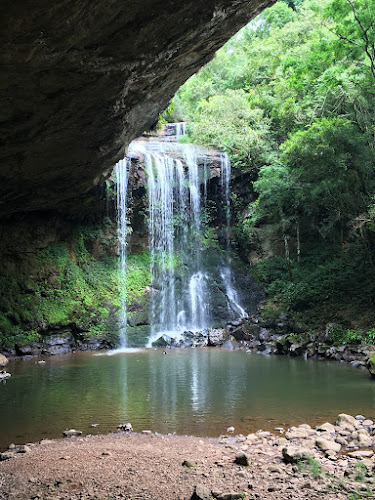
Grutão Ecoparque stands as one of those rare gems in southern Brazil where nature hasn't been overly manicured or stripped of its authentic character. Located in Caxias do Sul, this ecological park offers travelers an honest slice of Rio Grande do Sul's natural beauty without the pretense you might find at more commercialized destinations. The park centers around a stunning waterfall that serves as the main attraction, though calling it just a waterfall feels reductive—it's really the heart of an entire ecosystem that visitors get to experience up close. What makes this place particularly interesting is its commitment to accessibility and inclusivity. As a women-owned business, the park brings a different perspective to outdoor recreation management, and you can feel that difference in how the space is maintained and operated. The management has made genuine efforts to ensure wheelchair accessibility at the entrance, parking areas, and restrooms, which isn't something you commonly find at natural attractions in this region. And honestly, it's refreshing to see an outdoor space that openly identifies as LGBTQ+ friendly and maintains itself as a transgender safe space—these details matter to travelers who want to feel comfortable and welcome while exploring nature. The property functions as a multi-purpose destination combining hiking trails, camping facilities, and even a snack bar for those moments when you've worked up an appetite after exploring. But what really sets it apart is the camping experience. There's something special about falling asleep to the sound of that waterfall in the background, and waking up surrounded by the Atlantic Forest vegetation that's native to this area. The park maintains that sweet spot between offering necessary amenities and preserving the raw natural environment that people come here to experience in the first place. Visitors consistently mention the grotto formations that give the park its name—Grutão literally refers to a large grotto or cave. These geological features add an element of exploration that goes beyond your typical waterfall visit. You're not just looking at water cascading down rocks; you're actually navigating through rock formations that have been shaped over thousands of years.Key Features
The experience at Grutão Ecoparque includes several distinctive elements that make it worth the journey: • A main waterfall with natural pools perfect for swimming during warmer months, though the water temperature can be quite brisk even in summer • Well-maintained hiking trails that range from easy walks suitable for families to more challenging routes for experienced trekkers • Camping infrastructure that includes designated areas with basic facilities—this isn't glamping, but it's not completely rustic either • Cave and grotto formations that create natural shelters and interesting photography opportunities throughout the property • An on-site snack bar that serves simple meals and refreshments, so you don't need to pack everything for a day trip • Free parking facilities with designated accessible spots near the entrance • Clean restroom facilities that are regularly maintained, which any experienced camper knows is absolutely crucial • Women-owned and operated management that brings attention to detail in safety and visitor experience • LGBTQ+ friendly environment with explicit commitment to being a safe space for all visitors • Payment flexibility accepting credit cards, debit cards, and mobile payment options—surprisingly modern for a nature-focused destination • Wheelchair accessible entrance and parking areas making nature more reachable for visitors with mobility challenges • Kid-friendly trails and swimming areas that make this a viable option for family outingsBest Time to Visit
Timing your visit to Grutão Ecoparque really depends on what kind of experience you're chasing. The park operates year-round, but each season brings its own personality to the place. Summer months from December through March deliver the warmest temperatures, which makes swimming in those natural pools actually enjoyable rather than an exercise in cold tolerance. This is peak season, and you'll encounter more visitors, especially on weekends and Brazilian holidays. The waterfall flows with good volume during these months, and the surrounding vegetation is at its most lush. But here's the thing—summer also means higher humidity and occasional heavy rainfall that can make trails muddy and slightly more challenging to navigate. Autumn, particularly April and May, might actually be the ideal window for many travelers. The crowds thin out considerably, temperatures remain pleasant during the day while cooling down nicely in the evening, and you still get decent waterfall flow from lingering summer rains. I've always found autumn camping to be more comfortable anyway since you're not battling the heat inside your tent. Winter from June to August brings cooler temperatures that can dip quite low, especially at night. We're talking potential for near-freezing conditions, so if you're camping, come prepared with proper gear. The waterfall flow may decrease during drier winter periods, but what you lose in water volume you gain in solitude. Winter weekdays can feel like you have the entire park to yourself. Just know that swimming becomes more of a polar plunge challenge than a leisurely dip. Spring months of September through November see the landscape coming back to life with flowering plants and increased wildlife activity. Water flow picks up again with spring rains, though you might need to check weather conditions before visiting since heavy rains can occasionally close trails for safety reasons. For camping specifically, autumn and spring offer the most comfortable overnight temperatures. Summer camping works if you don't mind warm, humid nights, while winter camping is really only for those who enjoy cold-weather outdoor experiences and have appropriate equipment. Weekdays are always less crowded than weekends regardless of season. If you have flexibility in your schedule, visiting Tuesday through Thursday typically provides a more peaceful experience with better access to the best swimming spots and photo opportunities without crowds in your frame.How to Get There
Getting to Grutão Ecoparque requires a bit of planning since it's not exactly in downtown Caxias do Sul, but the journey is straightforward enough once you know the route. If you're driving from central Caxias do Sul, you'll need to head towards the rural district where the park is located. The drive takes roughly 30 to 40 minutes depending on traffic and your starting point. A GPS will get you there, though be aware that the final stretch involves some rural roads that might not be as well-maintained as the main highways. Nothing that requires a specialized off-road vehicle, but a car with decent ground clearance makes the approach more comfortable. For travelers coming from Porto Alegre, the state capital, you're looking at approximately a two-hour drive north on BR-116. The highway is well-maintained and the route is straightforward. From Porto Alegre, many visitors make Grutão Ecoparque part of a larger exploration of the Serra Gaúcha region, combining it with visits to nearby wine country or other mountain towns. International travelers typically fly into Porto Alegre's Salgado Filho International Airport and then drive or arrange transportation to Caxias do Sul. Renting a car provides the most flexibility for exploring the region, and you'll find all major rental agencies at the airport. Public transportation to the park itself is limited, which is typical for nature attractions in Brazil. While Caxias do Sul has a local bus system, it doesn't extend to the park's location. Some local tour operators in Caxias do Sul offer day trips to Grutão Ecoparque, which could work if you're traveling without a vehicle, though you'll have less flexibility in how long you stay. The park provides ample free parking once you arrive, with spaces clearly marked including designated accessible parking near the entrance. Arriving early, especially on weekends, ensures you get a good parking spot close to the trails.Tips for Visiting
After talking with various travelers who've spent time at Grutão Ecoparque, a few practical insights emerge that can really improve your experience there. Bring proper footwear—and I mean actually proper footwear, not just any old sneakers. The trails can be slippery, especially near the waterfall and around the grotto areas where moisture keeps rocks perpetually damp. Hiking boots or shoes with good tread make a significant difference in both safety and comfort. Pack more water than you think you'll need. Yes, there's a snack bar on-site, but depending on when you visit and how busy it is, you don't want to be dependent on it. Staying hydrated while hiking in Brazilian summer heat is non-negotiable. If you're camping, arrive with realistic expectations about facilities. This is ecological camping, not a resort. The infrastructure is adequate and maintained, but you're still essentially sleeping in nature. Bring appropriate camping gear including a quality tent, sleeping bag rated for the season you're visiting, and a sleeping pad because the ground gets cold and hard. The swimming areas near the waterfall have varying depths and underwater rocks that aren't always visible. Take time to assess the water before jumping in, especially if you're visiting after heavy rains when water levels and currents change. Cash can still be useful even though the park accepts cards. Having some reais on hand for tips or small purchases is just practical travel advice for Brazil in general. Insect repellent is your friend here. The ecological park environment means bugs are part of the package, particularly during warmer months and near water sources. Apply it before hitting the trails rather than waiting until you're already being bitten. Consider visiting during weekdays if possible. The experience of having natural spaces relatively to yourself enhances the connection to the environment that most people seek when visiting places like this. Photography enthusiasts should bring protective bags for their gear. The mist from the waterfall and general humidity can damage electronics. Those grotto formations and waterfall shots are worth capturing, but not at the expense of a ruined camera. Check the weather forecast before your visit and have a backup plan. Heavy rains can affect trail conditions and waterfall safety. The park management takes safety seriously and may close certain areas during adverse weather. For families with young children, stick to the easier, marked trails. The more challenging routes aren't worth the risk with little ones in tow, and there's plenty to explore on the gentler paths. Respect the leave-no-trace principles. This ecological park depends on visitors caring for the environment. Pack out everything you bring in, stay on marked trails to prevent erosion, and don't disturb wildlife or plant life. The park's continued beauty depends on everyone doing their part. Finally, take time to actually be present in the space rather than rushing through it. Grutão Ecoparque rewards visitors who slow down and pay attention to details—the way light filters through the tree canopy, the sound variations in the waterfall as you move around it, the coolness of the grotto interiors. These experiences can't be rushed, and they're really what makes the visit memorable long after you've returned home.Key Features
- 20-meter waterfall and natural swimming pools
- Multiple self-guided trails of varying difficulty (including easy options)
- Camping areas with basic infrastructure (tent sites, picnic tables, grills)
- Snack bar and visitor facilities (restrooms, showers, parking)
- Event spaces and interpretive/ecotourism programs by arrangement
More Details
Updated January 17, 2026
Table of Contents
- Description
- Key Features
- Best Time to Visit
- How to Get There
- Tips for Visiting
- Key Highlights
- Location
- Places to Stay Near Grutão Ecoparque - Parque, cachoeira e camping em Caxias do Sul
- Find and Book a Tour
- Explore More Travel Guides
- Nearby Places You Might Like
- Traveler Reviews for Grutão Ecoparque – Parque, cachoeira e camping em Caxias do Sul
- Share Your Experience
Description
Grutão Ecoparque stands as one of those rare gems in southern Brazil where nature hasn’t been overly manicured or stripped of its authentic character. Located in Caxias do Sul, this ecological park offers travelers an honest slice of Rio Grande do Sul’s natural beauty without the pretense you might find at more commercialized destinations. The park centers around a stunning waterfall that serves as the main attraction, though calling it just a waterfall feels reductive—it’s really the heart of an entire ecosystem that visitors get to experience up close.
What makes this place particularly interesting is its commitment to accessibility and inclusivity. As a women-owned business, the park brings a different perspective to outdoor recreation management, and you can feel that difference in how the space is maintained and operated. The management has made genuine efforts to ensure wheelchair accessibility at the entrance, parking areas, and restrooms, which isn’t something you commonly find at natural attractions in this region. And honestly, it’s refreshing to see an outdoor space that openly identifies as LGBTQ+ friendly and maintains itself as a transgender safe space—these details matter to travelers who want to feel comfortable and welcome while exploring nature.
The property functions as a multi-purpose destination combining hiking trails, camping facilities, and even a snack bar for those moments when you’ve worked up an appetite after exploring. But what really sets it apart is the camping experience. There’s something special about falling asleep to the sound of that waterfall in the background, and waking up surrounded by the Atlantic Forest vegetation that’s native to this area. The park maintains that sweet spot between offering necessary amenities and preserving the raw natural environment that people come here to experience in the first place.
Visitors consistently mention the grotto formations that give the park its name—Grutão literally refers to a large grotto or cave. These geological features add an element of exploration that goes beyond your typical waterfall visit. You’re not just looking at water cascading down rocks; you’re actually navigating through rock formations that have been shaped over thousands of years.
Key Features
The experience at Grutão Ecoparque includes several distinctive elements that make it worth the journey:
• A main waterfall with natural pools perfect for swimming during warmer months, though the water temperature can be quite brisk even in summer
• Well-maintained hiking trails that range from easy walks suitable for families to more challenging routes for experienced trekkers
• Camping infrastructure that includes designated areas with basic facilities—this isn’t glamping, but it’s not completely rustic either
• Cave and grotto formations that create natural shelters and interesting photography opportunities throughout the property
• An on-site snack bar that serves simple meals and refreshments, so you don’t need to pack everything for a day trip
• Free parking facilities with designated accessible spots near the entrance
• Clean restroom facilities that are regularly maintained, which any experienced camper knows is absolutely crucial
• Women-owned and operated management that brings attention to detail in safety and visitor experience
• LGBTQ+ friendly environment with explicit commitment to being a safe space for all visitors
• Payment flexibility accepting credit cards, debit cards, and mobile payment options—surprisingly modern for a nature-focused destination
• Wheelchair accessible entrance and parking areas making nature more reachable for visitors with mobility challenges
• Kid-friendly trails and swimming areas that make this a viable option for family outings
Best Time to Visit
Timing your visit to Grutão Ecoparque really depends on what kind of experience you’re chasing. The park operates year-round, but each season brings its own personality to the place.
Summer months from December through March deliver the warmest temperatures, which makes swimming in those natural pools actually enjoyable rather than an exercise in cold tolerance. This is peak season, and you’ll encounter more visitors, especially on weekends and Brazilian holidays. The waterfall flows with good volume during these months, and the surrounding vegetation is at its most lush. But here’s the thing—summer also means higher humidity and occasional heavy rainfall that can make trails muddy and slightly more challenging to navigate.
Autumn, particularly April and May, might actually be the ideal window for many travelers. The crowds thin out considerably, temperatures remain pleasant during the day while cooling down nicely in the evening, and you still get decent waterfall flow from lingering summer rains. I’ve always found autumn camping to be more comfortable anyway since you’re not battling the heat inside your tent.
Winter from June to August brings cooler temperatures that can dip quite low, especially at night. We’re talking potential for near-freezing conditions, so if you’re camping, come prepared with proper gear. The waterfall flow may decrease during drier winter periods, but what you lose in water volume you gain in solitude. Winter weekdays can feel like you have the entire park to yourself. Just know that swimming becomes more of a polar plunge challenge than a leisurely dip.
Spring months of September through November see the landscape coming back to life with flowering plants and increased wildlife activity. Water flow picks up again with spring rains, though you might need to check weather conditions before visiting since heavy rains can occasionally close trails for safety reasons.
For camping specifically, autumn and spring offer the most comfortable overnight temperatures. Summer camping works if you don’t mind warm, humid nights, while winter camping is really only for those who enjoy cold-weather outdoor experiences and have appropriate equipment.
Weekdays are always less crowded than weekends regardless of season. If you have flexibility in your schedule, visiting Tuesday through Thursday typically provides a more peaceful experience with better access to the best swimming spots and photo opportunities without crowds in your frame.
How to Get There
Getting to Grutão Ecoparque requires a bit of planning since it’s not exactly in downtown Caxias do Sul, but the journey is straightforward enough once you know the route.
If you’re driving from central Caxias do Sul, you’ll need to head towards the rural district where the park is located. The drive takes roughly 30 to 40 minutes depending on traffic and your starting point. A GPS will get you there, though be aware that the final stretch involves some rural roads that might not be as well-maintained as the main highways. Nothing that requires a specialized off-road vehicle, but a car with decent ground clearance makes the approach more comfortable.
For travelers coming from Porto Alegre, the state capital, you’re looking at approximately a two-hour drive north on BR-116. The highway is well-maintained and the route is straightforward. From Porto Alegre, many visitors make Grutão Ecoparque part of a larger exploration of the Serra Gaúcha region, combining it with visits to nearby wine country or other mountain towns.
International travelers typically fly into Porto Alegre’s Salgado Filho International Airport and then drive or arrange transportation to Caxias do Sul. Renting a car provides the most flexibility for exploring the region, and you’ll find all major rental agencies at the airport.
Public transportation to the park itself is limited, which is typical for nature attractions in Brazil. While Caxias do Sul has a local bus system, it doesn’t extend to the park’s location. Some local tour operators in Caxias do Sul offer day trips to Grutão Ecoparque, which could work if you’re traveling without a vehicle, though you’ll have less flexibility in how long you stay.
The park provides ample free parking once you arrive, with spaces clearly marked including designated accessible parking near the entrance. Arriving early, especially on weekends, ensures you get a good parking spot close to the trails.
Tips for Visiting
After talking with various travelers who’ve spent time at Grutão Ecoparque, a few practical insights emerge that can really improve your experience there.
Bring proper footwear—and I mean actually proper footwear, not just any old sneakers. The trails can be slippery, especially near the waterfall and around the grotto areas where moisture keeps rocks perpetually damp. Hiking boots or shoes with good tread make a significant difference in both safety and comfort.
Pack more water than you think you’ll need. Yes, there’s a snack bar on-site, but depending on when you visit and how busy it is, you don’t want to be dependent on it. Staying hydrated while hiking in Brazilian summer heat is non-negotiable.
If you’re camping, arrive with realistic expectations about facilities. This is ecological camping, not a resort. The infrastructure is adequate and maintained, but you’re still essentially sleeping in nature. Bring appropriate camping gear including a quality tent, sleeping bag rated for the season you’re visiting, and a sleeping pad because the ground gets cold and hard.
The swimming areas near the waterfall have varying depths and underwater rocks that aren’t always visible. Take time to assess the water before jumping in, especially if you’re visiting after heavy rains when water levels and currents change.
Cash can still be useful even though the park accepts cards. Having some reais on hand for tips or small purchases is just practical travel advice for Brazil in general.
Insect repellent is your friend here. The ecological park environment means bugs are part of the package, particularly during warmer months and near water sources. Apply it before hitting the trails rather than waiting until you’re already being bitten.
Consider visiting during weekdays if possible. The experience of having natural spaces relatively to yourself enhances the connection to the environment that most people seek when visiting places like this.
Photography enthusiasts should bring protective bags for their gear. The mist from the waterfall and general humidity can damage electronics. Those grotto formations and waterfall shots are worth capturing, but not at the expense of a ruined camera.
Check the weather forecast before your visit and have a backup plan. Heavy rains can affect trail conditions and waterfall safety. The park management takes safety seriously and may close certain areas during adverse weather.
For families with young children, stick to the easier, marked trails. The more challenging routes aren’t worth the risk with little ones in tow, and there’s plenty to explore on the gentler paths.
Respect the leave-no-trace principles. This ecological park depends on visitors caring for the environment. Pack out everything you bring in, stay on marked trails to prevent erosion, and don’t disturb wildlife or plant life. The park’s continued beauty depends on everyone doing their part.
Finally, take time to actually be present in the space rather than rushing through it. Grutão Ecoparque rewards visitors who slow down and pay attention to details—the way light filters through the tree canopy, the sound variations in the waterfall as you move around it, the coolness of the grotto interiors. These experiences can’t be rushed, and they’re really what makes the visit memorable long after you’ve returned home.
Key Highlights
- 20-meter waterfall and natural swimming pools
- Multiple self-guided trails of varying difficulty (including easy options)
- Camping areas with basic infrastructure (tent sites, picnic tables, grills)
- Snack bar and visitor facilities (restrooms, showers, parking)
- Event spaces and interpretive/ecotourism programs by arrangement
Location
Places to Stay Near Grutão Ecoparque - Parque, cachoeira e camping em Caxias do Sul
Find and Book a Tour
Explore More Travel Guides
No reviews found! Be the first to review!
Traveler Reviews for Grutão Ecoparque – Parque, cachoeira e camping em Caxias do Sul
There are no reviews yet. Be the first one to write one.
Have you visited Grutão Ecoparque – Parque, cachoeira e camping em Caxias do Sul? Help other travelers by sharing your review.
Nearby Attractions
You Might Also Like

Museu Ambiência Casa de Pedra
Monumento a Dante Alighieri

Raiar - Academy and Water Activities
Find Accommodations Nearby
Recommended Tours & Activities
Visitor Reviews
There are no reviews yet. Be the first one to write one.
Share Your Experience
Have you visited Grutão Ecoparque – Parque, cachoeira e camping em Caxias do Sul? Help other travelers by leaving a review.