Description
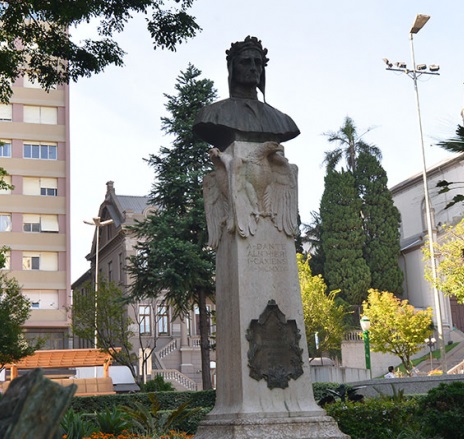
The Monumento a Dante Alighieri stands as a remarkable tribute to one of Italy’s most celebrated literary figures, the author of the Divine Comedy. This monument captures the essence of Dante’s legacy and provides visitors with a tangible connection to the medieval poet whose works have shaped Western literature for centuries. When I first encountered this statue, I was struck by how it manages to convey both the gravitas of Dante’s intellectual contributions and the personal humanity of the man himself.
What makes this monument particularly special is its accessibility and the way it invites contemplation. You’ll find yourself drawn into the details of the sculpture, noticing the careful attention paid to Dante’s expression and pose. The monument serves as more than just a photo opportunity—though it certainly provides that too. It’s a place where literature lovers, history enthusiasts, and curious travelers can pause and reflect on the enduring impact of one person’s creative vision.
The surrounding area complements the monument beautifully, creating a space that feels appropriate for honoring such an important cultural figure. And honestly, there’s something quite moving about standing before a monument dedicated to someone whose words are still read and studied more than seven hundred years after his death. It reminds you that great art truly does transcend time.
Families will appreciate that this attraction works well for visitors of all ages. Kids might not fully grasp the significance of Dante’s contribution to Italian literature just yet, but the monument provides an excellent opportunity to introduce them to history and culture in a way that’s visual and engaging rather than purely academic.
Key Features
The Monumento a Dante Alighieri offers several distinctive elements that make it worth including in your travel itinerary:
- The sculptural craftsmanship showcases exceptional artistic skill, with particular attention to period-accurate details in Dante’s clothing and bearing that transport you back to medieval Florence
- The monument’s positioning creates excellent opportunities for photography from multiple angles, allowing you to capture different perspectives and moods depending on the time of day and lighting conditions
- Educational value that brings Italian literary history to life—standing before this monument makes Dante feel less like a distant historical figure and more like a real person whose work still matters today
- A peaceful atmosphere that encourages quiet reflection and appreciation, offering a respite from the hustle of typical tourist attractions
- Family-friendly accessibility that makes it suitable for travelers with children, providing a cultural touchpoint that doesn’t require hours of walking through museum galleries
- The monument serves as an excellent starting point for deeper exploration of Dante’s life and works, potentially inspiring visitors to read or revisit the Divine Comedy with fresh perspective
- Architectural and artistic context that reflects the broader Italian tradition of honoring literary and cultural figures through public monuments
Best Time to Visit
Timing your visit to the Monumento a Dante Alighieri can significantly enhance your experience, and I’ve learned through my own travels that even simple monuments can feel completely different depending on when you show up.
Early morning hours, particularly around 7 to 9 AM, offer the most serene experience. You’ll likely have the monument largely to yourself, which allows for uninterrupted photography and contemplation. The morning light in Italy has this particular quality that photographers absolutely love—it’s softer and warmer than the harsh midday sun, creating more flattering conditions for photos.
Late afternoon, roughly between 4 and 6 PM, presents another excellent window. The crowds have typically thinned out, and the changing light creates dramatic shadows and highlights on the sculpture. I personally prefer these golden hour visits because there’s something magical about how the lowering sun transforms stone and bronze.
Seasonally speaking, spring (April through early June) and fall (September through October) provide the most comfortable weather conditions. Summer can be intensely hot, which isn’t ideal for standing in what might be an exposed location. Winter visits have their own charm though—fewer tourists and a different atmospheric quality that some travelers prefer.
If you’re visiting during peak tourist season in July or August, try to arrive right when the sun comes up or after dinner time when most tour groups have moved on to other activities. Trust me, you don’t want to be competing with three bus loads of tourists for your photo op.
Weekdays generally see less foot traffic than weekends, particularly Saturday mornings when locals and tourists alike are out exploring. But honestly, this monument doesn’t typically draw the massive crowds that places like the Colosseum or Vatican attract, so you’re unlikely to encounter overwhelming congestion regardless of when you visit.
How to Get There
Getting to the Monumento a Dante Alighieri is typically straightforward, though the specific directions will depend on where you’re staying and what other attractions you’re combining with your visit.
Walking is often the best approach if you’re staying in the city center. Italian cities are generally compact and pedestrian-friendly, and you’ll discover delightful streets, cafes, and shops along the way. I’ve always found that walking to monuments and attractions gives you a much better feel for a place than arriving by car or bus. You notice details you’d otherwise miss—the way locals interact, the small neighborhood shops, the architectural variations from block to block.
Public transportation represents another excellent option. Most Italian cities have reliable bus systems, and many now feature metro lines that can get you close to major monuments. Check your local transit app or ask at your hotel reception for the most current route information. And don’t be intimidated if you don’t speak Italian—most transit systems have English options, and locals are generally helpful to confused tourists fumbling with ticket machines.
If you’re driving, be aware that many Italian city centers have restricted traffic zones called ZTL (Zona a Traffico Limitato). Entering these zones without authorization results in hefty fines that’ll show up weeks or months after your trip. Look for parking garages on the periphery and walk or take public transit into the center. It’s less stressful and usually more economical anyway.
Taxis and ride-sharing services can work well, particularly if you’re traveling with family or mobility considerations make walking difficult. Just be aware that in older Italian cities, vehicles sometimes can’t get right up to monuments located in pedestrian zones.
For visitors with limited mobility, research accessibility options in advance. Italy has made strides in recent years improving access to cultural sites, though older monuments can present challenges.
Tips for Visiting
Making the most of your visit to the Monumento a Dante Alighieri requires a bit of planning and some insider knowledge that guidebooks don’t always share.
First off, bring water, especially during warmer months. You might think you’re just stopping by a monument for ten minutes, but once you’re there, you’ll probably want to linger longer than anticipated. And dehydration sneaks up on you when you’re focused on sightseeing.
Wear comfortable shoes. This seems obvious, but I can’t count how many times I’ve seen tourists hobbling around in completely inappropriate footwear. Even if the monument itself doesn’t require extensive walking, you’ll likely be exploring the surrounding area, and Italian streets—particularly historic ones—aren’t kind to flimsy sandals or high heels.
Do a little homework before you arrive. Reading even a brief overview of Dante’s life and works will dramatically enhance your appreciation of the monument. You don’t need to become a Divine Comedy scholar, but understanding who this guy was and why he matters makes the visit more meaningful. Maybe download an audiobook of the Inferno for your flight to Italy—you’d be surprised how much context enriches the experience.
Photography-wise, avoid using flash if you’re shooting during low-light conditions. It flattens the sculpture and washes out details. Instead, use your camera’s night mode or increase the ISO setting. Modern smartphones handle low light remarkably well.
Consider combining your visit with other nearby attractions or activities. Monuments like this one are best appreciated as part of a broader exploration rather than isolated checkboxes on a tourist list. Check what else is in the vicinity—maybe there’s a historic church, a local market, or a recommended restaurant within walking distance.
Respect the space. While the monument is a tourist attraction, it’s also a cultural landmark that holds significance for locals. Keep voices at a reasonable volume, don’t climb on the monument (you’d think this goes without saying, but…), and be mindful of others trying to enjoy the space.
If you’re traveling with kids, prepare them beforehand with age-appropriate information about Dante. Turn it into a game or treasure hunt—can they spot specific details on the monument? What expression does Dante have? What might he be thinking about? Engagement beats lecturing every time.
Visit during different times if possible. I know that sounds excessive, but monuments really do transform depending on lighting, weather, and time of day. If you’re staying in the area for several days, a quick morning visit and an evening return takes minimal effort but provides completely different experiences.
Finally, take time to simply sit and observe. We’re so conditioned to rush from attraction to attraction, snapping photos and checking boxes, that we forget to actually experience places. Spend fifteen minutes just looking at the monument, watching how other visitors interact with it, noticing details you missed initially. Some of my most memorable travel moments have come from these quiet observations rather than the famous sights themselves.
The Monumento a Dante Alighieri might not be the most famous attraction you’ll visit in Italy, but it offers something valuable—a moment of connection with one of history’s greatest writers and a reminder of why we travel in the first place. Not just to see things, but to understand them.
 Real Journey Travels