
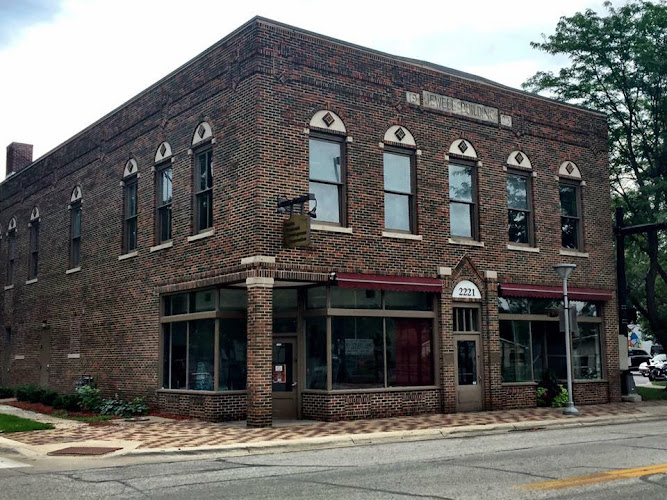
Great Plains Black History Museum
About Great Plains Black History Museum
Description
The Great Plains Black History Museum is one of those places that feels less like a typical museum and more like a living, breathing storybook. It’s dedicated to telling the history of America through the lens of African Americans, with a special focus on the Great Plains region. What’s striking is that it doesn’t shy away from the hard parts of history—those moments that can make you uncomfortable—but it also celebrates the triumphs, resilience, and cultural contributions that shaped communities across Nebraska and beyond.
Walking through the exhibits, you’ll find yourself face-to-face with narratives that were often overlooked in mainstream history books. And honestly, that’s what makes it powerful. It’s not just about artifacts behind glass; it’s about context, voices, and perspectives that give you a fuller picture of what life really looked like for African Americans in the heartland. Some people come away deeply moved, others inspired, but most leave with a sense of connection to stories they may not have heard before.
The atmosphere is welcoming and personal, almost like being invited into someone’s home to hear family stories passed down through generations. While it’s not the biggest museum you’ll ever step into, the depth of its storytelling more than makes up for its size. It’s the kind of place where you linger longer than you planned, reading every panel and maybe even chatting with staff who are genuinely passionate about sharing this history.
Key Features
- Exhibits that highlight both the struggles and achievements of African Americans in the Great Plains
- A theater space for educational programs, films, and talks
- Guided tours available for visitors who want a deeper dive into the stories
- Wheelchair accessible entrance and parking for ease of access
- On-site parking, so you don’t have to stress about finding a spot
- Restrooms available inside for visitor convenience
- Family-friendly environment that kids can engage with
Best Time to Visit
There isn’t really a bad time to go, but if you want to avoid crowds, weekdays tend to be quieter. I’ve found that mornings are especially peaceful—you can take your time without feeling rushed. Special exhibits or community events sometimes pop up, and those can be worth timing your visit around because they add a whole new layer of experience. Summer can get busier with travelers, but that also means more energy in the building, which can be fun if you like that buzz.
If you’re the type who likes to pair museum visits with exploring the city, spring and fall are fantastic. The weather in Omaha is more forgiving, so you can make a day of it—grab breakfast nearby, spend a few hours at the museum, then wander around the historic neighborhoods.
How to Get There
Getting to the museum is pretty straightforward. If you’re driving, there’s on-site parking, which makes life easier. For those relying on public transportation, buses run through the area, and a short walk will get you right to the entrance. Rideshare services are also an easy option if you don’t want to deal with parking at all.
I’ve personally driven there a couple of times, and one thing I appreciate is not having to circle the block endlessly looking for a spot. It’s a small detail, but when you’re traveling, those little conveniences make a big difference.
Tips for Visiting
First off, give yourself more time than you think you’ll need. Even though the museum isn’t massive, the stories pull you in, and you’ll want to slow down to really absorb them. If you can, take a guided tour—it’s worth it. The guides often share personal insights or anecdotes that you won’t find on the exhibit panels.
Bring kids along if you’re traveling as a family. The museum is kid-friendly, but it also opens up conversations about history in a way that’s accessible to younger visitors. Just be prepared for some tough questions—they might ask things you didn’t expect, and that’s part of the beauty of the experience.
Accessibility is solid, so if you or someone in your group uses a wheelchair, you’ll find it manageable. And since there isn’t a restaurant on-site, I’d suggest grabbing a bite before or after your visit. Omaha has some great local spots nearby, so you won’t go hungry.
One last thing: go in with an open mind. Some of the history is heavy, but it’s balanced with stories of hope, resilience, and achievement. You’ll walk out with a richer understanding of the African American experience in the Great Plains, and honestly, that’s the kind of travel experience that sticks with you long after the trip is over.
Key Features
- Exhibits that highlight both the struggles and achievements of African Americans in the Great Plains
- A theater space for educational programs, films, and talks
- Guided tours available for visitors who want a deeper dive into the stories
- Wheelchair accessible entrance and parking for ease of access
- On-site parking, so you don’t have to stress about finding a spot
- Restrooms available inside for visitor convenience
- Family-friendly environment that kids can engage with
More Details
Updated September 23, 2025
Table of Contents
Description
The Great Plains Black History Museum is one of those places that feels less like a typical museum and more like a living, breathing storybook. It’s dedicated to telling the history of America through the lens of African Americans, with a special focus on the Great Plains region. What’s striking is that it doesn’t shy away from the hard parts of history—those moments that can make you uncomfortable—but it also celebrates the triumphs, resilience, and cultural contributions that shaped communities across Nebraska and beyond.
Walking through the exhibits, you’ll find yourself face-to-face with narratives that were often overlooked in mainstream history books. And honestly, that’s what makes it powerful. It’s not just about artifacts behind glass; it’s about context, voices, and perspectives that give you a fuller picture of what life really looked like for African Americans in the heartland. Some people come away deeply moved, others inspired, but most leave with a sense of connection to stories they may not have heard before.
The atmosphere is welcoming and personal, almost like being invited into someone’s home to hear family stories passed down through generations. While it’s not the biggest museum you’ll ever step into, the depth of its storytelling more than makes up for its size. It’s the kind of place where you linger longer than you planned, reading every panel and maybe even chatting with staff who are genuinely passionate about sharing this history.
Key Features
- Exhibits that highlight both the struggles and achievements of African Americans in the Great Plains
- A theater space for educational programs, films, and talks
- Guided tours available for visitors who want a deeper dive into the stories
- Wheelchair accessible entrance and parking for ease of access
- On-site parking, so you don’t have to stress about finding a spot
- Restrooms available inside for visitor convenience
- Family-friendly environment that kids can engage with
Best Time to Visit
There isn’t really a bad time to go, but if you want to avoid crowds, weekdays tend to be quieter. I’ve found that mornings are especially peaceful—you can take your time without feeling rushed. Special exhibits or community events sometimes pop up, and those can be worth timing your visit around because they add a whole new layer of experience. Summer can get busier with travelers, but that also means more energy in the building, which can be fun if you like that buzz.
If you’re the type who likes to pair museum visits with exploring the city, spring and fall are fantastic. The weather in Omaha is more forgiving, so you can make a day of it—grab breakfast nearby, spend a few hours at the museum, then wander around the historic neighborhoods.
How to Get There
Getting to the museum is pretty straightforward. If you’re driving, there’s on-site parking, which makes life easier. For those relying on public transportation, buses run through the area, and a short walk will get you right to the entrance. Rideshare services are also an easy option if you don’t want to deal with parking at all.
I’ve personally driven there a couple of times, and one thing I appreciate is not having to circle the block endlessly looking for a spot. It’s a small detail, but when you’re traveling, those little conveniences make a big difference.
Tips for Visiting
First off, give yourself more time than you think you’ll need. Even though the museum isn’t massive, the stories pull you in, and you’ll want to slow down to really absorb them. If you can, take a guided tour—it’s worth it. The guides often share personal insights or anecdotes that you won’t find on the exhibit panels.
Bring kids along if you’re traveling as a family. The museum is kid-friendly, but it also opens up conversations about history in a way that’s accessible to younger visitors. Just be prepared for some tough questions—they might ask things you didn’t expect, and that’s part of the beauty of the experience.
Accessibility is solid, so if you or someone in your group uses a wheelchair, you’ll find it manageable. And since there isn’t a restaurant on-site, I’d suggest grabbing a bite before or after your visit. Omaha has some great local spots nearby, so you won’t go hungry.
One last thing: go in with an open mind. Some of the history is heavy, but it’s balanced with stories of hope, resilience, and achievement. You’ll walk out with a richer understanding of the African American experience in the Great Plains, and honestly, that’s the kind of travel experience that sticks with you long after the trip is over.
Key Highlights
- Exhibits that highlight both the struggles and achievements of African Americans in the Great Plains
- A theater space for educational programs, films, and talks
- Guided tours available for visitors who want a deeper dive into the stories
- Wheelchair accessible entrance and parking for ease of access
- On-site parking, so you don’t have to stress about finding a spot
- Restrooms available inside for visitor convenience
- Family-friendly environment that kids can engage with
Location
Places to Stay Near Great Plains Black History Museum
Find and Book a Tour
Explore More Travel Guides
No reviews found! Be the first to review!
Traveler Reviews for Great Plains Black History Museum
There are no reviews yet. Be the first one to write one.
Have you visited Great Plains Black History Museum? Help other travelers by sharing your review.
You Might Also Like
The Durham Museum
OPPD Arboretum

Asian Highlands
Find Accommodations Nearby
Recommended Tours & Activities
Visitor Reviews
There are no reviews yet. Be the first one to write one.
Share Your Experience
Have you visited Great Plains Black History Museum? Help other travelers by leaving a review.