
Great Lakes Shipwreck Museum
About Great Lakes Shipwreck Museum
Description
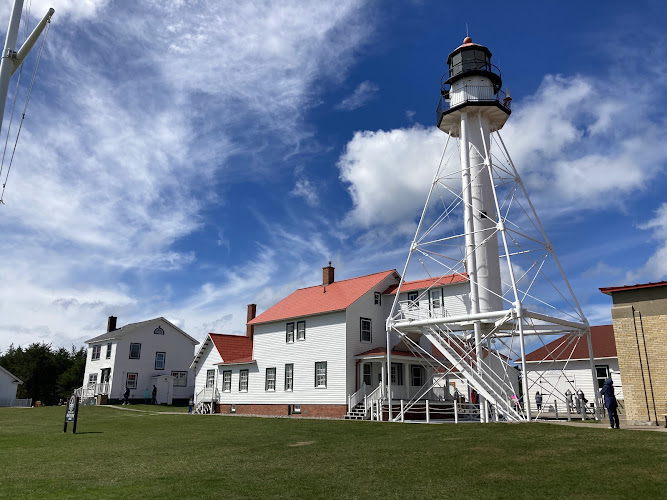
The Great Lakes Shipwreck Museum at Whitefish Point is a salt-and-wind-streaked slice of maritime history that sits where Lake Superior seems to breathe hardest. The museum complex includes a maritime museum, a working lighthouse and a seasonal guesthouse, and it leans into stories of storms, lost crews, and the stubborn, often heartbreaking force of the lake. Visitors encounter artifacts pulled from wrecks, interpretive exhibits about navigation and ship construction, and immersive displays that bring the Great Lakes shipping lanes to life. It is the kind of place that makes people pause — sometimes quietly, sometimes with the little catch in the throat that comes when you realize the past is closer than you thought.
This site is more than glass cases and labels. The Whitefish Point light station still operates as a navigational aid, and that living link to maritime practice gives the museum a special credibility. The museum’s collection highlights famous local shipwrecks, most notably the story surrounding the Edmund Fitzgerald and the recovered bell that is part memorial, part magnet for those drawn to nautical lore. Exhibits combine recovered artifacts, archival photos, and multimedia theater presentations, so visitors of different ages and interests can connect — kids can see heavy iron bits and model ships, while adults can stand and read sea logs and testimony that trace lines between human error, weather, and design.
Staff-led tours and historical interpretation are on offer seasonally, and they tend to be well informed and full of local color. The venue includes a gift shop with regionally themed books, reproductions, and tide-salty trinkets; a small on-site theater that screens short films about the lake and its wrecks; and an interpretive trail along the shore where one can stand and look out at the same horizon that has swallowed ships and shaped stories for well over a century. The seasonal guesthouse, when open, gives a rare chance to sleep close to a working lighthouse and wake to the hush of Lake Superior. Not many museums anywhere offer that sort of hands-on, stay-the-night kind of immersion.
There are practical things to know. Admission is charged, and tours and theater programs may be scheduled at specific times — so expect to plan a little. The complex is family-friendly, and many parents report it as good for kids: exhibits mix tactile elements with tragic history in ways that are educational without being gratuitously graphic. And yes, this is a historical landmark with a distinctly maritime vibe, not a shiny, soulless theme park. Some areas feel weathered on purpose; that authenticity can feel raw and rewarding if that’s your cup of tea. If you like clean, modern interpretive centers only, you might find parts a little rugged. But for anyone fascinated by maritime history, nautical archaeology, or the geography of the upper Great Lakes, it is hard to beat.
The museum’s exhibits put a premium on context. For example, the Edmund Fitzgerald display is positioned not merely as a single-brand celebrity attraction but as part of a larger narrative about shipping patterns, seasonal storms, and the tools sailors used to survive. Visitors often linger at the bell exhibit and read names, dates, and accounts that humanize the statistics. There are also less widely publicized artifacts here: surfboat gear, parts from wooden schooners, and items recovered from lesser-known wrecks that nevertheless tell poignant stories about lives at work on the water. Those lesser-known pieces often stay with people longer than the headline displays. The subtle, unflashy artifacts — a rusted bolt, a child's toy recovered from a wreck — can be the most affecting.
From a visitor-experience angle, the museum balances hands-on learning with solemn remembrance. Alongside interpretive panels about construction and engineering, there are memorials and personal stories about crews lost on the lakes. The result is a place that educates and commemorates at once. Staff and volunteers are frequently passionate locals or historians who can answer oddball questions about navigation lights, refitting schooners, or the precise line between a gale and a full-blown catastrophe. Expect patience and real knowledge — and sometimes an anecdote from the person standing at the desk who remembers family members who worked the lakes decades ago.
It is also worth noting the seasonal character of the place. The Whitefish Point complex is strongly tied to weather and daylight hours. Summers are busy and bright, shoulder seasons are quieter and moody, and winters bring an isolation that’s almost cinematic (but many of the museum’s services then are limited). That ebb and flow is part of what gives the museum a sense of rhythm with the lake itself. Visitors who arrive expecting everything open year-round will occasionally be surprised; those who embrace the seasonality find it part of the charm.
For planners who like specifics (yes, the nitty-gritty): guided tours are offered onsite during the season and include access to parts of the light station and keeper quarters when available. The on-site theater screens short documentaries that clarify technical details and human stories; those films are a good primer before a shoreline walk. The gift shop carries books that are hard to find elsewhere about Michigan maritime history and local shipwrecks, which makes it a useful stop for researchers and casual readers alike. The guesthouse, when open, demands advance reservation and fills quickly because staying near an operating lighthouse is a rare and atmospheric experience — someone who loves lighthouses will probably add it to the top of their list.
There are a few caveats so visitors aren’t disappointed. Parts of the complex are exposed to the elements; even on a sunny afternoon the wind off Lake Superior can be sharp and unrelenting. Some interpretive signage is dense with technical terms, which is great for enthusiasts but can be heavy to skim through for those with only an hour to spare. And because the site attracts devoted fans of maritime history, peak season can feel crowded, especially around signature displays. But even with those small bumps, the overall visitor reaction is generally that the place is thoughtfully curated, deeply rooted in local history, and emotionally resonant — a museum where the artifacts and the location amplify each other.
People who go expecting a glossy museum will be surprised; people who go wanting to be moved, informed, and a little spooked by the scale of the lake are usually delighted. The Great Lakes Shipwreck Museum at Whitefish Point is a destination that rewards curiosity, patience, and a willingness to listen to the lake. It’s the kind of place that, years later, surfaces again in conversation: remember the bell, remember that stretch of shore where the light casts its slow arc, remember the stories that are as much about people as they are about ships. Visitors tend to leave with both new facts and a kind of quiet respect for the ways in which the Great Lakes have shaped lives and communities for generations.
- Classic maritime exhibits including recovered artifacts from Lake Superior wrecks
- Working Whitefish Point lighthouse and interpretive tours of light station areas
- Edmund Fitzgerald exhibit and related artifacts offering deep context
- On-site theater with short documentaries about shipwrecks and lake history
- Gift shop focused on regional maritime literature and keepsakes
- Seasonal guesthouse experience for overnight stays near the lighthouse
- Guided tours and onsite staff interpretation during open season
- Family-friendly exhibits that are educational for kids yet respectful of tragedy
One last personal aside, because the author has stood on that shore: on a windy October afternoon the place felt like a biography — loud in its silence, full of small details that suddenly fit together. A rusted hinge, a photographer’s perfect lens on a foggy horizon, a docent who could recite the names of lost ships like a lineup of neighbors — all of it made memory sticky. If the reader is even a little curious about maritime history or driven to experience landscapes that shaped industry and lives, this place repays attention. Pack layers, bring a book from the gift shop, and give the exhibits time to work on you. It’s not a checklist attraction; it’s an experience that lingers.
Key Features
- Classic maritime exhibits including recovered artifacts from Lake Superior wrecks
- Working Whitefish Point lighthouse and interpretive tours of light station areas
- Edmund Fitzgerald exhibit and related artifacts offering deep context
- On-site theater with short documentaries about shipwrecks and lake history
- Gift shop focused on regional maritime literature and keepsakes
- Seasonal guesthouse experience for overnight stays near the lighthouse
- Guided tours and onsite staff interpretation during open season
- Family-friendly exhibits that are educational for kids yet respectful of tragedy
More Details
Updated August 30, 2025
Table of Contents
Description
The Great Lakes Shipwreck Museum at Whitefish Point is a salt-and-wind-streaked slice of maritime history that sits where Lake Superior seems to breathe hardest. The museum complex includes a maritime museum, a working lighthouse and a seasonal guesthouse, and it leans into stories of storms, lost crews, and the stubborn, often heartbreaking force of the lake. Visitors encounter artifacts pulled from wrecks, interpretive exhibits about navigation and ship construction, and immersive displays that bring the Great Lakes shipping lanes to life. It is the kind of place that makes people pause — sometimes quietly, sometimes with the little catch in the throat that comes when you realize the past is closer than you thought.
This site is more than glass cases and labels. The Whitefish Point light station still operates as a navigational aid, and that living link to maritime practice gives the museum a special credibility. The museum’s collection highlights famous local shipwrecks, most notably the story surrounding the Edmund Fitzgerald and the recovered bell that is part memorial, part magnet for those drawn to nautical lore. Exhibits combine recovered artifacts, archival photos, and multimedia theater presentations, so visitors of different ages and interests can connect — kids can see heavy iron bits and model ships, while adults can stand and read sea logs and testimony that trace lines between human error, weather, and design.
Staff-led tours and historical interpretation are on offer seasonally, and they tend to be well informed and full of local color. The venue includes a gift shop with regionally themed books, reproductions, and tide-salty trinkets; a small on-site theater that screens short films about the lake and its wrecks; and an interpretive trail along the shore where one can stand and look out at the same horizon that has swallowed ships and shaped stories for well over a century. The seasonal guesthouse, when open, gives a rare chance to sleep close to a working lighthouse and wake to the hush of Lake Superior. Not many museums anywhere offer that sort of hands-on, stay-the-night kind of immersion.
There are practical things to know. Admission is charged, and tours and theater programs may be scheduled at specific times — so expect to plan a little. The complex is family-friendly, and many parents report it as good for kids: exhibits mix tactile elements with tragic history in ways that are educational without being gratuitously graphic. And yes, this is a historical landmark with a distinctly maritime vibe, not a shiny, soulless theme park. Some areas feel weathered on purpose; that authenticity can feel raw and rewarding if that’s your cup of tea. If you like clean, modern interpretive centers only, you might find parts a little rugged. But for anyone fascinated by maritime history, nautical archaeology, or the geography of the upper Great Lakes, it is hard to beat.
The museum’s exhibits put a premium on context. For example, the Edmund Fitzgerald display is positioned not merely as a single-brand celebrity attraction but as part of a larger narrative about shipping patterns, seasonal storms, and the tools sailors used to survive. Visitors often linger at the bell exhibit and read names, dates, and accounts that humanize the statistics. There are also less widely publicized artifacts here: surfboat gear, parts from wooden schooners, and items recovered from lesser-known wrecks that nevertheless tell poignant stories about lives at work on the water. Those lesser-known pieces often stay with people longer than the headline displays. The subtle, unflashy artifacts — a rusted bolt, a child’s toy recovered from a wreck — can be the most affecting.
From a visitor-experience angle, the museum balances hands-on learning with solemn remembrance. Alongside interpretive panels about construction and engineering, there are memorials and personal stories about crews lost on the lakes. The result is a place that educates and commemorates at once. Staff and volunteers are frequently passionate locals or historians who can answer oddball questions about navigation lights, refitting schooners, or the precise line between a gale and a full-blown catastrophe. Expect patience and real knowledge — and sometimes an anecdote from the person standing at the desk who remembers family members who worked the lakes decades ago.
It is also worth noting the seasonal character of the place. The Whitefish Point complex is strongly tied to weather and daylight hours. Summers are busy and bright, shoulder seasons are quieter and moody, and winters bring an isolation that’s almost cinematic (but many of the museum’s services then are limited). That ebb and flow is part of what gives the museum a sense of rhythm with the lake itself. Visitors who arrive expecting everything open year-round will occasionally be surprised; those who embrace the seasonality find it part of the charm.
For planners who like specifics (yes, the nitty-gritty): guided tours are offered onsite during the season and include access to parts of the light station and keeper quarters when available. The on-site theater screens short documentaries that clarify technical details and human stories; those films are a good primer before a shoreline walk. The gift shop carries books that are hard to find elsewhere about Michigan maritime history and local shipwrecks, which makes it a useful stop for researchers and casual readers alike. The guesthouse, when open, demands advance reservation and fills quickly because staying near an operating lighthouse is a rare and atmospheric experience — someone who loves lighthouses will probably add it to the top of their list.
There are a few caveats so visitors aren’t disappointed. Parts of the complex are exposed to the elements; even on a sunny afternoon the wind off Lake Superior can be sharp and unrelenting. Some interpretive signage is dense with technical terms, which is great for enthusiasts but can be heavy to skim through for those with only an hour to spare. And because the site attracts devoted fans of maritime history, peak season can feel crowded, especially around signature displays. But even with those small bumps, the overall visitor reaction is generally that the place is thoughtfully curated, deeply rooted in local history, and emotionally resonant — a museum where the artifacts and the location amplify each other.
People who go expecting a glossy museum will be surprised; people who go wanting to be moved, informed, and a little spooked by the scale of the lake are usually delighted. The Great Lakes Shipwreck Museum at Whitefish Point is a destination that rewards curiosity, patience, and a willingness to listen to the lake. It’s the kind of place that, years later, surfaces again in conversation: remember the bell, remember that stretch of shore where the light casts its slow arc, remember the stories that are as much about people as they are about ships. Visitors tend to leave with both new facts and a kind of quiet respect for the ways in which the Great Lakes have shaped lives and communities for generations.
- Classic maritime exhibits including recovered artifacts from Lake Superior wrecks
- Working Whitefish Point lighthouse and interpretive tours of light station areas
- Edmund Fitzgerald exhibit and related artifacts offering deep context
- On-site theater with short documentaries about shipwrecks and lake history
- Gift shop focused on regional maritime literature and keepsakes
- Seasonal guesthouse experience for overnight stays near the lighthouse
- Guided tours and onsite staff interpretation during open season
- Family-friendly exhibits that are educational for kids yet respectful of tragedy
One last personal aside, because the author has stood on that shore: on a windy October afternoon the place felt like a biography — loud in its silence, full of small details that suddenly fit together. A rusted hinge, a photographer’s perfect lens on a foggy horizon, a docent who could recite the names of lost ships like a lineup of neighbors — all of it made memory sticky. If the reader is even a little curious about maritime history or driven to experience landscapes that shaped industry and lives, this place repays attention. Pack layers, bring a book from the gift shop, and give the exhibits time to work on you. It’s not a checklist attraction; it’s an experience that lingers.
Key Highlights
- Classic maritime exhibits including recovered artifacts from Lake Superior wrecks
- Working Whitefish Point lighthouse and interpretive tours of light station areas
- Edmund Fitzgerald exhibit and related artifacts offering deep context
- On-site theater with short documentaries about shipwrecks and lake history
- Gift shop focused on regional maritime literature and keepsakes
- Seasonal guesthouse experience for overnight stays near the lighthouse
- Guided tours and onsite staff interpretation during open season
- Family-friendly exhibits that are educational for kids yet respectful of tragedy
Location
Places to Stay Near Great Lakes Shipwreck Museum
Find and Book a Tour
Explore More Travel Guides
No reviews found! Be the first to review!
Traveler Reviews for Great Lakes Shipwreck Museum
There are no reviews yet. Be the first one to write one.
Have you visited Great Lakes Shipwreck Museum? Help other travelers by sharing your review.
You Might Also Like

Paradise Depot Museum

Noble Orchard
Gold Nugget Museum
Find Accommodations Nearby
Recommended Tours & Activities
Visitor Reviews
There are no reviews yet. Be the first one to write one.
Share Your Experience
Have you visited Great Lakes Shipwreck Museum? Help other travelers by leaving a review.