
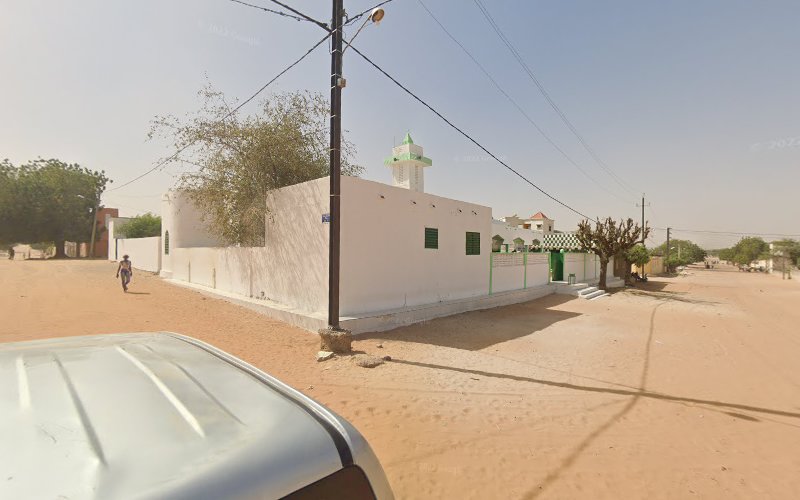
Grande Mosquée du Grand Diourbel
About Grande Mosquée du Grand Diourbel
Description
The Grande Mosquée du Grand Diourbel stands as one of Senegal's most significant religious monuments, representing a masterpiece of Islamic architecture that draws both pilgrims and curious travelers from across West Africa and beyond. Built between 1917 and 1925 under the visionary guidance of Cheikh Ahmadou Bamba, the founder of the influential Mouride brotherhood, this magnificent mosque serves as both a spiritual center and a testament to Senegalese Islamic heritage.
What strikes visitors first is the mosque's impressive architectural design, which draws inspiration from Istanbul's famous Blue Mosque. And honestly, when you first catch sight of those towering minarets against the Senegalese sky, it's hard not to feel a sense of awe - even if you're not particularly religious yourself. The building represents more than just a place of worship; it's a symbol of the deep Islamic traditions that have shaped this region for centuries.
Located in Diourbel, a city that holds special significance within the Mouride community, the mosque attracts thousands of faithful during major Islamic celebrations, particularly during the annual Magal pilgrimage. But don't let its religious importance intimidate you as a visitor - the mosque welcomes respectful tourists who wish to learn about Senegalese culture and Islamic architecture.
The construction story itself is fascinating. Cheikh Ahmadou Bamba personally traced the mosque's foundation with his blessed foot during a Sunday night in Rabiul Awwal, according to historical accounts. The preliminary work began in 1925, but the foundation excavation started in 1917 and continued until April 9, 1918. This wasn't just any construction project - it was a community effort that brought together followers from across the region, each contributing their labor as an act of devotion.
Key Features
The Grande Mosquée du Grand Diourbel offers visitors several distinctive features that set it apart from other religious sites in West Africa:
- Architectural Marvel - The mosque's design reflects traditional Islamic architecture with Senegalese influences, creating a unique aesthetic that photographs beautifully
- Historical Significance - As one of the earliest major mosques built by the Mouride brotherhood, it represents a crucial period in Senegal's religious development
- Separate Prayer Spaces - The mosque provides dedicated areas for both men and women, following traditional Islamic practices
- Accessibility Features - Modern renovations have ensured wheelchair accessibility, including accessible entrances, parking, and restroom facilities
- Community Center - Beyond prayer services, the mosque serves as a gathering place for community events and religious education
- Intricate Interior Design - The interior features beautiful Islamic calligraphy, geometric patterns, and decorative elements that reflect both Ottoman and West African influences
- Peaceful Gardens - The surrounding grounds offer quiet spaces for reflection and contemplation
- Cultural Hub - Regular religious ceremonies and festivals provide visitors with authentic cultural experiences
Best Time to Visit
Timing your visit to the Grande Mosquée du Grand Diourbel can significantly impact your experience, and I've learned this the hard way during my travels - showing up at the wrong time can mean missing out on the most meaningful moments.
The optimal time for most travelers is during the dry season, which runs from November through April. During these months, temperatures are more manageable (though still warm), and you won't have to worry about sudden downpours interrupting your visit. The morning hours, particularly between 8 AM and 11 AM, offer the most comfortable conditions for exploring the mosque grounds.
However, if you're interested in experiencing the mosque's spiritual significance at its peak, consider planning your visit around major Islamic holidays. The annual Magal celebration, typically held in the Islamic month of Safar, transforms Diourbel into a bustling pilgrimage destination. Hundreds of thousands of faithful converge on the city, creating an atmosphere unlike anything you'll experience during regular periods. But be warned - accommodation becomes scarce, and the crowds can be overwhelming for some visitors.
Friday afternoons hold special significance as the main congregational prayer time. While this offers authentic cultural immersion, it's also when the mosque is busiest with worshippers. If you're looking for photography opportunities or quiet contemplation, weekday mornings prove more suitable.
Ramadan presents a unique experience, with evening prayers and community iftar meals providing insight into Islamic traditions. Yet visitors should be respectful of the fasting period and dress more conservatively during this holy month.
How to Get There
Getting to the Grande Mosquée du Grand Diourbel requires some planning, but the journey itself offers glimpses into authentic Senegalese life that many travelers find just as rewarding as the destination.
From Dakar, Senegal's capital, the most straightforward route involves taking a car or bus eastward for approximately 150 kilometers. The journey typically takes 2-3 hours, depending on traffic and road conditions. Several bus companies operate regular services between Dakar and Diourbel, with "car rapides" (shared taxis) offering a more adventurous but authentic travel experience.
If you're staying in Dakar, consider hiring a private driver for the day - this gives you flexibility in timing and allows for stops at interesting points along the way. The road passes through typical Senegalese countryside, with small villages and agricultural areas that provide excellent photo opportunities.
For those already in central Senegal, Diourbel is well-connected to other major cities like Kaolack and Thiès. Local transport within Diourbel includes horse-drawn carts, motorcycle taxis, and walking - the mosque is centrally located and easily recognizable by its distinctive architecture.
International visitors typically fly into Blaise Diagne International Airport near Dakar, then continue overland to Diourbel. Some tour operators offer day trips that include the mosque as part of broader cultural excursions, which can be convenient for first-time visitors to Senegal.
And here's something I wish someone had told me earlier - bring cash for transport. While card payments are becoming more common in Dakar, rural transport still operates on a cash basis, and having small denominations of West African CFA francs makes everything smoother.
Tips for Visiting
Visiting the Grande Mosquée du Grand Diourbel requires cultural sensitivity and practical preparation. Here are essential tips that will enhance your experience while showing proper respect for this sacred space.
Dress Code and Cultural Respect
Conservative clothing is absolutely essential - no exceptions. Men should wear long pants and shirts that cover their arms, while women need to cover their hair, arms, and legs completely. Many visitors underestimate how strictly these rules are enforced. Bring a scarf even if you're male; the desert dust can be intense, and showing respect for local customs always opens doors to warmer interactions with community members.
Photography Guidelines
While exterior photography is generally permitted, always ask permission before photographing people or entering certain areas of the mosque. Interior photography rules vary depending on prayer times and special events. Some areas remain off-limits to non-Muslims, and respecting these boundaries demonstrates cultural awareness that locals appreciate.
Language Considerations
French serves as Senegal's official language, but Wolof dominates daily conversations in Diourbel. Learning basic greetings in Wolof - "Asalamu alaikum" (peace be upon you) for Islamic greetings, or "Nanga def?" (how are you?) in Wolof - creates instant connections with locals. English isn't widely spoken, so patience and gesture-based communication often prove necessary.
Prayer Time Awareness
Five daily prayers interrupt normal visiting patterns. The mosque becomes restricted to worshippers during these times, typically lasting 20-30 minutes each. Check prayer schedules in advance, and use these breaks to explore the surrounding neighborhood or rest in nearby cafes.
Health and Safety Preparations
Bring sunscreen, a hat, and plenty of water - the Senegalese sun is unforgiving, and shade around the mosque can be limited during peak hours. Comfortable walking shoes are essential, as you'll likely spend considerable time on your feet exploring the grounds and surrounding areas.
Cultural Interaction Tips
Senegalese hospitality is legendary, but reciprocating respect is crucial. If invited to share tea (ataya) with locals, accepting this offer provides authentic cultural exchange opportunities. However, be prepared for the ceremony to take significant time - rushing through ataya is considered quite rude.
Practical Considerations
The mosque provides restroom facilities, including accessible options for wheelchair users. However, toilet paper isn't always available, so bringing your own is wise. Small denominations of local currency prove useful for donations or purchasing refreshments from nearby vendors.
Remember that this isn't just a tourist attraction - it's a living, breathing center of faith for thousands of people. Your presence as a visitor can either contribute positively to cross-cultural understanding or, if handled poorly, reinforce negative stereotypes about tourists. Choose to be the visitor who leaves people feeling good about welcoming strangers into their sacred space.
Key Features
- Key Features
- Best Time to Visit
- How to Get There
- Tips for Visiting
More Details
Updated September 12, 2025
Table of Contents
Description
The Grande Mosquée du Grand Diourbel stands as one of Senegal’s most significant religious monuments, representing a masterpiece of Islamic architecture that draws both pilgrims and curious travelers from across West Africa and beyond. Built between 1917 and 1925 under the visionary guidance of Cheikh Ahmadou Bamba, the founder of the influential Mouride brotherhood, this magnificent mosque serves as both a spiritual center and a testament to Senegalese Islamic heritage.
What strikes visitors first is the mosque’s impressive architectural design, which draws inspiration from Istanbul’s famous Blue Mosque. And honestly, when you first catch sight of those towering minarets against the Senegalese sky, it’s hard not to feel a sense of awe – even if you’re not particularly religious yourself. The building represents more than just a place of worship; it’s a symbol of the deep Islamic traditions that have shaped this region for centuries.
Located in Diourbel, a city that holds special significance within the Mouride community, the mosque attracts thousands of faithful during major Islamic celebrations, particularly during the annual Magal pilgrimage. But don’t let its religious importance intimidate you as a visitor – the mosque welcomes respectful tourists who wish to learn about Senegalese culture and Islamic architecture.
The construction story itself is fascinating. Cheikh Ahmadou Bamba personally traced the mosque’s foundation with his blessed foot during a Sunday night in Rabiul Awwal, according to historical accounts. The preliminary work began in 1925, but the foundation excavation started in 1917 and continued until April 9, 1918. This wasn’t just any construction project – it was a community effort that brought together followers from across the region, each contributing their labor as an act of devotion.
Key Features
The Grande Mosquée du Grand Diourbel offers visitors several distinctive features that set it apart from other religious sites in West Africa:
- Architectural Marvel – The mosque’s design reflects traditional Islamic architecture with Senegalese influences, creating a unique aesthetic that photographs beautifully
- Historical Significance – As one of the earliest major mosques built by the Mouride brotherhood, it represents a crucial period in Senegal’s religious development
- Separate Prayer Spaces – The mosque provides dedicated areas for both men and women, following traditional Islamic practices
- Accessibility Features – Modern renovations have ensured wheelchair accessibility, including accessible entrances, parking, and restroom facilities
- Community Center – Beyond prayer services, the mosque serves as a gathering place for community events and religious education
- Intricate Interior Design – The interior features beautiful Islamic calligraphy, geometric patterns, and decorative elements that reflect both Ottoman and West African influences
- Peaceful Gardens – The surrounding grounds offer quiet spaces for reflection and contemplation
- Cultural Hub – Regular religious ceremonies and festivals provide visitors with authentic cultural experiences
Best Time to Visit
Timing your visit to the Grande Mosquée du Grand Diourbel can significantly impact your experience, and I’ve learned this the hard way during my travels – showing up at the wrong time can mean missing out on the most meaningful moments.
The optimal time for most travelers is during the dry season, which runs from November through April. During these months, temperatures are more manageable (though still warm), and you won’t have to worry about sudden downpours interrupting your visit. The morning hours, particularly between 8 AM and 11 AM, offer the most comfortable conditions for exploring the mosque grounds.
However, if you’re interested in experiencing the mosque’s spiritual significance at its peak, consider planning your visit around major Islamic holidays. The annual Magal celebration, typically held in the Islamic month of Safar, transforms Diourbel into a bustling pilgrimage destination. Hundreds of thousands of faithful converge on the city, creating an atmosphere unlike anything you’ll experience during regular periods. But be warned – accommodation becomes scarce, and the crowds can be overwhelming for some visitors.
Friday afternoons hold special significance as the main congregational prayer time. While this offers authentic cultural immersion, it’s also when the mosque is busiest with worshippers. If you’re looking for photography opportunities or quiet contemplation, weekday mornings prove more suitable.
Ramadan presents a unique experience, with evening prayers and community iftar meals providing insight into Islamic traditions. Yet visitors should be respectful of the fasting period and dress more conservatively during this holy month.
How to Get There
Getting to the Grande Mosquée du Grand Diourbel requires some planning, but the journey itself offers glimpses into authentic Senegalese life that many travelers find just as rewarding as the destination.
From Dakar, Senegal’s capital, the most straightforward route involves taking a car or bus eastward for approximately 150 kilometers. The journey typically takes 2-3 hours, depending on traffic and road conditions. Several bus companies operate regular services between Dakar and Diourbel, with “car rapides” (shared taxis) offering a more adventurous but authentic travel experience.
If you’re staying in Dakar, consider hiring a private driver for the day – this gives you flexibility in timing and allows for stops at interesting points along the way. The road passes through typical Senegalese countryside, with small villages and agricultural areas that provide excellent photo opportunities.
For those already in central Senegal, Diourbel is well-connected to other major cities like Kaolack and Thiès. Local transport within Diourbel includes horse-drawn carts, motorcycle taxis, and walking – the mosque is centrally located and easily recognizable by its distinctive architecture.
International visitors typically fly into Blaise Diagne International Airport near Dakar, then continue overland to Diourbel. Some tour operators offer day trips that include the mosque as part of broader cultural excursions, which can be convenient for first-time visitors to Senegal.
And here’s something I wish someone had told me earlier – bring cash for transport. While card payments are becoming more common in Dakar, rural transport still operates on a cash basis, and having small denominations of West African CFA francs makes everything smoother.
Tips for Visiting
Visiting the Grande Mosquée du Grand Diourbel requires cultural sensitivity and practical preparation. Here are essential tips that will enhance your experience while showing proper respect for this sacred space.
Dress Code and Cultural Respect
Conservative clothing is absolutely essential – no exceptions. Men should wear long pants and shirts that cover their arms, while women need to cover their hair, arms, and legs completely. Many visitors underestimate how strictly these rules are enforced. Bring a scarf even if you’re male; the desert dust can be intense, and showing respect for local customs always opens doors to warmer interactions with community members.
Photography Guidelines
While exterior photography is generally permitted, always ask permission before photographing people or entering certain areas of the mosque. Interior photography rules vary depending on prayer times and special events. Some areas remain off-limits to non-Muslims, and respecting these boundaries demonstrates cultural awareness that locals appreciate.
Language Considerations
French serves as Senegal’s official language, but Wolof dominates daily conversations in Diourbel. Learning basic greetings in Wolof – “Asalamu alaikum” (peace be upon you) for Islamic greetings, or “Nanga def?” (how are you?) in Wolof – creates instant connections with locals. English isn’t widely spoken, so patience and gesture-based communication often prove necessary.
Prayer Time Awareness
Five daily prayers interrupt normal visiting patterns. The mosque becomes restricted to worshippers during these times, typically lasting 20-30 minutes each. Check prayer schedules in advance, and use these breaks to explore the surrounding neighborhood or rest in nearby cafes.
Health and Safety Preparations
Bring sunscreen, a hat, and plenty of water – the Senegalese sun is unforgiving, and shade around the mosque can be limited during peak hours. Comfortable walking shoes are essential, as you’ll likely spend considerable time on your feet exploring the grounds and surrounding areas.
Cultural Interaction Tips
Senegalese hospitality is legendary, but reciprocating respect is crucial. If invited to share tea (ataya) with locals, accepting this offer provides authentic cultural exchange opportunities. However, be prepared for the ceremony to take significant time – rushing through ataya is considered quite rude.
Practical Considerations
The mosque provides restroom facilities, including accessible options for wheelchair users. However, toilet paper isn’t always available, so bringing your own is wise. Small denominations of local currency prove useful for donations or purchasing refreshments from nearby vendors.
Remember that this isn’t just a tourist attraction – it’s a living, breathing center of faith for thousands of people. Your presence as a visitor can either contribute positively to cross-cultural understanding or, if handled poorly, reinforce negative stereotypes about tourists. Choose to be the visitor who leaves people feeling good about welcoming strangers into their sacred space.
Key Highlights
- Key Features
- Best Time to Visit
- How to Get There
- Tips for Visiting
Location
Places to Stay Near Grande Mosquée du Grand Diourbel
Find and Book a Tour
Explore More Travel Guides
No reviews found! Be the first to review!
Traveler Reviews for Grande Mosquée du Grand Diourbel
There are no reviews yet. Be the first one to write one.
Have you visited Grande Mosquée du Grand Diourbel? Help other travelers by sharing your review.
You Might Also Like
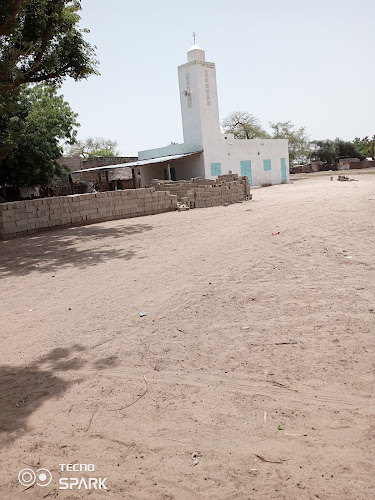
Mosquée ndiourbel tok
Keur Khadim Transfert D´argent

Mosquée Keur YELLY
Find Accommodations Nearby
Recommended Tours & Activities
Visitor Reviews
There are no reviews yet. Be the first one to write one.
Share Your Experience
Have you visited Grande Mosquée du Grand Diourbel? Help other travelers by leaving a review.