About Mosquée ndiourbel tok

Description

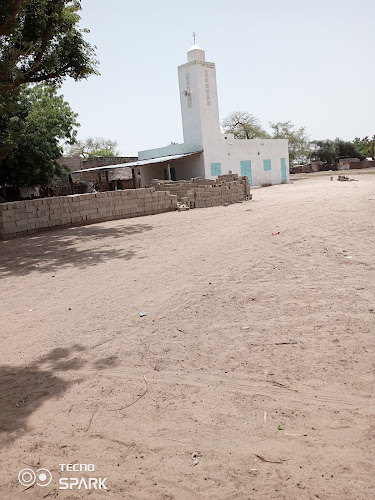
The Mosquée ndiourbel tok stands as one of Diourbel's most significant religious landmarks, representing the deep Islamic heritage that defines this historic Senegalese city. And honestly, when you first approach this mosque, you can't help but feel the weight of centuries of faith and devotion that have shaped this sacred space.

Located in the heart of Diourbel, this mosque serves as more than just a place of worship – it's a cornerstone of community life where locals gather for daily prayers, religious celebrations, and spiritual guidance. The mosque reflects the distinctive Sudano-Sahelian architectural style that's become synonymous with West African Islamic buildings, though it maintains its own unique character that sets it apart from other religious structures in the region.

What strikes most visitors first is how seamlessly the mosque integrates into the local urban fabric. You won't find towering minarets trying to dominate the skyline here. Instead, the building demonstrates that understated elegance that characterizes many of Senegal's traditional mosques. The structure embodies the practical spirituality of the Tijani Sufi order, which has deep roots throughout this part of Senegal.

During my conversations with local residents, they often mention how the mosque has witnessed generations of families passing through its doors. Grandparents who prayed here decades ago now bring their grandchildren for Friday prayers, creating this beautiful continuity that you can almost feel in the air. But what makes this mosque particularly special isn't just its history – it's how it continues to adapt and serve the changing needs of Diourbel's Muslim community.

Key Features

The mosque offers several distinctive elements that make it worth including in any cultural or religious tour of Diourbel:

  • Traditional Sudano-Sahelian architecture with clean lines and functional design elements that have stood the test of time
  • Spacious prayer hall that accommodates both daily congregational prayers and larger gatherings during religious festivals
  • Convenient restroom facilities – something that might seem minor but becomes incredibly important during longer visits or religious observances
  • Community gathering spaces where locals engage in religious discussions and social activities
  • Accessible location within Diourbel's urban center, making it easy to reach on foot or by local transport
  • Peaceful courtyard areas perfect for reflection and quiet contemplation away from the city's bustle
  • Traditional mihrab (prayer niche) that demonstrates local craftsmanship and Islamic artistic traditions
  • Well-maintained interior that reflects the community's dedication to preserving their sacred space

Best Time to Visit

Timing your visit to Mosquée ndiourbel tok requires some cultural sensitivity and practical considerations. The most rewarding times to experience this mosque are during the cooler months between November and February, when Senegal's dry season makes exploring religious sites much more comfortable.

If you're interested in witnessing the mosque in full use, Friday afternoons offer the most authentic experience. That's when the local Muslim community gathers for Jumu'ah prayers, and you'll see the building fulfill its primary purpose as a center of worship and community gathering. However, remember that this is a functioning religious site – visitors should maintain respectful distance during prayer times and never interrupt religious activities.

Early morning hours, particularly around 6-8 AM, provide excellent opportunities for photography and quiet observation. The light during these hours beautifully illuminates the mosque's architectural details, and you'll often find the space more accessible for respectful exploration.

Religious festivals and celebrations present unique opportunities to witness the mosque's cultural significance. During Ramadan, the building takes on special importance as a center for iftar gatherings and evening prayers. And during major Islamic holidays like Eid al-Fitr and Eid al-Adha, you'll see the mosque at its most active – though these times require extra sensitivity and advance coordination with local religious authorities.

Avoid visiting during midday prayers (around 12-1 PM) unless you're specifically interested in observing religious practices from a respectful distance. The hottest part of the day (12-4 PM) also makes exploration less comfortable, particularly during Senegal's warmer months.

How to Get There

Reaching Mosquée ndiourbel tok is straightforward once you understand Diourbel's transportation network. The mosque sits right in the city center, making it accessible through various means of transport that connect to Senegal's broader travel infrastructure.

From Dakar, your journey begins with either a bus or shared taxi (called "sept-place") heading toward Diourbel. The trip typically takes about 2-3 hours depending on traffic and road conditions. Bus services run regularly from Dakar's main transport terminals, particularly Gare Routière Pompiers, and cost significantly less than private transportation options.

Once you arrive in Diourbel, the mosque's central location means you can easily walk there from most accommodation options or the main transport stations. Local residents are generally helpful with directions – just ask for "Mosquée ndiourbel tok" and most people will point you in the right direction.

For those preferring more direct transportation, private car hire from Dakar offers flexibility and comfort, though it comes at a higher cost. The route follows well-maintained highways, and GPS navigation works reliably for this journey.

Local transport within Diourbel includes motorcycle taxis (called "Jakarta") and regular taxis, both of which can drop you very close to the mosque. But honestly, walking through Diourbel's streets gives you a better sense of the city's character and helps you understand the mosque's role within the broader community context.

If you're already exploring the Diourbel region and visiting other religious sites like the Great Mosque of Diourbel, the Mosquée ndiourbel tok fits easily into a walking tour of the city's Islamic architecture and cultural landmarks.

Tips for Visiting

Visiting any mosque in Senegal requires cultural awareness and respect, and Mosquée ndiourbel tok is no exception. Your experience will be much richer – and more welcome – if you follow some basic guidelines that show respect for local customs and religious practices.

Dress conservatively. This means long pants and shirts with sleeves for everyone, and women should consider bringing a headscarf even if it's not strictly required. Modest dress shows respect for the sacred nature of the space and makes your visit more comfortable for everyone involved.

Remove your shoes before entering prayer areas. Most mosques have designated areas for shoe storage, and following this custom demonstrates your understanding of Islamic practices. Wearing socks or bringing clean foot coverings makes this more comfortable.

Photography requires sensitivity. While exterior shots are generally acceptable, always ask permission before photographing people, and avoid taking pictures during prayer times or religious activities. Some visitors make the mistake of treating mosques like museums – remember that this is an active place of worship where people come for deeply personal spiritual reasons.

Consider hiring a local guide who understands both Islamic practices and local customs. They can provide context about the mosque's role in Diourbel's religious life and help navigate any cultural questions that arise during your visit. Plus, supporting local guides contributes to the community economy.

Bring some cash for small donations. While not required, modest contributions to mosque maintenance are appreciated and considered respectful. These donations help maintain the facilities and support community programs.

Plan your visit outside prayer times unless you specifically want to observe religious practices from a respectful distance. Prayer times vary throughout the year, so checking locally or using a prayer time app helps avoid interrupting worship activities.

Stay hydrated and bring sun protection. Even though the mosque provides shelter, you'll likely spend time walking around Diourbel's streets, and Senegal's climate can be challenging for visitors not accustomed to the heat.

Learn a few basic Arabic or Wolof greetings. Simple phrases like "As-salamu alaikum" (peace be upon you) or "Nanga def" (how are you in Wolof) go a long way toward showing respect and building connections with local community members.

Key Features

  • Key Features
  • Best Time to Visit
  • How to Get There
  • Tips for Visiting

More Details

Updated September 11, 2025

Description

The Mosquée ndiourbel tok stands as one of Diourbel’s most significant religious landmarks, representing the deep Islamic heritage that defines this historic Senegalese city. And honestly, when you first approach this mosque, you can’t help but feel the weight of centuries of faith and devotion that have shaped this sacred space.

Located in the heart of Diourbel, this mosque serves as more than just a place of worship – it’s a cornerstone of community life where locals gather for daily prayers, religious celebrations, and spiritual guidance. The mosque reflects the distinctive Sudano-Sahelian architectural style that’s become synonymous with West African Islamic buildings, though it maintains its own unique character that sets it apart from other religious structures in the region.

What strikes most visitors first is how seamlessly the mosque integrates into the local urban fabric. You won’t find towering minarets trying to dominate the skyline here. Instead, the building demonstrates that understated elegance that characterizes many of Senegal’s traditional mosques. The structure embodies the practical spirituality of the Tijani Sufi order, which has deep roots throughout this part of Senegal.

During my conversations with local residents, they often mention how the mosque has witnessed generations of families passing through its doors. Grandparents who prayed here decades ago now bring their grandchildren for Friday prayers, creating this beautiful continuity that you can almost feel in the air. But what makes this mosque particularly special isn’t just its history – it’s how it continues to adapt and serve the changing needs of Diourbel’s Muslim community.

Key Features

The mosque offers several distinctive elements that make it worth including in any cultural or religious tour of Diourbel:

  • Traditional Sudano-Sahelian architecture with clean lines and functional design elements that have stood the test of time
  • Spacious prayer hall that accommodates both daily congregational prayers and larger gatherings during religious festivals
  • Convenient restroom facilities – something that might seem minor but becomes incredibly important during longer visits or religious observances
  • Community gathering spaces where locals engage in religious discussions and social activities
  • Accessible location within Diourbel’s urban center, making it easy to reach on foot or by local transport
  • Peaceful courtyard areas perfect for reflection and quiet contemplation away from the city’s bustle
  • Traditional mihrab (prayer niche) that demonstrates local craftsmanship and Islamic artistic traditions
  • Well-maintained interior that reflects the community’s dedication to preserving their sacred space

Best Time to Visit

Timing your visit to Mosquée ndiourbel tok requires some cultural sensitivity and practical considerations. The most rewarding times to experience this mosque are during the cooler months between November and February, when Senegal’s dry season makes exploring religious sites much more comfortable.

If you’re interested in witnessing the mosque in full use, Friday afternoons offer the most authentic experience. That’s when the local Muslim community gathers for Jumu’ah prayers, and you’ll see the building fulfill its primary purpose as a center of worship and community gathering. However, remember that this is a functioning religious site – visitors should maintain respectful distance during prayer times and never interrupt religious activities.

Early morning hours, particularly around 6-8 AM, provide excellent opportunities for photography and quiet observation. The light during these hours beautifully illuminates the mosque’s architectural details, and you’ll often find the space more accessible for respectful exploration.

Religious festivals and celebrations present unique opportunities to witness the mosque’s cultural significance. During Ramadan, the building takes on special importance as a center for iftar gatherings and evening prayers. And during major Islamic holidays like Eid al-Fitr and Eid al-Adha, you’ll see the mosque at its most active – though these times require extra sensitivity and advance coordination with local religious authorities.

Avoid visiting during midday prayers (around 12-1 PM) unless you’re specifically interested in observing religious practices from a respectful distance. The hottest part of the day (12-4 PM) also makes exploration less comfortable, particularly during Senegal’s warmer months.

How to Get There

Reaching Mosquée ndiourbel tok is straightforward once you understand Diourbel’s transportation network. The mosque sits right in the city center, making it accessible through various means of transport that connect to Senegal’s broader travel infrastructure.

From Dakar, your journey begins with either a bus or shared taxi (called “sept-place”) heading toward Diourbel. The trip typically takes about 2-3 hours depending on traffic and road conditions. Bus services run regularly from Dakar’s main transport terminals, particularly Gare Routière Pompiers, and cost significantly less than private transportation options.

Once you arrive in Diourbel, the mosque’s central location means you can easily walk there from most accommodation options or the main transport stations. Local residents are generally helpful with directions – just ask for “Mosquée ndiourbel tok” and most people will point you in the right direction.

For those preferring more direct transportation, private car hire from Dakar offers flexibility and comfort, though it comes at a higher cost. The route follows well-maintained highways, and GPS navigation works reliably for this journey.

Local transport within Diourbel includes motorcycle taxis (called “Jakarta”) and regular taxis, both of which can drop you very close to the mosque. But honestly, walking through Diourbel’s streets gives you a better sense of the city’s character and helps you understand the mosque’s role within the broader community context.

If you’re already exploring the Diourbel region and visiting other religious sites like the Great Mosque of Diourbel, the Mosquée ndiourbel tok fits easily into a walking tour of the city’s Islamic architecture and cultural landmarks.

Tips for Visiting

Visiting any mosque in Senegal requires cultural awareness and respect, and Mosquée ndiourbel tok is no exception. Your experience will be much richer – and more welcome – if you follow some basic guidelines that show respect for local customs and religious practices.

Dress conservatively. This means long pants and shirts with sleeves for everyone, and women should consider bringing a headscarf even if it’s not strictly required. Modest dress shows respect for the sacred nature of the space and makes your visit more comfortable for everyone involved.

Remove your shoes before entering prayer areas. Most mosques have designated areas for shoe storage, and following this custom demonstrates your understanding of Islamic practices. Wearing socks or bringing clean foot coverings makes this more comfortable.

Photography requires sensitivity. While exterior shots are generally acceptable, always ask permission before photographing people, and avoid taking pictures during prayer times or religious activities. Some visitors make the mistake of treating mosques like museums – remember that this is an active place of worship where people come for deeply personal spiritual reasons.

Consider hiring a local guide who understands both Islamic practices and local customs. They can provide context about the mosque’s role in Diourbel’s religious life and help navigate any cultural questions that arise during your visit. Plus, supporting local guides contributes to the community economy.

Bring some cash for small donations. While not required, modest contributions to mosque maintenance are appreciated and considered respectful. These donations help maintain the facilities and support community programs.

Plan your visit outside prayer times unless you specifically want to observe religious practices from a respectful distance. Prayer times vary throughout the year, so checking locally or using a prayer time app helps avoid interrupting worship activities.

Stay hydrated and bring sun protection. Even though the mosque provides shelter, you’ll likely spend time walking around Diourbel’s streets, and Senegal’s climate can be challenging for visitors not accustomed to the heat.

Learn a few basic Arabic or Wolof greetings. Simple phrases like “As-salamu alaikum” (peace be upon you) or “Nanga def” (how are you in Wolof) go a long way toward showing respect and building connections with local community members.

Key Highlights

  • Key Features
  • Best Time to Visit
  • How to Get There
  • Tips for Visiting

Location

Places to Stay Near Mosquée ndiourbel tok

Find and Book a Tour

Explore More Travel Guides

No reviews found! Be the first to review!

Traveler Reviews for Mosquée ndiourbel tok

There are no reviews yet. Be the first one to write one.

Share Your Experience

Have you visited Mosquée ndiourbel tok? Help other travelers by sharing your review.

Find Accommodations Nearby

Recommended Tours & Activities

Visitor Reviews

There are no reviews yet. Be the first one to write one.

Share Your Experience

Have you visited Mosquée ndiourbel tok? Help other travelers by leaving a review.