
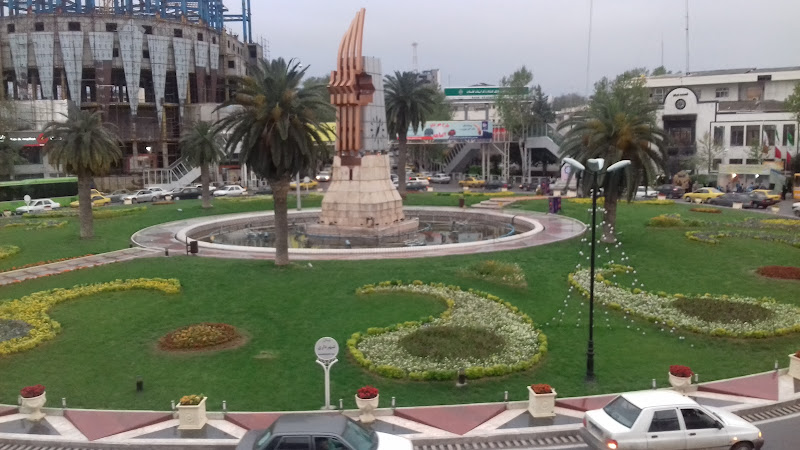
Gorgan
About Gorgan
Gorgan, the capital of Golestan Province in northern Iran, is one of those cities that quietly surprises you. It’s not the kind of place that screams for attention, yet it has a way of staying in your memory long after you’ve left. About 400 kilometers northeast of Tehran and just 30 kilometers from the Caspian Sea, it’s perfectly placed between lush forests and the rolling Alborz Mountains. This city has a calm, almost poetic rhythm to it — a blend of gentle nature, deep history, and everyday Iranian life that feels authentic and unfiltered.
The first thing that strikes most travelers is the greenery. Gorgan is surrounded by some of Iran’s most beautiful natural landscapes — thick forests, misty hills, and winding roads that seem to vanish into the trees. The Nahar Khoran Forest Park is the city’s pride, and honestly, it deserves every bit of that reputation. I remember walking there early one morning, the air cool and damp, the smell of pine so strong it almost felt like a forest perfume. Locals were out for their morning strolls, greeting each other with warm smiles. It’s those small moments that make Gorgan feel so real.
But Gorgan isn’t just about nature. There’s a deep sense of history here too. The ancient walls of the Gorgan Rampart — sometimes called the “Red Snake” — stretch for nearly 200 kilometers and date back to the Sassanian era. Standing there, you can almost imagine the soldiers who once guarded the empire’s northern frontier. Within the city, old mosques, bazaars, and traditional homes tell stories of centuries of trade, migration, and cultural exchange. And yes, the food — oh, the food! From hearty stews to local rice dishes flavored with herbs and fish from the Caspian, the cuisine here feels both comforting and adventurous.
What I love most about Gorgan is that it hasn’t been overly polished for tourism. You still see kids playing in the streets, shopkeepers chatting with passersby, and families picnicking in the parks. It’s a city that invites you to slow down, breathe, and just be part of its rhythm for a while.
Key Features
- Nahar Khoran Forest Park: A lush, green escape just outside the city, perfect for hiking, picnicking, or simply soaking in nature’s calm.
- Alangdareh Forest Park: Known for its fresh air and scenic trails, it’s a favorite among locals and photographers alike.
- Hezarpich Hill: Often called the “Roof of Gorgan,” it offers sweeping views of the city and surrounding landscapes — especially stunning at sunset.
- Gorgan Rampart (Red Snake): A UNESCO-listed archaeological wonder stretching for miles, showcasing Iran’s ancient defensive architecture.
- Ziarat Village: A charming mountain village with traditional wooden houses, natural springs, and a peaceful atmosphere.
- Local Cuisine: Gorgan’s food scene is rich in northern Iranian flavors — think fragrant rice, fresh herbs, and delicious Caspian fish dishes.
- Cultural Heritage: A mix of Persian, Turkmen, and Mazandarani influences reflected in local art, music, and traditions.
Best Time to Visit
If you ask me, Gorgan is one of those places that changes personality with the seasons — and that’s part of its charm. Spring (March to May) is hands down the best time to visit. The forests explode with color, the air smells fresh, and the weather is just right for outdoor adventures. Summer can get humid, especially in July and August, but if you don’t mind a bit of heat, you’ll find fewer crowds and plenty of shade in the forests.
Autumn, though, might be my personal favorite. The forests turn golden and red, and the light has this warm, cinematic glow that makes every photo look like a painting. Winter can be chilly, especially up in the hills, but it’s also peaceful — fewer tourists, misty mornings, and that cozy feeling of sipping hot tea while watching the fog roll in.
So, in short: come in spring if you love bloom and life, autumn if you’re after beauty and stillness, and winter if you crave solitude and quiet charm.
How to Get There
Getting to Gorgan is fairly straightforward. From Tehran, you can take a direct flight to Gorgan Airport — it’s about an hour in the air, and the views of the Alborz Mountains from above are breathtaking. If you prefer road trips (and I usually do), the drive from Tehran takes around five to six hours, depending on traffic and how often you stop for tea breaks — and yes, you should definitely stop for tea breaks. The route passes through scenic countryside and small towns, giving you a glimpse of everyday life in northern Iran.
There’s also a train option, which many travelers love for its comfort and scenery. The Tehran–Gorgan railway snakes through mountains and valleys, offering a slower but more immersive journey. Once you’re in Gorgan, taxis and local buses are easy to find, but honestly, walking around the city center is the best way to soak up its atmosphere.
Tips for Visiting
Here’s the thing about Gorgan — it rewards curiosity. The more you wander, the more it reveals. Still, a few tips can make your trip smoother and more enjoyable:
- Bring layers: The weather can shift quickly, especially if you’re heading into the forests or up the hills. Mornings might be cool, afternoons warm, and evenings chilly.
- Learn a few Persian phrases: While many young locals speak some English, even a simple “salam” (hello) or “merci” (thank you) goes a long way in making connections.
- Try the local food: Don’t just stick to what you know. Ask locals for recommendations — you might end up discovering a hidden gem of a restaurant serving the best “kateh” rice you’ve ever had.
- Respect local customs: Gorgan is a traditional city, so modest dress and polite behavior are appreciated. It’s all about blending in and showing respect.
- Take your time: This isn’t a city to rush through. Spend a few days here. Visit the forests, chat with locals in the bazaar, and maybe even join a family picnic if you’re invited (it happens more often than you’d think).
- Explore beyond the city: The surrounding region is packed with hidden gems — from the Caspian coastline to small mountain villages. Rent a car or hire a driver for a day trip or two.
And one last thing — don’t come expecting flashy attractions or modern tourist infrastructure. Come for the authenticity, the friendliness of the people, and the simple beauty of nature and history coexisting side by side. Gorgan isn’t trying to impress anyone, and that’s exactly what makes it so special. It’s the kind of place that quietly gets under your skin — and before you know it, you’re already planning your next visit.
You Might Also Like

Gorgan Tower

Mirdamad Institute of Higher Education

Molaghati Square
Tours & Activities
GetYourGuide provides this tour inventory. We may earn a commission if you book through it; verify current availability, prices, and terms with the provider.
Visitor Reviews
There are no reviews yet. Be the first one to write one.
Share Your Experience
Have you visited Gorgan? Help other travelers by leaving a review.