
Ginintuang Kasaysayan ng Lungsod ng Bacoor
About Ginintuang Kasaysayan ng Lungsod ng Bacoor
Description
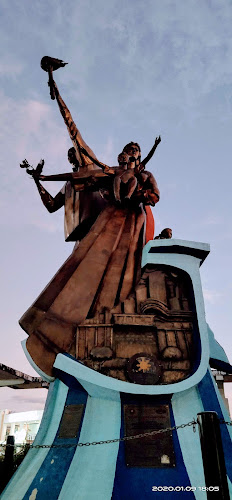
The Ginintuang Kasaysayan ng Lungsod ng Bacoor, also known as the Golden History Monument, is one of those places that quietly takes your breath away. It’s not loud or flashy, but it has that kind of presence that makes you stop for a second, tilt your head, and just take it all in. Created by the late National Artist Eduardo S. Castrillo, this massive sculpture mural stands proudly at the Bacoor Government Center, telling the story of Bacoor’s journey from a humble fishing village to a thriving modern city. And honestly, the craftsmanship is nothing short of incredible. You can almost feel the stories carved into every curve and figure — stories of courage, transformation, and resilience.
If you’ve ever been to historical monuments that feel more like photo ops than cultural experiences, this one’s different. There’s something deeply personal about it, especially if you’ve got roots in Cavite. The bronze figures seem alive, frozen mid-motion, as if they’re whispering the city’s past right into your ear. It’s not just art — it’s Bacoor’s soul cast in metal. And while it’s a great spot for photos, it’s also a place that makes you think. You don’t have to be a history buff to appreciate it; you just have to be someone who loves stories — the kind that remind you where you came from.
Families, students, and even casual travelers often stop here before heading to the nearby government offices or events. It’s open to everyone, and yes, kids actually enjoy it too (which, let’s be real, is rare for historical landmarks). The monument’s scale and detail tend to spark curiosity — you’ll see children pointing at the different figures while their parents explain bits of history. It’s a subtle yet powerful way to connect generations through art and memory.
Key Features
- Masterful Sculpture by Eduardo Castrillo: The monument is a signature work of the renowned Filipino sculptor known for his dynamic, larger-than-life creations that celebrate national identity.
- Depicts Bacoor’s Historical Evolution: From its Spanish colonial roots to its role in the Philippine revolution and its rise as a modern city, each panel tells a piece of the city’s timeline.
- Photogenic Landmark: The golden hue of the sculpture catches sunlight beautifully, making it a favorite backdrop for photos — especially during late afternoon when the light gets that warm, honey glow.
- Accessible Public Space: Located near the Bacoor Government Center, it’s easy to visit even if you’re just passing through the city.
- Educational Value: Perfect for school trips or families wanting to teach kids about local history in a visually engaging way.
- Symbol of Civic Pride: The monument stands as a reminder of Bacoor’s contributions to the nation’s history and its ongoing growth as a progressive city.
What I personally love about it is how it manages to blend art, history, and emotion without feeling too formal or stiff. You can walk around it, take your time, and discover new details with every glance. The textures, the expressions, the way the figures seem to move — it all feels alive. You might even catch yourself wondering what it must’ve been like to live in those moments it portrays.
Best Time to Visit
Honestly, there’s no bad time to drop by, but if you want the best experience, aim for late afternoon. Around 4:30 to 5:30 PM, the sunlight hits the sculpture just right, casting golden reflections that make the entire monument glow — almost like it’s living up to its name. It’s also cooler by then, so you can linger without melting under the Cavite sun. If you’re into photography, this is your golden hour (pun intended). Morning visits are also nice if you prefer a quieter atmosphere, especially on weekdays when the area is less crowded.
During local celebrations or city anniversaries, the area can get pretty lively. There are sometimes cultural performances or exhibits nearby, which add a bit of festive energy. But if you prefer a more reflective visit, weekdays are your best bet. And if it rains? Don’t worry — the monument still looks majestic under a drizzle, especially when the wet bronze deepens in color. Just bring an umbrella and maybe a bit of patience for the weather.
How to Get There
Getting to the Ginintuang Kasaysayan ng Lungsod ng Bacoor is straightforward. If you’re coming from Manila, you can take a bus or van bound for Bacoor or Dasmariñas and get off near the Bacoor Government Center. From there, it’s just a short walk. Jeepneys and tricycles also pass by the area regularly, so transportation isn’t an issue. For those driving, there’s parking available nearby — just be prepared for some traffic during peak hours (Cavite life, you know how it is).
For travelers coming from other parts of Cavite, the most convenient route is via Bacoor Boulevard or Molino Boulevard, depending on where you’re starting from. Both roads lead you close to the government complex where the monument stands. If you’re using a navigation app, just type in “Ginintuang Kasaysayan ng Lungsod ng Bacoor,” and it’ll guide you right there. It’s one of those landmarks that locals instantly recognize, so if all else fails, just ask around — Caviteños are friendly folks and will gladly point you in the right direction.
Tips for Visiting
Here’s the thing — visiting a monument like this isn’t just about snapping a photo and leaving. It’s about taking a few moments to actually feel the place. So here are some tips from someone who’s been there more than once and still finds something new every time:
- Come during daylight hours. The monument is outdoors, and while it’s safe and well-lit, the details are best appreciated under natural light.
- Bring water and wear comfortable shoes. You’ll likely be walking around the government complex, which has other interesting spots to check out.
- Take your time. Don’t rush through it. Walk around the sculpture, look closely at the faces and gestures — they tell stories that words can’t fully capture.
- Visit with kids or students. It’s an easy, interactive way to teach them about Bacoor’s role in Philippine history without making it feel like a classroom lecture.
- Respect the site. It’s a public artwork and a historical symbol, so avoid climbing or leaning on the sculptures (you’d be surprised how many people try).
- Pair your visit with local eats. After exploring, grab a merienda nearby — Bacoor is known for its pancit and seafood dishes. Trust me, it’s worth it.
And here’s a little personal note — the first time I visited, I didn’t expect much. I thought it’d be just another city monument. But standing there, surrounded by the golden figures and the hum of city life in the background, I felt this quiet pride. It’s like the city was saying, “Hey, look how far we’ve come.” Whether you’re a local or a first-time visitor, that feeling sticks with you. It’s not something you can capture in a photo — you just have to be there.
So if you’re planning a trip to Cavite, make sure to include the Ginintuang Kasaysayan ng Lungsod ng Bacoor in your itinerary. It’s a quick stop, but one that leaves a lasting impression. History, art, and community all come together here — and that’s what makes it truly special. Plus, it’s free, it’s meaningful, and it’s a reminder that every city has its own golden story to tell. You just have to take the time to listen.
Key Features
- Key Features
- Best Time to Visit
- How to Get There
- Tips for Visiting
More Details
Updated November 7, 2025
Table of Contents
- Description
- Key Features
- Best Time to Visit
- How to Get There
- Tips for Visiting
- Key Highlights
- Location
- Places to Stay Near Ginintuang Kasaysayan ng Lungsod ng Bacoor
- Find and Book a Tour
- Explore More Travel Guides
- Nearby Places You Might Like
- Traveler Reviews for Ginintuang Kasaysayan ng Lungsod ng Bacoor
- Share Your Experience
Description
The Ginintuang Kasaysayan ng Lungsod ng Bacoor, also known as the Golden History Monument, is one of those places that quietly takes your breath away. It’s not loud or flashy, but it has that kind of presence that makes you stop for a second, tilt your head, and just take it all in. Created by the late National Artist Eduardo S. Castrillo, this massive sculpture mural stands proudly at the Bacoor Government Center, telling the story of Bacoor’s journey from a humble fishing village to a thriving modern city. And honestly, the craftsmanship is nothing short of incredible. You can almost feel the stories carved into every curve and figure — stories of courage, transformation, and resilience.
If you’ve ever been to historical monuments that feel more like photo ops than cultural experiences, this one’s different. There’s something deeply personal about it, especially if you’ve got roots in Cavite. The bronze figures seem alive, frozen mid-motion, as if they’re whispering the city’s past right into your ear. It’s not just art — it’s Bacoor’s soul cast in metal. And while it’s a great spot for photos, it’s also a place that makes you think. You don’t have to be a history buff to appreciate it; you just have to be someone who loves stories — the kind that remind you where you came from.
Families, students, and even casual travelers often stop here before heading to the nearby government offices or events. It’s open to everyone, and yes, kids actually enjoy it too (which, let’s be real, is rare for historical landmarks). The monument’s scale and detail tend to spark curiosity — you’ll see children pointing at the different figures while their parents explain bits of history. It’s a subtle yet powerful way to connect generations through art and memory.
Key Features
- Masterful Sculpture by Eduardo Castrillo: The monument is a signature work of the renowned Filipino sculptor known for his dynamic, larger-than-life creations that celebrate national identity.
- Depicts Bacoor’s Historical Evolution: From its Spanish colonial roots to its role in the Philippine revolution and its rise as a modern city, each panel tells a piece of the city’s timeline.
- Photogenic Landmark: The golden hue of the sculpture catches sunlight beautifully, making it a favorite backdrop for photos — especially during late afternoon when the light gets that warm, honey glow.
- Accessible Public Space: Located near the Bacoor Government Center, it’s easy to visit even if you’re just passing through the city.
- Educational Value: Perfect for school trips or families wanting to teach kids about local history in a visually engaging way.
- Symbol of Civic Pride: The monument stands as a reminder of Bacoor’s contributions to the nation’s history and its ongoing growth as a progressive city.
What I personally love about it is how it manages to blend art, history, and emotion without feeling too formal or stiff. You can walk around it, take your time, and discover new details with every glance. The textures, the expressions, the way the figures seem to move — it all feels alive. You might even catch yourself wondering what it must’ve been like to live in those moments it portrays.
Best Time to Visit
Honestly, there’s no bad time to drop by, but if you want the best experience, aim for late afternoon. Around 4:30 to 5:30 PM, the sunlight hits the sculpture just right, casting golden reflections that make the entire monument glow — almost like it’s living up to its name. It’s also cooler by then, so you can linger without melting under the Cavite sun. If you’re into photography, this is your golden hour (pun intended). Morning visits are also nice if you prefer a quieter atmosphere, especially on weekdays when the area is less crowded.
During local celebrations or city anniversaries, the area can get pretty lively. There are sometimes cultural performances or exhibits nearby, which add a bit of festive energy. But if you prefer a more reflective visit, weekdays are your best bet. And if it rains? Don’t worry — the monument still looks majestic under a drizzle, especially when the wet bronze deepens in color. Just bring an umbrella and maybe a bit of patience for the weather.
How to Get There
Getting to the Ginintuang Kasaysayan ng Lungsod ng Bacoor is straightforward. If you’re coming from Manila, you can take a bus or van bound for Bacoor or Dasmariñas and get off near the Bacoor Government Center. From there, it’s just a short walk. Jeepneys and tricycles also pass by the area regularly, so transportation isn’t an issue. For those driving, there’s parking available nearby — just be prepared for some traffic during peak hours (Cavite life, you know how it is).
For travelers coming from other parts of Cavite, the most convenient route is via Bacoor Boulevard or Molino Boulevard, depending on where you’re starting from. Both roads lead you close to the government complex where the monument stands. If you’re using a navigation app, just type in “Ginintuang Kasaysayan ng Lungsod ng Bacoor,” and it’ll guide you right there. It’s one of those landmarks that locals instantly recognize, so if all else fails, just ask around — Caviteños are friendly folks and will gladly point you in the right direction.
Tips for Visiting
Here’s the thing — visiting a monument like this isn’t just about snapping a photo and leaving. It’s about taking a few moments to actually feel the place. So here are some tips from someone who’s been there more than once and still finds something new every time:
- Come during daylight hours. The monument is outdoors, and while it’s safe and well-lit, the details are best appreciated under natural light.
- Bring water and wear comfortable shoes. You’ll likely be walking around the government complex, which has other interesting spots to check out.
- Take your time. Don’t rush through it. Walk around the sculpture, look closely at the faces and gestures — they tell stories that words can’t fully capture.
- Visit with kids or students. It’s an easy, interactive way to teach them about Bacoor’s role in Philippine history without making it feel like a classroom lecture.
- Respect the site. It’s a public artwork and a historical symbol, so avoid climbing or leaning on the sculptures (you’d be surprised how many people try).
- Pair your visit with local eats. After exploring, grab a merienda nearby — Bacoor is known for its pancit and seafood dishes. Trust me, it’s worth it.
And here’s a little personal note — the first time I visited, I didn’t expect much. I thought it’d be just another city monument. But standing there, surrounded by the golden figures and the hum of city life in the background, I felt this quiet pride. It’s like the city was saying, “Hey, look how far we’ve come.” Whether you’re a local or a first-time visitor, that feeling sticks with you. It’s not something you can capture in a photo — you just have to be there.
So if you’re planning a trip to Cavite, make sure to include the Ginintuang Kasaysayan ng Lungsod ng Bacoor in your itinerary. It’s a quick stop, but one that leaves a lasting impression. History, art, and community all come together here — and that’s what makes it truly special. Plus, it’s free, it’s meaningful, and it’s a reminder that every city has its own golden story to tell. You just have to take the time to listen.
Key Highlights
- Key Features
- Best Time to Visit
- How to Get There
- Tips for Visiting
Location
Places to Stay Near Ginintuang Kasaysayan ng Lungsod ng Bacoor
Find and Book a Tour
Explore More Travel Guides
No reviews found! Be the first to review!
Traveler Reviews for Ginintuang Kasaysayan ng Lungsod ng Bacoor
There are no reviews yet. Be the first one to write one.
Have you visited Ginintuang Kasaysayan ng Lungsod ng Bacoor? Help other travelers by sharing your review.
You Might Also Like
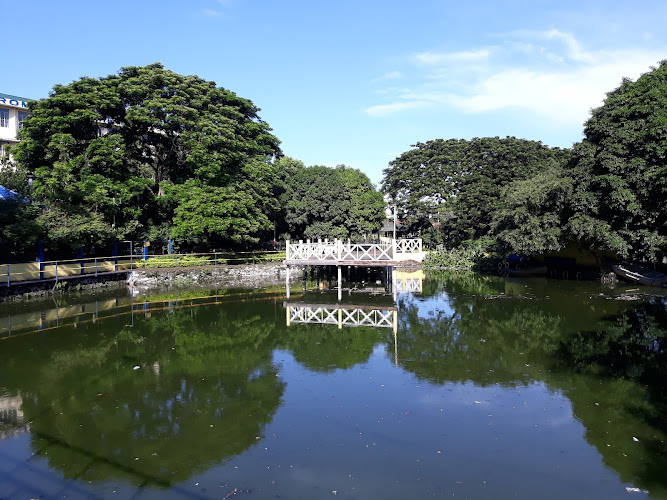
Bacoor Eco Park
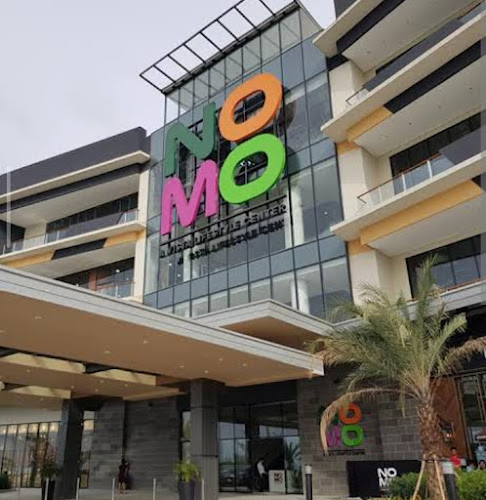
NOMO - A Vista Lifestyle Center
Nojuas Ark
Find Accommodations Nearby
Recommended Tours & Activities
Visitor Reviews
There are no reviews yet. Be the first one to write one.
Share Your Experience
Have you visited Ginintuang Kasaysayan ng Lungsod ng Bacoor? Help other travelers by leaving a review.