Guided Sightseeing Tours & Activities in Bandung City
- Browse sightseeing excursions and activities in Bandung City
- Check live availability, rates & traveler reviews on Viator
- Secure online booking with flexible options
Jl. Braga No.40, Braga, Kec. Sumur Bandung, Kota Bandung, Jawa Barat 40111, Indonesia

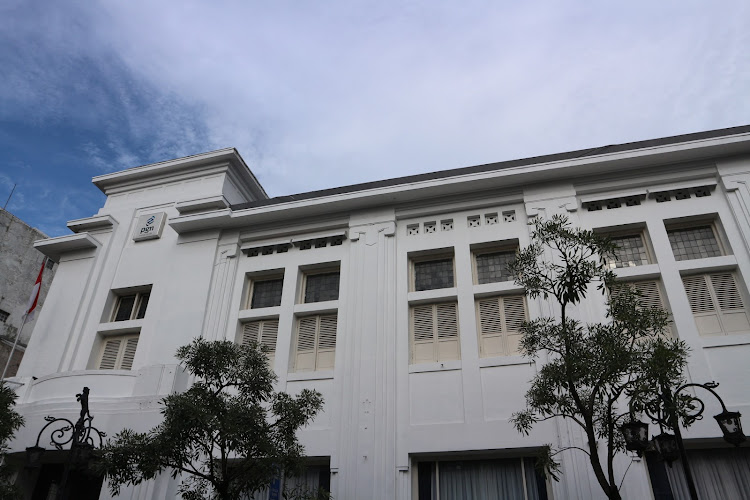
Tucked along the historic Braga Street in Bandung, Gedung Gas Negara is a quietly elegant relic of the city’s colonial-era urban fabric. Built in the early 20th century as the administrative and marketing office for the city gas utility, the two-storey white neoclassical building features tall columns, large shuttered windows and an air of mellow dignity that contrasts with the bustle of modern Braga. Its layered history — from industrial utility hub to adaptive reuse for exhibitions and events — makes it a tangible window into Bandung’s transformation from a colonial hill station to a creative, cultural metropolis. Visitors come here for more than architecture: the building’s proportions, detailing and setting among cafes and galleries create an atmospheric stop for photographers, history buffs and anyone exploring Braga’s walkable streets. A short visit offers insight into local heritage and makes a pleasant pause between nearby museums, eateries and shopping. Spend time studying its façade, soaking up the surrounding street life, and combining the visit with nearby cultural sites to get the most from your trip.
Gedung Gas Negara stands as one of Jakarta’s most intriguing architectural remnants from the colonial era, and honestly, it’s the kind of place that sneaks up on you. I remember walking past similar buildings during my travels through Southeast Asia and completely missing their significance until someone pointed out their stories. This particular structure served as the headquarters for the city’s gas supply company during Dutch colonial times, which sounds mundane until you realize how essential gas lighting was for transforming Jakarta into a modern metropolis back in the early 20th century.
The building itself represents that fascinating period when European powers were reshaping Asian cities according to their own visions of progress and modernity. What makes Gedung Gas Negara particularly special is how it’s managed to survive Jakarta’s relentless modernization – and trust me, that’s no small feat in a city where old buildings get demolished faster than you can say “heritage preservation.” The architecture tells a complete story about Dutch colonial ambitions, featuring that distinctive Indies style that blended European sensibilities with tropical practicality.
These days, the building serves multiple purposes including hosting exhibitions and cultural events. It’s become somewhat of a cultural hub where history meets contemporary Indonesian creativity, which creates this really interesting dialogue between past and present. The structure has been carefully preserved to maintain its historical integrity while accommodating modern uses, making it relevant for today’s visitors rather than just being another dusty monument that nobody really connects with.
The Gedung Gas Negara offers visitors several distinctive characteristics that make it worth adding to your Jakarta itinerary:
• Colonial-era architecture showcasing the Indies style that perfectly adapted European design principles to Indonesia’s tropical climate through high ceilings, large windows, and strategic ventilation systems
• Original structural elements and period details that have been maintained throughout various restoration efforts, giving you an authentic glimpse into early 20th-century construction techniques
• Exhibition spaces that regularly rotate displays featuring Indonesian art, historical photographs, cultural artifacts, and thematic presentations about Jakarta’s urban development
• The building’s historical significance as the nerve center for Jakarta’s gas distribution network, representing a crucial chapter in the city’s infrastructure evolution
• Photographic opportunities abound thanks to the striking facade, period architectural details, and the contrast between the heritage structure and surrounding modern developments
• Educational value for those interested in colonial history, urban planning, or architectural preservation, with informal information available about the building’s transformation over decades
• A relatively peaceful atmosphere compared to Jakarta’s more crowded tourist attractions, allowing for contemplative exploration without fighting through massive crowds
• The building’s adaptive reuse model demonstrates successful heritage conservation, showing how historical structures can remain functional and meaningful in contemporary urban contexts
• Accessibility for casual visitors who might not consider themselves history buffs but appreciate unique buildings and interesting stories about places they visit
Timing your visit to Gedung Gas Negara requires some strategic thinking, and I’ll be straight with you – Jakarta’s weather doesn’t really cooperate year-round. The dry season running from May through September generally offers the most comfortable conditions for exploring outdoor areas around the building and walking through the surrounding neighborhood without getting drenched. But honestly, Jakarta’s heat can be pretty relentless regardless of when you visit, so don’t expect perfect weather even during supposedly ideal months.
Weekday mornings between 9 AM and 11 AM tend to provide the best visiting experience. You’ll encounter fewer crowds, the morning light creates beautiful conditions for photography, and the temperature hasn’t yet reached that oppressive midday intensity that makes you question all your life choices. Plus, if you’re jet-lagged anyway (which most international visitors are), you might as well put that early wake-up time to good use.
If you’re specifically interested in exhibitions, check what’s currently showing before planning your visit. The building hosts various cultural events throughout the year, and timing your trip to coincide with an interesting exhibition can significantly enhance the experience. Some exhibitions draw larger crowds than others, so this could work for or against you depending on whether you prefer bustling cultural energy or quiet contemplation.
Avoid visiting during major Indonesian holidays like Lebaran (Eid al-Fitr) or the weeks surrounding Christmas and New Year’s when domestic tourism peaks and Jakarta becomes even more congested than usual. And weekends can get surprisingly busy with local families and photography enthusiasts who’ve discovered this spot as an excellent backdrop for portraits and pre-wedding photos – which is kind’ve charming but can interfere with your own exploration.
The rainy season from October through April brings afternoon downpours that can disrupt outdoor activities, though the building itself provides shelter. Actually, there’s something atmospheric about experiencing the building during a tropical storm, watching the rain from those colonial-era windows while imagining what life was like when this structure was newly built.
Navigating Jakarta’s transportation landscape can feel overwhelming, but getting to Gedung Gas Negara is actually more straightforward than reaching many other attractions in this sprawling city. The building’s central location makes it accessible through various transportation methods, though each comes with its own quirks.
TransJakarta, the city’s bus rapid transit system, offers the most economical approach for budget-conscious travelers. Several corridors service the general area, and the air-conditioned buses provide respite from Jakarta’s heat while you navigate the city. The system can feel confusing initially with its multiple corridors and transfer points, but smartphone apps make route planning considerably easier than trying to decipher paper maps or asking for directions in broken Indonesian.
Ride-hailing services like Grab and Gojek have revolutionized getting around Jakarta, and they’re honestly your best bet for convenience and reliability. The drivers generally know the city well, the pricing is transparent and reasonable, and you can avoid the stress of negotiating fares or explaining destinations. Just make sure you have the exact location marked on your app because “Gedung Gas Negara” might not be immediately recognizable to all drivers – screenshot the map or have the address ready.
Traditional taxis work too, though you’ll want to stick with reputable companies like Blue Bird to avoid scams or unnecessarily circuitous routes that inflate fares. Make sure the driver uses the meter, and having your destination written in Indonesian helps prevent miscommunication.
For the adventurous souls who enjoy walking, the building’s location in central Jakarta means it’s potentially accessible on foot if you’re staying nearby and don’t mind tropical heat and somewhat unpredictable sidewalk conditions. Jakarta isn’t exactly a pedestrian paradise, but the experience of walking through the neighborhood provides street-level perspectives you’ll completely miss from vehicle windows.
Driving yourself isn’t recommended unless you’re genuinely comfortable with chaotic traffic patterns and aggressive driving styles. Jakarta’s traffic situation is legendary for good reason, and foreign drivers often find themselves overwhelmed by the constant lane-changing, motorcycle swarms, and general disorder that somehow functions as a transportation system.
Making the most of your Gedung Gas Negara experience requires some insider knowledge that guidebooks don’t always share. First off, dress appropriately for Jakarta’s climate but respectfully for a cultural site – lightweight, breathable fabrics that cover shoulders and knees strike the right balance between comfort and cultural sensitivity. Bring a hat and sunscreen if you plan to explore the exterior and surrounding areas during midday hours.
Photography policies can vary depending on current exhibitions, so check before starting your photoshoot. Generally, exterior photography is welcomed, but some special exhibitions might restrict camera use. And honestly, sometimes putting the camera away and just experiencing the space creates more meaningful memories than documenting every angle for social media.
Bring Indonesian Rupiah in small denominations because not all facilities accept cards, and having exact change prevents awkward situations. ATMs are available throughout central Jakarta, but visiting one before arriving saves time and hassle.
Your smartphone becomes an invaluable tool here – download offline maps before visiting since internet connectivity can be spotty despite being in Indonesia’s capital. Translation apps help if you don’t speak Indonesian, though many younger Jakartans speak serviceable English.
Plan to spend anywhere from 45 minutes to two hours depending on your interest level and current exhibitions. This isn’t an all-day destination, which actually works well for combining with other nearby attractions into a full day of exploration.
Stay hydrated because Jakarta’s heat and humidity are no joke. Bring water or purchase drinks from nearby vendors, and don’t hesitate to take breaks in shaded areas. Heat exhaustion sneaks up faster than you’d expect.
Engage with staff if possible – many are knowledgeable about the building’s history and genuinely enthusiastic about sharing stories with interested visitors. These informal conversations often provide insights you won’t find in official descriptions or plaques.
Be flexible with your expectations. This isn’t a polished, internationally-funded museum with state-of-the-art interactive displays. It’s a historical building that’s been adapted for cultural use, and part of its charm lies in that somewhat rough-around-the-edges authenticity. Sometimes exhibitions are basic, information is limited, or facilities aren’t perfect – but that’s part of experiencing real Jakarta rather than some sanitized tourist version.
Consider visiting as part of a broader exploration of Jakarta’s colonial architecture. The city contains numerous heritage buildings within reasonable distance, and creating your own architectural walking tour maximizes your time while providing context for understanding how Gedung Gas Negara fits into Jakarta’s larger urban story.

Last modified March 30, 2026
Gedung Gas Negara stands as one of Jakarta’s most intriguing architectural remnants from the colonial era, and honestly, it’s the kind of place that sneaks up on you. I remember walking past similar buildings during my travels through Southeast Asia and completely missing their significance until someone pointed out their stories. This particular structure served as the headquarters for the city’s gas supply company during Dutch colonial times, which sounds mundane until you realize how essential gas lighting was for transforming Jakarta into a modern metropolis back in the early 20th century.
The building itself represents that fascinating period when European powers were reshaping Asian cities according to their own visions of progress and modernity. What makes Gedung Gas Negara particularly special is how it’s managed to survive Jakarta’s relentless modernization – and trust me, that’s no small feat in a city where old buildings get demolished faster than you can say “heritage preservation.” The architecture tells a complete story about Dutch colonial ambitions, featuring that distinctive Indies style that blended European sensibilities with tropical practicality.
These days, the building serves multiple purposes including hosting exhibitions and cultural events. It’s become somewhat of a cultural hub where history meets contemporary Indonesian creativity, which creates this really interesting dialogue between past and present. The structure has been carefully preserved to maintain its historical integrity while accommodating modern uses, making it relevant for today’s visitors rather than just being another dusty monument that nobody really connects with.
The Gedung Gas Negara offers visitors several distinctive characteristics that make it worth adding to your Jakarta itinerary:
• Colonial-era architecture showcasing the Indies style that perfectly adapted European design principles to Indonesia’s tropical climate through high ceilings, large windows, and strategic ventilation systems
• Original structural elements and period details that have been maintained throughout various restoration efforts, giving you an authentic glimpse into early 20th-century construction techniques
• Exhibition spaces that regularly rotate displays featuring Indonesian art, historical photographs, cultural artifacts, and thematic presentations about Jakarta’s urban development
• The building’s historical significance as the nerve center for Jakarta’s gas distribution network, representing a crucial chapter in the city’s infrastructure evolution
• Photographic opportunities abound thanks to the striking facade, period architectural details, and the contrast between the heritage structure and surrounding modern developments
• Educational value for those interested in colonial history, urban planning, or architectural preservation, with informal information available about the building’s transformation over decades
• A relatively peaceful atmosphere compared to Jakarta’s more crowded tourist attractions, allowing for contemplative exploration without fighting through massive crowds
• The building’s adaptive reuse model demonstrates successful heritage conservation, showing how historical structures can remain functional and meaningful in contemporary urban contexts
• Accessibility for casual visitors who might not consider themselves history buffs but appreciate unique buildings and interesting stories about places they visit
Timing your visit to Gedung Gas Negara requires some strategic thinking, and I’ll be straight with you – Jakarta’s weather doesn’t really cooperate year-round. The dry season running from May through September generally offers the most comfortable conditions for exploring outdoor areas around the building and walking through the surrounding neighborhood without getting drenched. But honestly, Jakarta’s heat can be pretty relentless regardless of when you visit, so don’t expect perfect weather even during supposedly ideal months.
Weekday mornings between 9 AM and 11 AM tend to provide the best visiting experience. You’ll encounter fewer crowds, the morning light creates beautiful conditions for photography, and the temperature hasn’t yet reached that oppressive midday intensity that makes you question all your life choices. Plus, if you’re jet-lagged anyway (which most international visitors are), you might as well put that early wake-up time to good use.
If you’re specifically interested in exhibitions, check what’s currently showing before planning your visit. The building hosts various cultural events throughout the year, and timing your trip to coincide with an interesting exhibition can significantly enhance the experience. Some exhibitions draw larger crowds than others, so this could work for or against you depending on whether you prefer bustling cultural energy or quiet contemplation.
Avoid visiting during major Indonesian holidays like Lebaran (Eid al-Fitr) or the weeks surrounding Christmas and New Year’s when domestic tourism peaks and Jakarta becomes even more congested than usual. And weekends can get surprisingly busy with local families and photography enthusiasts who’ve discovered this spot as an excellent backdrop for portraits and pre-wedding photos – which is kind’ve charming but can interfere with your own exploration.
The rainy season from October through April brings afternoon downpours that can disrupt outdoor activities, though the building itself provides shelter. Actually, there’s something atmospheric about experiencing the building during a tropical storm, watching the rain from those colonial-era windows while imagining what life was like when this structure was newly built.
Navigating Jakarta’s transportation landscape can feel overwhelming, but getting to Gedung Gas Negara is actually more straightforward than reaching many other attractions in this sprawling city. The building’s central location makes it accessible through various transportation methods, though each comes with its own quirks.
TransJakarta, the city’s bus rapid transit system, offers the most economical approach for budget-conscious travelers. Several corridors service the general area, and the air-conditioned buses provide respite from Jakarta’s heat while you navigate the city. The system can feel confusing initially with its multiple corridors and transfer points, but smartphone apps make route planning considerably easier than trying to decipher paper maps or asking for directions in broken Indonesian.
Ride-hailing services like Grab and Gojek have revolutionized getting around Jakarta, and they’re honestly your best bet for convenience and reliability. The drivers generally know the city well, the pricing is transparent and reasonable, and you can avoid the stress of negotiating fares or explaining destinations. Just make sure you have the exact location marked on your app because “Gedung Gas Negara” might not be immediately recognizable to all drivers – screenshot the map or have the address ready.
Traditional taxis work too, though you’ll want to stick with reputable companies like Blue Bird to avoid scams or unnecessarily circuitous routes that inflate fares. Make sure the driver uses the meter, and having your destination written in Indonesian helps prevent miscommunication.
For the adventurous souls who enjoy walking, the building’s location in central Jakarta means it’s potentially accessible on foot if you’re staying nearby and don’t mind tropical heat and somewhat unpredictable sidewalk conditions. Jakarta isn’t exactly a pedestrian paradise, but the experience of walking through the neighborhood provides street-level perspectives you’ll completely miss from vehicle windows.
Driving yourself isn’t recommended unless you’re genuinely comfortable with chaotic traffic patterns and aggressive driving styles. Jakarta’s traffic situation is legendary for good reason, and foreign drivers often find themselves overwhelmed by the constant lane-changing, motorcycle swarms, and general disorder that somehow functions as a transportation system.
Making the most of your Gedung Gas Negara experience requires some insider knowledge that guidebooks don’t always share. First off, dress appropriately for Jakarta’s climate but respectfully for a cultural site – lightweight, breathable fabrics that cover shoulders and knees strike the right balance between comfort and cultural sensitivity. Bring a hat and sunscreen if you plan to explore the exterior and surrounding areas during midday hours.
Photography policies can vary depending on current exhibitions, so check before starting your photoshoot. Generally, exterior photography is welcomed, but some special exhibitions might restrict camera use. And honestly, sometimes putting the camera away and just experiencing the space creates more meaningful memories than documenting every angle for social media.
Bring Indonesian Rupiah in small denominations because not all facilities accept cards, and having exact change prevents awkward situations. ATMs are available throughout central Jakarta, but visiting one before arriving saves time and hassle.
Your smartphone becomes an invaluable tool here – download offline maps before visiting since internet connectivity can be spotty despite being in Indonesia’s capital. Translation apps help if you don’t speak Indonesian, though many younger Jakartans speak serviceable English.
Plan to spend anywhere from 45 minutes to two hours depending on your interest level and current exhibitions. This isn’t an all-day destination, which actually works well for combining with other nearby attractions into a full day of exploration.
Stay hydrated because Jakarta’s heat and humidity are no joke. Bring water or purchase drinks from nearby vendors, and don’t hesitate to take breaks in shaded areas. Heat exhaustion sneaks up faster than you’d expect.
Engage with staff if possible – many are knowledgeable about the building’s history and genuinely enthusiastic about sharing stories with interested visitors. These informal conversations often provide insights you won’t find in official descriptions or plaques.
Be flexible with your expectations. This isn’t a polished, internationally-funded museum with state-of-the-art interactive displays. It’s a historical building that’s been adapted for cultural use, and part of its charm lies in that somewhat rough-around-the-edges authenticity. Sometimes exhibitions are basic, information is limited, or facilities aren’t perfect – but that’s part of experiencing real Jakarta rather than some sanitized tourist version.
Consider visiting as part of a broader exploration of Jakarta’s colonial architecture. The city contains numerous heritage buildings within reasonable distance, and creating your own architectural walking tour maximizes your time while providing context for understanding how Gedung Gas Negara fits into Jakarta’s larger urban story.
No reviews found! Be the first to review!
Gedung Gas Negara is a prominent attractions located in Bandung City.
Visit us at: Jl. Braga No.40, Braga, Kec. Sumur Bandung, Kota Bandung, Jawa Barat 40111, Indonesia.
Explore verified points of interest within walking or short transit distance.
No neighboring places mapped within 5 km yet.
Stay22 provides this accommodation search. We may earn a commission if you book through it; verify current prices and terms with the provider.
GetYourGuide provides this tour inventory. We may earn a commission if you book through it; verify current availability, prices, and terms with the provider.
We may earn a commission if you book through links on this page at no extra cost to you. All tours feature verified customer reviews and flexible cancellation options.
No traveler reviews yet. Share your experience below!
No traveler questions yet. Be the first to ask a local!