
Gede Ruins
About Gede Ruins
Description
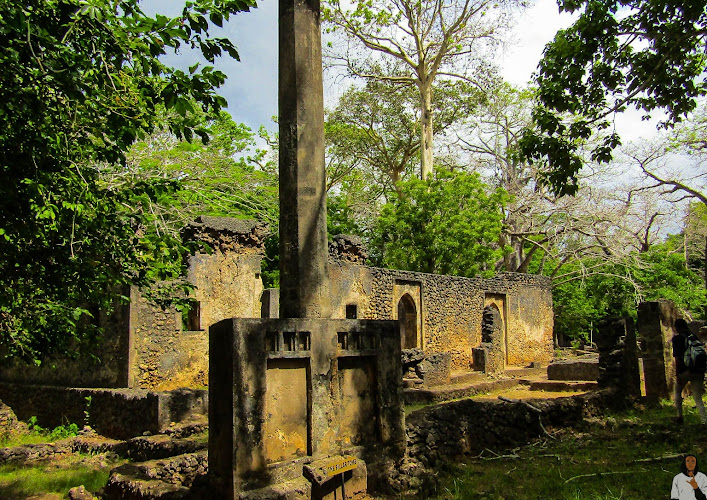
The Gede Ruins offer a fascinating glimpse into a mysterious Swahili town that thrived between the 12th and 17th centuries along Kenya’s coast. Walking through this archaeological site feels like stepping into a time capsule where ancient stone walls, coral-built houses, and intricate doorways whisper stories of a once-bustling trading hub. It’s not just about old stones here; it’s about imagining the lives that pulsed through this place centuries ago—merchants, families, and artisans who connected Africa to the wider Indian Ocean world.
What’s really cool about Gede is how the ruins are set within a lush, forested area that’s alive with monkeys and colorful birds. It’s almost like nature and history are holding hands. Unlike some archaeological sites that can feel a bit sterile or overly curated, Gede has this raw, untouched vibe. You can wander freely, poke around the crumbled walls, and feel the weight of history without a crowd breathing down your neck.
The site is quite accessible, too, with wheelchair-friendly entrances and restrooms, which is a huge plus if you’re traveling with someone who needs that. And if you’re bringing kids along, they’ll likely find the open spaces and curious ruins a great playground for their imagination—just keep an eye on them, as some areas can be uneven underfoot.
While there isn’t a restaurant on-site, the presence of restrooms makes it comfortable enough for a decent visit without rushing. The overall atmosphere invites a slow, reflective exploration rather than a quick photo stop. It’s a place that rewards curiosity and patience.
Key Features
- Extensive ruins of a Swahili town with coral stone architecture dating back to the 12th century
- Accessible pathways and facilities for wheelchair users
- Rich natural surroundings with indigenous forest and wildlife, including monkeys and exotic birds
- Open-air museum experience allowing self-guided exploration
- Family-friendly environment suitable for children
- Informative signage that provides historical context throughout the site
- Peaceful ambiance, perfect for photography and quiet reflection
- Close proximity to other cultural attractions in the coastal region
Best Time to Visit
Timing your visit to the Gede Ruins can make a big difference in how much you enjoy the experience. The best months tend to be during the dry seasons—typically from late June to October and then again from January to February. During these periods, the weather is more predictable, and the forest trails are less muddy, which makes wandering around the ruins much easier and more pleasant.
Visiting early in the morning or late in the afternoon is also a smart move. The light at these times is magic for photos, casting long shadows and highlighting the textures of the coral stone walls. Plus, you’ll dodge the midday heat when the sun can be relentless. If you’re like me, and you’re not a fan of sweating buckets while trying to soak up history, this little tip will save you a lot of discomfort.
But don’t worry too much if you can only come during the rainy season. The rains usually come in short bursts, and the lush greenery around the ruins looks even more vibrant after a shower. Just pack a good raincoat and some sturdy shoes, and you’re set.
How to Get There
Getting to the Gede Ruins is fairly straightforward if you’re already based along Kenya’s coast. The site is located about 20 kilometers north of Malindi, a popular coastal town that’s well connected by road. If you’re coming from Mombasa or Nairobi, you can either rent a car or take a local matatu (shared minibus), but be prepared for a bit of an adventure on the last stretch, as the roads can be bumpy.
If you’re driving yourself, follow the signs towards Malindi and then look out for the turnoff to Gede. The parking area is wheelchair accessible and usually has enough space even during busy times. For those relying on public transport, a matatu to Malindi followed by a tuk-tuk or taxi to the ruins is your best bet. Just be sure to agree on the fare before you hop in—Kenyan roadside negotiations can be a bit of a dance, but it’s all part of the experience.
Once at the site, there’s no need for a guide, but hiring one can really enrich your visit. The guides are usually locals with deep knowledge and plenty of stories that you won’t find in any guidebook. If you’re the type who likes to soak up history with some color and personality, this is worth the extra cost.
Tips for Visiting
First off, wear comfortable shoes. The ground can be uneven and dusty, and you’ll want to explore every nook and cranny without worrying about slipping or hurting your feet. A hat and sunscreen are essentials too because shade spots are limited once you step away from the forested areas.
Bring water, especially if you plan to spend a few hours wandering around. There’s no restaurant or café on-site, so staying hydrated is on you. If you’re a bit of a history buff (or just curious), consider downloading some background info or getting a guidebook beforehand. The onsite signs are helpful but sometimes brief.
Don’t rush! The magic of Gede Ruins is in the details—the intricate door carvings, the layout of the old houses, and the way nature has reclaimed parts of the site. Take your time to soak it all in. And hey, if you spot some cheeky monkeys swinging nearby, don’t be surprised—they’re part of the charm but keep your belongings close; they’re notorious for their curiosity.
Lastly, respect the site. It’s a protected heritage area, so no climbing on fragile walls or removing any artifacts. It’s easy to forget you’re standing in a place that’s hundreds of years old, but a little care goes a long way in preserving this treasure for future visitors.
Visiting the Gede Ruins isn’t just a trip to an archaeological site—it’s a chance to connect with a piece of East African history that’s often overshadowed by flashier tourist spots. If you’re up for a quiet adventure that feeds both your mind and soul, this place is definitely worth penciling into your travel plans.
Key Features
- Extensive ruins of a Swahili town with coral stone architecture dating back to the 12th century
- Accessible pathways and facilities for wheelchair users
- Rich natural surroundings with indigenous forest and wildlife, including monkeys and exotic birds
- Open-air museum experience allowing self-guided exploration
- Family-friendly environment suitable for children
- Informative signage that provides historical context throughout the site
- Peaceful ambiance, perfect for photography and quiet reflection
- Close proximity to other cultural attractions in the coastal region
More Details
Updated July 17, 2025
Table of Contents
Description
The Gede Ruins offer a fascinating glimpse into a mysterious Swahili town that thrived between the 12th and 17th centuries along Kenya’s coast. Walking through this archaeological site feels like stepping into a time capsule where ancient stone walls, coral-built houses, and intricate doorways whisper stories of a once-bustling trading hub. It’s not just about old stones here; it’s about imagining the lives that pulsed through this place centuries ago—merchants, families, and artisans who connected Africa to the wider Indian Ocean world.
What’s really cool about Gede is how the ruins are set within a lush, forested area that’s alive with monkeys and colorful birds. It’s almost like nature and history are holding hands. Unlike some archaeological sites that can feel a bit sterile or overly curated, Gede has this raw, untouched vibe. You can wander freely, poke around the crumbled walls, and feel the weight of history without a crowd breathing down your neck.
The site is quite accessible, too, with wheelchair-friendly entrances and restrooms, which is a huge plus if you’re traveling with someone who needs that. And if you’re bringing kids along, they’ll likely find the open spaces and curious ruins a great playground for their imagination—just keep an eye on them, as some areas can be uneven underfoot.
While there isn’t a restaurant on-site, the presence of restrooms makes it comfortable enough for a decent visit without rushing. The overall atmosphere invites a slow, reflective exploration rather than a quick photo stop. It’s a place that rewards curiosity and patience.
Key Features
- Extensive ruins of a Swahili town with coral stone architecture dating back to the 12th century
- Accessible pathways and facilities for wheelchair users
- Rich natural surroundings with indigenous forest and wildlife, including monkeys and exotic birds
- Open-air museum experience allowing self-guided exploration
- Family-friendly environment suitable for children
- Informative signage that provides historical context throughout the site
- Peaceful ambiance, perfect for photography and quiet reflection
- Close proximity to other cultural attractions in the coastal region
Best Time to Visit
Timing your visit to the Gede Ruins can make a big difference in how much you enjoy the experience. The best months tend to be during the dry seasons—typically from late June to October and then again from January to February. During these periods, the weather is more predictable, and the forest trails are less muddy, which makes wandering around the ruins much easier and more pleasant.
Visiting early in the morning or late in the afternoon is also a smart move. The light at these times is magic for photos, casting long shadows and highlighting the textures of the coral stone walls. Plus, you’ll dodge the midday heat when the sun can be relentless. If you’re like me, and you’re not a fan of sweating buckets while trying to soak up history, this little tip will save you a lot of discomfort.
But don’t worry too much if you can only come during the rainy season. The rains usually come in short bursts, and the lush greenery around the ruins looks even more vibrant after a shower. Just pack a good raincoat and some sturdy shoes, and you’re set.
How to Get There
Getting to the Gede Ruins is fairly straightforward if you’re already based along Kenya’s coast. The site is located about 20 kilometers north of Malindi, a popular coastal town that’s well connected by road. If you’re coming from Mombasa or Nairobi, you can either rent a car or take a local matatu (shared minibus), but be prepared for a bit of an adventure on the last stretch, as the roads can be bumpy.
If you’re driving yourself, follow the signs towards Malindi and then look out for the turnoff to Gede. The parking area is wheelchair accessible and usually has enough space even during busy times. For those relying on public transport, a matatu to Malindi followed by a tuk-tuk or taxi to the ruins is your best bet. Just be sure to agree on the fare before you hop in—Kenyan roadside negotiations can be a bit of a dance, but it’s all part of the experience.
Once at the site, there’s no need for a guide, but hiring one can really enrich your visit. The guides are usually locals with deep knowledge and plenty of stories that you won’t find in any guidebook. If you’re the type who likes to soak up history with some color and personality, this is worth the extra cost.
Tips for Visiting
First off, wear comfortable shoes. The ground can be uneven and dusty, and you’ll want to explore every nook and cranny without worrying about slipping or hurting your feet. A hat and sunscreen are essentials too because shade spots are limited once you step away from the forested areas.
Bring water, especially if you plan to spend a few hours wandering around. There’s no restaurant or café on-site, so staying hydrated is on you. If you’re a bit of a history buff (or just curious), consider downloading some background info or getting a guidebook beforehand. The onsite signs are helpful but sometimes brief.
Don’t rush! The magic of Gede Ruins is in the details—the intricate door carvings, the layout of the old houses, and the way nature has reclaimed parts of the site. Take your time to soak it all in. And hey, if you spot some cheeky monkeys swinging nearby, don’t be surprised—they’re part of the charm but keep your belongings close; they’re notorious for their curiosity.
Lastly, respect the site. It’s a protected heritage area, so no climbing on fragile walls or removing any artifacts. It’s easy to forget you’re standing in a place that’s hundreds of years old, but a little care goes a long way in preserving this treasure for future visitors.
Visiting the Gede Ruins isn’t just a trip to an archaeological site—it’s a chance to connect with a piece of East African history that’s often overshadowed by flashier tourist spots. If you’re up for a quiet adventure that feeds both your mind and soul, this place is definitely worth penciling into your travel plans.
Key Highlights
- Extensive ruins of a Swahili town with coral stone architecture dating back to the 12th century
- Accessible pathways and facilities for wheelchair users
- Rich natural surroundings with indigenous forest and wildlife, including monkeys and exotic birds
- Open-air museum experience allowing self-guided exploration
- Family-friendly environment suitable for children
- Informative signage that provides historical context throughout the site
- Peaceful ambiance, perfect for photography and quiet reflection
- Close proximity to other cultural attractions in the coastal region
Location
Places to Stay Near Gede Ruins
Find and Book a Tour
Explore More Travel Guides
No reviews found! Be the first to review!
Traveler Reviews for Gede Ruins
There are no reviews yet. Be the first one to write one.
Have you visited Gede Ruins? Help other travelers by sharing your review.
You Might Also Like

Kisii township
Kakamega Forest

Homa Bay County
Find Accommodations Nearby
Recommended Tours & Activities
Visitor Reviews
There are no reviews yet. Be the first one to write one.
Share Your Experience
Have you visited Gede Ruins? Help other travelers by leaving a review.