

Gare Saint Sauveur
About Gare Saint Sauveur
Description
Gare Saint Sauveur in Lille, France, is an intriguing cultural center that has gone through a remarkable transformation from its original function as a 19th-century freight train station into a hub for contemporary art, film screenings, music events, and family activities. The building, once crucial for the city’s railway and trade network, now embraces a second life as a lively public space. Inside, visitors will find large exhibition halls where thought-provoking art installations often spill into the open indoor courtyards, creating an atmosphere that feels both industrial and imaginative at the same time. The walls still whisper the history of its railway past, with exposed steel beams and high ceilings serving as architectural reminders of its industrial roots.
The space is not without its quirks. Some travelers praise the creativity and scale of exhibitions, while others feel the programming can be uneven depending on the season. That variability is part of its charm though—it is a place where one visit may offer contemporary art curated by international artists, while another may coincide with a local food festival or outdoor family movie night. Its mix of experimental, cultural, and community-driven projects gives visitors a refreshingly authentic taste of Lille’s urban creativity. It is also one of those sites where different age groups can genuinely find their rhythm, whether that means children enjoying a playful installation, adults sipping craft drinks at the on-site bar, or students sketching quietly in the corner.
Accessibility is thoughtfully considered, with wheelchair-friendly entries and restrooms. At the same time, the industrial layout means some areas may feel cavernous and echo-filled during quieter times. For travelers seeking a polished museum experience, this site may appear a little rough around the edges. But for those who value atmosphere over perfection, Gare Saint Sauveur embodies the kind of cultural experiment many cities aspire to but don’t always get right. It has grown into a favorite spot for locals and visitors to engage directly with Lille’s evolving cultural identity.
Key Features
- A former railway station turned cultural and artistic hotspot
- Large exhibition halls for contemporary art displays
- Regular concerts, outdoor cinema screenings, and seasonal festivals
- Family-friendly programming with children’s activities
- On-site bar and restaurant offering local food and drinks
- Blend of industrial architecture with modern creative use
- Free access to many exhibitions and events
- Wheelchair accessible facilities, including restrooms and parking
Best Time to Visit
The most rewarding times to experience Gare Saint Sauveur are spring through autumn when outdoor programming is in full swing. Summer often brings festivals to its courtyards, with music echoing across Jean-Baptiste Lebas park nearby. During these warmer months, visitors can step outside between exhibitions to relax at picnic tables or enjoy evening film screenings under the open sky. Winter has its appeal too, especially with indoor exhibitions that sometimes create vibrant, immersive worlds protected from Lille’s cold winds. That said, the winter atmosphere is decidedly different—quieter, more reflective, and less bustling. If your trip is about catching Lille alive with events, plan for spring or summer. But if you prefer calmer art experiences, winter works beautifully.
How to Get There
Reaching Gare Saint Sauveur is relatively straightforward thanks to its location near Lille’s city center. Many visitors arrive by foot, weaving through lively Lille streets filled with shops and cafés. For those using public transport, local bus and metro lines connect smoothly from major hubs like the main train stations of Lille Europe and Lille Flandres. These are both a short stroll away, so even if you arrive by high-speed train from Paris, Brussels, or London, you can make your way there in about 15 minutes on foot. Taxis and bikes are popular alternatives, especially since the surrounding area is easy to cycle through. Parking is available for those driving, but it can be limited during big events, so public transportation often saves unnecessary stress.
Tips for Visiting
When planning your visit, a few practical tips can help elevate the experience. First, check the event schedule ahead of time. Because the programming is diverse—one weekend may be focused on contemporary photography while the next highlights local gastronomy—you’ll get more out of it by knowing what’s on. Second, arrive with an open mind. Part of Gare Saint Sauveur’s appeal lies in surprise encounters, like stumbling upon a quirky installation in the courtyard or a pop-up DJ set in the evening. Third, give yourself time to wander. Unlike a fixed museum with designated exhibits, this cultural space often flows organically, and smaller details (murals, interactive displays, art tucked into corners) reward the observant visitor.
Bring comfortable shoes since exploring inside and outside spaces can mean a bit of walking, and don’t leave without checking their café-bar. Even if you’re not hungry, the bar is a great social spot where students, travelers, and Lille locals converge. Families should take advantage of child-friendly programming, but note that some exhibits may be more avant-garde than others—always glance at the content beforehand. Finally, remember that this is an active part of Lille’s cultural heartbeat, so don’t expect a pristine, silent museum. Expect noise, people mingling, maybe some eccentric art pieces that puzzle more than they explain. And honestly, that’s what makes Gare Saint Sauveur stand out among cultural spaces—it encourages participation rather than passive viewing. It’s not about perfection—it’s about collective experience, art in motion, and Lille as a living, breathing city.
Key Features
- A former railway station turned cultural and artistic hotspot
- Large exhibition halls for contemporary art displays
- Regular concerts, outdoor cinema screenings, and seasonal festivals
- Family-friendly programming with children’s activities
- On-site bar and restaurant offering local food and drinks
- Blend of industrial architecture with modern creative use
- Free access to many exhibitions and events
- Wheelchair accessible facilities, including restrooms and parking
More Details
Updated October 2, 2025
Table of Contents
Description
Gare Saint Sauveur in Lille, France, is an intriguing cultural center that has gone through a remarkable transformation from its original function as a 19th-century freight train station into a hub for contemporary art, film screenings, music events, and family activities. The building, once crucial for the city’s railway and trade network, now embraces a second life as a lively public space. Inside, visitors will find large exhibition halls where thought-provoking art installations often spill into the open indoor courtyards, creating an atmosphere that feels both industrial and imaginative at the same time. The walls still whisper the history of its railway past, with exposed steel beams and high ceilings serving as architectural reminders of its industrial roots.
The space is not without its quirks. Some travelers praise the creativity and scale of exhibitions, while others feel the programming can be uneven depending on the season. That variability is part of its charm though—it is a place where one visit may offer contemporary art curated by international artists, while another may coincide with a local food festival or outdoor family movie night. Its mix of experimental, cultural, and community-driven projects gives visitors a refreshingly authentic taste of Lille’s urban creativity. It is also one of those sites where different age groups can genuinely find their rhythm, whether that means children enjoying a playful installation, adults sipping craft drinks at the on-site bar, or students sketching quietly in the corner.
Accessibility is thoughtfully considered, with wheelchair-friendly entries and restrooms. At the same time, the industrial layout means some areas may feel cavernous and echo-filled during quieter times. For travelers seeking a polished museum experience, this site may appear a little rough around the edges. But for those who value atmosphere over perfection, Gare Saint Sauveur embodies the kind of cultural experiment many cities aspire to but don’t always get right. It has grown into a favorite spot for locals and visitors to engage directly with Lille’s evolving cultural identity.
Key Features
- A former railway station turned cultural and artistic hotspot
- Large exhibition halls for contemporary art displays
- Regular concerts, outdoor cinema screenings, and seasonal festivals
- Family-friendly programming with children’s activities
- On-site bar and restaurant offering local food and drinks
- Blend of industrial architecture with modern creative use
- Free access to many exhibitions and events
- Wheelchair accessible facilities, including restrooms and parking
Best Time to Visit
The most rewarding times to experience Gare Saint Sauveur are spring through autumn when outdoor programming is in full swing. Summer often brings festivals to its courtyards, with music echoing across Jean-Baptiste Lebas park nearby. During these warmer months, visitors can step outside between exhibitions to relax at picnic tables or enjoy evening film screenings under the open sky. Winter has its appeal too, especially with indoor exhibitions that sometimes create vibrant, immersive worlds protected from Lille’s cold winds. That said, the winter atmosphere is decidedly different—quieter, more reflective, and less bustling. If your trip is about catching Lille alive with events, plan for spring or summer. But if you prefer calmer art experiences, winter works beautifully.
How to Get There
Reaching Gare Saint Sauveur is relatively straightforward thanks to its location near Lille’s city center. Many visitors arrive by foot, weaving through lively Lille streets filled with shops and cafés. For those using public transport, local bus and metro lines connect smoothly from major hubs like the main train stations of Lille Europe and Lille Flandres. These are both a short stroll away, so even if you arrive by high-speed train from Paris, Brussels, or London, you can make your way there in about 15 minutes on foot. Taxis and bikes are popular alternatives, especially since the surrounding area is easy to cycle through. Parking is available for those driving, but it can be limited during big events, so public transportation often saves unnecessary stress.
Tips for Visiting
When planning your visit, a few practical tips can help elevate the experience. First, check the event schedule ahead of time. Because the programming is diverse—one weekend may be focused on contemporary photography while the next highlights local gastronomy—you’ll get more out of it by knowing what’s on. Second, arrive with an open mind. Part of Gare Saint Sauveur’s appeal lies in surprise encounters, like stumbling upon a quirky installation in the courtyard or a pop-up DJ set in the evening. Third, give yourself time to wander. Unlike a fixed museum with designated exhibits, this cultural space often flows organically, and smaller details (murals, interactive displays, art tucked into corners) reward the observant visitor.
Bring comfortable shoes since exploring inside and outside spaces can mean a bit of walking, and don’t leave without checking their café-bar. Even if you’re not hungry, the bar is a great social spot where students, travelers, and Lille locals converge. Families should take advantage of child-friendly programming, but note that some exhibits may be more avant-garde than others—always glance at the content beforehand. Finally, remember that this is an active part of Lille’s cultural heartbeat, so don’t expect a pristine, silent museum. Expect noise, people mingling, maybe some eccentric art pieces that puzzle more than they explain. And honestly, that’s what makes Gare Saint Sauveur stand out among cultural spaces—it encourages participation rather than passive viewing. It’s not about perfection—it’s about collective experience, art in motion, and Lille as a living, breathing city.
Key Highlights
- A former railway station turned cultural and artistic hotspot
- Large exhibition halls for contemporary art displays
- Regular concerts, outdoor cinema screenings, and seasonal festivals
- Family-friendly programming with children’s activities
- On-site bar and restaurant offering local food and drinks
- Blend of industrial architecture with modern creative use
- Free access to many exhibitions and events
- Wheelchair accessible facilities, including restrooms and parking
Location
Places to Stay Near Gare Saint Sauveur
Find and Book a Tour
Explore More Travel Guides
No reviews found! Be the first to review!
Traveler Reviews for Gare Saint Sauveur
There are no reviews yet. Be the first one to write one.
Have you visited Gare Saint Sauveur? Help other travelers by sharing your review.
You Might Also Like
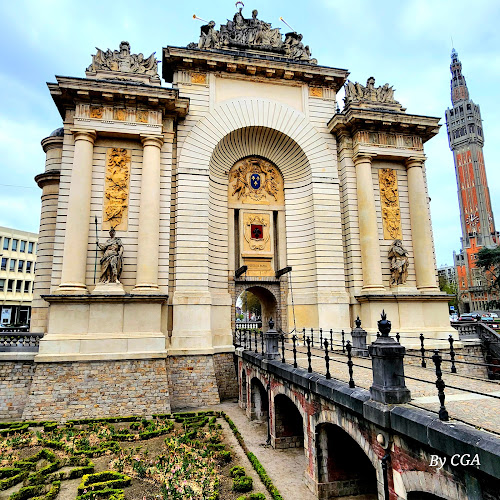
Porte de Paris
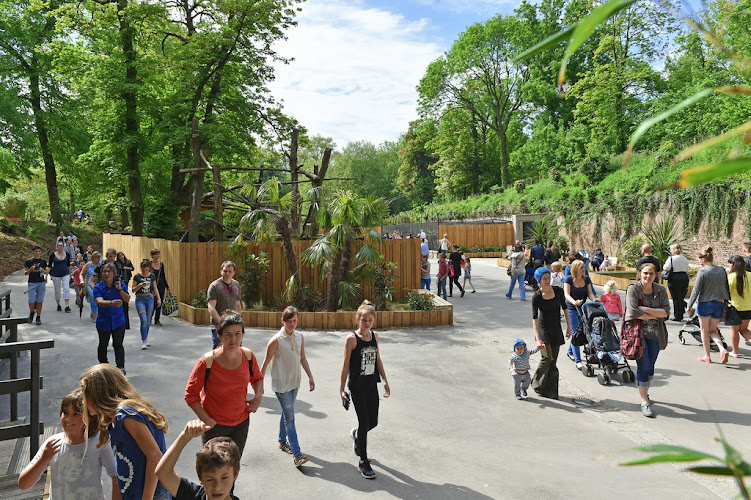
Zoo de Lille
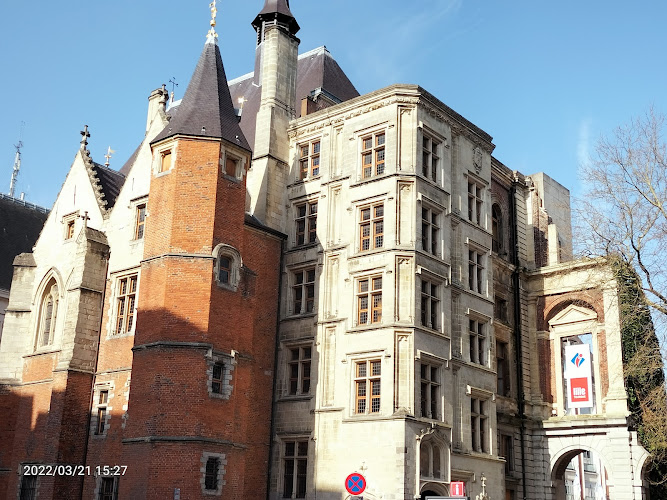
Palais Rihour
Find Accommodations Nearby
Recommended Tours & Activities
Visitor Reviews
There are no reviews yet. Be the first one to write one.
Share Your Experience
Have you visited Gare Saint Sauveur? Help other travelers by leaving a review.