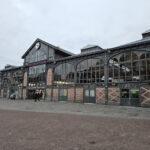
Lille is the principal city of Hauts-de-France, close to the Belgian border and positioned on one of northern Europe’s most useful rail corridors. Paris, Brussels and London are all realistic rail-linked gateways, while the compact historic core makes the city easy to absorb on foot. Its architecture reflects centuries of Flemish, French and Burgundian influence: ornate brick-and-stone façades, grand civic squares and former industrial quarters sit alongside major museums and a large student population.
This is an especially rewarding short-break destination for art lovers, food-focused travelers, architecture fans and anyone wanting a French city with a distinctly northern character. Lille works well for two or three days, but it also makes a practical base for Roubaix, Lens, Arras and Belgian day trips. Expect a sociable café culture, serious shopping and weather that can change quickly; the mood is more local and relaxed than in France’s largest tourist centers.
Quick Planning Snapshot
Planning detailWhat to knowBest seasonsApril to June and September to October bring generally milder conditions and active cultural calendars.Typical trip lengthTwo days for Lille’s essentials; three or four days with museums and regional excursions.Main transport hubLille Europe and Lille Flandres stations, a short walk apart in the central city.Local currencyEuro (€).Primary languageFrench; English is common in visitor-facing businesses but less universal beyond them.Walkability and transitExcellent central walkability, backed by Metro, tram and bus services operated across the metropolitan area.
Getting There and Getting Around
Lille Europe handles high-speed international and domestic trains, including Eurostar services from London and TGV links from Paris and Brussels; Lille Flandres is the adjacent station for many regional services. Paris is roughly an hour away by fast train, making Lille an easy add-on or an alternative arrival city. Road travelers use the A1 toward Paris, the A25 toward Dunkirk and the A22/A27 network toward Belgium. Allow extra time around peak commuter periods and major events.
Lille Airport lies south of the city and serves a changing mix of domestic and European routes, but it is not the region’s most comprehensive international gateway. Paris Charles de Gaulle, Brussels Airport and Brussels South Charleroi can be useful alternatives depending on flights, with rail connections often determining the easiest choice. From the stations, walk to Vieux-Lille and the centre; use the automated Metro for Wazemmes, the university-oriented south and connections across the conurbation. Trams are particularly useful for Roubaix and Tourcoing. Buy the appropriate transit ticket or pass before boarding, and use official route planners for current disruption information.
Best Areas to Stay and Neighborhood Character
Vieux-Lille suits first-time visitors who want historic streets, restaurants, independent shops and a highly walkable base. It is atmospheric and convenient, though accommodation demand can be strong on weekends.Centre and around Grand Place are best for station access, shopping and a broad choice of restaurants. This is a practical choice for a car-free stay or a brief business-and-leisure visit.Euralille, between the two main stations, favors rail travelers and modern hotels. It is efficient rather than picturesque, but Vieux-Lille is within easy walking distance.Wazemmes offers a more lived-in, often better-value feel, with market life and straightforward Metro access. Choose it for local energy rather than postcard views.Vauban-Esquermes is calmer and greener, near the Citadel and university areas. It suits longer stays and travelers who prefer residential streets over late-night central activity.
Top Things to Do, Local Culture and Day Trips
Begin at Grand Place, officially Place du Général-de-Gaulle, where the column of the Goddess faces a striking mix of Flemish-inspired façades. Nearby, Vieille Bourse is a 17th-century former exchange built around an inner courtyard; its second-hand book stalls and occasional chess players make it more than a photo stop. Walk north through Vieux-Lille to Notre-Dame-de-la-Treille, whose contemporary pale façade contrasts with the older streets around it.
The Palais des Beaux-Arts de Lille is one of France’s major fine-art museums outside Paris, with European painting, sculpture, antiquities and exceptional relief plans. For a different perspective, visit the Citadel area: Vauban’s star-shaped fortress is still a military site, but the surrounding park and Deûle-side paths are excellent for a break from the centre. Wazemmes Market is a strong choice on market days for produce, cheese and the neighborhood’s multicultural atmosphere; check its operating day before planning around it.
For a major museum excursion, take the tram or Metro-connected routes toward Roubaix for La Piscine, housed in a beautifully preserved Art Deco swimming pool and displaying art, fashion, design and decorative arts. Lens, reached by regional train, is home to Louvre-Lens and its Galerie du Temps presentation. Arras offers Flemish-Baroque squares and First World War history, while Tournai in Belgium is a close cross-border option with a cathedral and old center. In early September, the Braderie de Lille transforms streets into an enormous flea market and festival; reserve lodging far ahead and expect crowds, road closures and high demand.
Practical Planning Tips, Food Specialties and a Two-Day Flow
Lille has a temperate oceanic climate: summers are usually moderate, winters are cool, and rain is possible in every season. Bring a light waterproof layer and shoes that handle cobbles. Cards are widely accepted, but carrying a little cash remains useful for markets and small purchases. Service is included in restaurant prices; rounding up or leaving a modest extra amount for warm service is customary, not compulsory. Keep bags close in crowded stations, markets and nightlife streets, use licensed taxis or established ride services late at night, and observe normal city awareness.
Look for carbonnade flamande, beef braised with beer; welsh, a rich cheese-and-beer dish often served over bread; potjevleesch, a chilled terrine of meats; and moules-frites. Maroilles cheese is a regional classic, while gâteau battu and merveilleux satisfy sweet cravings. Local beer culture is important, but pubs may pour stronger Belgian- and northern-style ales than their easy-drinking appearance suggests.
Day one: arrive via Lille Europe or Lille Flandres, explore Grand Place, Vieille Bourse and Vieux-Lille, then visit the Palais des Beaux-Arts. Finish with a regional dinner in the centre.Day two: choose Wazemmes Market if it is operating, walk or cycle around the Citadel park, then take transport to Roubaix for La Piscine. Alternatively, use the day for Louvre-Lens, Arras or Tournai, returning to Lille for an evening café stop.
 Real Journey Travels