
Galta Kund
About Galta Kund
Key Features
More Details
Updated April 15, 2024
Lakes In Jaipur: Tranquil Escapes Amidst The Pink City – TripXL
## Galta Kund (Galta Ji), Jaipur, Rajasthan: what it is and how to visit respectfully
Galta Kund is the best-known sacred water tank (“kund”) inside Galta Ji, a Hindu pilgrimage complex in the hills east of Jaipur. The site is often nicknamed the “Monkey Temple” because a large population of rhesus macaques lives around the temples and pools.
Quick fact check on your dataset (important):
– Your record lists the city as Tonk, but Galta Ji / Galta Kund is described by major references as being about 10 km east of Jaipur, in the hills surrounding Jaipur. That’s a different city/district than Tonk. I’d treat “Tonk” as a metadata error unless you have a specific reason for it.
– Your coordinates (26.9175546, 75.856968) don’t match Wikipedia’s listed coordinates for Galtaji (26.8761, 76.1242). This happens a lot with scraped POI datasets (pins placed at a city centroid or an approach road). Consider validating against a reliable map pin before publishing directions.
## What makes Galta Kund distinctive
### A pilgrimage site built around a natural spring and multiple kunds
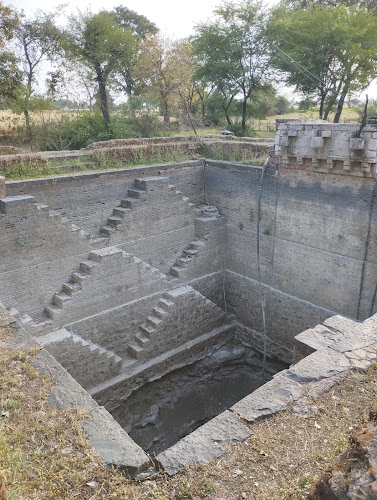
Galta Ji is built into a narrow mountain crevice in the Aravalli Hills. A natural spring emerges higher up and flows down to fill a series of kunds (water tanks) where pilgrims bathe.
Both popular and official tourism write-ups emphasize the same core feature: multiple kunds fed by spring water, with Galta Kund treated as the most revered pool.
### “Never runs dry” is a belief, not a measured hydrology claim
You’ll often see the statement that Galta Kund “never runs dry.” That is presented as a religious belief and a traditional claim in tourism descriptions, not as a scientific guarantee. If you include it, frame it as belief (and avoid presenting it as proven fact). India
## What you’ll see on-site (and what many visitors miss)
### The kunds and bathing culture
Galta Kund sits within a living religious setting. People come here specifically for ritual bathing associated with purification, and the kunds are central to that practice.
Because this is an active pilgrimage place, treat the pools like a sacred space first and a photo spot second:
– Don’t block steps or edges of the kund while people are entering/exiting.
– Avoid close-up photography of bathers unless you have clear permission.
### Monkeys are part of the ecosystem (and the risk profile)
Wikipedia’s “Monkeys and wildlife” section is unusually direct: the complex is colloquially known as Galwar Bagh due to the large rhesus macaque population living there.
Practical implications:
– Do not carry food openly (or wave snack bags around). Monkeys are opportunistic and can snatch items quickly.
– Keep sunglasses, phones, and water bottles secured—anything handheld can become a target.
– If one approaches, avoid sudden movements; step aside and create distance.
(This isn’t fear-mongering—it’s basic wildlife etiquette at a site where monkeys are a defining feature.)
### Hilltop views and the “Sun Temple” angle
Visitors can continue upward past the highest pools toward a hilltop temple area with panoramic views. The complex also includes a Sun Temple (Surya Mandir) on the hill, described as offering sweeping views over Jaipur and the surrounding landscape.
## How to get there (without overpromising exact logistics)
Most sources describe Galta Ji as roughly 10 km east of Jaipur in the Aravalli Hills.
What I can state confidently from the sources:
– It’s outside the dense “Pink City” core and is commonly reached by road transport from Jaipur.
What I won’t state as fact (because it varies and is often misreported):
– Exact entry fees, “official” camera fees, or precise opening/closing times. These change and are inconsistently published across third-party sites. (If you want them in the post, the safest approach is: “Check the latest timings locally or via your driver/hotel.”)
## The best time to visit (for comfort and experience)
Two timing factors matter here:
### 1) Heat and stone
This is Rajasthan—heat management is real. If you’re visiting in warmer months, aim for early morning when steps and stone surfaces are cooler.
### 2) Festival crowd dynamics
Tourism descriptions highlight January as a particularly meaningful time spiritually, with major gathering around Makar Sankranti for ritual bathing. Expect crowding and more intense monkey activity during peak days. India
## Respectful, inclusive visitor guidelines
Galta Kund is open to visitors, but it’s foremost a religious site. A few grounded norms help you fit in without awkwardness:
– Dress modestly (shoulders and knees covered is a safe baseline) especially if you plan to enter temple areas.
– Give space to worshippers, particularly around the kund edges and shrines.
– Accessibility note: the terrain includes steps and uneven surfaces typical of hillside temple complexes. If anyone in your group has mobility limitations, plan for a slower pace and consider limiting the uphill sections.
## Safety and health considerations you should actually mention
– Water contact: The kunds are used for bathing. If you choose to enter the water, be aware it’s a communal setting; people with open cuts or compromised immunity should be cautious.
– Monkey scratches/bites: Any bite or scratch from a monkey should be treated as a medical issue requiring prompt local guidance (rabies protocols are time-sensitive in general). Don’t downplay this in your copy.
– Secure valuables: The combination of water + crowds + monkeys is a perfect storm for lost items.
Recent local reporting also shows broader concern in Jaipur about aggressive monkey encounters in public areas, which reinforces the “don’t feed / don’t tease / keep distance” advice. Times of India
## Two strong “internal link” opportunities (contextual, not spammy)
If you’re publishing this on RealJourneyTravels.com and you already have Jaipur coverage, these two internal links will feel natural and genuinely helpful:
– Jaipur’s historic landmarks (City Palace / Jantar Mantar / Hawa Mahal) as “pair this with” planning content. India
– Other sacred temples around Jaipur (for example, Khole Ke Hanuman Ji Temple is commonly suggested alongside Galta Ji in official tourism-style itineraries). India
(I’m not inserting URLs because I can’t verify your site’s exact slugs.)
## Outdated-data flags (so your post stays honest)
– Timings/fees: third-party sites frequently disagree; avoid hard numbers unless you verify from an on-the-ground source right before publishing.
– Coordinates in datasets: your provided coordinates likely point to a general Jaipur area rather than the precise complex. Cross-check before you publish “exact location” claims.
## Publish-ready fact box (only what’s well-supported)
– Name: Galta Kund (within Galta Ji / Galtaji complex)
– Type: Sacred kund / tourist attraction / Hindu pilgrimage site
– Where: Aravalli Hills, roughly ~10 km east of Jaipur, Rajasthan, India
– Known for: Natural spring-fed kunds; ritual bathing; resident rhesus macaques; hilltop viewpoints
– Rating (from your dataset): 4.4 (keep as “platform rating,” not an objective quality score)
Table of Contents
Key Highlights
Galta Kund
Location
Places to Stay Near Galta Kund
Find and Book a Tour
Explore More Travel Guides
No reviews found! Be the first to review!
Traveler Reviews for Galta Kund
There are no reviews yet. Be the first one to write one.
Have you visited Galta Kund? Help other travelers by sharing your review.
You Might Also Like
Find Accommodations Nearby
Recommended Tours & Activities
Visitor Reviews
There are no reviews yet. Be the first one to write one.
Share Your Experience
Have you visited Galta Kund? Help other travelers by leaving a review.