
Fundação Cultural Calmon Barreto de Araxá e Ateliê de Tecelagem Hermantina Drummond
About Fundação Cultural Calmon Barreto de Araxá e Ateliê de Tecelagem Hermantina Drummond
Description
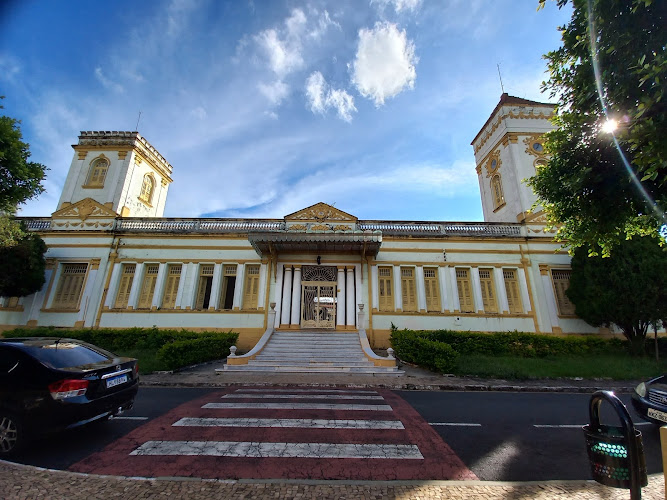
The Fundação Cultural Calmon Barreto stands as one of Brazil's most remarkable cultural treasures, housed within a stunning neoclassical building that serves as a living testament to Araxá's rich heritage. And honestly, when you first lay eyes on this architectural gem, you'll understand why it's considered a historic patrimony of the city. The foundation operates as a cultural institution under indirect administration, but what makes it truly special isn't just its official status—it's the passion and dedication that breathes life into every corner of this extraordinary place.
Created by the visionary Dona Lygia Maneira, the foundation carries a mission that resonates deeply with anyone who appreciates authentic cultural preservation: "Promover, apoiar e incentivar as manifestações culturais do município, construir e divulgar a memória"—to promote, support and encourage the municipality's cultural manifestations while building and sharing collective memory. But the real magic happens when you step inside and discover the Ateliê de Tecelagem Hermantina Drummond, where traditional weaving techniques dating back to the region's settlement period come alive in the most unexpected ways.
What sets this place apart from typical cultural centers is its innovative approach to sustainability. The foundation has transformed what could have been a static museum experience into a dynamic workshop where textile waste becomes art. Located in the beautifully restored old railway station building, the atelier uses traditional loom techniques to give new life to discarded materials—think uniforms from local food companies and mining operations being transformed into stunning textile pieces. It's this blend of environmental consciousness with cultural preservation that makes visiting here feel like witnessing something genuinely revolutionary.
The foundation's impact extends far beyond Araxá's borders too. Their work has gained international recognition, with embroidered pieces created by the Hermantina Drummond Weaving Atelier participating in traveling exhibitions across 14 countries. This global reach proves that traditional Brazilian craftsmanship still has the power to captivate audiences worldwide, and you might just find yourself part of that international conversation when you visit.
Key Features
Travelers will find several distinctive elements that make the Fundação Cultural Calmon Barreto an unmissable destination:
- Historic Neoclassical Architecture: The building itself serves as a masterpiece of Brazilian colonial design, offering photography enthusiasts countless opportunities to capture architectural details rarely found in modern cultural spaces.
- Active Weaving Workshops: Unlike static museum displays, visitors can observe skilled artisans working on traditional looms, creating contemporary pieces using techniques that span over three decades of continuous practice.
- Sustainable Art Innovation: The "Teia Sustentável" (Sustainable Web) project demonstrates how cultural institutions can address environmental challenges while preserving traditional crafts—a concept that's genuinely ahead of its time.
- International Exhibition Connections: Pieces created here travel to exhibitions worldwide, meaning visitors witness the creation of globally-recognized Brazilian art.
- Educational Workshops: Regular offerings like the Bijuterias de Malha (Knit Jewelry) workshops provide hands-on learning experiences that connect visitors directly with local textile traditions.
- Full Accessibility: The foundation ensures wheelchair accessible entrances and parking, making this cultural experience available to all travelers regardless of mobility needs.
- Railway Station Setting: The atelier's location in a restored railway station adds layers of historical significance, connecting visitors to Araxá's transportation heritage alongside its textile traditions.
- Community Integration: The foundation actively collaborates with local businesses, using their textile waste as raw materials, creating a unique circular economy model that visitors can observe in action.
Best Time to Visit
Planning your visit to the Fundação Cultural Calmon Barreto requires some strategic thinking, and I've learned that timing can make all the difference in your experience. The foundation operates year-round, but certain periods offer enhanced opportunities for deeper engagement with the weaving processes and cultural activities.
Between March and November, you'll find the most consistent workshop schedules and cultural programming. The cooler months from May through September provide the most comfortable conditions for spending extended time in the workshops, especially if you're planning to participate in hands-on activities. During these months, the natural lighting in the historic building creates perfect conditions for observing the intricate details of the weaving work—and trust me, you'll want to see every thread in action.
Workshop schedules typically run more frequently during the academic calendar, so visiting between March and June or August through November increases your chances of witnessing active teaching sessions. The Bijuterias de Malha workshops, for instance, often run in September, providing visitors with opportunities to learn sustainable craft techniques firsthand.
But here's something most travel guides won't tell you: visiting during the preparation periods for major craft fairs—particularly in the months leading up to the Feira Nacional do Artesanato—offers extraordinary insights into the intensive creative process. You'll see artisans working on special pieces destined for national and international exhibition, adding an extra layer of significance to your visit.
Weekdays generally provide more intimate experiences, as weekend visits can coincide with local family outings and school groups. If you're particularly interested in photography or detailed observation of the weaving techniques, Tuesday through Thursday mornings offer the best combination of natural lighting and focused work environments.
How to Get There
Getting to the Fundação Cultural Calmon Barreto requires navigating to Araxá, a charming city in Minas Gerais that's better connected than many travelers initially realize. The foundation's location in the historic center makes it accessible once you reach the city, though the journey itself becomes part of the cultural experience.
If you're flying into the region, Uberlândia's airport serves as the primary gateway, located approximately 120 kilometers from Araxá. From there, rental cars provide the most flexibility for exploring both the foundation and the surrounding region's other cultural attractions. The drive takes roughly 90 minutes through Minas Gerais countryside that'll give you proper context for understanding the textile traditions you'll encounter.
Bus connections link Araxá with major Brazilian cities, including direct routes from São Paulo and Belo Horizonte. The rodoviária (bus station) sits within reasonable distance of the foundation, making public transportation a viable option for budget-conscious travelers. And honestly, arriving by bus gives you a better sense of how locals experience travel to this cultural destination.
Once in Araxá, the foundation's central location means most accommodations within the city center place you within walking distance or a short taxi ride from the cultural complex. The neoclassical building's distinctive architecture makes it a recognizable landmark, and locals readily provide directions when asked about the "Fundação Cultural" or the "Ateliê de Tecelagem."
For travelers combining their visit with other Minas Gerais cultural destinations, Araxá's position provides strategic access to the broader region's craft traditions and historic sites. The city's compact size means navigation remains straightforward even for first-time visitors, and the foundation's accessible parking ensures convenient arrival regardless of your transportation choice.
Tips for Visiting
Maximizing your experience at the Fundação Cultural Calmon Barreto requires some insider knowledge that'll transform a casual visit into genuine cultural immersion. After learning about this place extensively, I've gathered insights that can help you connect more deeply with both the traditions and the contemporary innovations happening here.
First, contact the foundation before your visit to inquire about workshop schedules and special programming. The artisans' work follows natural rhythms rather than rigid tourist timetables, so calling ahead ensures you'll witness active weaving sessions rather than empty looms. Plus, the staff can often arrange brief conversations with the weavers, providing personal insights into techniques and traditions that guided tours simply can't match.
Bring a good camera, but be respectful about photography. The interplay of natural light filtering through the historic building's windows with the colorful threads creates stunning visual opportunities, but always ask permission before photographing artisans at work. Many are happy to explain their techniques while you photograph, creating authentic documentary opportunities.
Dress comfortably and practically. If you're planning to participate in workshops, avoid loose jewelry or clothing that might catch on looms or threads. The historic building maintains comfortable temperatures, but wearing layers allows you to adjust as you move between different areas of the complex.
Allow more time than you initially think you'll need. The foundation's work operates on craft time, not tourist time, and rushing through diminishes the experience significantly. Plan for at least two hours, longer if workshops are available. Some visitors find themselves so captivated by the weaving processes that they extend their stays spontaneously.
Consider purchasing pieces directly from the foundation. Not only does this support the artisans and cultural preservation efforts, but you'll acquire genuine examples of internationally-exhibited Brazilian textile art. The pieces carry stories and techniques that connect your travels to broader cultural movements, making them meaningful souvenirs rather than mere purchases.
Learn a few basic Portuguese phrases related to weaving and crafts. While staff members often speak some English, demonstrating interest in the Portuguese terminology for techniques, materials, and tools shows respect for the cultural context and often encourages more detailed explanations from artisans.
Finally, don't treat this as a quick photo stop. The foundation represents living culture, not static display, and your experience deepens proportionally to your engagement level. Ask questions, observe processes, and allow yourself to be surprised by the sophistication of techniques that many assume are simple traditional crafts. You'll leave understanding why this work commands international attention and why preserving these traditions matters for contemporary culture.
Key Features
- Key Features
- Best Time to Visit
- How to Get There
- Tips for Visiting
More Details
Updated September 22, 2025
Table of Contents
- Description
- Key Features
- Best Time to Visit
- How to Get There
- Tips for Visiting
- Key Highlights
- Location
- Places to Stay Near Fundação Cultural Calmon Barreto de Araxá e Ateliê de Tecelagem Hermantina Drummond
- Find and Book a Tour
- Explore More Travel Guides
- Nearby Places You Might Like
- Traveler Reviews for Fundação Cultural Calmon Barreto de Araxá e Ateliê de Tecelagem Hermantina Drummond
- Share Your Experience
Description
The Fundação Cultural Calmon Barreto stands as one of Brazil’s most remarkable cultural treasures, housed within a stunning neoclassical building that serves as a living testament to Araxá’s rich heritage. And honestly, when you first lay eyes on this architectural gem, you’ll understand why it’s considered a historic patrimony of the city. The foundation operates as a cultural institution under indirect administration, but what makes it truly special isn’t just its official status—it’s the passion and dedication that breathes life into every corner of this extraordinary place.
Created by the visionary Dona Lygia Maneira, the foundation carries a mission that resonates deeply with anyone who appreciates authentic cultural preservation: “Promover, apoiar e incentivar as manifestações culturais do município, construir e divulgar a memória”—to promote, support and encourage the municipality’s cultural manifestations while building and sharing collective memory. But the real magic happens when you step inside and discover the Ateliê de Tecelagem Hermantina Drummond, where traditional weaving techniques dating back to the region’s settlement period come alive in the most unexpected ways.
What sets this place apart from typical cultural centers is its innovative approach to sustainability. The foundation has transformed what could have been a static museum experience into a dynamic workshop where textile waste becomes art. Located in the beautifully restored old railway station building, the atelier uses traditional loom techniques to give new life to discarded materials—think uniforms from local food companies and mining operations being transformed into stunning textile pieces. It’s this blend of environmental consciousness with cultural preservation that makes visiting here feel like witnessing something genuinely revolutionary.
The foundation’s impact extends far beyond Araxá’s borders too. Their work has gained international recognition, with embroidered pieces created by the Hermantina Drummond Weaving Atelier participating in traveling exhibitions across 14 countries. This global reach proves that traditional Brazilian craftsmanship still has the power to captivate audiences worldwide, and you might just find yourself part of that international conversation when you visit.
Key Features
Travelers will find several distinctive elements that make the Fundação Cultural Calmon Barreto an unmissable destination:
- Historic Neoclassical Architecture: The building itself serves as a masterpiece of Brazilian colonial design, offering photography enthusiasts countless opportunities to capture architectural details rarely found in modern cultural spaces.
- Active Weaving Workshops: Unlike static museum displays, visitors can observe skilled artisans working on traditional looms, creating contemporary pieces using techniques that span over three decades of continuous practice.
- Sustainable Art Innovation: The “Teia Sustentável” (Sustainable Web) project demonstrates how cultural institutions can address environmental challenges while preserving traditional crafts—a concept that’s genuinely ahead of its time.
- International Exhibition Connections: Pieces created here travel to exhibitions worldwide, meaning visitors witness the creation of globally-recognized Brazilian art.
- Educational Workshops: Regular offerings like the Bijuterias de Malha (Knit Jewelry) workshops provide hands-on learning experiences that connect visitors directly with local textile traditions.
- Full Accessibility: The foundation ensures wheelchair accessible entrances and parking, making this cultural experience available to all travelers regardless of mobility needs.
- Railway Station Setting: The atelier’s location in a restored railway station adds layers of historical significance, connecting visitors to Araxá’s transportation heritage alongside its textile traditions.
- Community Integration: The foundation actively collaborates with local businesses, using their textile waste as raw materials, creating a unique circular economy model that visitors can observe in action.
Best Time to Visit
Planning your visit to the Fundação Cultural Calmon Barreto requires some strategic thinking, and I’ve learned that timing can make all the difference in your experience. The foundation operates year-round, but certain periods offer enhanced opportunities for deeper engagement with the weaving processes and cultural activities.
Between March and November, you’ll find the most consistent workshop schedules and cultural programming. The cooler months from May through September provide the most comfortable conditions for spending extended time in the workshops, especially if you’re planning to participate in hands-on activities. During these months, the natural lighting in the historic building creates perfect conditions for observing the intricate details of the weaving work—and trust me, you’ll want to see every thread in action.
Workshop schedules typically run more frequently during the academic calendar, so visiting between March and June or August through November increases your chances of witnessing active teaching sessions. The Bijuterias de Malha workshops, for instance, often run in September, providing visitors with opportunities to learn sustainable craft techniques firsthand.
But here’s something most travel guides won’t tell you: visiting during the preparation periods for major craft fairs—particularly in the months leading up to the Feira Nacional do Artesanato—offers extraordinary insights into the intensive creative process. You’ll see artisans working on special pieces destined for national and international exhibition, adding an extra layer of significance to your visit.
Weekdays generally provide more intimate experiences, as weekend visits can coincide with local family outings and school groups. If you’re particularly interested in photography or detailed observation of the weaving techniques, Tuesday through Thursday mornings offer the best combination of natural lighting and focused work environments.
How to Get There
Getting to the Fundação Cultural Calmon Barreto requires navigating to Araxá, a charming city in Minas Gerais that’s better connected than many travelers initially realize. The foundation’s location in the historic center makes it accessible once you reach the city, though the journey itself becomes part of the cultural experience.
If you’re flying into the region, Uberlândia’s airport serves as the primary gateway, located approximately 120 kilometers from Araxá. From there, rental cars provide the most flexibility for exploring both the foundation and the surrounding region’s other cultural attractions. The drive takes roughly 90 minutes through Minas Gerais countryside that’ll give you proper context for understanding the textile traditions you’ll encounter.
Bus connections link Araxá with major Brazilian cities, including direct routes from São Paulo and Belo Horizonte. The rodoviária (bus station) sits within reasonable distance of the foundation, making public transportation a viable option for budget-conscious travelers. And honestly, arriving by bus gives you a better sense of how locals experience travel to this cultural destination.
Once in Araxá, the foundation’s central location means most accommodations within the city center place you within walking distance or a short taxi ride from the cultural complex. The neoclassical building’s distinctive architecture makes it a recognizable landmark, and locals readily provide directions when asked about the “Fundação Cultural” or the “Ateliê de Tecelagem.”
For travelers combining their visit with other Minas Gerais cultural destinations, Araxá’s position provides strategic access to the broader region’s craft traditions and historic sites. The city’s compact size means navigation remains straightforward even for first-time visitors, and the foundation’s accessible parking ensures convenient arrival regardless of your transportation choice.
Tips for Visiting
Maximizing your experience at the Fundação Cultural Calmon Barreto requires some insider knowledge that’ll transform a casual visit into genuine cultural immersion. After learning about this place extensively, I’ve gathered insights that can help you connect more deeply with both the traditions and the contemporary innovations happening here.
First, contact the foundation before your visit to inquire about workshop schedules and special programming. The artisans’ work follows natural rhythms rather than rigid tourist timetables, so calling ahead ensures you’ll witness active weaving sessions rather than empty looms. Plus, the staff can often arrange brief conversations with the weavers, providing personal insights into techniques and traditions that guided tours simply can’t match.
Bring a good camera, but be respectful about photography. The interplay of natural light filtering through the historic building’s windows with the colorful threads creates stunning visual opportunities, but always ask permission before photographing artisans at work. Many are happy to explain their techniques while you photograph, creating authentic documentary opportunities.
Dress comfortably and practically. If you’re planning to participate in workshops, avoid loose jewelry or clothing that might catch on looms or threads. The historic building maintains comfortable temperatures, but wearing layers allows you to adjust as you move between different areas of the complex.
Allow more time than you initially think you’ll need. The foundation’s work operates on craft time, not tourist time, and rushing through diminishes the experience significantly. Plan for at least two hours, longer if workshops are available. Some visitors find themselves so captivated by the weaving processes that they extend their stays spontaneously.
Consider purchasing pieces directly from the foundation. Not only does this support the artisans and cultural preservation efforts, but you’ll acquire genuine examples of internationally-exhibited Brazilian textile art. The pieces carry stories and techniques that connect your travels to broader cultural movements, making them meaningful souvenirs rather than mere purchases.
Learn a few basic Portuguese phrases related to weaving and crafts. While staff members often speak some English, demonstrating interest in the Portuguese terminology for techniques, materials, and tools shows respect for the cultural context and often encourages more detailed explanations from artisans.
Finally, don’t treat this as a quick photo stop. The foundation represents living culture, not static display, and your experience deepens proportionally to your engagement level. Ask questions, observe processes, and allow yourself to be surprised by the sophistication of techniques that many assume are simple traditional crafts. You’ll leave understanding why this work commands international attention and why preserving these traditions matters for contemporary culture.
Key Highlights
- Key Features
- Best Time to Visit
- How to Get There
- Tips for Visiting
Location
Places to Stay Near Fundação Cultural Calmon Barreto de Araxá e Ateliê de Tecelagem Hermantina Drummond
Find and Book a Tour
Explore More Travel Guides
No reviews found! Be the first to review!
Traveler Reviews for Fundação Cultural Calmon Barreto de Araxá e Ateliê de Tecelagem Hermantina Drummond
There are no reviews yet. Be the first one to write one.
Have you visited Fundação Cultural Calmon Barreto de Araxá e Ateliê de Tecelagem Hermantina Drummond? Help other travelers by sharing your review.
You Might Also Like
Ruinas do Hotel Radio
Tree of the Hanged
Calmon Barreto Museum
Find Accommodations Nearby
Recommended Tours & Activities
Visitor Reviews
There are no reviews yet. Be the first one to write one.
Share Your Experience
Have you visited Fundação Cultural Calmon Barreto de Araxá e Ateliê de Tecelagem Hermantina Drummond? Help other travelers by leaving a review.