
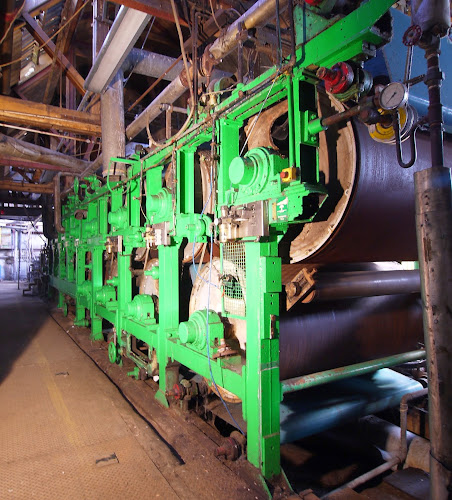
Frogmore Paper Mill
About Frogmore Paper Mill
Description
Frogmore Paper Mill isn’t just any old mill; it’s the birthplace of mechanised papermaking, a true pioneer that kickstarted the paper industry’s industrial revolution back in the early 1800s. Imagine stepping into a place where history hums through the very machines that once transformed how paper was made worldwide. It’s tucked away on an island in the River Gade, which itself feels like a secret slice of England’s past, near Hemel Hempstead.
Walking through Frogmore, you’re not just looking at dusty relics behind glass. Nope, this is a working paper mill, still alive with the creaks and clanks of early 20th-century machines, including the world’s earliest paper machine built specifically for research in 1902. It’s like a living museum, where you can actually see and sometimes even touch the tools and processes that shaped centuries of communication and creativity.
And if you’re bringing the kids along, you’ll be pleased to know it’s genuinely a fun spot for them too. There are hands-on activities designed to spark curiosity about how paper is made, which is a nice break from the usual “look but don’t touch” museum vibe. Accessibility is thoughtfully handled here, with wheelchair-friendly entrances, parking, and restrooms so no one’s left out of the experience.
What really stands out is the blend of old and new — the historic machines alongside modern educational exhibits and a visitor center that tells the story of the mill, the Grand Union Canal, and the neighboring John Dickinson stationery company that put Hemel Hempstead on the map. It’s a mix of industrial heritage and community spirit that somehow makes history feel alive and relevant.
Key Features
- Home to the world’s first mechanised paper making machine installed in 1803
- Operational historic paper machines, including a 1902 research-specific machine
- Interactive exhibits and educational programs ideal for families and school groups
- Children’s activities that make learning about papermaking fun and engaging
- Wheelchair accessible facilities including parking, entrances, and restrooms
- Insightful displays on the history of papermaking and the local industrial revolution
- Onsite visitor center with information on the Grand Union Canal and local heritage
- Accepts all major payment methods including contactless and mobile payments
- Located on a picturesque island in the River Gade, adding a scenic backdrop to your visit
Best Time to Visit
Spring and early autumn are probably the best bets if you want to dodge the crowds and enjoy milder weather while exploring the mill and its surroundings. The mill’s riverside setting really shines when the trees are putting on their seasonal colors, making it a lovely day out for anyone who enjoys a bit of nature with their history.
Weekdays tend to be quieter, so if you’re the type who likes to take your time without bumping elbows with too many other visitors, aim for a Tuesday or Wednesday. Weekends can get busier, especially during school holidays, when families flock to the hands-on activities. But honestly, that lively buzz adds a bit of charm, making it feel like the mill is still a hub of community and learning.
Also, keep an eye out for special events or workshops, which pop up occasionally. They’re perfect if you want to dive deeper into the papermaking craft or just enjoy a unique experience beyond the usual tour.
How to Get There
Getting to Frogmore Paper Mill is pretty straightforward, whether you’re driving or using public transport. The mill is near Hemel Hempstead, so if you’re coming from London, it’s roughly an hour’s train ride to the town. From the station, local buses or a short taxi ride will get you close to the mill, which sits on an island in the River Gade — a bit of a hidden gem, really.
If you’re driving, there’s wheelchair accessible parking available on site, which is a real plus if you’re carrying gear or traveling with little ones. The roads around the area are fairly easy to navigate, and the scenic route along the canal is a bonus for those who like a bit of sightseeing en route.
For the eco-conscious traveler, cycling is also an option. The Gade Valley has some lovely trails, and arriving on two wheels means you get to soak in the countryside vibe before stepping into this historic industrial marvel.
Tips for Visiting
First off, wear comfortable shoes. You’ll be on your feet a fair bit, wandering around the mill’s various buildings and exhibits. The floors can be a little uneven in spots — it’s old, after all — so sensible footwear is a must.
Don’t rush it. This isn’t a quick pit stop kind of place. Take your time to really soak up the history and watch the machines in action. If you’re lucky, you might catch a demonstration, which is surprisingly mesmerizing once you get into it.
Bring the kids, seriously. The activities are genuinely engaging, and it’s a great way to get them interested in history and science without feeling like a lecture. Plus, the staff are friendly and happy to answer questions, which makes the whole visit more personal and enjoyable.
Weather-wise, the mill has indoor exhibits, but if it’s a sunny day, take a stroll around the island and along the canal paths. It’s peaceful and a nice way to break up the visit.
Lastly, consider donating or supporting their efforts if you can. The mill relies on community support to keep its doors open and its history alive, so every little bit helps preserve this one-of-a-kind place for future generations.
Key Features
- Home to the world’s first mechanised paper making machine installed in 1803
- Operational historic paper machines, including a 1902 research-specific machine
- Interactive exhibits and educational programs ideal for families and school groups
- Children’s activities that make learning about papermaking fun and engaging
- Wheelchair accessible facilities including parking, entrances, and restrooms
- Insightful displays on the history of papermaking and the local industrial revolution
- Onsite visitor center with information on the Grand Union Canal and local heritage
- Accepts all major payment methods including contactless and mobile payments
More Details
Updated July 17, 2025
Table of Contents
Description
Frogmore Paper Mill isn’t just any old mill; it’s the birthplace of mechanised papermaking, a true pioneer that kickstarted the paper industry’s industrial revolution back in the early 1800s. Imagine stepping into a place where history hums through the very machines that once transformed how paper was made worldwide. It’s tucked away on an island in the River Gade, which itself feels like a secret slice of England’s past, near Hemel Hempstead.
Walking through Frogmore, you’re not just looking at dusty relics behind glass. Nope, this is a working paper mill, still alive with the creaks and clanks of early 20th-century machines, including the world’s earliest paper machine built specifically for research in 1902. It’s like a living museum, where you can actually see and sometimes even touch the tools and processes that shaped centuries of communication and creativity.
And if you’re bringing the kids along, you’ll be pleased to know it’s genuinely a fun spot for them too. There are hands-on activities designed to spark curiosity about how paper is made, which is a nice break from the usual “look but don’t touch” museum vibe. Accessibility is thoughtfully handled here, with wheelchair-friendly entrances, parking, and restrooms so no one’s left out of the experience.
What really stands out is the blend of old and new — the historic machines alongside modern educational exhibits and a visitor center that tells the story of the mill, the Grand Union Canal, and the neighboring John Dickinson stationery company that put Hemel Hempstead on the map. It’s a mix of industrial heritage and community spirit that somehow makes history feel alive and relevant.
Key Features
- Home to the world’s first mechanised paper making machine installed in 1803
- Operational historic paper machines, including a 1902 research-specific machine
- Interactive exhibits and educational programs ideal for families and school groups
- Children’s activities that make learning about papermaking fun and engaging
- Wheelchair accessible facilities including parking, entrances, and restrooms
- Insightful displays on the history of papermaking and the local industrial revolution
- Onsite visitor center with information on the Grand Union Canal and local heritage
- Accepts all major payment methods including contactless and mobile payments
- Located on a picturesque island in the River Gade, adding a scenic backdrop to your visit
Best Time to Visit
Spring and early autumn are probably the best bets if you want to dodge the crowds and enjoy milder weather while exploring the mill and its surroundings. The mill’s riverside setting really shines when the trees are putting on their seasonal colors, making it a lovely day out for anyone who enjoys a bit of nature with their history.
Weekdays tend to be quieter, so if you’re the type who likes to take your time without bumping elbows with too many other visitors, aim for a Tuesday or Wednesday. Weekends can get busier, especially during school holidays, when families flock to the hands-on activities. But honestly, that lively buzz adds a bit of charm, making it feel like the mill is still a hub of community and learning.
Also, keep an eye out for special events or workshops, which pop up occasionally. They’re perfect if you want to dive deeper into the papermaking craft or just enjoy a unique experience beyond the usual tour.
How to Get There
Getting to Frogmore Paper Mill is pretty straightforward, whether you’re driving or using public transport. The mill is near Hemel Hempstead, so if you’re coming from London, it’s roughly an hour’s train ride to the town. From the station, local buses or a short taxi ride will get you close to the mill, which sits on an island in the River Gade — a bit of a hidden gem, really.
If you’re driving, there’s wheelchair accessible parking available on site, which is a real plus if you’re carrying gear or traveling with little ones. The roads around the area are fairly easy to navigate, and the scenic route along the canal is a bonus for those who like a bit of sightseeing en route.
For the eco-conscious traveler, cycling is also an option. The Gade Valley has some lovely trails, and arriving on two wheels means you get to soak in the countryside vibe before stepping into this historic industrial marvel.
Tips for Visiting
First off, wear comfortable shoes. You’ll be on your feet a fair bit, wandering around the mill’s various buildings and exhibits. The floors can be a little uneven in spots — it’s old, after all — so sensible footwear is a must.
Don’t rush it. This isn’t a quick pit stop kind of place. Take your time to really soak up the history and watch the machines in action. If you’re lucky, you might catch a demonstration, which is surprisingly mesmerizing once you get into it.
Bring the kids, seriously. The activities are genuinely engaging, and it’s a great way to get them interested in history and science without feeling like a lecture. Plus, the staff are friendly and happy to answer questions, which makes the whole visit more personal and enjoyable.
Weather-wise, the mill has indoor exhibits, but if it’s a sunny day, take a stroll around the island and along the canal paths. It’s peaceful and a nice way to break up the visit.
Lastly, consider donating or supporting their efforts if you can. The mill relies on community support to keep its doors open and its history alive, so every little bit helps preserve this one-of-a-kind place for future generations.
Key Highlights
- Home to the world’s first mechanised paper making machine installed in 1803
- Operational historic paper machines, including a 1902 research-specific machine
- Interactive exhibits and educational programs ideal for families and school groups
- Children’s activities that make learning about papermaking fun and engaging
- Wheelchair accessible facilities including parking, entrances, and restrooms
- Insightful displays on the history of papermaking and the local industrial revolution
- Onsite visitor center with information on the Grand Union Canal and local heritage
- Accepts all major payment methods including contactless and mobile payments
Location
Places to Stay Near Frogmore Paper Mill
Find and Book a Tour
Explore More Travel Guides
No reviews found! Be the first to review!
Traveler Reviews for Frogmore Paper Mill
There are no reviews yet. Be the first one to write one.
Have you visited Frogmore Paper Mill? Help other travelers by sharing your review.
You Might Also Like
Long Deans
Fuzzy’s Farm
Charter Tower
Find Accommodations Nearby
Recommended Tours & Activities
Visitor Reviews
There are no reviews yet. Be the first one to write one.
Share Your Experience
Have you visited Frogmore Paper Mill? Help other travelers by leaving a review.