
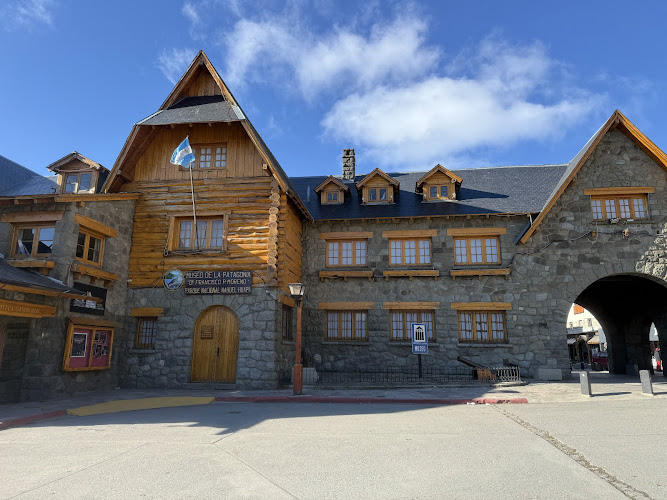
Francisco Moreno Museum of Patagonia
About Francisco Moreno Museum of Patagonia
Description
The Francisco Moreno Museum of Patagonia is one of those places that quietly surprises travelers. At first glance, it looks like a small regional museum tucked into Bariloche’s Civic Center, but step inside and you’ll realize it’s much more than that. The museum takes visitors through the story of Patagonia—its rugged landscapes, its wildlife, and the people who shaped its history. It does this with dioramas, artifacts, and displays that feel like a time machine, pulling you back into eras when indigenous communities thrived, explorers ventured into unknown lands, and pioneers settled the region.
It’s not a glossy, high-tech museum with flashing screens and endless touch panels, and honestly, that’s part of its charm. Instead, it feels authentic, like you’re being let into the region’s memory chest. Some travelers find it modest compared to bigger museums in South America, but many walk away with a deeper appreciation for Patagonia’s unique identity. Personally, I think that’s the point—it’s not trying to dazzle; it’s trying to teach. And it does that really well.
The museum is also a good stop for families. Kids tend to enjoy the animal exhibits (those dioramas of Patagonian fauna are pretty eye-catching), and adults often linger over the cultural sections. It’s the kind of place where you’ll find yourself saying, “Oh, I didn’t know that,” more than once. And while it’s not perfect—some displays could use a refresh—it still manages to leave a lasting impression.
Key Features
- Detailed dioramas of Patagonian wildlife, from guanacos to pumas.
- Exhibits on indigenous cultures, including tools, crafts, and daily life objects.
- Sections dedicated to explorers and pioneers who shaped Patagonia’s history.
- A focus on Francisco P. Moreno, the explorer and scientist who donated land for Argentina’s first national park.
- Family-friendly layout with plenty of visual exhibits to keep kids engaged.
- Wheelchair accessible restrooms, though parking accessibility is limited.
- Located right in Bariloche’s Civic Center, making it easy to combine with other nearby attractions.
Best Time to Visit
The museum is open year-round, which makes it a reliable stop no matter when you’re exploring Bariloche. That said, the best time to visit depends on your travel style. If you’re coming in the busy summer months (December through February), the museum can be a welcome break from the crowds outside. Step inside, and suddenly you’re in a quiet, cool space where you can take your time. In winter, especially on those snowy days when outdoor activities are limited, the museum becomes a cozy retreat. I once ducked in during a sudden rainstorm in October, and it turned out to be one of the highlights of my day. So, really, there isn’t a bad time—it’s more about how you fit it into your trip.
How to Get There
Because it’s part of the Civic Center, reaching the museum is straightforward. If you’re staying in the downtown area of Bariloche, you can easily walk there in just a few minutes. For those coming from further out, local buses run frequently into the city center, and taxis are plentiful. Driving is also an option, with a free parking garage nearby, although it tends to fill up quickly during peak hours. Don’t expect a sprawling parking lot—it’s more compact, so arriving early is a smart move if you’ve got a rental car.
And honestly, the walk to the museum is half the fun. The Civic Center itself is worth a look, with its stone-and-wood architecture and views of Lake Nahuel Huapi. Many visitors end up snapping photos outside before even stepping through the museum doors.
Tips for Visiting
A few practical tips can make your visit smoother and more enjoyable. First, give yourself at least an hour to explore. It’s not a huge museum, but rushing through means you’ll miss the details that make it special. If you’re traveling with kids, start with the wildlife exhibits—they’re usually the most engaging for younger visitors.
The museum doesn’t have a restaurant, so don’t come expecting a café stop inside. But since it’s right in the Civic Center, you’ll find plenty of places to grab a coffee or snack just steps away. Restrooms are available, which is always handy when you’re traveling with family.
Accessibility is decent, with wheelchair-friendly restrooms, but parking for those with mobility needs isn’t ideal. If that’s a concern, it’s best to plan ahead and consider arriving by taxi. And one more thing—don’t skip the sections on Francisco P. Moreno himself. His story is fascinating, and understanding his role in shaping Argentina’s national parks gives you a deeper sense of why this museum exists in the first place.
Lastly, keep your expectations balanced. This isn’t the Louvre, and it doesn’t try to be. What it offers is context, history, and a chance to see Patagonia from a perspective you won’t get out on the hiking trails. And if you’re like me, you’ll walk out feeling like you’ve connected with the region in a more personal way. That’s worth the small entry fee and the hour or two of your time.
Key Features
- Detailed dioramas of Patagonian wildlife, from guanacos to pumas.
- Exhibits on indigenous cultures, including tools, crafts, and daily life objects.
- Sections dedicated to explorers and pioneers who shaped Patagonia’s history.
- A focus on Francisco P. Moreno, the explorer and scientist who donated land for Argentina’s first national park.
- Family-friendly layout with plenty of visual exhibits to keep kids engaged.
- Wheelchair accessible restrooms, though parking accessibility is limited.
- Located right in Bariloche’s Civic Center, making it easy to combine with other nearby attractions.
More Details
Updated September 10, 2025
Table of Contents
- Description
- Key Features
- Best Time to Visit
- How to Get There
- Tips for Visiting
- Key Highlights
- Location
- Places to Stay Near Francisco Moreno Museum of Patagonia
- Find and Book a Tour
- Explore More Travel Guides
- Nearby Places You Might Like
- Traveler Reviews for Francisco Moreno Museum of Patagonia
- Share Your Experience
Description
The Francisco Moreno Museum of Patagonia is one of those places that quietly surprises travelers. At first glance, it looks like a small regional museum tucked into Bariloche’s Civic Center, but step inside and you’ll realize it’s much more than that. The museum takes visitors through the story of Patagonia—its rugged landscapes, its wildlife, and the people who shaped its history. It does this with dioramas, artifacts, and displays that feel like a time machine, pulling you back into eras when indigenous communities thrived, explorers ventured into unknown lands, and pioneers settled the region.
It’s not a glossy, high-tech museum with flashing screens and endless touch panels, and honestly, that’s part of its charm. Instead, it feels authentic, like you’re being let into the region’s memory chest. Some travelers find it modest compared to bigger museums in South America, but many walk away with a deeper appreciation for Patagonia’s unique identity. Personally, I think that’s the point—it’s not trying to dazzle; it’s trying to teach. And it does that really well.
The museum is also a good stop for families. Kids tend to enjoy the animal exhibits (those dioramas of Patagonian fauna are pretty eye-catching), and adults often linger over the cultural sections. It’s the kind of place where you’ll find yourself saying, “Oh, I didn’t know that,” more than once. And while it’s not perfect—some displays could use a refresh—it still manages to leave a lasting impression.
Key Features
- Detailed dioramas of Patagonian wildlife, from guanacos to pumas.
- Exhibits on indigenous cultures, including tools, crafts, and daily life objects.
- Sections dedicated to explorers and pioneers who shaped Patagonia’s history.
- A focus on Francisco P. Moreno, the explorer and scientist who donated land for Argentina’s first national park.
- Family-friendly layout with plenty of visual exhibits to keep kids engaged.
- Wheelchair accessible restrooms, though parking accessibility is limited.
- Located right in Bariloche’s Civic Center, making it easy to combine with other nearby attractions.
Best Time to Visit
The museum is open year-round, which makes it a reliable stop no matter when you’re exploring Bariloche. That said, the best time to visit depends on your travel style. If you’re coming in the busy summer months (December through February), the museum can be a welcome break from the crowds outside. Step inside, and suddenly you’re in a quiet, cool space where you can take your time. In winter, especially on those snowy days when outdoor activities are limited, the museum becomes a cozy retreat. I once ducked in during a sudden rainstorm in October, and it turned out to be one of the highlights of my day. So, really, there isn’t a bad time—it’s more about how you fit it into your trip.
How to Get There
Because it’s part of the Civic Center, reaching the museum is straightforward. If you’re staying in the downtown area of Bariloche, you can easily walk there in just a few minutes. For those coming from further out, local buses run frequently into the city center, and taxis are plentiful. Driving is also an option, with a free parking garage nearby, although it tends to fill up quickly during peak hours. Don’t expect a sprawling parking lot—it’s more compact, so arriving early is a smart move if you’ve got a rental car.
And honestly, the walk to the museum is half the fun. The Civic Center itself is worth a look, with its stone-and-wood architecture and views of Lake Nahuel Huapi. Many visitors end up snapping photos outside before even stepping through the museum doors.
Tips for Visiting
A few practical tips can make your visit smoother and more enjoyable. First, give yourself at least an hour to explore. It’s not a huge museum, but rushing through means you’ll miss the details that make it special. If you’re traveling with kids, start with the wildlife exhibits—they’re usually the most engaging for younger visitors.
The museum doesn’t have a restaurant, so don’t come expecting a café stop inside. But since it’s right in the Civic Center, you’ll find plenty of places to grab a coffee or snack just steps away. Restrooms are available, which is always handy when you’re traveling with family.
Accessibility is decent, with wheelchair-friendly restrooms, but parking for those with mobility needs isn’t ideal. If that’s a concern, it’s best to plan ahead and consider arriving by taxi. And one more thing—don’t skip the sections on Francisco P. Moreno himself. His story is fascinating, and understanding his role in shaping Argentina’s national parks gives you a deeper sense of why this museum exists in the first place.
Lastly, keep your expectations balanced. This isn’t the Louvre, and it doesn’t try to be. What it offers is context, history, and a chance to see Patagonia from a perspective you won’t get out on the hiking trails. And if you’re like me, you’ll walk out feeling like you’ve connected with the region in a more personal way. That’s worth the small entry fee and the hour or two of your time.
Key Highlights
- Detailed dioramas of Patagonian wildlife, from guanacos to pumas.
- Exhibits on indigenous cultures, including tools, crafts, and daily life objects.
- Sections dedicated to explorers and pioneers who shaped Patagonia’s history.
- A focus on Francisco P. Moreno, the explorer and scientist who donated land for Argentina’s first national park.
- Family-friendly layout with plenty of visual exhibits to keep kids engaged.
- Wheelchair accessible restrooms, though parking accessibility is limited.
- Located right in Bariloche’s Civic Center, making it easy to combine with other nearby attractions.
Location
Places to Stay Near Francisco Moreno Museum of Patagonia
Find and Book a Tour
Explore More Travel Guides
No reviews found! Be the first to review!
Traveler Reviews for Francisco Moreno Museum of Patagonia
There are no reviews yet. Be the first one to write one.
Have you visited Francisco Moreno Museum of Patagonia? Help other travelers by sharing your review.
Find Accommodations Nearby
Recommended Tours & Activities
Visitor Reviews
There are no reviews yet. Be the first one to write one.
Share Your Experience
Have you visited Francisco Moreno Museum of Patagonia? Help other travelers by leaving a review.