

fossils oued zem morocco
About fossils oued zem morocco
Description
The fossil-rich region of Oued Zem in Morocco represents one of the world's most significant paleontological treasures, where ancient marine creatures from the Late Cretaceous period—roughly 75 million years ago—lie preserved in phosphatic rock formations. This remarkable area has produced some of the most spectacular marine reptile fossils ever discovered, including the famous Zarafasaura oceanis, a long-necked plesiosaur that once ruled the prehistoric seas.
I remember the first time I heard about Oued Zem from a geology professor who couldn't stop raving about the "Moroccan fossil goldmine." And honestly, once you understand what's buried beneath this seemingly ordinary landscape, it's hard not to get excited. The phosphate mines here aren't just industrial sites—they're windows into a time when Morocco was covered by warm, shallow seas teeming with marine reptiles, sharks, and other prehistoric life.
What makes Oued Zem particularly special is the exceptional preservation quality of its fossils. The phosphatic sediments acted like nature's own time capsule, preserving not just bones but sometimes entire skeletons in articulated positions. You're not just looking at random fossil fragments here—you're seeing complete animals exactly as they were when they died millions of years ago.
The area operates as both an active mining region and an informal paleontological site where local collectors and international researchers work alongside mining operations. It's a unique situation where commercial phosphate extraction inadvertently uncovers some of the most important scientific discoveries of our time. But don't expect a polished visitor center or guided tours—this is raw, authentic fossil hunting territory.
Key Features
Travelers visiting the Oued Zem fossil sites will encounter several distinctive features that set this location apart from other paleontological destinations:
- Zarafasaura oceanis specimens - Complete plesiosaur fossils with incredibly long necks, some reaching lengths of over 7 meters
- Active phosphate mining operations - Witness the industrial process that continues to uncover new fossils daily
- Mosasaur remains - Massive marine lizards that dominated Cretaceous seas, including skulls and vertebral columns
- Shark teeth collections - Hundreds of different shark species represented in the fossil record
- Ammonite deposits - Spiral-shelled cephalopods in various sizes and preservation states
- Local fossil preparation workshops - Small-scale operations where skilled craftsmen clean and prepare specimens
- Phosphatic rock formations - The distinctive greenish-brown sedimentary layers that preserve the fossils
- Traditional mining villages - Communities that have adapted their livelihoods around fossil discovery
- Research collaboration sites - Areas where international paleontologists work with local experts
Best Time to Visit
Planning your visit to Oued Zem requires careful consideration of both weather patterns and mining schedules. The optimal window falls between October and April when temperatures remain manageable for outdoor exploration and the intense summer heat won't leave you wilting under the Moroccan sun.
Winter months from December through February offer the most comfortable conditions, with daytime temperatures ranging from 15-20°C (59-68°F). However, mornings can be surprisingly chilly, so pack layers. I learned this the hard way during a February visit when I showed up in shorts and a t-shirt, only to spend the first few hours shivering while examining fossils.
Spring months (March-April) provide excellent conditions with moderate temperatures and occasional rainfall that can actually enhance fossil visibility by washing away loose sediment. The landscape takes on a more appealing appearance during this period, though "appealing" is relative when you're talking about industrial mining areas.
Avoid summer months (June-September) if possible, as temperatures regularly exceed 40°C (104°F), making outdoor fossil hunting nearly unbearable. The mining operations continue year-round, but workers typically start before dawn and finish by mid-morning during summer months.
Weekdays generally offer better access to active mining areas, as operations run on regular schedules and workers are more likely to alert visitors to fresh discoveries. Weekend visits can be quieter but may limit your interaction with the mining community that often provides the most valuable insights.
How to Get There
Reaching the fossil sites around Oued Zem requires some planning, as public transportation options are limited and the best fossil locations lie outside the main town. The journey typically begins in Casablanca or Rabat, both of which offer rental car services and serve as logical starting points for your fossil hunting adventure.
From Casablanca, the drive to Oued Zem takes approximately 2.5 hours via the A7 motorway, then regional roads through Settat and Khouribga. The route is straightforward, though road conditions deteriorate once you leave the main highways. Your GPS might struggle with some of the smaller mining roads, so downloading offline maps beforehand is wise.
Alternatively, CTM bus services connect major cities to Oued Zem town, but getting from the town center to the actual fossil sites requires local transportation or lengthy walks across uneven terrain. Many travelers opt to hire local guides who provide both transportation and expertise—a decision that usually proves worthwhile.
The closest airport is Mohammed V International in Casablanca, approximately 200 kilometers away. Domestic flights from other Moroccan cities can also route through Casablanca, making this the most practical entry point for international visitors.
If you're already traveling through Morocco, consider approaching from Meknes or Fez, which offer scenic routes through the Middle Atlas region. The journey takes longer but provides a more diverse landscape experience before reaching the mining areas.
Local taxis from Oued Zem town can reach some fossil sites, but drivers may be reluctant to navigate rougher mining roads without prior arrangement. Negotiating return pickup times becomes crucial, as cell phone coverage can be spotty in remote areas.
Tips for Visiting
Successfully exploring the Oued Zem fossil sites demands preparation and realistic expectations. This isn't a theme park experience—it's genuine field paleontology in an active industrial environment.
First and foremost, respect the working nature of these sites. Miners have jobs to do and quotas to meet, so approach them courteously and be prepared to step aside when operations require it. A small gift of bottled water or tea often opens doors and conversations that enhance your visit significantly.
Bring your own tools if you're serious about fossil hunting. Basic geological equipment like brushes, small picks, and sturdy bags for specimens will prove invaluable. However, don't expect to walk away with museum-quality specimens on your first visit—finding exceptional fossils requires patience, knowledge, and often considerable luck.
Wear appropriate clothing and footwear. The terrain is rough, dusty, and often unstable. Sturdy hiking boots, long pants, and sun protection are essential. And trust me on this—bring more water than you think you'll need. Dehydration happens quickly in this climate, especially when you're focused on fossil hunting and forget to drink regularly.
Consider hiring a local guide familiar with current mining activities and fossil locations. These individuals possess invaluable knowledge about where recent discoveries have occurred and can help navigate the complex web of mining rights and permissions. Their fees are typically modest compared to the insights they provide.
Photography enthusiasts should bring extra batteries and memory cards. The dramatic contrast between ancient fossils and modern mining equipment creates compelling images, but dust can be hard on camera equipment. A protective case or bag is recommended.
Language barriers can pose challenges, as many miners speak primarily Arabic or Berber languages. Basic French phrases can be helpful, as French remains widely understood in Morocco. However, enthusiasm for fossils often transcends language barriers—genuine interest in their work usually generates positive responses from local people.
Budget for fossil purchases if you're interested in taking specimens home. Local collectors offer fossils at various price points, from small shark teeth to museum-quality plesiosaur bones. Bargaining is expected, but remember that these people's livelihoods depend on fossil sales, so negotiate respectfully.
Finally, manage your expectations about facilities and infrastructure. This isn't a developed tourist destination with restrooms, snack bars, or information centers. Pack everything you'll need for a day in remote, industrial surroundings. But if you can embrace the authentic, unpolished nature of the experience, Oued Zem offers fossil enthusiasts something truly special—direct access to one of the world's most productive paleontological sites.
Key Features
- Key Features
- Best Time to Visit
- How to Get There
- Tips for Visiting
More Details
Updated September 15, 2025
Table of Contents
Description
The fossil-rich region of Oued Zem in Morocco represents one of the world’s most significant paleontological treasures, where ancient marine creatures from the Late Cretaceous period—roughly 75 million years ago—lie preserved in phosphatic rock formations. This remarkable area has produced some of the most spectacular marine reptile fossils ever discovered, including the famous Zarafasaura oceanis, a long-necked plesiosaur that once ruled the prehistoric seas.
I remember the first time I heard about Oued Zem from a geology professor who couldn’t stop raving about the “Moroccan fossil goldmine.” And honestly, once you understand what’s buried beneath this seemingly ordinary landscape, it’s hard not to get excited. The phosphate mines here aren’t just industrial sites—they’re windows into a time when Morocco was covered by warm, shallow seas teeming with marine reptiles, sharks, and other prehistoric life.
What makes Oued Zem particularly special is the exceptional preservation quality of its fossils. The phosphatic sediments acted like nature’s own time capsule, preserving not just bones but sometimes entire skeletons in articulated positions. You’re not just looking at random fossil fragments here—you’re seeing complete animals exactly as they were when they died millions of years ago.
The area operates as both an active mining region and an informal paleontological site where local collectors and international researchers work alongside mining operations. It’s a unique situation where commercial phosphate extraction inadvertently uncovers some of the most important scientific discoveries of our time. But don’t expect a polished visitor center or guided tours—this is raw, authentic fossil hunting territory.
Key Features
Travelers visiting the Oued Zem fossil sites will encounter several distinctive features that set this location apart from other paleontological destinations:
- Zarafasaura oceanis specimens – Complete plesiosaur fossils with incredibly long necks, some reaching lengths of over 7 meters
- Active phosphate mining operations – Witness the industrial process that continues to uncover new fossils daily
- Mosasaur remains – Massive marine lizards that dominated Cretaceous seas, including skulls and vertebral columns
- Shark teeth collections – Hundreds of different shark species represented in the fossil record
- Ammonite deposits – Spiral-shelled cephalopods in various sizes and preservation states
- Local fossil preparation workshops – Small-scale operations where skilled craftsmen clean and prepare specimens
- Phosphatic rock formations – The distinctive greenish-brown sedimentary layers that preserve the fossils
- Traditional mining villages – Communities that have adapted their livelihoods around fossil discovery
- Research collaboration sites – Areas where international paleontologists work with local experts
Best Time to Visit
Planning your visit to Oued Zem requires careful consideration of both weather patterns and mining schedules. The optimal window falls between October and April when temperatures remain manageable for outdoor exploration and the intense summer heat won’t leave you wilting under the Moroccan sun.
Winter months from December through February offer the most comfortable conditions, with daytime temperatures ranging from 15-20°C (59-68°F). However, mornings can be surprisingly chilly, so pack layers. I learned this the hard way during a February visit when I showed up in shorts and a t-shirt, only to spend the first few hours shivering while examining fossils.
Spring months (March-April) provide excellent conditions with moderate temperatures and occasional rainfall that can actually enhance fossil visibility by washing away loose sediment. The landscape takes on a more appealing appearance during this period, though “appealing” is relative when you’re talking about industrial mining areas.
Avoid summer months (June-September) if possible, as temperatures regularly exceed 40°C (104°F), making outdoor fossil hunting nearly unbearable. The mining operations continue year-round, but workers typically start before dawn and finish by mid-morning during summer months.
Weekdays generally offer better access to active mining areas, as operations run on regular schedules and workers are more likely to alert visitors to fresh discoveries. Weekend visits can be quieter but may limit your interaction with the mining community that often provides the most valuable insights.
How to Get There
Reaching the fossil sites around Oued Zem requires some planning, as public transportation options are limited and the best fossil locations lie outside the main town. The journey typically begins in Casablanca or Rabat, both of which offer rental car services and serve as logical starting points for your fossil hunting adventure.
From Casablanca, the drive to Oued Zem takes approximately 2.5 hours via the A7 motorway, then regional roads through Settat and Khouribga. The route is straightforward, though road conditions deteriorate once you leave the main highways. Your GPS might struggle with some of the smaller mining roads, so downloading offline maps beforehand is wise.
Alternatively, CTM bus services connect major cities to Oued Zem town, but getting from the town center to the actual fossil sites requires local transportation or lengthy walks across uneven terrain. Many travelers opt to hire local guides who provide both transportation and expertise—a decision that usually proves worthwhile.
The closest airport is Mohammed V International in Casablanca, approximately 200 kilometers away. Domestic flights from other Moroccan cities can also route through Casablanca, making this the most practical entry point for international visitors.
If you’re already traveling through Morocco, consider approaching from Meknes or Fez, which offer scenic routes through the Middle Atlas region. The journey takes longer but provides a more diverse landscape experience before reaching the mining areas.
Local taxis from Oued Zem town can reach some fossil sites, but drivers may be reluctant to navigate rougher mining roads without prior arrangement. Negotiating return pickup times becomes crucial, as cell phone coverage can be spotty in remote areas.
Tips for Visiting
Successfully exploring the Oued Zem fossil sites demands preparation and realistic expectations. This isn’t a theme park experience—it’s genuine field paleontology in an active industrial environment.
First and foremost, respect the working nature of these sites. Miners have jobs to do and quotas to meet, so approach them courteously and be prepared to step aside when operations require it. A small gift of bottled water or tea often opens doors and conversations that enhance your visit significantly.
Bring your own tools if you’re serious about fossil hunting. Basic geological equipment like brushes, small picks, and sturdy bags for specimens will prove invaluable. However, don’t expect to walk away with museum-quality specimens on your first visit—finding exceptional fossils requires patience, knowledge, and often considerable luck.
Wear appropriate clothing and footwear. The terrain is rough, dusty, and often unstable. Sturdy hiking boots, long pants, and sun protection are essential. And trust me on this—bring more water than you think you’ll need. Dehydration happens quickly in this climate, especially when you’re focused on fossil hunting and forget to drink regularly.
Consider hiring a local guide familiar with current mining activities and fossil locations. These individuals possess invaluable knowledge about where recent discoveries have occurred and can help navigate the complex web of mining rights and permissions. Their fees are typically modest compared to the insights they provide.
Photography enthusiasts should bring extra batteries and memory cards. The dramatic contrast between ancient fossils and modern mining equipment creates compelling images, but dust can be hard on camera equipment. A protective case or bag is recommended.
Language barriers can pose challenges, as many miners speak primarily Arabic or Berber languages. Basic French phrases can be helpful, as French remains widely understood in Morocco. However, enthusiasm for fossils often transcends language barriers—genuine interest in their work usually generates positive responses from local people.
Budget for fossil purchases if you’re interested in taking specimens home. Local collectors offer fossils at various price points, from small shark teeth to museum-quality plesiosaur bones. Bargaining is expected, but remember that these people’s livelihoods depend on fossil sales, so negotiate respectfully.
Finally, manage your expectations about facilities and infrastructure. This isn’t a developed tourist destination with restrooms, snack bars, or information centers. Pack everything you’ll need for a day in remote, industrial surroundings. But if you can embrace the authentic, unpolished nature of the experience, Oued Zem offers fossil enthusiasts something truly special—direct access to one of the world’s most productive paleontological sites.
Key Highlights
- Key Features
- Best Time to Visit
- How to Get There
- Tips for Visiting
Location
Places to Stay Near fossils oued zem morocco
Find and Book a Tour
Explore More Travel Guides
No reviews found! Be the first to review!
Traveler Reviews for fossils oued zem morocco
There are no reviews yet. Be the first one to write one.
Have you visited fossils oued zem morocco? Help other travelers by sharing your review.
You Might Also Like

Oued Zem

Avness : Centre de langues et de soutien
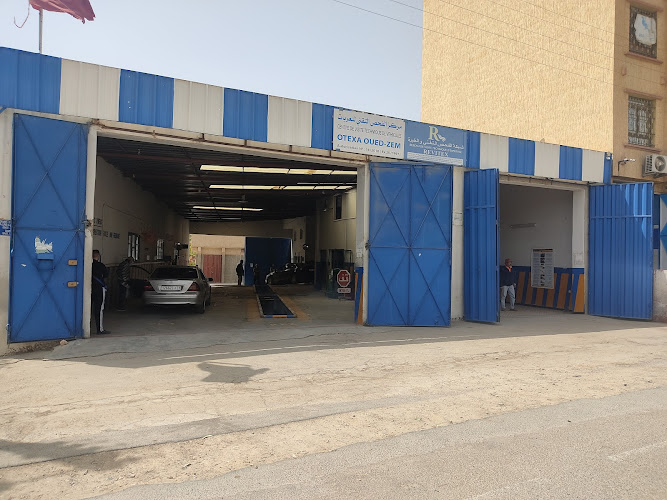
Revitex : Centre de Visite Technique de Véhicules_Otexa Oued Zem
Find Accommodations Nearby
Recommended Tours & Activities
Visitor Reviews
There are no reviews yet. Be the first one to write one.
Share Your Experience
Have you visited fossils oued zem morocco? Help other travelers by leaving a review.