
Fort Des Moines Park
About Fort Des Moines Park
Description
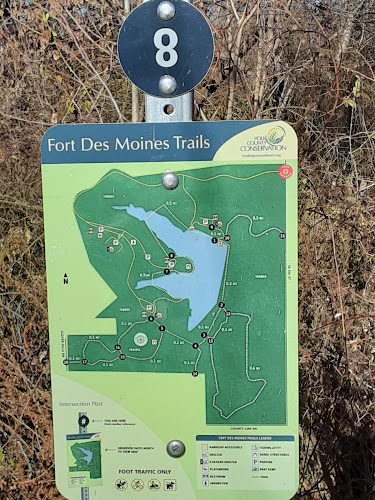
Fort Des Moines Park has earned its reputation as one of those places where families actually want to spend their weekends, which honestly says a lot in today's world of endless entertainment options. This community recreation space sprawls across well-maintained grounds that somehow manage to feel both spacious and welcoming at the same time. The park centers around a fishing lake that draws anglers throughout the year, while an extensive network of trails winds through the property for those who prefer exploring on foot or bicycle. What strikes most visitors right away is how the park balances active recreation with quieter spaces for contemplation. You'll find people casting lines into the lake while just a short walk away, kids are laughing on playground equipment and families are gathered around picnic shelters. There's this relaxed atmosphere that permeates the entire area – nobody's rushing, everyone seems genuinely content to be there. The park has developed into a cornerstone of the local community over the years, serving as both a daily escape for residents and a worthwhile destination for travelers passing through the Des Moines area. It's the kind of place where you might plan to stop for an hour and end up staying half the day because, well, why not? The fishing lake serves as the park's centerpiece, and even if you're not into fishing yourself, watching the sun reflect off the water while you're enjoying lunch at one of the picnic areas creates one of those unexpectedly peaceful moments that make travel worthwhile. The trail system deserves special mention because it's actually well-designed for various skill levels. You won't find yourself accidentally on an advanced hiking path when you were looking for a leisurely stroll with the kids. And speaking of kids, the playground facilities are substantial enough that parents can actually sit down for more than five minutes while their children stay entertained.Key Features
Fort Des Moines Park offers amenities that cater to different types of visitors, making it a versatile destination regardless of your travel style:- Multiple large picnic shelters perfect for group gatherings or birthday celebrations, equipped with tables and often claimed early on weekends
- A fishing lake stocked regularly that attracts both serious anglers and families introducing kids to the sport for the first time
- Well-maintained trail network suitable for hiking, jogging, and casual walks with clearly marked paths
- Dedicated cycling lanes allowing riders to explore the park safely without competing with pedestrian traffic
- Modern playground equipment including slides and swings that meet current safety standards
- Wheelchair accessible entrance and parking facilities ensuring the park welcomes visitors of all mobility levels
- Public restrooms that are actually maintained regularly – a detail travelers appreciate more than you'd think
- Barbecue grills scattered throughout picnic areas for those who want to cook their own meals outdoors
- Dog-friendly policies allowing leashed pets to accompany their owners throughout most of the park
- Ample parking that rarely fills completely, even during peak weekend hours
Best Time to Visit
Timing your visit to Fort Des Moines Park can make the difference between a good experience and a great one. Late spring through early fall represents the prime season, roughly from May through September, when weather conditions align perfectly with outdoor activities. During these months, the park comes alive with green foliage, active wildlife around the lake, and comfortable temperatures for spending extended time outside. But here's something I've learned from years of visiting parks – sometimes the shoulder seasons offer the best experiences. Early May and late September bring fewer crowds while still maintaining pleasant weather. You'll have better chances of securing those prime picnic shelters without reserving weeks in advance, and the trails feel more like personal retreats than community thoroughfares. Summer weekends, particularly Saturday afternoons, draw the biggest crowds. Families claim picnic areas early, and the playground buzzes with activity from mid-morning until early evening. If you're traveling with kids who feed off that energetic atmosphere, summer weekends are perfect. But if you prefer a more tranquil experience, consider visiting on weekday mornings or late afternoons when locals are still at work or school. Fall presents its own charm as leaves change color and temperatures cool down. September and October offer excellent hiking conditions – you won't overheat on the trails, and the scenery provides that classic Midwest autumn aesthetic. The fishing actually improves during fall months as fish become more active in cooler water temperatures. Winter visits appeal to a different type of traveler. The park doesn't close, though amenities like restrooms may have limited hours. Snow-covered trails attract cross-country skiing enthusiasts and those who enjoy winter photography. Just dress appropriately because Iowa winters don't mess around. Spring brings unpredictability. April can swing from beautiful 70-degree days to sudden rain showers within hours. But if you catch those perfect spring days when flowers bloom and trees bud, you'll witness the park at its most refreshing. For fishing specifically, early morning hours year-round produce the best results. Serious anglers arrive before dawn, particularly during summer when midday heat sends fish to deeper, cooler waters.How to Get There
Fort Des Moines Park sits within the Des Moines metro area, making it accessible whether you're arriving from out of state or exploring locally. Most travelers reach the park by personal vehicle, which remains the most practical option given Iowa's car-centric infrastructure. If you're flying into Des Moines International Airport, you're looking at roughly a 15 to 20-minute drive depending on traffic conditions. Rental cars are available at the airport, and the route follows straightforward major roads without complicated navigation. GPS services reliably locate the park, though I'd recommend downloading offline maps just in case cell coverage gets spotty. For those driving from out of state, Interstate 35 and Interstate 80 provide the primary access routes to the Des Moines area. The park is easily reached from either interstate with just a few turns on well-marked roads. Travelers coming from Chicago face about a five-hour drive, while those from Kansas City should plan on roughly three hours behind the wheel. Public transportation exists in Des Moines through the DART bus system, though service frequency and routing may not align perfectly with tourist schedules. If you're committed to using public transit, check current routes and timetables in advance because service can be limited on weekends. Parking at the park itself is abundant and free – one of those small blessings that shouldn't be taken for granted. Multiple parking lots distribute throughout the property, so you can park close to your intended activity area. The lots are paved and well-maintained, not those rutted gravel situations that damage rental car undercarriages. Cyclists can reach the park via Des Moines's expanding trail network, though you'll want to research current route conditions before committing to a bike-only trip. The city has been improving cycling infrastructure, but some connections still require sharing road space with vehicle traffic.Tips for Visiting
Pack more water than you think you'll need, especially during summer months. The Iowa sun can be deceiving – you don't always feel yourself getting dehydrated until you're already behind on fluid intake. Bring a cooler if you're planning an extended visit because while the park has amenities, it doesn't have concession stands. Arriving early on weekends gives you first pick of picnic shelters if you haven't reserved one in advance. By 10 AM on Saturday mornings during summer, the best spots are typically claimed. Some shelters can be reserved ahead of time for birthday parties or group events, which I'd strongly recommend if you're planning something specific. For fishing, you'll need an Iowa fishing license unless you fall under exemption categories. These can be purchased online before your trip, saving time once you arrive. Bring your own equipment because there's no rental available on-site. Local bait shops can provide advice on what's biting currently if you're unfamiliar with the lake. The playground equipment gets hot under direct summer sun – like really hot. Those metal slides can become small torture devices by afternoon. Morning visits are more comfortable for young children, or wait until late afternoon when shadows provide some relief. Dogs must remain leashed throughout the park, and owners are expected to clean up after their pets. Bring waste bags because while some are available in dispensers, they occasionally run empty. Most of the park welcomes four-legged visitors, making it excellent for travelers who bring dogs along. Mosquitoes and other insects can be aggressive near the lake during early morning and evening hours. Bug spray isn't optional if you're fishing at dawn or enjoying a sunset picnic. I learned this the hard way and spent an entire evening slapping at mosquitoes instead of relaxing. The trails vary in difficulty, but none would be considered extremely challenging. Still, wear appropriate footwear – those cute sandals won't feel so cute after a mile of walking on uneven terrain. Athletic shoes or hiking boots serve you better. Public restrooms are available but not at every corner of the park. Plan bathroom breaks accordingly, especially if you're hiking with kids. The facilities are generally clean and stocked, though paper products can run low during busy periods. Weather in Iowa changes quickly. Bring layers even when forecasts look perfect because temperatures can drop significantly after sunset. Afternoon thunderstorms pop up during summer with minimal warning, so keep an eye on the sky and have a plan for seeking shelter if needed. If you're planning a picnic, consider bringing a portable grill rather than relying solely on the park's barbecue facilities. Popular areas see heavy use, and you might find grills already occupied or needing more cleaning than you'd prefer. Cell phone coverage is generally reliable throughout the park, but having downloaded entertainment or maps provides backup for any dead zones. Battery-powered or solar phone chargers prove useful during all-day visits. The park doesn't have lighting throughout, so plan to leave before dark unless you're familiar with the layout. Walking trails become difficult to navigate without natural light, and the fishing lake poses obvious risks in darkness. Finally, take time to simply sit and observe. Fort Des Moines Park offers that increasingly rare commodity – a place to slow down without pressure to be anywhere else. Whether you're traveling through Iowa as part of a larger trip or specifically visiting the Des Moines area, building in time for this park provides balance to busier tourist activities. Sometimes the best travel memories come from unexpected moments in community spaces rather than famous landmarks, and this park consistently delivers those moments for visitors willing to embrace its relaxed pace.Key Features
- Multiple large picnic shelters perfect for group gatherings or birthday celebrations, equipped with tables and often claimed early on weekends
- A fishing lake stocked regularly that attracts both serious anglers and families introducing kids to the sport for the first time
- Well-maintained trail network suitable for hiking, jogging, and casual walks with clearly marked paths
- Dedicated cycling lanes allowing riders to explore the park safely without competing with pedestrian traffic
- Modern playground equipment including slides and swings that meet current safety standards
- Wheelchair accessible entrance and parking facilities ensuring the park welcomes visitors of all mobility levels
- Public restrooms that are actually maintained regularly – a detail travelers appreciate more than you'd think
- Barbecue grills scattered throughout picnic areas for those who want to cook their own meals outdoors
More Details
Updated January 18, 2026
Table of Contents
Description
Fort Des Moines Park has earned its reputation as one of those places where families actually want to spend their weekends, which honestly says a lot in today’s world of endless entertainment options. This community recreation space sprawls across well-maintained grounds that somehow manage to feel both spacious and welcoming at the same time. The park centers around a fishing lake that draws anglers throughout the year, while an extensive network of trails winds through the property for those who prefer exploring on foot or bicycle.
What strikes most visitors right away is how the park balances active recreation with quieter spaces for contemplation. You’ll find people casting lines into the lake while just a short walk away, kids are laughing on playground equipment and families are gathered around picnic shelters. There’s this relaxed atmosphere that permeates the entire area – nobody’s rushing, everyone seems genuinely content to be there.
The park has developed into a cornerstone of the local community over the years, serving as both a daily escape for residents and a worthwhile destination for travelers passing through the Des Moines area. It’s the kind of place where you might plan to stop for an hour and end up staying half the day because, well, why not? The fishing lake serves as the park’s centerpiece, and even if you’re not into fishing yourself, watching the sun reflect off the water while you’re enjoying lunch at one of the picnic areas creates one of those unexpectedly peaceful moments that make travel worthwhile.
The trail system deserves special mention because it’s actually well-designed for various skill levels. You won’t find yourself accidentally on an advanced hiking path when you were looking for a leisurely stroll with the kids. And speaking of kids, the playground facilities are substantial enough that parents can actually sit down for more than five minutes while their children stay entertained.
Key Features
Fort Des Moines Park offers amenities that cater to different types of visitors, making it a versatile destination regardless of your travel style:
- Multiple large picnic shelters perfect for group gatherings or birthday celebrations, equipped with tables and often claimed early on weekends
- A fishing lake stocked regularly that attracts both serious anglers and families introducing kids to the sport for the first time
- Well-maintained trail network suitable for hiking, jogging, and casual walks with clearly marked paths
- Dedicated cycling lanes allowing riders to explore the park safely without competing with pedestrian traffic
- Modern playground equipment including slides and swings that meet current safety standards
- Wheelchair accessible entrance and parking facilities ensuring the park welcomes visitors of all mobility levels
- Public restrooms that are actually maintained regularly – a detail travelers appreciate more than you’d think
- Barbecue grills scattered throughout picnic areas for those who want to cook their own meals outdoors
- Dog-friendly policies allowing leashed pets to accompany their owners throughout most of the park
- Ample parking that rarely fills completely, even during peak weekend hours
Best Time to Visit
Timing your visit to Fort Des Moines Park can make the difference between a good experience and a great one. Late spring through early fall represents the prime season, roughly from May through September, when weather conditions align perfectly with outdoor activities. During these months, the park comes alive with green foliage, active wildlife around the lake, and comfortable temperatures for spending extended time outside.
But here’s something I’ve learned from years of visiting parks – sometimes the shoulder seasons offer the best experiences. Early May and late September bring fewer crowds while still maintaining pleasant weather. You’ll have better chances of securing those prime picnic shelters without reserving weeks in advance, and the trails feel more like personal retreats than community thoroughfares.
Summer weekends, particularly Saturday afternoons, draw the biggest crowds. Families claim picnic areas early, and the playground buzzes with activity from mid-morning until early evening. If you’re traveling with kids who feed off that energetic atmosphere, summer weekends are perfect. But if you prefer a more tranquil experience, consider visiting on weekday mornings or late afternoons when locals are still at work or school.
Fall presents its own charm as leaves change color and temperatures cool down. September and October offer excellent hiking conditions – you won’t overheat on the trails, and the scenery provides that classic Midwest autumn aesthetic. The fishing actually improves during fall months as fish become more active in cooler water temperatures.
Winter visits appeal to a different type of traveler. The park doesn’t close, though amenities like restrooms may have limited hours. Snow-covered trails attract cross-country skiing enthusiasts and those who enjoy winter photography. Just dress appropriately because Iowa winters don’t mess around.
Spring brings unpredictability. April can swing from beautiful 70-degree days to sudden rain showers within hours. But if you catch those perfect spring days when flowers bloom and trees bud, you’ll witness the park at its most refreshing.
For fishing specifically, early morning hours year-round produce the best results. Serious anglers arrive before dawn, particularly during summer when midday heat sends fish to deeper, cooler waters.
How to Get There
Fort Des Moines Park sits within the Des Moines metro area, making it accessible whether you’re arriving from out of state or exploring locally. Most travelers reach the park by personal vehicle, which remains the most practical option given Iowa’s car-centric infrastructure.
If you’re flying into Des Moines International Airport, you’re looking at roughly a 15 to 20-minute drive depending on traffic conditions. Rental cars are available at the airport, and the route follows straightforward major roads without complicated navigation. GPS services reliably locate the park, though I’d recommend downloading offline maps just in case cell coverage gets spotty.
For those driving from out of state, Interstate 35 and Interstate 80 provide the primary access routes to the Des Moines area. The park is easily reached from either interstate with just a few turns on well-marked roads. Travelers coming from Chicago face about a five-hour drive, while those from Kansas City should plan on roughly three hours behind the wheel.
Public transportation exists in Des Moines through the DART bus system, though service frequency and routing may not align perfectly with tourist schedules. If you’re committed to using public transit, check current routes and timetables in advance because service can be limited on weekends.
Parking at the park itself is abundant and free – one of those small blessings that shouldn’t be taken for granted. Multiple parking lots distribute throughout the property, so you can park close to your intended activity area. The lots are paved and well-maintained, not those rutted gravel situations that damage rental car undercarriages.
Cyclists can reach the park via Des Moines’s expanding trail network, though you’ll want to research current route conditions before committing to a bike-only trip. The city has been improving cycling infrastructure, but some connections still require sharing road space with vehicle traffic.
Tips for Visiting
Pack more water than you think you’ll need, especially during summer months. The Iowa sun can be deceiving – you don’t always feel yourself getting dehydrated until you’re already behind on fluid intake. Bring a cooler if you’re planning an extended visit because while the park has amenities, it doesn’t have concession stands.
Arriving early on weekends gives you first pick of picnic shelters if you haven’t reserved one in advance. By 10 AM on Saturday mornings during summer, the best spots are typically claimed. Some shelters can be reserved ahead of time for birthday parties or group events, which I’d strongly recommend if you’re planning something specific.
For fishing, you’ll need an Iowa fishing license unless you fall under exemption categories. These can be purchased online before your trip, saving time once you arrive. Bring your own equipment because there’s no rental available on-site. Local bait shops can provide advice on what’s biting currently if you’re unfamiliar with the lake.
The playground equipment gets hot under direct summer sun – like really hot. Those metal slides can become small torture devices by afternoon. Morning visits are more comfortable for young children, or wait until late afternoon when shadows provide some relief.
Dogs must remain leashed throughout the park, and owners are expected to clean up after their pets. Bring waste bags because while some are available in dispensers, they occasionally run empty. Most of the park welcomes four-legged visitors, making it excellent for travelers who bring dogs along.
Mosquitoes and other insects can be aggressive near the lake during early morning and evening hours. Bug spray isn’t optional if you’re fishing at dawn or enjoying a sunset picnic. I learned this the hard way and spent an entire evening slapping at mosquitoes instead of relaxing.
The trails vary in difficulty, but none would be considered extremely challenging. Still, wear appropriate footwear – those cute sandals won’t feel so cute after a mile of walking on uneven terrain. Athletic shoes or hiking boots serve you better.
Public restrooms are available but not at every corner of the park. Plan bathroom breaks accordingly, especially if you’re hiking with kids. The facilities are generally clean and stocked, though paper products can run low during busy periods.
Weather in Iowa changes quickly. Bring layers even when forecasts look perfect because temperatures can drop significantly after sunset. Afternoon thunderstorms pop up during summer with minimal warning, so keep an eye on the sky and have a plan for seeking shelter if needed.
If you’re planning a picnic, consider bringing a portable grill rather than relying solely on the park’s barbecue facilities. Popular areas see heavy use, and you might find grills already occupied or needing more cleaning than you’d prefer.
Cell phone coverage is generally reliable throughout the park, but having downloaded entertainment or maps provides backup for any dead zones. Battery-powered or solar phone chargers prove useful during all-day visits.
The park doesn’t have lighting throughout, so plan to leave before dark unless you’re familiar with the layout. Walking trails become difficult to navigate without natural light, and the fishing lake poses obvious risks in darkness.
Finally, take time to simply sit and observe. Fort Des Moines Park offers that increasingly rare commodity – a place to slow down without pressure to be anywhere else. Whether you’re traveling through Iowa as part of a larger trip or specifically visiting the Des Moines area, building in time for this park provides balance to busier tourist activities. Sometimes the best travel memories come from unexpected moments in community spaces rather than famous landmarks, and this park consistently delivers those moments for visitors willing to embrace its relaxed pace.
Key Highlights
- Multiple large picnic shelters perfect for group gatherings or birthday celebrations, equipped with tables and often claimed early on weekends
- A fishing lake stocked regularly that attracts both serious anglers and families introducing kids to the sport for the first time
- Well-maintained trail network suitable for hiking, jogging, and casual walks with clearly marked paths
- Dedicated cycling lanes allowing riders to explore the park safely without competing with pedestrian traffic
- Modern playground equipment including slides and swings that meet current safety standards
- Wheelchair accessible entrance and parking facilities ensuring the park welcomes visitors of all mobility levels
- Public restrooms that are actually maintained regularly – a detail travelers appreciate more than you'd think
- Barbecue grills scattered throughout picnic areas for those who want to cook their own meals outdoors
Location
Places to Stay Near Fort Des Moines Park
Find and Book a Tour
Explore More Travel Guides
No reviews found! Be the first to review!
Traveler Reviews for Fort Des Moines Park
There are no reviews yet. Be the first one to write one.
Have you visited Fort Des Moines Park? Help other travelers by sharing your review.
You Might Also Like

Science Center of Iowa

Iowa State Capitol

Pappajohn Sculpture Park
Find Accommodations Nearby
Recommended Tours & Activities
Visitor Reviews
There are no reviews yet. Be the first one to write one.
Share Your Experience
Have you visited Fort Des Moines Park? Help other travelers by leaving a review.