
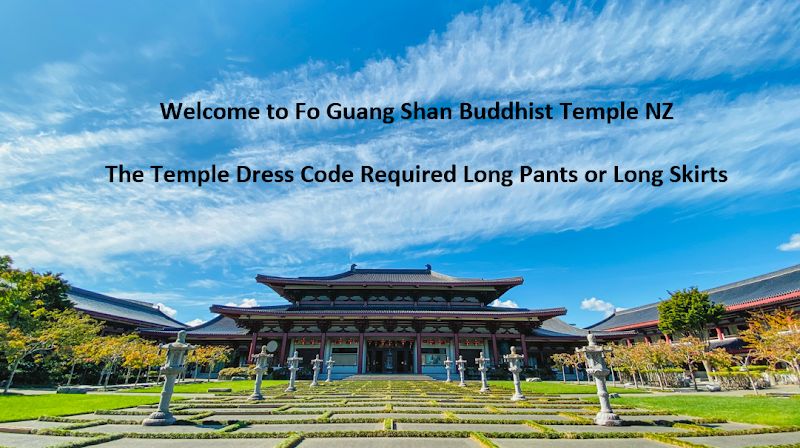
Fo Guang Shan Buddhist Temple
About Fo Guang Shan Buddhist Temple
Description
The Fo Guang Shan Buddhist Temple is the kind of place that quietly rewires your mood. One minute you’re worrying about your phone battery, the next you’re slowing your steps because it just feels wrong to rush here. This large Buddhist temple complex blends spiritual purpose with thoughtful design, and it does so without being pushy about belief. You don’t need to be Buddhist, curious is enough. And travelers, especially those a little burnt out, tend to feel that almost immediately.
The grounds are expansive and carefully landscaped, but not in a stiff, museum-like way. Trees are allowed to look like trees. Paths curve gently. There are moments where you catch the sound of wind chimes or distant chanting, and yeah, it sounds dramatic, but it actually happens. I remember visiting on a weekday afternoon thinking I’d spend 20 minutes. Two hours later I was still wandering, oddly calm, and mildly annoyed that I ever thought rushing through would make sense.
Fo Guang Shan operates as a living religious center and a tourist attraction at the same time, which is a tricky balance. Sometimes that tension shows. You might notice monks going about their routines while visitors snap photos. But instead of feeling awkward, it feels honest. This is a working temple, not a stage set. That authenticity is part of why many travelers leave with more than just photos.
The art gallery on-site is another surprise. It’s not massive, but it’s curated with intention. Buddhist art, calligraphy, and rotating exhibits often explore ideas like compassion, impermanence, and mindfulness. Even if you’re not usually an art gallery person, the quiet here changes how you look. I caught myself staring at one piece far longer than I ever would in a city museum. No alarms, no guards glaring. Just space.
Then there’s the vegetarian cafe. I’ll be honest, I went in skeptical. Temple food has a reputation for being, well, worthy rather than tasty. But the meals here are simple in a good way. Clean flavors, no heavy grease, and portions that leave you satisfied without feeling sluggish. Travelers who’ve been eating fried street food for days often say this is the meal that resets them.
Overall, the Fo Guang Shan Buddhist Temple offers peace, but not the fake Instagram kind. It’s more grounded, more human. Some visitors find it too quiet or too structured, and that’s fair. But for those open to slowing down, it becomes one of those places you keep thinking about long after you’ve left.
Key Features
- Sprawling Buddhist temple complex designed for both worship and visitor exploration
- Landscaped gardens with walking paths, shaded areas, and reflective spaces
- On-site art gallery showcasing Buddhist-themed artwork and exhibitions
- Vegetarian cafe serving wholesome, thoughtfully prepared meals
- Wheelchair-accessible entrances, restrooms, and parking facilities
- Peaceful atmosphere that encourages quiet reflection and mindfulness
- Active religious center where visitors can observe daily practices
- Well-maintained amenities including clean restrooms and seating areas
Best Time to Visit
Timing matters here, maybe more than at most attractions. Early mornings are magic. The air feels cooler, the light softer, and the temple is at its calmest. If you’re the type who usually hates mornings, this might be the place that changes your mind. I once arrived just after opening, slightly grumpy, and left wondering why I don’t do mornings more often.
Weekdays are generally quieter, especially outside of major Buddhist holidays. You’ll have more space to wander, sit, and just exist without feeling like you’re in anyone’s way. Weekends, on the other hand, bring more families, tour groups, and curious first-timers. It’s busier, yes, but also more lively in a gentle, respectful way.
Seasonally, mild weather months are ideal. Hot days can make walking the grounds a bit draining, especially if you’re trying to be contemplative while sweating through your shirt. Rainy days, surprisingly, can be lovely if you don’t mind carrying an umbrella. The sound of rain on temple roofs and stone paths adds a layer of calm that’s hard to describe.
If you’re interested in ceremonies or special events, check the temple’s schedule before planning your visit. Participating or observing can deepen the experience, but it also means more visitors. Decide what you want most: solitude or shared energy. There’s no wrong answer, just different vibes.
How to Get There
Reaching the Fo Guang Shan Buddhist Temple is generally straightforward, though it depends on how you like to travel. Many visitors opt for taxis or rideshares, which are convenient and save time, especially if you’re unfamiliar with local transit systems. Drivers usually know the temple well, so communication tends to be easy.
Public transportation is another solid option for budget-conscious travelers or those who enjoy figuring things out as they go. Buses and trains connect reasonably close to the complex, followed by a short walk or transfer. It might take a bit longer, but the journey gives you a sense of the surrounding area, which I personally enjoy. There’s something grounding about arriving slowly.
If you’re driving, parking facilities are available and designed to accommodate visitors comfortably. The layout is logical, not one of those places where you circle endlessly wondering if you missed a turn. Accessibility has clearly been thought through, which makes a difference for travelers with mobility needs.
Group tours often include Fo Guang Shan as part of a larger itinerary. This can be efficient, but it does limit how long you can stay. If you’re the type who likes lingering, sitting, and changing plans mid-visit, independent travel might suit you better.
Tips for Visiting
Dress modestly. This isn’t about strict rules so much as respect. Comfortable clothing that covers shoulders and knees is a safe bet. And wear good walking shoes. The grounds are larger than they look at first glance, and those smooth stone paths can be unforgiving in flimsy sandals.
Give yourself time. This isn’t a place to rush through ticking boxes. Plan at least a couple of hours, more if you want to eat or visit the art gallery properly. I’ve seen people breeze through in 30 minutes and honestly, they looked stressed leaving.
Keep your voice down and your phone quieter than usual. Photos are generally allowed in outdoor areas, but be mindful indoors. Sometimes the most meaningful moments happen when you put the camera away. I know, ironic advice coming from a travel writer.
Try the vegetarian cafe even if you think you won’t like it. Especially if you think you won’t like it. Consider it part of the experience rather than just a meal. Eat slowly. No one’s rushing you out.
If you’re traveling with kids, set expectations gently. This isn’t a playground, but it can be a great place to introduce concepts like respect, quiet, and curiosity. Short visits, snack breaks, and explaining why people behave a certain way go a long way.
Accessibility is well handled here, but it’s still wise to plan ahead if you have specific needs. Paths are generally smooth, and facilities are thoughtfully designed, though distances between areas can be longer than expected.
Lastly, check your mindset before you go. You don’t need to believe anything specific, but arriving open helps. The Fo Guang Shan Buddhist Temple doesn’t shout for attention. It waits. And if you meet it halfway, you might walk out feeling lighter than you walked in. That’s been my experience, anyway.
Key Features
- Sprawling Buddhist temple complex designed for both worship and visitor exploration
- Landscaped gardens with walking paths, shaded areas, and reflective spaces
- On-site art gallery showcasing Buddhist-themed artwork and exhibitions
- Vegetarian cafe serving wholesome, thoughtfully prepared meals
- Wheelchair-accessible entrances, restrooms, and parking facilities
- Peaceful atmosphere that encourages quiet reflection and mindfulness
- Active religious center where visitors can observe daily practices
- Well-maintained amenities including clean restrooms and seating areas
Tours & Activities
GetYourGuide provides this tour inventory. We may earn a commission if you book through it; verify current availability, prices, and terms with the provider.
Visitor Reviews
There are no reviews yet. Be the first one to write one.
Share Your Experience
Have you visited Fo Guang Shan Buddhist Temple? Help other travelers by leaving a review.