
Fleming Museum of Art
About Fleming Museum of Art
Description
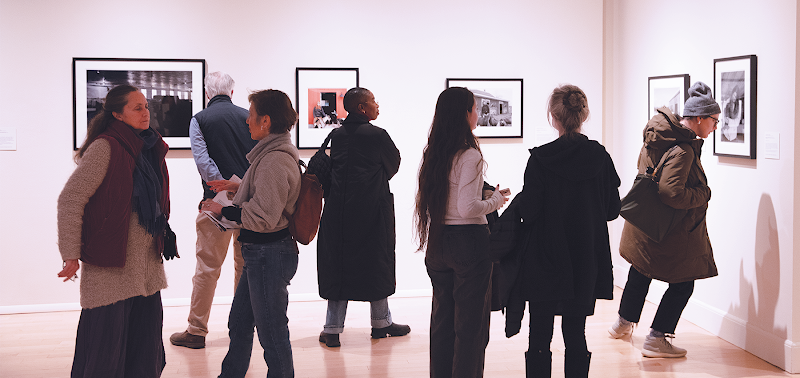
The Fleming Museum of Art at the University of Vermont is one of those places that quietly surprises you. At first glance, it looks like a traditional academic museum, but once inside, you quickly realize it’s much more than just a collection of paintings and artifacts. The museum houses around 24,000 objects, ranging from ancient artifacts to contemporary works, and it manages to weave together art and anthropology in a way that feels both scholarly and personal. It has been part of Burlington’s cultural landscape since 1931, and over the decades it’s grown into a hub where history, creativity, and community meet.
What stands out most is the balance between global and local perspectives. You’ll see African masks, Asian ceramics, and Native American artifacts displayed alongside works by Vermont artists. This mix gives the museum a unique personality—one that feels rooted in its community but also connected to the wider world. And unlike some larger museums that can feel overwhelming, the Fleming is approachable. You can explore the galleries without rushing, actually taking time to absorb what’s in front of you. Some visitors rave about the rotating exhibitions, which often highlight underrepresented voices or tackle contemporary issues. Others come back simply because the space itself is calming, almost like a retreat from the bustle of Burlington.
Of course, not every visitor has the same experience. A few people might wish for more interactivity or larger-scale exhibitions. But the overwhelming sentiment is that the museum delivers far more than expected for its size. It’s the kind of place you leave feeling like you’ve learned something new—not just about art, but about people, history, and maybe even yourself.
Key Features
- Collection of around 24,000 objects spanning art and anthropology
- Rotating exhibitions featuring local, national, and international artists
- Wheelchair accessible entrance, restrooms, and parking
- Family-friendly environment with changing tables for kids
- Gender-neutral restrooms and a safe, inclusive space for LGBTQ+ visitors
- On-site parking available, with both free and paid options
- Guided tours offered for a deeper dive into the collections
- Free Wi-Fi throughout the museum
Best Time to Visit
The best time to visit depends a bit on your travel style. If you prefer a quieter experience, weekday mornings are ideal. That’s when the galleries feel almost like your own private space, perfect for lingering in front of a piece without interruption. Afternoons, especially on weekends, tend to be busier with families and students. I once visited on a rainy Saturday, and while it was more crowded, the energy in the building was infectious—kids pointing out details in the art, students sketching in notebooks, and groups chatting about the exhibits.
Seasonally, fall is particularly special. Burlington is already gorgeous with the foliage, and the museum sometimes aligns its programming with the academic calendar, so you’ll often catch new exhibitions opening. Winter visits, on the other hand, are cozy. When it’s snowing outside, stepping into the warm galleries feels like the perfect escape. Spring and summer bring more tourists, but they also bring special events and programs that make the museum buzz with activity.
How to Get There
Reaching the Fleming Museum of Art is straightforward if you’re in Burlington. The museum sits right on the University of Vermont campus, so it’s centrally located and easy to spot. If you’re driving, there’s on-site parking, though some spaces are paid. For those staying downtown, it’s just a short walk or a quick bus ride up the hill. And honestly, walking is a nice option—it gives you a chance to wander through the campus, which has its own charm with historic brick buildings and green spaces.
If you’re coming from further afield, Burlington’s public transit system connects the campus with other parts of the city. Taxis and rideshares are also widely available. I once opted to bike up from the waterfront, and while the hill was a bit of a workout, it felt rewarding to roll right up to the museum doors.
Tips for Visiting
A few practical tips can make your visit smoother and more enjoyable. First, give yourself at least an hour and a half. The museum isn’t massive, but there’s enough to see that rushing through would feel like a waste. If you’re interested in learning more, consider joining a tour—they’re surprisingly engaging and often highlight details you might otherwise miss.
Families will appreciate the kid-friendly atmosphere. There are changing tables, and the staff are used to having children around, so you don’t need to stress about bringing little ones. And since the museum is LGBTQ+ friendly and explicitly a safe space for transgender visitors, it’s a welcoming environment for everyone.
One thing to note: there’s no restaurant on-site. So if you’re planning a longer visit, grab a bite before or after. Luckily, Burlington has plenty of great cafes and eateries within walking distance. Also, don’t forget to check the schedule for special exhibitions or events—they often host talks, performances, and community programs that can add another layer to your experience.
And lastly, bring an open mind. Some of the exhibits are traditional, but others can be thought-provoking or even a little challenging. That’s part of the beauty of the Fleming—it’s not just about looking at art, it’s about engaging with ideas. You might walk out with a new perspective, which, in my book, is the best souvenir you can get from a museum.
Key Features
- Collection of around 24,000 objects spanning art and anthropology
- Rotating exhibitions featuring local, national, and international artists
- Wheelchair accessible entrance, restrooms, and parking
- Family-friendly environment with changing tables for kids
- Gender-neutral restrooms and a safe, inclusive space for LGBTQ+ visitors
- On-site parking available, with both free and paid options
- Guided tours offered for a deeper dive into the collections
- Free Wi-Fi throughout the museum
More Details
Updated September 10, 2025
Table of Contents
Description
The Fleming Museum of Art at the University of Vermont is one of those places that quietly surprises you. At first glance, it looks like a traditional academic museum, but once inside, you quickly realize it’s much more than just a collection of paintings and artifacts. The museum houses around 24,000 objects, ranging from ancient artifacts to contemporary works, and it manages to weave together art and anthropology in a way that feels both scholarly and personal. It has been part of Burlington’s cultural landscape since 1931, and over the decades it’s grown into a hub where history, creativity, and community meet.
What stands out most is the balance between global and local perspectives. You’ll see African masks, Asian ceramics, and Native American artifacts displayed alongside works by Vermont artists. This mix gives the museum a unique personality—one that feels rooted in its community but also connected to the wider world. And unlike some larger museums that can feel overwhelming, the Fleming is approachable. You can explore the galleries without rushing, actually taking time to absorb what’s in front of you. Some visitors rave about the rotating exhibitions, which often highlight underrepresented voices or tackle contemporary issues. Others come back simply because the space itself is calming, almost like a retreat from the bustle of Burlington.
Of course, not every visitor has the same experience. A few people might wish for more interactivity or larger-scale exhibitions. But the overwhelming sentiment is that the museum delivers far more than expected for its size. It’s the kind of place you leave feeling like you’ve learned something new—not just about art, but about people, history, and maybe even yourself.
Key Features
- Collection of around 24,000 objects spanning art and anthropology
- Rotating exhibitions featuring local, national, and international artists
- Wheelchair accessible entrance, restrooms, and parking
- Family-friendly environment with changing tables for kids
- Gender-neutral restrooms and a safe, inclusive space for LGBTQ+ visitors
- On-site parking available, with both free and paid options
- Guided tours offered for a deeper dive into the collections
- Free Wi-Fi throughout the museum
Best Time to Visit
The best time to visit depends a bit on your travel style. If you prefer a quieter experience, weekday mornings are ideal. That’s when the galleries feel almost like your own private space, perfect for lingering in front of a piece without interruption. Afternoons, especially on weekends, tend to be busier with families and students. I once visited on a rainy Saturday, and while it was more crowded, the energy in the building was infectious—kids pointing out details in the art, students sketching in notebooks, and groups chatting about the exhibits.
Seasonally, fall is particularly special. Burlington is already gorgeous with the foliage, and the museum sometimes aligns its programming with the academic calendar, so you’ll often catch new exhibitions opening. Winter visits, on the other hand, are cozy. When it’s snowing outside, stepping into the warm galleries feels like the perfect escape. Spring and summer bring more tourists, but they also bring special events and programs that make the museum buzz with activity.
How to Get There
Reaching the Fleming Museum of Art is straightforward if you’re in Burlington. The museum sits right on the University of Vermont campus, so it’s centrally located and easy to spot. If you’re driving, there’s on-site parking, though some spaces are paid. For those staying downtown, it’s just a short walk or a quick bus ride up the hill. And honestly, walking is a nice option—it gives you a chance to wander through the campus, which has its own charm with historic brick buildings and green spaces.
If you’re coming from further afield, Burlington’s public transit system connects the campus with other parts of the city. Taxis and rideshares are also widely available. I once opted to bike up from the waterfront, and while the hill was a bit of a workout, it felt rewarding to roll right up to the museum doors.
Tips for Visiting
A few practical tips can make your visit smoother and more enjoyable. First, give yourself at least an hour and a half. The museum isn’t massive, but there’s enough to see that rushing through would feel like a waste. If you’re interested in learning more, consider joining a tour—they’re surprisingly engaging and often highlight details you might otherwise miss.
Families will appreciate the kid-friendly atmosphere. There are changing tables, and the staff are used to having children around, so you don’t need to stress about bringing little ones. And since the museum is LGBTQ+ friendly and explicitly a safe space for transgender visitors, it’s a welcoming environment for everyone.
One thing to note: there’s no restaurant on-site. So if you’re planning a longer visit, grab a bite before or after. Luckily, Burlington has plenty of great cafes and eateries within walking distance. Also, don’t forget to check the schedule for special exhibitions or events—they often host talks, performances, and community programs that can add another layer to your experience.
And lastly, bring an open mind. Some of the exhibits are traditional, but others can be thought-provoking or even a little challenging. That’s part of the beauty of the Fleming—it’s not just about looking at art, it’s about engaging with ideas. You might walk out with a new perspective, which, in my book, is the best souvenir you can get from a museum.
Key Highlights
- Collection of around 24,000 objects spanning art and anthropology
- Rotating exhibitions featuring local, national, and international artists
- Wheelchair accessible entrance, restrooms, and parking
- Family-friendly environment with changing tables for kids
- Gender-neutral restrooms and a safe, inclusive space for LGBTQ+ visitors
- On-site parking available, with both free and paid options
- Guided tours offered for a deeper dive into the collections
- Free Wi-Fi throughout the museum
Location
Places to Stay Near Fleming Museum of Art
Find and Book a Tour
Explore More Travel Guides
No reviews found! Be the first to review!
Traveler Reviews for Fleming Museum of Art
There are no reviews yet. Be the first one to write one.
Have you visited Fleming Museum of Art? Help other travelers by sharing your review.
You Might Also Like

North Beach Park
Frog Hollow Vermont State Craft Center
Ethan Allen Homestead Museum and Historic Site
Find Accommodations Nearby
Recommended Tours & Activities
Visitor Reviews
There are no reviews yet. Be the first one to write one.
Share Your Experience
Have you visited Fleming Museum of Art? Help other travelers by leaving a review.