About Fleischmann Planetarium

Description

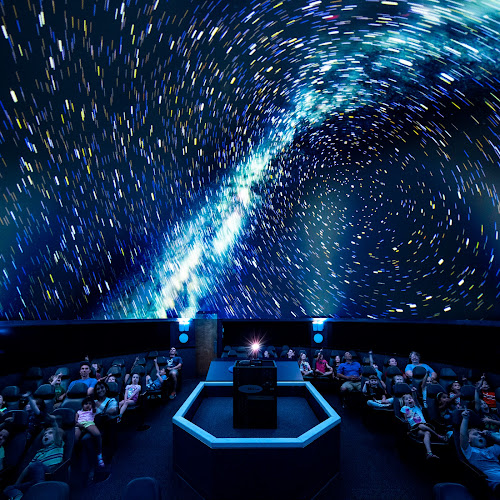
The Fleischmann Planetarium stands as one of northern Nevada's most captivating educational attractions, offering visitors an extraordinary journey through space and science without ever leaving the ground. Located on the University of Nevada, Reno campus, this facility has been sparking curiosity and wonder in travelers and locals alike for decades. What makes this planetarium particularly special is its combination of cutting-edge technology and hands-on exhibits that transform complex astronomical concepts into accessible experiences for everyone from young children to seasoned space enthusiasts. The centerpiece of the planetarium is its impressive SkyDome theater, which uses large-format projection technology to transport audiences across galaxies, beneath ocean surfaces, and into environments that would otherwise remain completely inaccessible. And honestly, there's something profoundly moving about sitting beneath that dome as the lights dim and suddenly you're floating through the cosmos. The dome itself creates an immersive 360-degree experience that traditional flat screens simply can't match. But the planetarium isn't just about passive viewing. Throughout the facility, visitors will discover interactive science exhibits that encourage exploration and experimentation. The crown jewel of the collection? A genuine one-ton meteorite that traveled millions of miles through space before landing here on Earth. Standing next to something that ancient and otherworldly creates a connection to the universe that's hard to describe in words. The facility operates with a clear mission to make science accessible and exciting, which shows in every aspect of their programming. They've managed to strike that delicate balance between educational rigor and entertainment value that so many science museums struggle with. Whether you're a traveler passing through Reno looking for a family-friendly activity or someone with a serious interest in astronomy, the Fleischmann Planetarium delivers an experience that feels both worthwhile and genuinely enriching.

Key Features

The Fleischmann Planetarium offers an impressive array of features that distinguish it from other science attractions in the region:
  • SkyDome Theater: The state-of-the-art planetarium dome presents full-dome shows that cover everything from traditional astronomy presentations to nature documentaries and even music-synchronized visual experiences. The immersive format makes you feel like you're actually traveling through space rather than just watching a film about it.
  • One-Ton Meteorite Display: This genuine space rock serves as one of the museum's most popular attractions, offering visitors a tangible connection to the cosmos and providing excellent photo opportunities.
  • Interactive Science Exhibits: The planetarium features rotating and permanent exhibits covering topics in astronomy, physics, earth science, and space exploration. These hands-on displays encourage visitors to experiment and learn through direct engagement.
  • Live Performances and Presentations: Regular live presentations hosted by knowledgeable staff members provide opportunities to ask questions and dive deeper into astronomical topics that pique your curiosity.
  • Active Military Discounts: The facility honors military service with special pricing, making it an affordable option for military families traveling through the area.
  • Full Accessibility Features: With wheelchair accessible entrances, parking, restrooms, and seating, plus assisted listening devices available, the planetarium ensures that everyone can enjoy the cosmic experience regardless of physical limitations.
  • Modern Payment Options: The facility accepts credit cards, debit cards, and contactless mobile payments, making transactions convenient for international and domestic travelers alike.
  • Observatory Access: Beyond the indoor exhibits, the facility provides opportunities for stargazing through telescopes during special events and programs.

Best Time to Visit

Planning your visit to the Fleischmann Planetarium requires a bit of strategic thinking to maximize your experience. The facility operates year-round, but certain times definitely offer advantages over others. Weekday afternoons during the academic year tend to be quieter, which means you'll have more space to explore exhibits at your own pace and won't feel rushed through the experience. I've found that Tuesday through Thursday afternoons are particularly pleasant for this reason. You can actually spend time with each exhibit without someone breathing down your neck waiting for their turn. Weekend visits bring larger crowds, especially when popular shows are scheduled in the SkyDome. But weekends also typically feature a wider variety of show times and special programming. If you're traveling with kids who have school during the week, weekend mornings right when the planetarium opens offer a sweet spot where you can beat some of the afternoon rush. Summer months see increased visitation from tourists and families, but they also coincide with special summer programming and extended hours. The trade-off between crowds and enhanced offerings is something each traveler needs to weigh based on their own preferences. For the absolute best experience, check the planetarium's show schedule before planning your visit. Some of their special presentations or guest speakers only happen a few times per year, and building your trip around one of these events can transform a good visit into an unforgettable one. Weather-wise, Reno experiences four distinct seasons, and winter visits to the planetarium can be particularly appealing when outdoor activities become less inviting. There's something especially cozy about escaping the cold to travel through warm nebulae and distant star systems. Plus, winter often means clearer skies for any observatory sessions that might be available. Evening visits during new moon phases can be exceptional if you're hoping to participate in telescope viewing, as the darker skies provide better visibility of celestial objects.

How to Get There

The Fleischmann Planetarium's location on the University of Nevada, Reno campus puts it within easy reach of downtown Reno and the surrounding areas. For travelers flying into the region, Reno-Tahoe International Airport sits approximately fifteen minutes away by car, making this an achievable destination even if you're just passing through on a layover. Driving remains the most straightforward option for most visitors. The planetarium is situated on the northern edge of the UNR campus, with dedicated parking available nearby. During the academic year, parking can get competitive when classes are in session, so arriving a bit early gives you time to find a spot without stress. The parking lots are clearly marked, and signage directing visitors to the planetarium is generally helpful, though the university campus layout can be a bit confusing for first-time visitors. For those relying on public transportation, the RTC of Washoe County operates several bus routes that service the university area. Routes vary by day of week, so checking the current schedule before your trip is essential. The bus system in Reno is honestly more reliable than many travelers expect, though service frequency isn't quite what you'd find in larger metropolitan areas. Rideshare services like Uber and Lyft operate throughout Reno and provide convenient door-to-door service to the planetarium. This option works particularly well for travelers staying in downtown Reno hotels or casinos, as the ride typically takes less than ten minutes and costs remain reasonable. If you're already exploring the Lake Tahoe area, the planetarium makes for an excellent addition to a Reno day trip. The drive from South Lake Tahoe takes roughly an hour depending on traffic and weather conditions, offering scenic mountain views along the way. Walking or biking to the planetarium is certainly possible for those staying near campus, and the area features some pleasant residential neighborhoods that make the journey enjoyable. Just be aware that Reno sits at an elevation of about 4,500 feet, which can leave sea-level dwellers a bit winded during physical activity.

Tips for Visiting

Making the most of your Fleischmann Planetarium experience requires a bit of insider knowledge that typical tourist guides won't tell you. First and foremost, arrive at least twenty minutes before your scheduled show time. This gives you adequate time to find parking, purchase tickets, use the restroom, and explore some of the lobby exhibits without feeling rushed. And trust me on this one – few things are more frustrating than missing the beginning of a dome show because you underestimated parking challenges. The SkyDome shows involve reclining seating where you're looking upward at the dome for extended periods. Bring a light jacket or sweater even during summer months, as the theater maintains cooler temperatures and sitting still in air conditioning for 45 minutes can get chilly. I learned this the hard way during a summer visit when I spent half a show trying not to shiver. Photography policies at the planetarium vary depending on the exhibit and show. The meteorite and many static exhibits welcome photos, but flash photography is prohibited in certain areas. During dome shows, all photography and recording is typically forbidden both out of respect for other guests and copyright protections. Just put the phone away and experience the show – your Instagram feed can survive without it. For families with young children, consider the show content carefully. Some presentations are specifically designed for younger audiences with shorter run times and age-appropriate content, while others assume a higher level of scientific understanding and attention span. A six-year-old might be absolutely captivated by a show about dinosaurs but completely lost during a detailed exploration of black hole physics. The planetarium's gift shop offers unique space-themed merchandise that makes for excellent souvenirs or educational gifts. Prices are reasonable compared to many tourist attractions, and the selection includes items you won't find in typical stores. If you're visiting during the academic year, the campus parking situation can be tricky. Some lots require permits during weekday business hours but open to visitors after 5 PM or on weekends. Call ahead to verify parking availability for your specific visit time – it could save you significant hassle. Pack light when visiting. Large bags and backpacks aren't prohibited, but the theater seating and exhibit areas have limited storage space. You'll be more comfortable exploring with just the essentials in your pockets or a small bag. Check for special events or guest speakers before finalizing your travel dates. The planetarium occasionally hosts astronomers, astronauts, and other notable figures in science fields. These events require separate tickets and sell out quickly, but they provide once-in-a-lifetime opportunities to learn from experts. Restrooms are available on-site, but they're not particularly large facilities. Plan bathroom breaks strategically, especially before settling in for a dome show. For visitors with mobility concerns, the staff are genuinely accommodating and helpful. Don't hesitate to request assistance or ask questions about accessibility features. They've worked hard to make the facility welcoming to everyone, and they want you to have a positive experience. Finally, give yourself more time than you think you'll need. Many travelers plan for a quick one-hour visit but find themselves wanting to explore exhibits more thoroughly or catch multiple shows. If your schedule allows, budget at least two to three hours to really appreciate everything the planetarium offers without feeling rushed. The universe isn't going anywhere, but your appreciation for it might just expand in ways you didn't expect.

Key Features

  • Key Features
  • Best Time to Visit
  • How to Get There
  • Tips for Visiting

More Details

Updated January 17, 2026

Description

The Fleischmann Planetarium stands as one of northern Nevada’s most captivating educational attractions, offering visitors an extraordinary journey through space and science without ever leaving the ground. Located on the University of Nevada, Reno campus, this facility has been sparking curiosity and wonder in travelers and locals alike for decades. What makes this planetarium particularly special is its combination of cutting-edge technology and hands-on exhibits that transform complex astronomical concepts into accessible experiences for everyone from young children to seasoned space enthusiasts.

The centerpiece of the planetarium is its impressive SkyDome theater, which uses large-format projection technology to transport audiences across galaxies, beneath ocean surfaces, and into environments that would otherwise remain completely inaccessible. And honestly, there’s something profoundly moving about sitting beneath that dome as the lights dim and suddenly you’re floating through the cosmos. The dome itself creates an immersive 360-degree experience that traditional flat screens simply can’t match.

But the planetarium isn’t just about passive viewing. Throughout the facility, visitors will discover interactive science exhibits that encourage exploration and experimentation. The crown jewel of the collection? A genuine one-ton meteorite that traveled millions of miles through space before landing here on Earth. Standing next to something that ancient and otherworldly creates a connection to the universe that’s hard to describe in words.

The facility operates with a clear mission to make science accessible and exciting, which shows in every aspect of their programming. They’ve managed to strike that delicate balance between educational rigor and entertainment value that so many science museums struggle with. Whether you’re a traveler passing through Reno looking for a family-friendly activity or someone with a serious interest in astronomy, the Fleischmann Planetarium delivers an experience that feels both worthwhile and genuinely enriching.

Key Features

The Fleischmann Planetarium offers an impressive array of features that distinguish it from other science attractions in the region:

  • SkyDome Theater: The state-of-the-art planetarium dome presents full-dome shows that cover everything from traditional astronomy presentations to nature documentaries and even music-synchronized visual experiences. The immersive format makes you feel like you’re actually traveling through space rather than just watching a film about it.
  • One-Ton Meteorite Display: This genuine space rock serves as one of the museum’s most popular attractions, offering visitors a tangible connection to the cosmos and providing excellent photo opportunities.
  • Interactive Science Exhibits: The planetarium features rotating and permanent exhibits covering topics in astronomy, physics, earth science, and space exploration. These hands-on displays encourage visitors to experiment and learn through direct engagement.
  • Live Performances and Presentations: Regular live presentations hosted by knowledgeable staff members provide opportunities to ask questions and dive deeper into astronomical topics that pique your curiosity.
  • Active Military Discounts: The facility honors military service with special pricing, making it an affordable option for military families traveling through the area.
  • Full Accessibility Features: With wheelchair accessible entrances, parking, restrooms, and seating, plus assisted listening devices available, the planetarium ensures that everyone can enjoy the cosmic experience regardless of physical limitations.
  • Modern Payment Options: The facility accepts credit cards, debit cards, and contactless mobile payments, making transactions convenient for international and domestic travelers alike.
  • Observatory Access: Beyond the indoor exhibits, the facility provides opportunities for stargazing through telescopes during special events and programs.

Best Time to Visit

Planning your visit to the Fleischmann Planetarium requires a bit of strategic thinking to maximize your experience. The facility operates year-round, but certain times definitely offer advantages over others.

Weekday afternoons during the academic year tend to be quieter, which means you’ll have more space to explore exhibits at your own pace and won’t feel rushed through the experience. I’ve found that Tuesday through Thursday afternoons are particularly pleasant for this reason. You can actually spend time with each exhibit without someone breathing down your neck waiting for their turn.

Weekend visits bring larger crowds, especially when popular shows are scheduled in the SkyDome. But weekends also typically feature a wider variety of show times and special programming. If you’re traveling with kids who have school during the week, weekend mornings right when the planetarium opens offer a sweet spot where you can beat some of the afternoon rush.

Summer months see increased visitation from tourists and families, but they also coincide with special summer programming and extended hours. The trade-off between crowds and enhanced offerings is something each traveler needs to weigh based on their own preferences.

For the absolute best experience, check the planetarium’s show schedule before planning your visit. Some of their special presentations or guest speakers only happen a few times per year, and building your trip around one of these events can transform a good visit into an unforgettable one.

Weather-wise, Reno experiences four distinct seasons, and winter visits to the planetarium can be particularly appealing when outdoor activities become less inviting. There’s something especially cozy about escaping the cold to travel through warm nebulae and distant star systems. Plus, winter often means clearer skies for any observatory sessions that might be available.

Evening visits during new moon phases can be exceptional if you’re hoping to participate in telescope viewing, as the darker skies provide better visibility of celestial objects.

How to Get There

The Fleischmann Planetarium’s location on the University of Nevada, Reno campus puts it within easy reach of downtown Reno and the surrounding areas. For travelers flying into the region, Reno-Tahoe International Airport sits approximately fifteen minutes away by car, making this an achievable destination even if you’re just passing through on a layover.

Driving remains the most straightforward option for most visitors. The planetarium is situated on the northern edge of the UNR campus, with dedicated parking available nearby. During the academic year, parking can get competitive when classes are in session, so arriving a bit early gives you time to find a spot without stress. The parking lots are clearly marked, and signage directing visitors to the planetarium is generally helpful, though the university campus layout can be a bit confusing for first-time visitors.

For those relying on public transportation, the RTC of Washoe County operates several bus routes that service the university area. Routes vary by day of week, so checking the current schedule before your trip is essential. The bus system in Reno is honestly more reliable than many travelers expect, though service frequency isn’t quite what you’d find in larger metropolitan areas.

Rideshare services like Uber and Lyft operate throughout Reno and provide convenient door-to-door service to the planetarium. This option works particularly well for travelers staying in downtown Reno hotels or casinos, as the ride typically takes less than ten minutes and costs remain reasonable.

If you’re already exploring the Lake Tahoe area, the planetarium makes for an excellent addition to a Reno day trip. The drive from South Lake Tahoe takes roughly an hour depending on traffic and weather conditions, offering scenic mountain views along the way.

Walking or biking to the planetarium is certainly possible for those staying near campus, and the area features some pleasant residential neighborhoods that make the journey enjoyable. Just be aware that Reno sits at an elevation of about 4,500 feet, which can leave sea-level dwellers a bit winded during physical activity.

Tips for Visiting

Making the most of your Fleischmann Planetarium experience requires a bit of insider knowledge that typical tourist guides won’t tell you. First and foremost, arrive at least twenty minutes before your scheduled show time. This gives you adequate time to find parking, purchase tickets, use the restroom, and explore some of the lobby exhibits without feeling rushed. And trust me on this one – few things are more frustrating than missing the beginning of a dome show because you underestimated parking challenges.

The SkyDome shows involve reclining seating where you’re looking upward at the dome for extended periods. Bring a light jacket or sweater even during summer months, as the theater maintains cooler temperatures and sitting still in air conditioning for 45 minutes can get chilly. I learned this the hard way during a summer visit when I spent half a show trying not to shiver.

Photography policies at the planetarium vary depending on the exhibit and show. The meteorite and many static exhibits welcome photos, but flash photography is prohibited in certain areas. During dome shows, all photography and recording is typically forbidden both out of respect for other guests and copyright protections. Just put the phone away and experience the show – your Instagram feed can survive without it.

For families with young children, consider the show content carefully. Some presentations are specifically designed for younger audiences with shorter run times and age-appropriate content, while others assume a higher level of scientific understanding and attention span. A six-year-old might be absolutely captivated by a show about dinosaurs but completely lost during a detailed exploration of black hole physics.

The planetarium’s gift shop offers unique space-themed merchandise that makes for excellent souvenirs or educational gifts. Prices are reasonable compared to many tourist attractions, and the selection includes items you won’t find in typical stores.

If you’re visiting during the academic year, the campus parking situation can be tricky. Some lots require permits during weekday business hours but open to visitors after 5 PM or on weekends. Call ahead to verify parking availability for your specific visit time – it could save you significant hassle.

Pack light when visiting. Large bags and backpacks aren’t prohibited, but the theater seating and exhibit areas have limited storage space. You’ll be more comfortable exploring with just the essentials in your pockets or a small bag.

Check for special events or guest speakers before finalizing your travel dates. The planetarium occasionally hosts astronomers, astronauts, and other notable figures in science fields. These events require separate tickets and sell out quickly, but they provide once-in-a-lifetime opportunities to learn from experts.

Restrooms are available on-site, but they’re not particularly large facilities. Plan bathroom breaks strategically, especially before settling in for a dome show.

For visitors with mobility concerns, the staff are genuinely accommodating and helpful. Don’t hesitate to request assistance or ask questions about accessibility features. They’ve worked hard to make the facility welcoming to everyone, and they want you to have a positive experience.

Finally, give yourself more time than you think you’ll need. Many travelers plan for a quick one-hour visit but find themselves wanting to explore exhibits more thoroughly or catch multiple shows. If your schedule allows, budget at least two to three hours to really appreciate everything the planetarium offers without feeling rushed. The universe isn’t going anywhere, but your appreciation for it might just expand in ways you didn’t expect.

Key Highlights

  • Key Features
  • Best Time to Visit
  • How to Get There
  • Tips for Visiting

Location

Places to Stay Near Fleischmann Planetarium

Find and Book a Tour

Explore More Travel Guides

No reviews found! Be the first to review!

Traveler Reviews for Fleischmann Planetarium

There are no reviews yet. Be the first one to write one.

Share Your Experience

Have you visited Fleischmann Planetarium? Help other travelers by sharing your review.

Find Accommodations Nearby

Recommended Tours & Activities

Visitor Reviews

There are no reviews yet. Be the first one to write one.

Share Your Experience

Have you visited Fleischmann Planetarium? Help other travelers by leaving a review.