About Fisheries Museum

Description

The Fisheries Museum in Maputo is one of those places that quietly surprises you. It’s not flashy or overly polished, but it has a kind of charm that sticks with you. The museum tells the story of Mozambique’s deep relationship with the sea—how fishing shaped its people, its food, and even its culture. When you step inside, you can almost smell the salt in the air and imagine the fishermen setting sail at dawn, chasing the horizon.

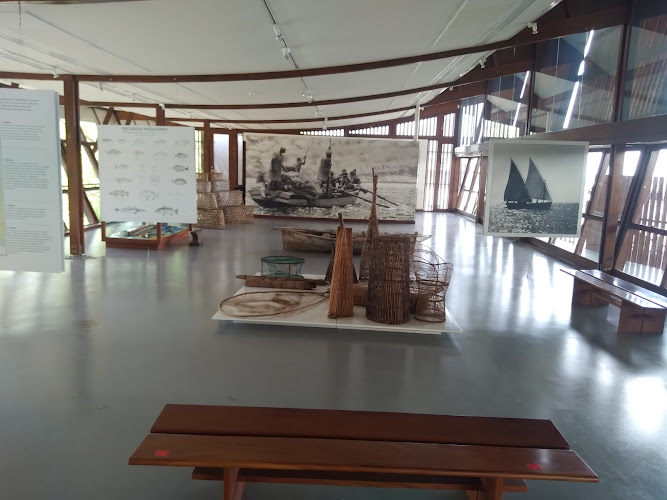
What I personally love about this museum is its authenticity. It doesn’t try to overwhelm you with fancy digital displays or high-tech gimmicks. Instead, it’s filled with real artifacts—old fishing nets, wooden boats, and weathered tools that have seen decades of use. It’s the kind of place where history feels tangible. The exhibits cover everything from traditional fishing methods to the evolution of maritime trade along the Mozambican coast. You’ll see models of dhows, the traditional sailing vessels, and learn how these boats once connected Mozambique to the wider Indian Ocean world.

The staff here are friendly and genuinely passionate about what they do. They’re happy to chat about the exhibits and share stories that aren’t written on the placards. And though the museum isn’t huge, it’s thoughtfully laid out, making it easy to explore at your own pace. It’s also air-conditioned, which is a blessing on those hot Maputo afternoons.

The museum is family-friendly and accessible, with ramps and wide corridors that make it easy for wheelchair users to move around. There’s a small restroom facility, though no restaurant on-site, so it’s best to grab a bite before or after your visit. Still, it’s the kind of place that leaves you thinking—not just about fishing, but about how people and the sea are intertwined in ways that go far beyond economics or sustenance.

Key Features

  • Authentic maritime artifacts, including traditional fishing tools and wooden boats
  • Exhibits showcasing Mozambique’s coastal heritage and fishing traditions
  • Knowledgeable and welcoming staff offering guided insights
  • Wheelchair-accessible entrance, restrooms, and parking
  • Family-friendly environment suitable for children
  • Air-conditioned interior for a comfortable visit

One small thing I noticed—some displays could use a bit of updating, maybe clearer labels or better lighting. But honestly, that rough-around-the-edges vibe gives it character. It feels real, not like a staged attraction. It’s a museum that’s quietly doing its job—preserving a vital piece of Mozambique’s identity.

Best Time to Visit

If you’re planning a trip, the best time to visit is during the dry season, roughly from May to October. The weather is cooler, the skies are clearer, and you can explore more comfortably without the sticky humidity. I went in late August, and it was perfect—not too crowded, not too hot. Mornings are ideal since the museum tends to be quieter and you can take your time wandering through without feeling rushed.

Avoid visiting right after lunch, especially on weekends, because that’s when tour groups sometimes trickle in. And if you’re a photographer, the morning light filtering through the windows gives the exhibits a lovely glow.

How to Get There

Reaching the Fisheries Museum is quite straightforward if you’re already in central Maputo. It’s a short drive from the city’s main avenues, and taxis or ride-hailing services are easy to find. If you’re feeling adventurous, you could even walk there from the waterfront area—it’s a pleasant stroll, especially if you love taking in the city’s rhythm.

Public transportation is available, but it can be a bit unpredictable for travelers unfamiliar with local routes. Personally, I’d recommend hiring a local driver or using a rideshare app. It’s affordable and saves you the hassle of figuring out which minibus goes where. Parking is available nearby, and it’s generally safe, though it’s always wise to keep an eye on your belongings—just common sense stuff.

Tips for Visiting

Here’s where a few insider tips come in handy. First off, bring some cash. While entrance fees are modest, not every place in Maputo accepts cards, and it’s always good to have some meticais on hand. Also, plan for about an hour to an hour and a half inside the museum—that’s enough time to see everything without rushing.

If you’re traveling with kids, they’ll enjoy the models of boats and fish species displays. It’s educational without being boring. And for those who love photography, the museum offers plenty of interesting textures and colors—aged wood, ropes, nets, and the soft play of light through the windows. Just remember to ask before snapping photos of certain exhibits.

One thing I always tell people: don’t just visit the museum and leave. Take a little time to explore the surrounding area. There’s a quiet, almost nostalgic feel to the neighborhood, and if you wander a bit, you’ll find local fishermen repairing nets or kids playing by the water. It gives you a glimpse of the living culture that the museum is trying to preserve.

And finally—don’t expect a polished, high-tech experience. Expect something real. The Fisheries Museum is about stories, craftsmanship, and the heartbeat of a coastal nation. It’s not about grandeur; it’s about connection. If you go in with that mindset, you’ll walk out with a deeper appreciation for Mozambique’s maritime soul.

So, if you’re the kind of traveler who values authenticity over spectacle, this museum will speak to you. It’s small, sure, but it’s honest. And in a world full of glossy tourist traps, that honesty feels refreshing.

Key Features

  • Authentic maritime artifacts, including traditional fishing tools and wooden boats
  • Exhibits showcasing Mozambique’s coastal heritage and fishing traditions
  • Knowledgeable and welcoming staff offering guided insights
  • Wheelchair-accessible entrance, restrooms, and parking
  • Family-friendly environment suitable for children
  • Air-conditioned interior for a comfortable visit

More Details

Updated October 11, 2025


Description

The Fisheries Museum in Maputo is one of those places that quietly surprises you. It’s not flashy or overly polished, but it has a kind of charm that sticks with you. The museum tells the story of Mozambique’s deep relationship with the sea—how fishing shaped its people, its food, and even its culture. When you step inside, you can almost smell the salt in the air and imagine the fishermen setting sail at dawn, chasing the horizon.

What I personally love about this museum is its authenticity. It doesn’t try to overwhelm you with fancy digital displays or high-tech gimmicks. Instead, it’s filled with real artifacts—old fishing nets, wooden boats, and weathered tools that have seen decades of use. It’s the kind of place where history feels tangible. The exhibits cover everything from traditional fishing methods to the evolution of maritime trade along the Mozambican coast. You’ll see models of dhows, the traditional sailing vessels, and learn how these boats once connected Mozambique to the wider Indian Ocean world.

The staff here are friendly and genuinely passionate about what they do. They’re happy to chat about the exhibits and share stories that aren’t written on the placards. And though the museum isn’t huge, it’s thoughtfully laid out, making it easy to explore at your own pace. It’s also air-conditioned, which is a blessing on those hot Maputo afternoons.

The museum is family-friendly and accessible, with ramps and wide corridors that make it easy for wheelchair users to move around. There’s a small restroom facility, though no restaurant on-site, so it’s best to grab a bite before or after your visit. Still, it’s the kind of place that leaves you thinking—not just about fishing, but about how people and the sea are intertwined in ways that go far beyond economics or sustenance.

Key Features

  • Authentic maritime artifacts, including traditional fishing tools and wooden boats
  • Exhibits showcasing Mozambique’s coastal heritage and fishing traditions
  • Knowledgeable and welcoming staff offering guided insights
  • Wheelchair-accessible entrance, restrooms, and parking
  • Family-friendly environment suitable for children
  • Air-conditioned interior for a comfortable visit

One small thing I noticed—some displays could use a bit of updating, maybe clearer labels or better lighting. But honestly, that rough-around-the-edges vibe gives it character. It feels real, not like a staged attraction. It’s a museum that’s quietly doing its job—preserving a vital piece of Mozambique’s identity.

Best Time to Visit

If you’re planning a trip, the best time to visit is during the dry season, roughly from May to October. The weather is cooler, the skies are clearer, and you can explore more comfortably without the sticky humidity. I went in late August, and it was perfect—not too crowded, not too hot. Mornings are ideal since the museum tends to be quieter and you can take your time wandering through without feeling rushed.

Avoid visiting right after lunch, especially on weekends, because that’s when tour groups sometimes trickle in. And if you’re a photographer, the morning light filtering through the windows gives the exhibits a lovely glow.

How to Get There

Reaching the Fisheries Museum is quite straightforward if you’re already in central Maputo. It’s a short drive from the city’s main avenues, and taxis or ride-hailing services are easy to find. If you’re feeling adventurous, you could even walk there from the waterfront area—it’s a pleasant stroll, especially if you love taking in the city’s rhythm.

Public transportation is available, but it can be a bit unpredictable for travelers unfamiliar with local routes. Personally, I’d recommend hiring a local driver or using a rideshare app. It’s affordable and saves you the hassle of figuring out which minibus goes where. Parking is available nearby, and it’s generally safe, though it’s always wise to keep an eye on your belongings—just common sense stuff.

Tips for Visiting

Here’s where a few insider tips come in handy. First off, bring some cash. While entrance fees are modest, not every place in Maputo accepts cards, and it’s always good to have some meticais on hand. Also, plan for about an hour to an hour and a half inside the museum—that’s enough time to see everything without rushing.

If you’re traveling with kids, they’ll enjoy the models of boats and fish species displays. It’s educational without being boring. And for those who love photography, the museum offers plenty of interesting textures and colors—aged wood, ropes, nets, and the soft play of light through the windows. Just remember to ask before snapping photos of certain exhibits.

One thing I always tell people: don’t just visit the museum and leave. Take a little time to explore the surrounding area. There’s a quiet, almost nostalgic feel to the neighborhood, and if you wander a bit, you’ll find local fishermen repairing nets or kids playing by the water. It gives you a glimpse of the living culture that the museum is trying to preserve.

And finally—don’t expect a polished, high-tech experience. Expect something real. The Fisheries Museum is about stories, craftsmanship, and the heartbeat of a coastal nation. It’s not about grandeur; it’s about connection. If you go in with that mindset, you’ll walk out with a deeper appreciation for Mozambique’s maritime soul.

So, if you’re the kind of traveler who values authenticity over spectacle, this museum will speak to you. It’s small, sure, but it’s honest. And in a world full of glossy tourist traps, that honesty feels refreshing.

Key Highlights

  • Authentic maritime artifacts, including traditional fishing tools and wooden boats
  • Exhibits showcasing Mozambique’s coastal heritage and fishing traditions
  • Knowledgeable and welcoming staff offering guided insights
  • Wheelchair-accessible entrance, restrooms, and parking
  • Family-friendly environment suitable for children
  • Air-conditioned interior for a comfortable visit

Location

Places to Stay Near Fisheries Museum

Find and Book a Tour

Explore More Travel Guides

No reviews found! Be the first to review!

Traveler Reviews for Fisheries Museum

There are no reviews yet. Be the first one to write one.

Share Your Experience

Have you visited Fisheries Museum? Help other travelers by sharing your review.

Find Accommodations Nearby

Recommended Tours & Activities

Visitor Reviews

There are no reviews yet. Be the first one to write one.

Share Your Experience

Have you visited Fisheries Museum? Help other travelers by leaving a review.