
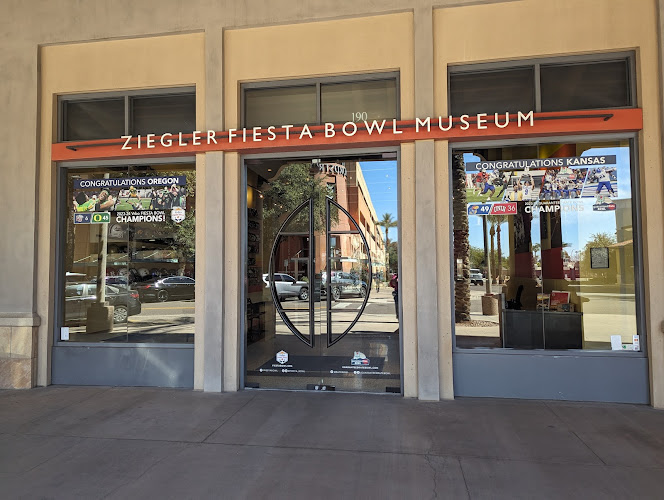
Fiesta Bowl Museum
About Fiesta Bowl Museum
Description
The Fiesta Bowl Museum in Scottsdale, Arizona, is a compact, fan-focused celebration of college football history that leans into nostalgia without getting bogged down in trivia. It traces decades of bowl-game drama through game-used gear, trophies, and one of the museum's headline draws: a full display of all 120 FBS team helmets. That helmet wall alone is a sight — colors and logos marching across the room like a roster of American football identity — and it gives visitors a quick, visual way to connect with teams from across the country. For travelers who love sport culture, this place reads like a condensed, well-curated season highlight reel.
The museum is smaller than many regional institutions, and that intimacy is actually its strength. Instead of long, sterile corridors, guests find tight exhibit bays where items are close enough to inspect — ticket stubs, game programs, signed jerseys, and plaques that mark turning points in Fiesta Bowl history. There are also a few standout trophies and commemorative pieces from memorable games. It feels personal. Fans often linger where a favorite player's jersey hangs, or where a championship game program sits under soft lights. And some exhibits rotate, so repeat visitors can find new material on different trips. It’s the kind of place that rewards curiosity instead of speed; plan for 45–90 minutes if the person in your group likes to read display labels.
Accessibility is a definite plus. The entryway is wheelchair accessible, the restrooms are set up for visitors with mobility needs, and there’s on-site parking that makes arrival easy whether someone is driving a rental car or a family SUV. There is no full-service restaurant inside, so visitors should plan accordingly — snacks and water are advisable, and the surrounding Scottsdale area offers plenty of dining choices if the group wants to make a meal of the day after the visit. Children are welcome and the layout works well for kids who are into helmets and bright team colors; but caregivers should know that there isn’t a dedicated play area, so bring a bit of patience for the quieter, display-heavy sections.
What sets this museum apart from generic sports exhibits is its focus on the Fiesta Bowl's place within college football culture and its local ties to the Phoenix-Scottsdale region. Instead of trying to be a catch-all for every college football story, the curators emphasize memorable Fiesta Bowl moments, regional impact, and the stories behind the trophies. There’s an archival sensibility here; artifacts are often accompanied by short, sharp narratives that explain why a particular game mattered, or how a play changed the bowl’s reputation. Visitors who care about social context — how bowl games affected recruitment, local economies, and media coverage — will find those threads woven through the displays.
First-time visitors typically remark on the genuine enthusiasm of the staff. Volunteer docents and employees often show a fan’s pride when they talk about exhibits, and that local knowledge can turn a standard tour into something lively. A longtime local, for example, might point out how a particular Fiesta Bowl upset still gets brought up at backyard barbecues. That kind of personal touch gives the museum a community feel. It’s not a national cathedral of sport; it’s a hometown shrine for people who take college football seriously, and for travelers who want to understand why the Fiesta Bowl matters to Arizona and to fans nationwide.
Practical realities: the space sometimes gets busy on game days and during special events related to the bowl season. Because the museum is intentionally compact, crowding can reduce the ability to take photos or to linger in front of popular artifacts. For visitors who like to snap detailed pictures of helmets or plaques, an early morning visit on a weekday often yields the clearest experience. And weather-wise, Scottsdale is known for strong sun and heat for much of the year, so walking between parking and entrance in summer months can be a bit toasty; wear sunscreen, bring a hat. Those details matter when planning the day — small things, but they can make the difference between an enjoyable stop and a rushed glance.
For families traveling through the Phoenix metropolitan area or for out-of-town fans in town for a college football weekend, the museum is an efficient and satisfying stop. It’s compact enough to add to an itinerary that might also include Old Town Scottsdale, local art galleries, or a short hike in the nearby desert, yet meaningful enough that even casual fans often leave with a new story to tell. The layout encourages photographs of the helmet collection and close-ups of historic artifacts, so it’s a good pick for travelers who like sharing on social media — though visitors should be mindful and respectful of display rules and any signage about flash photography.
One lesser-known angle that regulars appreciate: the museum sometimes hosts smaller pop-up events, guest speakers, or panel discussions tied to college football season. These can include former players telling behind-the-scenes stories, local sports historians doing short talks, or themed days that highlight a particular team’s Fiesta Bowl appearances. Those special events are not a daily occurrence, but when they happen they create an energizing vibe and attract a mix of locals and traveling fans. It can feel like stumbling on a local game-day tailgate that’s been miniaturized into a gallery space — fun, chatty, and surprisingly informative.
There are some limits, though, and it's fair to say them. The museum does not have the scale of a national sports hall of fame; it will not occupy an entire afternoon for some visitors. For a traveler with a short schedule, that can be a good thing — a focused, efficient dose of college football culture without the exhaustion of a larger complex. But if someone expects dozens of immersive, interactive exhibits, they might be a little surprised. Instead, the Fiesta Bowl Museum rewards those who slow down and read; the stories—about key plays, the rise of teams, and the significance of bowl games in the college football season—are where the value lies.
The curation leans toward authenticity over flash. Lighting is used to highlight artifacts rather than create gimmicky experiences, and placards often include precise game details like final scores, key plays, and context within the season. That archival attention is good for travelers who prefer substance to spectacle. And, aside from the helmets and trophies, there are often smaller treasures that spark conversation — authentic game-worn gloves, vintage programs smelling faintly of old paper, and even replica field markings that help explain pivotal plays. These tactile, concrete items tend to resonate with visitors more than broad historical summaries.
Finally, the overall feel of the museum is welcoming without being preachy. Whether someone comes as a die-hard college football fan, a curious traveler passing through Scottsdale, or a parent looking for a quick, kid-friendly stop, the museum offers a tidy portrait of the Fiesta Bowl’s influence. It’s a place that cultivates appreciation — for teams, for memorable games, and for how sport becomes part of regional identity. Plan a visit with reasonable expectations, give the exhibits time, and the museum will likely leave you with a few solid anecdotes to share by the time you head back to your car or onward into Scottsdale's wider attractions.
Key Features
More Details
Updated August 29, 2025
Table of Contents
Description
The Fiesta Bowl Museum in Scottsdale, Arizona, is a compact, fan-focused celebration of college football history that leans into nostalgia without getting bogged down in trivia. It traces decades of bowl-game drama through game-used gear, trophies, and one of the museum’s headline draws: a full display of all 120 FBS team helmets. That helmet wall alone is a sight — colors and logos marching across the room like a roster of American football identity — and it gives visitors a quick, visual way to connect with teams from across the country. For travelers who love sport culture, this place reads like a condensed, well-curated season highlight reel.
The museum is smaller than many regional institutions, and that intimacy is actually its strength. Instead of long, sterile corridors, guests find tight exhibit bays where items are close enough to inspect — ticket stubs, game programs, signed jerseys, and plaques that mark turning points in Fiesta Bowl history. There are also a few standout trophies and commemorative pieces from memorable games. It feels personal. Fans often linger where a favorite player’s jersey hangs, or where a championship game program sits under soft lights. And some exhibits rotate, so repeat visitors can find new material on different trips. It’s the kind of place that rewards curiosity instead of speed; plan for 45–90 minutes if the person in your group likes to read display labels.
Accessibility is a definite plus. The entryway is wheelchair accessible, the restrooms are set up for visitors with mobility needs, and there’s on-site parking that makes arrival easy whether someone is driving a rental car or a family SUV. There is no full-service restaurant inside, so visitors should plan accordingly — snacks and water are advisable, and the surrounding Scottsdale area offers plenty of dining choices if the group wants to make a meal of the day after the visit. Children are welcome and the layout works well for kids who are into helmets and bright team colors; but caregivers should know that there isn’t a dedicated play area, so bring a bit of patience for the quieter, display-heavy sections.
What sets this museum apart from generic sports exhibits is its focus on the Fiesta Bowl’s place within college football culture and its local ties to the Phoenix-Scottsdale region. Instead of trying to be a catch-all for every college football story, the curators emphasize memorable Fiesta Bowl moments, regional impact, and the stories behind the trophies. There’s an archival sensibility here; artifacts are often accompanied by short, sharp narratives that explain why a particular game mattered, or how a play changed the bowl’s reputation. Visitors who care about social context — how bowl games affected recruitment, local economies, and media coverage — will find those threads woven through the displays.
First-time visitors typically remark on the genuine enthusiasm of the staff. Volunteer docents and employees often show a fan’s pride when they talk about exhibits, and that local knowledge can turn a standard tour into something lively. A longtime local, for example, might point out how a particular Fiesta Bowl upset still gets brought up at backyard barbecues. That kind of personal touch gives the museum a community feel. It’s not a national cathedral of sport; it’s a hometown shrine for people who take college football seriously, and for travelers who want to understand why the Fiesta Bowl matters to Arizona and to fans nationwide.
Practical realities: the space sometimes gets busy on game days and during special events related to the bowl season. Because the museum is intentionally compact, crowding can reduce the ability to take photos or to linger in front of popular artifacts. For visitors who like to snap detailed pictures of helmets or plaques, an early morning visit on a weekday often yields the clearest experience. And weather-wise, Scottsdale is known for strong sun and heat for much of the year, so walking between parking and entrance in summer months can be a bit toasty; wear sunscreen, bring a hat. Those details matter when planning the day — small things, but they can make the difference between an enjoyable stop and a rushed glance.
For families traveling through the Phoenix metropolitan area or for out-of-town fans in town for a college football weekend, the museum is an efficient and satisfying stop. It’s compact enough to add to an itinerary that might also include Old Town Scottsdale, local art galleries, or a short hike in the nearby desert, yet meaningful enough that even casual fans often leave with a new story to tell. The layout encourages photographs of the helmet collection and close-ups of historic artifacts, so it’s a good pick for travelers who like sharing on social media — though visitors should be mindful and respectful of display rules and any signage about flash photography.
One lesser-known angle that regulars appreciate: the museum sometimes hosts smaller pop-up events, guest speakers, or panel discussions tied to college football season. These can include former players telling behind-the-scenes stories, local sports historians doing short talks, or themed days that highlight a particular team’s Fiesta Bowl appearances. Those special events are not a daily occurrence, but when they happen they create an energizing vibe and attract a mix of locals and traveling fans. It can feel like stumbling on a local game-day tailgate that’s been miniaturized into a gallery space — fun, chatty, and surprisingly informative.
There are some limits, though, and it’s fair to say them. The museum does not have the scale of a national sports hall of fame; it will not occupy an entire afternoon for some visitors. For a traveler with a short schedule, that can be a good thing — a focused, efficient dose of college football culture without the exhaustion of a larger complex. But if someone expects dozens of immersive, interactive exhibits, they might be a little surprised. Instead, the Fiesta Bowl Museum rewards those who slow down and read; the stories—about key plays, the rise of teams, and the significance of bowl games in the college football season—are where the value lies.
The curation leans toward authenticity over flash. Lighting is used to highlight artifacts rather than create gimmicky experiences, and placards often include precise game details like final scores, key plays, and context within the season. That archival attention is good for travelers who prefer substance to spectacle. And, aside from the helmets and trophies, there are often smaller treasures that spark conversation — authentic game-worn gloves, vintage programs smelling faintly of old paper, and even replica field markings that help explain pivotal plays. These tactile, concrete items tend to resonate with visitors more than broad historical summaries.
Finally, the overall feel of the museum is welcoming without being preachy. Whether someone comes as a die-hard college football fan, a curious traveler passing through Scottsdale, or a parent looking for a quick, kid-friendly stop, the museum offers a tidy portrait of the Fiesta Bowl’s influence. It’s a place that cultivates appreciation — for teams, for memorable games, and for how sport becomes part of regional identity. Plan a visit with reasonable expectations, give the exhibits time, and the museum will likely leave you with a few solid anecdotes to share by the time you head back to your car or onward into Scottsdale’s wider attractions.
Key Highlights
Fiesta Bowl Museum
Location
Places to Stay Near Fiesta Bowl Museum
Find and Book a Tour
Explore More Travel Guides
No reviews found! Be the first to review!
Traveler Reviews for Fiesta Bowl Museum
There are no reviews yet. Be the first one to write one.
Have you visited Fiesta Bowl Museum? Help other travelers by sharing your review.
You Might Also Like
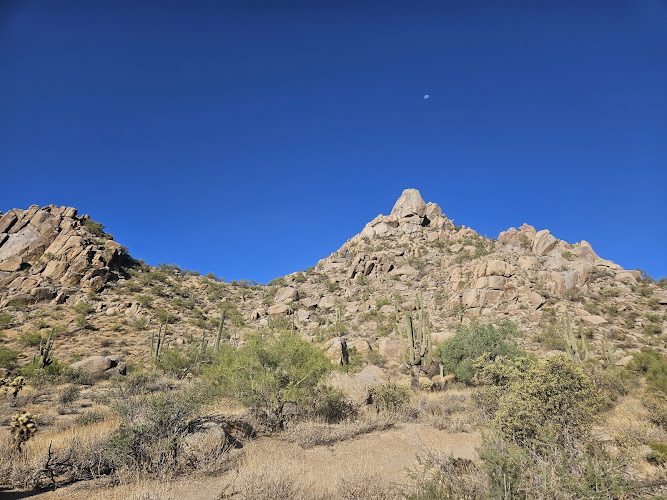
Pinnacle Peak Park
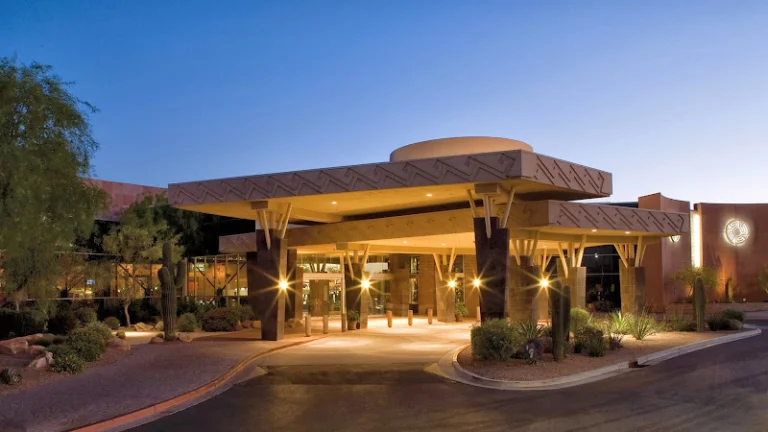
Casino Arizona
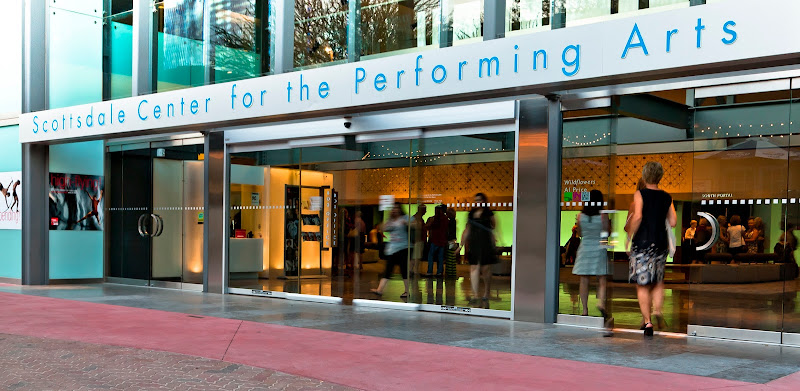
Scottsdale Center For The Performing Arts
Find Accommodations Nearby
Recommended Tours & Activities
Visitor Reviews
There are no reviews yet. Be the first one to write one.
Share Your Experience
Have you visited Fiesta Bowl Museum? Help other travelers by leaving a review.