
Feroz Shah Kotla
About Feroz Shah Kotla
Description
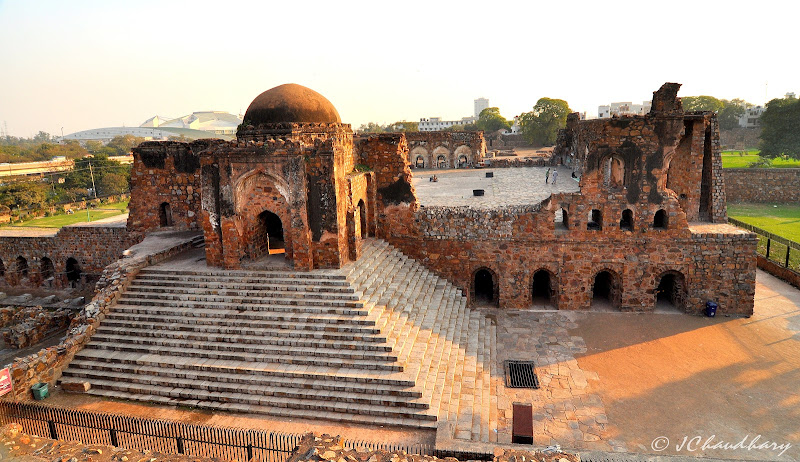
Feroz Shah Kotla is one of those places in Delhi that feels like it’s whispering stories from centuries ago. Built in 1354 by Sultan Feroz Shah Tughlaq, this ancient fortress once stood as the heart of his capital, Firozabad. Today, its weathered sandstone walls and moss-covered ruins tell tales of glory, ambition, and time’s gentle decay. What’s fascinating is how the fort sits quietly amid the chaos of modern Delhi, surrounded by cricket stadiums and city life, yet somehow manages to hold its own sense of mystery and calm.
Walking through the fort, you can’t help but feel a strange mix of awe and curiosity. The air feels heavy with history—some say even haunted. Locals often speak of djinns that reside within the ruins, and if you visit on a Thursday, you might spot people leaving letters, coins, or offerings, hoping their wishes will be granted. Whether you believe in the supernatural or not, there’s something undeniably magnetic about the place. The play of sunlight through the crumbling arches, the quiet corners where time seems to stand still—it’s hauntingly beautiful in its own way.
The fort isn’t just about eerie legends, though. Architecturally, it’s a marvel of Tughlaq-era design. The highlight here is the Ashokan Pillar—an ancient sandstone column that was transported from Topra in Haryana and re-erected here by Feroz Shah himself. The pillar, inscribed with edicts of Emperor Ashoka, stands as a symbol of India’s layered history, blending Buddhist ideals with medieval Islamic architecture. It’s one of those things that make you stop and think about how many different worlds have existed on this same piece of land.
And then there’s the view. From the upper levels of the fort, you can see the modern Feroz Shah Kotla cricket stadium—a surreal contrast between past and present. The fort’s gardens and open courtyards are perfect for slow exploration. Families often come here for picnics, photographers chase the golden light filtering through the ruins, and history buffs wander around trying to piece together what life might have been like centuries ago. It’s not the most polished monument in Delhi, but that’s exactly what makes it so real, so raw, and so human.
Key Features
- Historical Significance: Built by Sultan Feroz Shah Tughlaq in 1354 as part of his new capital city, Firozabad.
- Ashokan Pillar: A 3rd-century BC sandstone column brought from Topra, inscribed with Emperor Ashoka’s edicts.
- Haunting Legends: Locals believe the fort is home to benevolent djinns, attracting visitors who come to offer prayers and letters.
- Architectural Charm: Showcases the rugged elegance of Tughlaq-era design with arches, domes, and ancient stepwells.
- Cricket Connection: Located beside the iconic cricket stadium, blending history with modern sports culture.
- Peaceful Ambience: Despite being in central Delhi, the fort offers quiet gardens and open courtyards perfect for relaxation.
- Accessibility: Offers wheelchair accessible parking, though the entrance itself may not be suitable for all mobility levels.
- Family Friendly: A great spot for kids to explore and learn about Delhi’s medieval history.
- Free Parking: Convenient for travelers arriving by car.
Best Time to Visit
If you ask me, the best time to visit Feroz Shah Kotla is during the cooler months—October through March. Delhi’s winter sun has this soft golden hue that makes the sandstone glow beautifully. The afternoons are perfect for wandering without feeling like you’re melting into the pavement. Early mornings are lovely too, especially if you enjoy quiet walks before the crowds trickle in. Avoid the summer months unless you’re used to the Delhi heat—it can be pretty unforgiving. Monsoons, on the other hand, give the fort a mysterious, almost cinematic charm. The wet stone walls, the smell of rain-soaked earth—it’s pure poetry if you don’t mind getting a little drenched.
Evenings can be quite special here. The fort closes before sunset, but if you time your visit right, you can catch the sky turning shades of orange and pink behind the ruins. It’s one of those moments that make you pause and just breathe in the history around you. And if you’re into photography, the golden hour light here is just unbeatable.
How to Get There
Getting to Feroz Shah Kotla is fairly straightforward since it’s located in central Delhi. The easiest option is to take the Delhi Metro—Pragati Maidan and ITO stations are the closest. From there, a short auto-rickshaw or cab ride will get you to the fort’s entrance. If you’re driving, there’s free parking available nearby, which is a rare blessing in Delhi.
For those who love walking, you can actually pair your visit with nearby attractions like the Red Fort, Jama Masjid, or Raj Ghat. It’s a great way to explore the historical heart of the city in one go. Just remember to wear comfortable shoes because the fort’s uneven pathways can be a bit tricky in spots.
And here’s a small personal tip—if you’re visiting on a Thursday, be prepared for larger crowds. That’s the day when many locals come to offer prayers to the djinns. It’s a fascinating cultural experience, but if you prefer a quieter visit, pick a weekday morning instead.
Tips for Visiting
Visiting Feroz Shah Kotla isn’t just about ticking off a historical site—it’s about slowing down and letting the place speak to you. Here are a few tips that might make your visit smoother and more meaningful:
- Carry water and sunscreen: There’s plenty of open space and not much shade, especially around midday.
- Wear comfortable shoes: The ground is uneven, and you’ll likely want to climb a few steps to explore different sections.
- Respect the site: Many people come here for spiritual reasons. Avoid disturbing prayer offerings or taking photos of people without permission.
- Visit during daylight: The fort closes around sunset, and it’s best to leave before dark. It can get quite deserted later in the evening.
- Bring a camera: The textures, arches, and light patterns make for incredible photography opportunities.
- Explore slowly: Don’t rush. Each corner, each wall has a story. Look for ancient inscriptions or carvings that often go unnoticed.
- Combine with nearby attractions: Plan your day so you can also visit the Red Fort or Jama Masjid—they’re just a short drive away.
- Be open-minded: Whether you believe in the djinn legends or not, it’s worth observing the rituals with curiosity and respect. It’s part of what makes this place so unique.
On a personal note, I remember my first visit here—it was a winter afternoon, the kind where the sun feels just warm enough to make you linger. I sat on one of the old stone steps, watching a group of kids play cricket in the distance, while an elderly man murmured a prayer near one of the ruins. It struck me then how this space, centuries old, still breathes life in its own quiet way. That’s the magic of Feroz Shah Kotla—it’s not just a monument, it’s a living, breathing reminder of Delhi’s layered soul.
So, if you’re planning a trip to Delhi and want to experience something beyond the usual tourist circuit, make time for Feroz Shah Kotla. It may not dazzle you with polished grandeur, but it’ll leave you with something deeper—a sense of connection to the city’s past and the countless stories that still echo through its ancient stones.
Key Features
- Key Features
- Best Time to Visit
- How to Get There
- Tips for Visiting
More Details
Updated October 8, 2025
Table of Contents
Description
Feroz Shah Kotla is one of those places in Delhi that feels like it’s whispering stories from centuries ago. Built in 1354 by Sultan Feroz Shah Tughlaq, this ancient fortress once stood as the heart of his capital, Firozabad. Today, its weathered sandstone walls and moss-covered ruins tell tales of glory, ambition, and time’s gentle decay. What’s fascinating is how the fort sits quietly amid the chaos of modern Delhi, surrounded by cricket stadiums and city life, yet somehow manages to hold its own sense of mystery and calm.
Walking through the fort, you can’t help but feel a strange mix of awe and curiosity. The air feels heavy with history—some say even haunted. Locals often speak of djinns that reside within the ruins, and if you visit on a Thursday, you might spot people leaving letters, coins, or offerings, hoping their wishes will be granted. Whether you believe in the supernatural or not, there’s something undeniably magnetic about the place. The play of sunlight through the crumbling arches, the quiet corners where time seems to stand still—it’s hauntingly beautiful in its own way.
The fort isn’t just about eerie legends, though. Architecturally, it’s a marvel of Tughlaq-era design. The highlight here is the Ashokan Pillar—an ancient sandstone column that was transported from Topra in Haryana and re-erected here by Feroz Shah himself. The pillar, inscribed with edicts of Emperor Ashoka, stands as a symbol of India’s layered history, blending Buddhist ideals with medieval Islamic architecture. It’s one of those things that make you stop and think about how many different worlds have existed on this same piece of land.
And then there’s the view. From the upper levels of the fort, you can see the modern Feroz Shah Kotla cricket stadium—a surreal contrast between past and present. The fort’s gardens and open courtyards are perfect for slow exploration. Families often come here for picnics, photographers chase the golden light filtering through the ruins, and history buffs wander around trying to piece together what life might have been like centuries ago. It’s not the most polished monument in Delhi, but that’s exactly what makes it so real, so raw, and so human.
Key Features
- Historical Significance: Built by Sultan Feroz Shah Tughlaq in 1354 as part of his new capital city, Firozabad.
- Ashokan Pillar: A 3rd-century BC sandstone column brought from Topra, inscribed with Emperor Ashoka’s edicts.
- Haunting Legends: Locals believe the fort is home to benevolent djinns, attracting visitors who come to offer prayers and letters.
- Architectural Charm: Showcases the rugged elegance of Tughlaq-era design with arches, domes, and ancient stepwells.
- Cricket Connection: Located beside the iconic cricket stadium, blending history with modern sports culture.
- Peaceful Ambience: Despite being in central Delhi, the fort offers quiet gardens and open courtyards perfect for relaxation.
- Accessibility: Offers wheelchair accessible parking, though the entrance itself may not be suitable for all mobility levels.
- Family Friendly: A great spot for kids to explore and learn about Delhi’s medieval history.
- Free Parking: Convenient for travelers arriving by car.
Best Time to Visit
If you ask me, the best time to visit Feroz Shah Kotla is during the cooler months—October through March. Delhi’s winter sun has this soft golden hue that makes the sandstone glow beautifully. The afternoons are perfect for wandering without feeling like you’re melting into the pavement. Early mornings are lovely too, especially if you enjoy quiet walks before the crowds trickle in. Avoid the summer months unless you’re used to the Delhi heat—it can be pretty unforgiving. Monsoons, on the other hand, give the fort a mysterious, almost cinematic charm. The wet stone walls, the smell of rain-soaked earth—it’s pure poetry if you don’t mind getting a little drenched.
Evenings can be quite special here. The fort closes before sunset, but if you time your visit right, you can catch the sky turning shades of orange and pink behind the ruins. It’s one of those moments that make you pause and just breathe in the history around you. And if you’re into photography, the golden hour light here is just unbeatable.
How to Get There
Getting to Feroz Shah Kotla is fairly straightforward since it’s located in central Delhi. The easiest option is to take the Delhi Metro—Pragati Maidan and ITO stations are the closest. From there, a short auto-rickshaw or cab ride will get you to the fort’s entrance. If you’re driving, there’s free parking available nearby, which is a rare blessing in Delhi.
For those who love walking, you can actually pair your visit with nearby attractions like the Red Fort, Jama Masjid, or Raj Ghat. It’s a great way to explore the historical heart of the city in one go. Just remember to wear comfortable shoes because the fort’s uneven pathways can be a bit tricky in spots.
And here’s a small personal tip—if you’re visiting on a Thursday, be prepared for larger crowds. That’s the day when many locals come to offer prayers to the djinns. It’s a fascinating cultural experience, but if you prefer a quieter visit, pick a weekday morning instead.
Tips for Visiting
Visiting Feroz Shah Kotla isn’t just about ticking off a historical site—it’s about slowing down and letting the place speak to you. Here are a few tips that might make your visit smoother and more meaningful:
- Carry water and sunscreen: There’s plenty of open space and not much shade, especially around midday.
- Wear comfortable shoes: The ground is uneven, and you’ll likely want to climb a few steps to explore different sections.
- Respect the site: Many people come here for spiritual reasons. Avoid disturbing prayer offerings or taking photos of people without permission.
- Visit during daylight: The fort closes around sunset, and it’s best to leave before dark. It can get quite deserted later in the evening.
- Bring a camera: The textures, arches, and light patterns make for incredible photography opportunities.
- Explore slowly: Don’t rush. Each corner, each wall has a story. Look for ancient inscriptions or carvings that often go unnoticed.
- Combine with nearby attractions: Plan your day so you can also visit the Red Fort or Jama Masjid—they’re just a short drive away.
- Be open-minded: Whether you believe in the djinn legends or not, it’s worth observing the rituals with curiosity and respect. It’s part of what makes this place so unique.
On a personal note, I remember my first visit here—it was a winter afternoon, the kind where the sun feels just warm enough to make you linger. I sat on one of the old stone steps, watching a group of kids play cricket in the distance, while an elderly man murmured a prayer near one of the ruins. It struck me then how this space, centuries old, still breathes life in its own quiet way. That’s the magic of Feroz Shah Kotla—it’s not just a monument, it’s a living, breathing reminder of Delhi’s layered soul.
So, if you’re planning a trip to Delhi and want to experience something beyond the usual tourist circuit, make time for Feroz Shah Kotla. It may not dazzle you with polished grandeur, but it’ll leave you with something deeper—a sense of connection to the city’s past and the countless stories that still echo through its ancient stones.
Key Highlights
- Key Features
- Best Time to Visit
- How to Get There
- Tips for Visiting
Location
Places to Stay Near Feroz Shah Kotla
Find and Book a Tour
Explore More Travel Guides
No reviews found! Be the first to review!
Traveler Reviews for Feroz Shah Kotla
There are no reviews yet. Be the first one to write one.
Have you visited Feroz Shah Kotla? Help other travelers by sharing your review.
You Might Also Like

National Gandhi Museum

Red Fort
Swaminarayan Akshardham
Find Accommodations Nearby
Recommended Tours & Activities
Visitor Reviews
There are no reviews yet. Be the first one to write one.
Share Your Experience
Have you visited Feroz Shah Kotla? Help other travelers by leaving a review.