
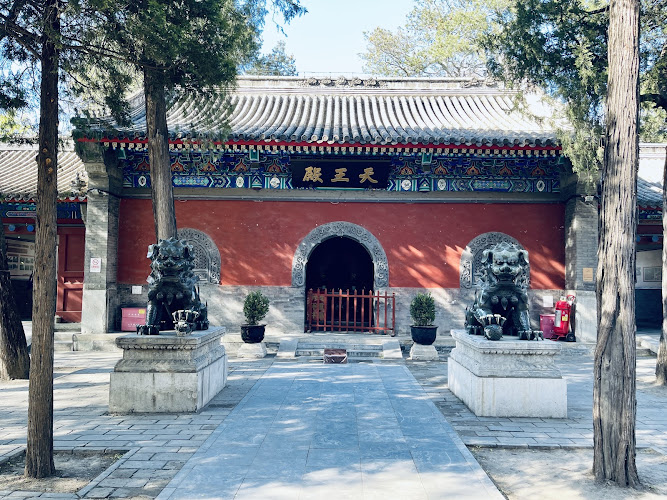
Fayuan Temple
About Fayuan Temple
Description
Fayuan Temple stands as one of Beijing's most historically significant Buddhist temples, and honestly, it's a place that gets overshadowed by bigger names like the Lama Temple or Temple of Heaven. But that's exactly what makes it special. Founded way back during the Tang Dynasty around 645 CE, this temple has been quietly preserving Buddhist culture and traditions for over 1,300 years. The temple wasn't always called Fayuan though – it started life as Minzhong Temple, built to honor soldiers who died in battle, which gives you a sense of the deep historical weight this place carries. Walking through Fayuan Temple feels different from other temples in Beijing. There's something more contemplative here, maybe because it currently houses the China Buddhist Institute, so you'll often see monks going about their daily studies and practices. The temple complex itself is beautifully preserved with traditional Chinese Buddhist architecture that hasn't been overly commercialized or gussied up for tourists. And I appreciate that – sometimes you want authenticity over Instagram-perfect backdrops. The temple grounds sprawl across a decent sized area with multiple halls arranged along a central axis, which is typical of Chinese temple design but executed here with particular elegance. Each hall serves a specific religious function and contains various Buddhist relics and artifacts that span centuries. The atmosphere is genuinely peaceful, especially on weekday mornings when tourist crowds are thinner. You'll find local worshippers burning incense, elderly folks quietly meditating, and monks in their saffron robes moving between buildings. It's a working temple first and a tourist attraction second, which means the spiritual atmosphere feels real rather than staged.Key Features
The highlights of Fayuan Temple include several remarkable features that make it worth the visit:- Ancient Bell and Drum Tower – These twin structures flank the temple complex and were traditionally used to mark time and call monks to prayer. The drums and bells themselves are historical artifacts, and if you time your visit right, you might hear them being used during religious ceremonies.
- Bronze Lion Sculptures – The temple's guardian lions are particularly impressive examples of Ming Dynasty metalwork. They're smaller than the massive lions you see at other temples, but the craftsmanship is exceptional with intricate details visible in their manes and expressions.
- Historical Relics Collection – Fayuan Temple houses an impressive collection of Buddhist artifacts including ancient sutras, bronze statues from various dynasties, and stone carvings. Some pieces date back to the Tang Dynasty, making them incredibly rare.
- Ancient Trees and Gardens – The temple grounds feature several hundred-year-old trees, including ginkgos and cypresses that create a natural canopy over portions of the complex. In autumn, the ginkgo leaves turn brilliant gold and carpet the courtyard.
- China Buddhist Institute – As an active teaching institution for Buddhist monks, the temple offers a unique glimpse into contemporary Buddhist education and practice. You might see classes in session or monks engaged in study and debate.
- Main Prayer Halls – The various halls contain different Buddha statues and bodhisattvas, each with their own artistic and historical significance. The craftsmanship ranges from Tang to Qing Dynasty periods.
- Stone Tablet Forest – Collections of inscribed stone tablets documenting the temple's history and important Buddhist texts are preserved throughout the complex.
Best Time to Visit
Timing your visit to Fayuan Temple really matters if you want the best experience. Spring, specifically April and May, ranks as my top recommendation. The weather in Beijing during these months is absolutely perfect – warm but not hot, with clear skies that make exploring temple grounds comfortable. Plus, the temple's gardens come alive with blooming flowers, and the ancient trees start showing fresh green leaves. But here's my personal favorite time: autumn, particularly late October through early November. The ginkgo trees transform the temple courtyards into something magical. Those golden leaves against the red walls and grey roof tiles create a color palette that's distinctly Chinese and absolutely stunning. The temperatures are cool and crisp, perfect for wandering around taking your time with each hall. I've visited during this season and found myself just sitting in the courtyard watching leaves fall for longer than I'd care to admit. Summer months from June through August can be brutally hot and humid in Beijing, which makes temple exploration less enjoyable. You'll be sweating through your clothes by 10 AM, and the crowds tend to swell with domestic tourism. Winter isn't terrible if you don't mind cold – Beijing winters are dry and often sunny, though temperatures drop well below freezing. The temple looks beautiful dusted with snow, and you'll have the place mostly to yourself. Just bundle up properly. Regarding time of day, early morning visits between 8 AM and 10 AM offer the most peaceful experience. You'll catch monks performing morning rituals, and the light filtering through the ancient trees creates perfect conditions for photography. The temple opens at 8:30 AM most days, so arriving right at opening time gives you that golden window before tour groups arrive. Avoid weekends and Chinese public holidays if possible – the difference in crowd levels is dramatic. Buddhist festival days bring special ceremonies and activities, which can be fascinating to witness. The Buddha's Birthday (usually in May) sees the temple hosting special prayers and celebrations. These events give you insight into living Buddhist practice, though they also attract more visitors.How to Get There
Getting to Fayuan Temple requires a bit more effort than reaching Beijing's mega-famous attractions, but that's part of what keeps it relatively uncrowded. The temple sits in the Xicheng District, in an older neighborhood that retains traditional hutong character. This isn't prime tourist territory, which I consider a bonus. The Beijing subway system offers your most reliable transportation option. Take Line 4 to Caishikou Station, then exit and it's roughly a 15-minute walk to the temple. The walk takes you through some interesting old neighborhoods where you'll see daily Beijing life – vegetable vendors, elderly folks playing chess, bicycles everywhere. Just use a maps application on your phone because the streets can be confusing with their similar names and winding layouts. Alternatively, Xuanwumen Station on Lines 2 and 4 puts you about 20 minutes away on foot. This route passes through a more commercial area before transitioning into the older residential neighborhoods surrounding the temple. Taxis or ride-hailing apps like Didi work well too, though traffic in Beijing can be unpredictable. Have the temple name written in Chinese characters (法源寺) to show your driver, as English addresses don't always translate well. The fare from central Beijing hotel districts typically runs between 20-40 yuan depending on traffic and exact starting point. Buses serve the area as well – routes 88, 53, and 102 all stop nearby – but navigating Beijing's bus system requires some Chinese language ability and familiarity with the city. For first-time visitors, I'd stick with the subway or taxis. One important note: the temple closes on Mondays for maintenance and cleaning, so plan accordingly. Nothing's worse than making the journey only to find closed gates. Also, the temple sometimes closes for special Buddhist events or government functions without much advance notice since it's an active religious and educational institution.Tips for Visiting
Dress modestly when visiting Fayuan Temple. This means covering shoulders and knees at minimum – no tank tops, short shorts, or mini skirts. While some Chinese temples are relaxed about dress codes, Fayuan Temple functions as an active monastery and educational institution, so respectful attire matters. I've seen visitors turned away at the entrance for inappropriate clothing, and nobody wants that disappointment. The entrance fee is remarkably reasonable, usually around 5 yuan (less than a dollar), making this one of Beijing's best value attractions. Keep small bills handy as ticket booths don't always have change for large notes. Restroom facilities are available on-site, which is worth knowing since public bathrooms can be hard to find in the surrounding neighborhood. Photography is generally allowed in outdoor areas and most halls, but watch for signs prohibiting photos in specific locations. Always ask permission before photographing monks, and never interrupt or disturb people who are praying or meditating. I personally prefer putting the camera away sometimes and just experiencing the atmosphere without the lens between me and the experience. Move quietly through the temple grounds and speak in low voices. This isn't a party venue – it's a sacred space where people come for spiritual practice and contemplation. Your behavior should reflect that respect. When entering halls, step over the threshold rather than walking on it, as thresholds hold symbolic significance in Chinese Buddhist architecture. Burning incense is permitted and incense is usually available for purchase near the entrance. If you participate, watch how locals do it and follow their lead. Generally, you light three sticks, bow three times, and place them in the appropriate burner. Even if you're not Buddhist, participating respectfully in temple customs can deepen your appreciation for the spiritual culture. Bring a water bottle since there aren't many shops immediately around the temple. The surrounding neighborhood has small convenience stores and local restaurants, but it's smart to come prepared. Comfortable walking shoes are essential as you'll be on your feet exploring the various halls and courtyards. Consider hiring a guide or downloading information about the temple beforehand. English signage is limited, and understanding the historical and religious context of what you're seeing transforms the experience from "looking at old buildings" to genuinely appreciating centuries of Buddhist heritage. Some temples offer audio guides, though availability at Fayuan Temple can be hit or miss. Plan to spend at least 90 minutes to two hours here if you want to see everything properly without rushing. The temple isn't enormous, but taking time to sit, observe, and absorb the atmosphere is part of the experience. I've found that visitors who race through taking photos miss the essential quality of the place. Finally, combine your temple visit with exploration of the surrounding hutong neighborhoods. The area around Fayuan Temple preserves old Beijing character that's rapidly disappearing from more developed parts of the city. Small restaurants serve authentic local food at reasonable prices, and wandering the narrow lanes gives you a completely different perspective on Beijing than the modern skyscrapers and tourist zones provide.Key Features
- Key Features
- Best Time to Visit
- How to Get There
- Tips for Visiting
More Details
Updated January 18, 2026
Table of Contents
Description
Fayuan Temple stands as one of Beijing’s most historically significant Buddhist temples, and honestly, it’s a place that gets overshadowed by bigger names like the Lama Temple or Temple of Heaven. But that’s exactly what makes it special. Founded way back during the Tang Dynasty around 645 CE, this temple has been quietly preserving Buddhist culture and traditions for over 1,300 years. The temple wasn’t always called Fayuan though – it started life as Minzhong Temple, built to honor soldiers who died in battle, which gives you a sense of the deep historical weight this place carries.
Walking through Fayuan Temple feels different from other temples in Beijing. There’s something more contemplative here, maybe because it currently houses the China Buddhist Institute, so you’ll often see monks going about their daily studies and practices. The temple complex itself is beautifully preserved with traditional Chinese Buddhist architecture that hasn’t been overly commercialized or gussied up for tourists. And I appreciate that – sometimes you want authenticity over Instagram-perfect backdrops.
The temple grounds sprawl across a decent sized area with multiple halls arranged along a central axis, which is typical of Chinese temple design but executed here with particular elegance. Each hall serves a specific religious function and contains various Buddhist relics and artifacts that span centuries. The atmosphere is genuinely peaceful, especially on weekday mornings when tourist crowds are thinner. You’ll find local worshippers burning incense, elderly folks quietly meditating, and monks in their saffron robes moving between buildings. It’s a working temple first and a tourist attraction second, which means the spiritual atmosphere feels real rather than staged.
Key Features
The highlights of Fayuan Temple include several remarkable features that make it worth the visit:
- Ancient Bell and Drum Tower – These twin structures flank the temple complex and were traditionally used to mark time and call monks to prayer. The drums and bells themselves are historical artifacts, and if you time your visit right, you might hear them being used during religious ceremonies.
- Bronze Lion Sculptures – The temple’s guardian lions are particularly impressive examples of Ming Dynasty metalwork. They’re smaller than the massive lions you see at other temples, but the craftsmanship is exceptional with intricate details visible in their manes and expressions.
- Historical Relics Collection – Fayuan Temple houses an impressive collection of Buddhist artifacts including ancient sutras, bronze statues from various dynasties, and stone carvings. Some pieces date back to the Tang Dynasty, making them incredibly rare.
- Ancient Trees and Gardens – The temple grounds feature several hundred-year-old trees, including ginkgos and cypresses that create a natural canopy over portions of the complex. In autumn, the ginkgo leaves turn brilliant gold and carpet the courtyard.
- China Buddhist Institute – As an active teaching institution for Buddhist monks, the temple offers a unique glimpse into contemporary Buddhist education and practice. You might see classes in session or monks engaged in study and debate.
- Main Prayer Halls – The various halls contain different Buddha statues and bodhisattvas, each with their own artistic and historical significance. The craftsmanship ranges from Tang to Qing Dynasty periods.
- Stone Tablet Forest – Collections of inscribed stone tablets documenting the temple’s history and important Buddhist texts are preserved throughout the complex.
Best Time to Visit
Timing your visit to Fayuan Temple really matters if you want the best experience. Spring, specifically April and May, ranks as my top recommendation. The weather in Beijing during these months is absolutely perfect – warm but not hot, with clear skies that make exploring temple grounds comfortable. Plus, the temple’s gardens come alive with blooming flowers, and the ancient trees start showing fresh green leaves.
But here’s my personal favorite time: autumn, particularly late October through early November. The ginkgo trees transform the temple courtyards into something magical. Those golden leaves against the red walls and grey roof tiles create a color palette that’s distinctly Chinese and absolutely stunning. The temperatures are cool and crisp, perfect for wandering around taking your time with each hall. I’ve visited during this season and found myself just sitting in the courtyard watching leaves fall for longer than I’d care to admit.
Summer months from June through August can be brutally hot and humid in Beijing, which makes temple exploration less enjoyable. You’ll be sweating through your clothes by 10 AM, and the crowds tend to swell with domestic tourism. Winter isn’t terrible if you don’t mind cold – Beijing winters are dry and often sunny, though temperatures drop well below freezing. The temple looks beautiful dusted with snow, and you’ll have the place mostly to yourself. Just bundle up properly.
Regarding time of day, early morning visits between 8 AM and 10 AM offer the most peaceful experience. You’ll catch monks performing morning rituals, and the light filtering through the ancient trees creates perfect conditions for photography. The temple opens at 8:30 AM most days, so arriving right at opening time gives you that golden window before tour groups arrive. Avoid weekends and Chinese public holidays if possible – the difference in crowd levels is dramatic.
Buddhist festival days bring special ceremonies and activities, which can be fascinating to witness. The Buddha’s Birthday (usually in May) sees the temple hosting special prayers and celebrations. These events give you insight into living Buddhist practice, though they also attract more visitors.
How to Get There
Getting to Fayuan Temple requires a bit more effort than reaching Beijing’s mega-famous attractions, but that’s part of what keeps it relatively uncrowded. The temple sits in the Xicheng District, in an older neighborhood that retains traditional hutong character. This isn’t prime tourist territory, which I consider a bonus.
The Beijing subway system offers your most reliable transportation option. Take Line 4 to Caishikou Station, then exit and it’s roughly a 15-minute walk to the temple. The walk takes you through some interesting old neighborhoods where you’ll see daily Beijing life – vegetable vendors, elderly folks playing chess, bicycles everywhere. Just use a maps application on your phone because the streets can be confusing with their similar names and winding layouts.
Alternatively, Xuanwumen Station on Lines 2 and 4 puts you about 20 minutes away on foot. This route passes through a more commercial area before transitioning into the older residential neighborhoods surrounding the temple.
Taxis or ride-hailing apps like Didi work well too, though traffic in Beijing can be unpredictable. Have the temple name written in Chinese characters (法源寺) to show your driver, as English addresses don’t always translate well. The fare from central Beijing hotel districts typically runs between 20-40 yuan depending on traffic and exact starting point.
Buses serve the area as well – routes 88, 53, and 102 all stop nearby – but navigating Beijing’s bus system requires some Chinese language ability and familiarity with the city. For first-time visitors, I’d stick with the subway or taxis.
One important note: the temple closes on Mondays for maintenance and cleaning, so plan accordingly. Nothing’s worse than making the journey only to find closed gates. Also, the temple sometimes closes for special Buddhist events or government functions without much advance notice since it’s an active religious and educational institution.
Tips for Visiting
Dress modestly when visiting Fayuan Temple. This means covering shoulders and knees at minimum – no tank tops, short shorts, or mini skirts. While some Chinese temples are relaxed about dress codes, Fayuan Temple functions as an active monastery and educational institution, so respectful attire matters. I’ve seen visitors turned away at the entrance for inappropriate clothing, and nobody wants that disappointment.
The entrance fee is remarkably reasonable, usually around 5 yuan (less than a dollar), making this one of Beijing’s best value attractions. Keep small bills handy as ticket booths don’t always have change for large notes. Restroom facilities are available on-site, which is worth knowing since public bathrooms can be hard to find in the surrounding neighborhood.
Photography is generally allowed in outdoor areas and most halls, but watch for signs prohibiting photos in specific locations. Always ask permission before photographing monks, and never interrupt or disturb people who are praying or meditating. I personally prefer putting the camera away sometimes and just experiencing the atmosphere without the lens between me and the experience.
Move quietly through the temple grounds and speak in low voices. This isn’t a party venue – it’s a sacred space where people come for spiritual practice and contemplation. Your behavior should reflect that respect. When entering halls, step over the threshold rather than walking on it, as thresholds hold symbolic significance in Chinese Buddhist architecture.
Burning incense is permitted and incense is usually available for purchase near the entrance. If you participate, watch how locals do it and follow their lead. Generally, you light three sticks, bow three times, and place them in the appropriate burner. Even if you’re not Buddhist, participating respectfully in temple customs can deepen your appreciation for the spiritual culture.
Bring a water bottle since there aren’t many shops immediately around the temple. The surrounding neighborhood has small convenience stores and local restaurants, but it’s smart to come prepared. Comfortable walking shoes are essential as you’ll be on your feet exploring the various halls and courtyards.
Consider hiring a guide or downloading information about the temple beforehand. English signage is limited, and understanding the historical and religious context of what you’re seeing transforms the experience from “looking at old buildings” to genuinely appreciating centuries of Buddhist heritage. Some temples offer audio guides, though availability at Fayuan Temple can be hit or miss.
Plan to spend at least 90 minutes to two hours here if you want to see everything properly without rushing. The temple isn’t enormous, but taking time to sit, observe, and absorb the atmosphere is part of the experience. I’ve found that visitors who race through taking photos miss the essential quality of the place.
Finally, combine your temple visit with exploration of the surrounding hutong neighborhoods. The area around Fayuan Temple preserves old Beijing character that’s rapidly disappearing from more developed parts of the city. Small restaurants serve authentic local food at reasonable prices, and wandering the narrow lanes gives you a completely different perspective on Beijing than the modern skyscrapers and tourist zones provide.
Key Highlights
- Key Features
- Best Time to Visit
- How to Get There
- Tips for Visiting
Location
Places to Stay Near Fayuan Temple
Find and Book a Tour
Explore More Travel Guides
No reviews found! Be the first to review!
Traveler Reviews for Fayuan Temple
There are no reviews yet. Be the first one to write one.
Have you visited Fayuan Temple? Help other travelers by sharing your review.
You Might Also Like

Xidan Culture Square
National Centre for the Performing Arts
Xie Hu Qiao
Find Accommodations Nearby
Recommended Tours & Activities
Visitor Reviews
There are no reviews yet. Be the first one to write one.
Share Your Experience
Have you visited Fayuan Temple? Help other travelers by leaving a review.