

Niujie Mosque
About Niujie Mosque
Description
Standing as Beijing's oldest and largest mosque, the Niujie Mosque represents over a thousand years of Islamic heritage in China's capital city. Built during the Liao Dynasty around 996 CE, this architectural marvel has witnessed the ebb and flow of dynasties while serving as a spiritual center for Beijing's Muslim community. The mosque sits in the Xuanwu District, an area historically known for its concentration of Hui Muslim residents, and continues to function as an active place of worship today. What strikes visitors immediately about Niujie Mosque is how it seamlessly blends traditional Islamic architectural principles with distinctive Chinese design elements. Unlike mosques you might encounter in the Middle East or Southeast Asia, this sacred space adopts the layout and aesthetic of a traditional Chinese temple complex. The main prayer hall faces west toward Mecca, but you'd be forgiven for thinking you'd wandered into a Buddhist temple at first glance. The upturned eaves, wooden beam construction, and colorful painted details speak the architectural language of ancient China, while Arabic calligraphy and geometric patterns remind visitors of its Islamic purpose. The mosque complex sprawls across roughly 6,000 square meters and houses several significant structures. Walking through the grounds feels like stepping back in time—well, mostly. The site underwent major renovations in the 1990s, which some purists might grumble about, but these updates have helped preserve the structures for future generations while making the space more accessible to visitors of all abilities. Beyond its architectural significance, Niujie Mosque serves as a living museum of sorts. The complex contains precious cultural relics including ancient copies of the Quran, some dating back to the Yuan and Ming dynasties. These manuscripts showcase the beautiful tradition of Islamic calligraphy while documenting the long presence of Muslim communities in China. And honestly, seeing these artifacts makes you realize just how interconnected different cultures have been throughout history, long before our modern era of globalization.Key Features
The Niujie Mosque offers travelers a unique window into Sino-Islamic culture through several distinctive elements:- Minaret with Chinese Characteristics: The mosque's minaret, called the "Moon Tower," rises with the distinctive pagoda-style architecture typical of Chinese buildings rather than the cylindrical or square towers common in other Islamic regions
- Main Prayer Hall: This structure can accommodate hundreds of worshippers and features exquisite interior decorations combining Arabic inscriptions with traditional Chinese artistic motifs
- Stele Pavilions: Several pavilions throughout the complex house ancient stone tablets documenting the mosque's history and repairs over the centuries
- Observatory Tower: Traditionally used for moon sighting to determine Islamic calendar dates, this tower demonstrates the practical astronomical knowledge maintained by the community
- Ancient Relics Collection: The mosque preserves rare manuscripts, including Qurans written during the Yuan, Ming, and Qing dynasties, offering scholars and curious visitors glimpses of historical Islamic practice in China
- Traditional Courtyard Layout: Multiple connected courtyards follow Chinese architectural conventions, creating peaceful transitional spaces between different functional areas
- Accessible Facilities: Modern additions include wheelchair-accessible entrances, parking, and restrooms, making this historic site welcoming to visitors with mobility challenges
- Active Worship Space: Unlike some heritage sites that feel frozen in time, this mosque remains a functioning religious center where you might witness actual prayer services and community gatherings
Best Time to Visit
Timing your visit to Niujie Mosque requires balancing several factors including weather, crowd levels, and religious observances. Beijing's climate can be pretty extreme—scorching summers and bitter winters—so spring and autumn generally offer the most comfortable conditions for wandering the outdoor courtyards. April through May brings pleasant temperatures ranging from 15-25°C, with trees blooming throughout the surrounding neighborhood. The air quality tends to improve during these months too, which matters when you're spending time outdoors exploring. Autumn, particularly September through early November, provides similarly agreeable weather with the added bonus of crisp air and golden light that makes for stunning photographs. But here's the thing about visiting an active religious site—you need to be mindful of the Islamic calendar. During Ramadan, the holy month of fasting, the mosque sees increased activity with special prayer services. While this offers an authentic glimpse into Muslim devotional practice, it also means the space is busier and certain areas might be restricted to worshippers only. The mosque becomes particularly crowded during Eid al-Fitr and Eid al-Adha, the two major Islamic festivals. Some travelers seek out these times specifically for the cultural experience, while others prefer quieter visits. Fridays hold special significance in Islam as the day for congregational prayers. The midday Jumu'ah prayer draws large crowds of worshippers, typically between 12:00-14:00. If you want to observe authentic religious practice, Friday afternoon offers that opportunity. If you prefer a quieter visit with easier access to all areas, weekday mornings work better. Winter visits from December through February mean dealing with temperatures that can drop below -10°C, though the mosque looks particularly striking dusted with snow. Summer months of July and August bring heat, humidity, and the peak tourist season in Beijing. Early morning visits during summer help you beat both the heat and the tour groups. One insider tip—avoid Chinese national holidays like Golden Week in October unless you enjoy crowds. The combination of domestic tourists and regular worshippers can make the space feel uncomfortably packed.How to Get There
Getting to Niujie Mosque is refreshingly straightforward thanks to Beijing's extensive public transportation network. The mosque sits in the Xuanwu District, south of the city center, in an area that maintains much of its traditional character despite Beijing's rapid modernization. The subway represents your most reliable option. Take Line 7 to Niujie Station—yes, there's literally a station named after the mosque, which makes navigation almost foolproof. From Exit A, the mosque is roughly a 5-minute walk. You'll emerge in the heart of Beijing's Muslim quarter, where halal restaurants and shops selling Islamic goods line the streets. Just follow the signs or ask locals, most of whom are happy to point visitors in the right direction. Bus travel works too, though Beijing's traffic can be unpredictable. Multiple bus lines serve the area including routes 10, 48, 88, and 717. Look for stops near Niujie or around the vicinity. The bus system requires either exact change or a transportation card, which you can purchase at subway stations if you're planning multiple trips. Taxis and ride-sharing services like Didi offer door-to-door convenience. Have the mosque's name written in Chinese characters or show drivers the location on a map app, since many Beijing taxi drivers don't speak English. The surrounding neighborhood has narrow streets though, so drivers might drop you nearby rather than directly at the entrance. For the adventurous traveler who enjoys cycling, Beijing's bike-sharing systems provide an excellent way to explore the area. The ride from central Beijing takes 20-30 minutes depending on your starting point, and cycling lets you discover the neighborhood's character along the way. Plus you can stop at the numerous halal food vendors and bakeries that make this district famous among food-lovers. Important note about navigation—download offline maps before your visit. Google Maps doesn't work in China without a VPN, so apps like Baidu Maps or having offline capabilities saved can prevent you from wandering lost through Beijing's hutongs, however charming they might be.Tips for Visiting
Visiting Niujie Mosque requires cultural sensitivity and practical preparation. This isn't just a museum—it's an active house of worship where people come to connect with their faith. Dressing modestly shows respect for the sacred nature of the space. Both men and women should cover shoulders and knees at minimum. Women might want to bring a scarf for covering hair, though requirements vary depending on which areas you're visiting and whether services are happening. Admission to the mosque is generally free, though donations are appreciated for maintaining the historic structures. Some areas remain restricted to Muslims only, particularly the main prayer hall during prayer times. Don't take offense if you're gently redirected—these boundaries exist in mosques worldwide. Non-Muslim visitors can typically view most courtyards and exterior architectural features without restriction. Photography policies can be tricky. Generally, taking photos of the architecture and courtyards is permitted, but never photograph people praying without explicit permission. Flash photography inside buildings often isn't allowed as it can damage ancient manuscripts and artwork. When in doubt, ask permission or simply put the camera away and be present in the moment. Visiting during prayer times offers fascinating cultural insight but requires extra discretion. The five daily prayers occur at dawn, midday, afternoon, sunset, and evening with times shifting based on the sun's position. If you arrive during prayer, find a spot out of the way where you can observe quietly without disrupting worshippers. And this should go without saying, but silence your phone. The surrounding Niujie neighborhood deserves exploration beyond just the mosque itself. This area represents Beijing's Muslim quarter with dozens of halal restaurants serving cuisine from China's various Muslim ethnic groups. Lamb dishes feature prominently—skewers, hand-pulled noodles, and the local specialty called "bao du" or quick-fried tripe. A bakery near the mosque sells amazing sesame-covered flatbreads that travelers rave about. Honestly, half the reason to visit is the food. Hiring a guide can enrich your understanding significantly, though it's not necessary. The mosque sometimes has volunteers who can share historical details and answer questions about Islamic practice in China. Private guides with expertise in Islamic Chinese heritage can be arranged through tour companies, though this obviously adds to your costs. Restroom facilities are available and wheelchair accessible, which isn't always guaranteed at historic sites in China. The complex has made genuine efforts toward accessibility with ramps and appropriate facilities, making it more welcoming than many Beijing attractions for visitors with mobility needs. Plan for about 1-2 hours to properly explore the grounds. Rushing through defeats the purpose—this place rewards slow wandering and contemplation. Bring water, especially during warmer months, as the complex doesn't have many vendors inside. One slightly random tip—learn a few basic Arabic or Chinese greetings. "As-salamu alaykum" (peace be upon you) or "ni hao" shows respect and often leads to warmer interactions with worshippers and staff. People appreciate when visitors make even small efforts toward cultural understanding. Finally, approach your visit with genuine curiosity and respect. Niujie Mosque isn't just another checkbox on a Beijing itinerary. It represents a living tradition of faith that's persisted for over a millennium despite numerous challenges. Travelers who visit with open minds and respectful attitudes consistently report the most meaningful experiences.Key Features
- Over a thousand years of history (originally established ~996 CE)
- Distinctive Sino-Islamic architecture combining Chinese timber roofs with Islamic decorative elements
- Large compound with prayer halls, courtyards and gardens
- Active religious site serving Beijing’s Muslim community in Niujie neighbourhood
- Close access to halal eateries and a historic Muslim quarter
More Details
Updated January 17, 2026
Table of Contents
Description
Standing as Beijing’s oldest and largest mosque, the Niujie Mosque represents over a thousand years of Islamic heritage in China’s capital city. Built during the Liao Dynasty around 996 CE, this architectural marvel has witnessed the ebb and flow of dynasties while serving as a spiritual center for Beijing’s Muslim community. The mosque sits in the Xuanwu District, an area historically known for its concentration of Hui Muslim residents, and continues to function as an active place of worship today.
What strikes visitors immediately about Niujie Mosque is how it seamlessly blends traditional Islamic architectural principles with distinctive Chinese design elements. Unlike mosques you might encounter in the Middle East or Southeast Asia, this sacred space adopts the layout and aesthetic of a traditional Chinese temple complex. The main prayer hall faces west toward Mecca, but you’d be forgiven for thinking you’d wandered into a Buddhist temple at first glance. The upturned eaves, wooden beam construction, and colorful painted details speak the architectural language of ancient China, while Arabic calligraphy and geometric patterns remind visitors of its Islamic purpose.
The mosque complex sprawls across roughly 6,000 square meters and houses several significant structures. Walking through the grounds feels like stepping back in time—well, mostly. The site underwent major renovations in the 1990s, which some purists might grumble about, but these updates have helped preserve the structures for future generations while making the space more accessible to visitors of all abilities.
Beyond its architectural significance, Niujie Mosque serves as a living museum of sorts. The complex contains precious cultural relics including ancient copies of the Quran, some dating back to the Yuan and Ming dynasties. These manuscripts showcase the beautiful tradition of Islamic calligraphy while documenting the long presence of Muslim communities in China. And honestly, seeing these artifacts makes you realize just how interconnected different cultures have been throughout history, long before our modern era of globalization.
Key Features
The Niujie Mosque offers travelers a unique window into Sino-Islamic culture through several distinctive elements:
- Minaret with Chinese Characteristics: The mosque’s minaret, called the “Moon Tower,” rises with the distinctive pagoda-style architecture typical of Chinese buildings rather than the cylindrical or square towers common in other Islamic regions
- Main Prayer Hall: This structure can accommodate hundreds of worshippers and features exquisite interior decorations combining Arabic inscriptions with traditional Chinese artistic motifs
- Stele Pavilions: Several pavilions throughout the complex house ancient stone tablets documenting the mosque’s history and repairs over the centuries
- Observatory Tower: Traditionally used for moon sighting to determine Islamic calendar dates, this tower demonstrates the practical astronomical knowledge maintained by the community
- Ancient Relics Collection: The mosque preserves rare manuscripts, including Qurans written during the Yuan, Ming, and Qing dynasties, offering scholars and curious visitors glimpses of historical Islamic practice in China
- Traditional Courtyard Layout: Multiple connected courtyards follow Chinese architectural conventions, creating peaceful transitional spaces between different functional areas
- Accessible Facilities: Modern additions include wheelchair-accessible entrances, parking, and restrooms, making this historic site welcoming to visitors with mobility challenges
- Active Worship Space: Unlike some heritage sites that feel frozen in time, this mosque remains a functioning religious center where you might witness actual prayer services and community gatherings
Best Time to Visit
Timing your visit to Niujie Mosque requires balancing several factors including weather, crowd levels, and religious observances. Beijing’s climate can be pretty extreme—scorching summers and bitter winters—so spring and autumn generally offer the most comfortable conditions for wandering the outdoor courtyards.
April through May brings pleasant temperatures ranging from 15-25°C, with trees blooming throughout the surrounding neighborhood. The air quality tends to improve during these months too, which matters when you’re spending time outdoors exploring. Autumn, particularly September through early November, provides similarly agreeable weather with the added bonus of crisp air and golden light that makes for stunning photographs.
But here’s the thing about visiting an active religious site—you need to be mindful of the Islamic calendar. During Ramadan, the holy month of fasting, the mosque sees increased activity with special prayer services. While this offers an authentic glimpse into Muslim devotional practice, it also means the space is busier and certain areas might be restricted to worshippers only. The mosque becomes particularly crowded during Eid al-Fitr and Eid al-Adha, the two major Islamic festivals. Some travelers seek out these times specifically for the cultural experience, while others prefer quieter visits.
Fridays hold special significance in Islam as the day for congregational prayers. The midday Jumu’ah prayer draws large crowds of worshippers, typically between 12:00-14:00. If you want to observe authentic religious practice, Friday afternoon offers that opportunity. If you prefer a quieter visit with easier access to all areas, weekday mornings work better.
Winter visits from December through February mean dealing with temperatures that can drop below -10°C, though the mosque looks particularly striking dusted with snow. Summer months of July and August bring heat, humidity, and the peak tourist season in Beijing. Early morning visits during summer help you beat both the heat and the tour groups.
One insider tip—avoid Chinese national holidays like Golden Week in October unless you enjoy crowds. The combination of domestic tourists and regular worshippers can make the space feel uncomfortably packed.
How to Get There
Getting to Niujie Mosque is refreshingly straightforward thanks to Beijing’s extensive public transportation network. The mosque sits in the Xuanwu District, south of the city center, in an area that maintains much of its traditional character despite Beijing’s rapid modernization.
The subway represents your most reliable option. Take Line 7 to Niujie Station—yes, there’s literally a station named after the mosque, which makes navigation almost foolproof. From Exit A, the mosque is roughly a 5-minute walk. You’ll emerge in the heart of Beijing’s Muslim quarter, where halal restaurants and shops selling Islamic goods line the streets. Just follow the signs or ask locals, most of whom are happy to point visitors in the right direction.
Bus travel works too, though Beijing’s traffic can be unpredictable. Multiple bus lines serve the area including routes 10, 48, 88, and 717. Look for stops near Niujie or around the vicinity. The bus system requires either exact change or a transportation card, which you can purchase at subway stations if you’re planning multiple trips.
Taxis and ride-sharing services like Didi offer door-to-door convenience. Have the mosque’s name written in Chinese characters or show drivers the location on a map app, since many Beijing taxi drivers don’t speak English. The surrounding neighborhood has narrow streets though, so drivers might drop you nearby rather than directly at the entrance.
For the adventurous traveler who enjoys cycling, Beijing’s bike-sharing systems provide an excellent way to explore the area. The ride from central Beijing takes 20-30 minutes depending on your starting point, and cycling lets you discover the neighborhood’s character along the way. Plus you can stop at the numerous halal food vendors and bakeries that make this district famous among food-lovers.
Important note about navigation—download offline maps before your visit. Google Maps doesn’t work in China without a VPN, so apps like Baidu Maps or having offline capabilities saved can prevent you from wandering lost through Beijing’s hutongs, however charming they might be.
Tips for Visiting
Visiting Niujie Mosque requires cultural sensitivity and practical preparation. This isn’t just a museum—it’s an active house of worship where people come to connect with their faith. Dressing modestly shows respect for the sacred nature of the space. Both men and women should cover shoulders and knees at minimum. Women might want to bring a scarf for covering hair, though requirements vary depending on which areas you’re visiting and whether services are happening.
Admission to the mosque is generally free, though donations are appreciated for maintaining the historic structures. Some areas remain restricted to Muslims only, particularly the main prayer hall during prayer times. Don’t take offense if you’re gently redirected—these boundaries exist in mosques worldwide. Non-Muslim visitors can typically view most courtyards and exterior architectural features without restriction.
Photography policies can be tricky. Generally, taking photos of the architecture and courtyards is permitted, but never photograph people praying without explicit permission. Flash photography inside buildings often isn’t allowed as it can damage ancient manuscripts and artwork. When in doubt, ask permission or simply put the camera away and be present in the moment.
Visiting during prayer times offers fascinating cultural insight but requires extra discretion. The five daily prayers occur at dawn, midday, afternoon, sunset, and evening with times shifting based on the sun’s position. If you arrive during prayer, find a spot out of the way where you can observe quietly without disrupting worshippers. And this should go without saying, but silence your phone.
The surrounding Niujie neighborhood deserves exploration beyond just the mosque itself. This area represents Beijing’s Muslim quarter with dozens of halal restaurants serving cuisine from China’s various Muslim ethnic groups. Lamb dishes feature prominently—skewers, hand-pulled noodles, and the local specialty called “bao du” or quick-fried tripe. A bakery near the mosque sells amazing sesame-covered flatbreads that travelers rave about. Honestly, half the reason to visit is the food.
Hiring a guide can enrich your understanding significantly, though it’s not necessary. The mosque sometimes has volunteers who can share historical details and answer questions about Islamic practice in China. Private guides with expertise in Islamic Chinese heritage can be arranged through tour companies, though this obviously adds to your costs.
Restroom facilities are available and wheelchair accessible, which isn’t always guaranteed at historic sites in China. The complex has made genuine efforts toward accessibility with ramps and appropriate facilities, making it more welcoming than many Beijing attractions for visitors with mobility needs.
Plan for about 1-2 hours to properly explore the grounds. Rushing through defeats the purpose—this place rewards slow wandering and contemplation. Bring water, especially during warmer months, as the complex doesn’t have many vendors inside.
One slightly random tip—learn a few basic Arabic or Chinese greetings. “As-salamu alaykum” (peace be upon you) or “ni hao” shows respect and often leads to warmer interactions with worshippers and staff. People appreciate when visitors make even small efforts toward cultural understanding.
Finally, approach your visit with genuine curiosity and respect. Niujie Mosque isn’t just another checkbox on a Beijing itinerary. It represents a living tradition of faith that’s persisted for over a millennium despite numerous challenges. Travelers who visit with open minds and respectful attitudes consistently report the most meaningful experiences.
Key Highlights
- Over a thousand years of history (originally established ~996 CE)
- Distinctive Sino-Islamic architecture combining Chinese timber roofs with Islamic decorative elements
- Large compound with prayer halls, courtyards and gardens
- Active religious site serving Beijing’s Muslim community in Niujie neighbourhood
- Close access to halal eateries and a historic Muslim quarter
Location
Places to Stay Near Niujie Mosque
Find and Book a Tour
Explore More Travel Guides
No reviews found! Be the first to review!
Traveler Reviews for Niujie Mosque
There are no reviews yet. Be the first one to write one.
Have you visited Niujie Mosque? Help other travelers by sharing your review.
Nearby Attractions
You Might Also Like
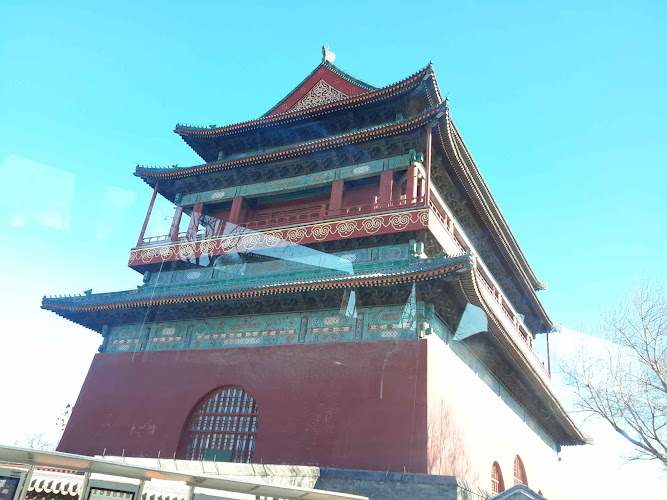
Jianyuan Garden
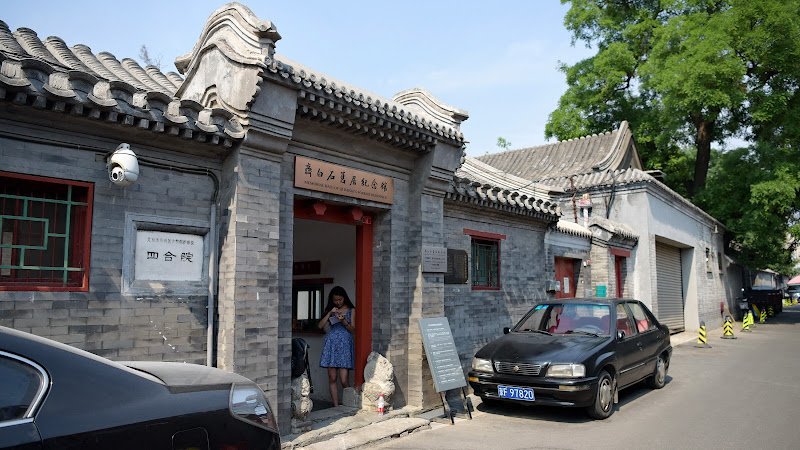
Former Residence of Qi Baishi
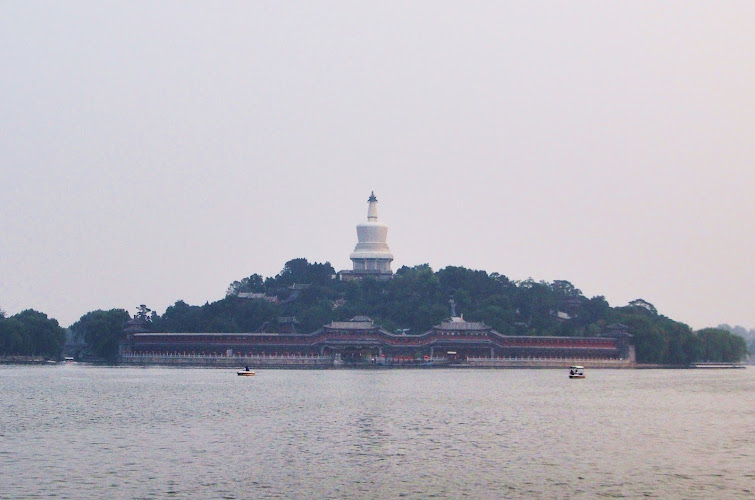
Beihai Park
Find Accommodations Nearby
Recommended Tours & Activities
Visitor Reviews
There are no reviews yet. Be the first one to write one.
Share Your Experience
Have you visited Niujie Mosque? Help other travelers by leaving a review.