
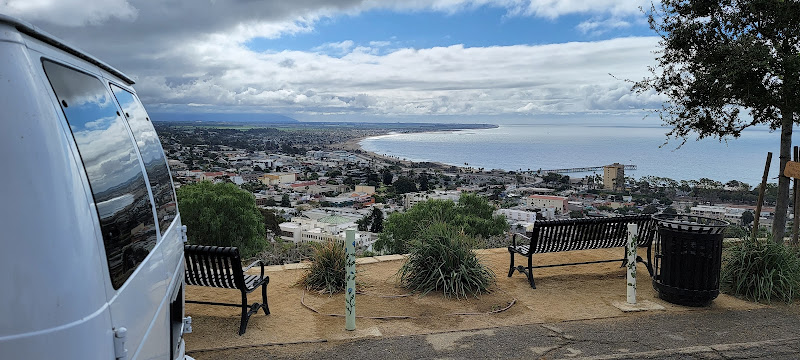
Father Serra Cross
About Father Serra Cross
Description
The Father Serra Cross stands as a powerful monument overlooking the California coastline, representing both a historical marker and a contemplative space that draws visitors from across the globe. This towering cross commemorates Father Junípero Serra, the Franciscan missionary who founded nine of California's twenty-one missions during the 18th century. And while the cross itself might seem like a simple structure at first glance, it carries with it layers of history, controversy, and spiritual significance that make it far more complex than meets the eye. When you approach this landmark, you'll notice how it commands attention against the backdrop of endless ocean views and rolling hillsides. The monument serves as both a religious symbol and a historical reminder of California's colonial past, though it's worth noting that perspectives on Father Serra's legacy vary considerably depending on who you ask. Some view him as a devoted spiritual leader who brought Christianity to the region, while others see his missions as places where indigenous populations suffered tremendous hardship and cultural loss. I've always found it fascinating how certain monuments spark such different reactions in people. The Father Serra Cross is definitely one of those places where your experience might be shaped by what you already know about California's mission history. But regardless of where you stand on these historical debates, there's no denying the physical beauty of the location and the peaceful atmosphere that surrounds it. The cross itself rises impressively into the sky, visible from various vantage points in the surrounding area, and the site offers some genuinely spectacular views that make the visit worthwhile on their own merit. The area around the cross provides a quiet retreat from the hustle of everyday life. You'll find that it's a spot where locals come to think, pray, or simply enjoy a moment of tranquility. Travelers often stumble upon this monument while exploring the California coast, and many describe it as an unexpected discovery that adds depth to their understanding of the region's complicated heritage.Key Features
The Father Serra Cross offers visitors several distinctive elements that make it memorable: • A towering cross structure that can be seen from miles away, serving as a navigational landmark for both land and sea travelers throughout history • Panoramic coastal views that stretch across the Pacific Ocean, providing exceptional photo opportunities especially during golden hour • Historical plaques and informational displays that explain Father Serra's role in California's mission system, though visitors should seek additional sources for a complete picture • A peaceful contemplative space that attracts both religious pilgrims and secular visitors seeking quiet reflection • Relatively easy accessibility compared to some other historical monuments in California, making it suitable for various fitness levels • The unique positioning that creates dramatic silhouettes at sunrise and sunset, which photographers absolutely love • A connection to the broader California Mission Trail, allowing visitors to understand how this monument fits into the larger network of missions established during the Spanish colonial period • Native plant landscaping that frames the monument and provides habitat for local bird species • Benches and resting areas where you can sit and absorb the atmosphere without feeling rushedBest Time to Visit
Timing your visit to the Father Serra Cross can really make or break your experience, and I learned this the hard way during my first visit when I showed up during midday fog that obscured basically everything. The California coast has its own weather personality, and you'll want to work with it rather than against it. Early morning visits, particularly between 7 and 9 AM, offer the clearest views and the most peaceful atmosphere. You'll likely have the place mostly to yourself, which is ideal if you're looking for that contemplative experience or want to take photos without other people in the frame. The morning light also hits the cross in a particularly striking way that brings out textures and creates long shadows across the landscape. Late afternoon visits, especially in the spring and fall months, provide exceptional lighting conditions. The so-called golden hour transforms the entire area into something magical, with warm light bathing the cross and the ocean beyond. But you'll be competing with other photographers during these prime times, so arrive a bit early to stake out your preferred viewing spot. Weather-wise, the spring months of April and May offer consistently clear skies and comfortable temperatures. Summer brings more visitors but also more fog, particularly in June and July when the marine layer can obscure views for hours or even entire days. Fall, especially September and October, delivers some of the best conditions overall with warm temperatures, clear skies, and fewer crowds than summer. Winter visiting has its own appeal if you don't mind cooler temperatures and the possibility of rain. The landscape turns greener, and storm clouds can create dramatic backdrops for the monument. Just check weather forecasts before heading out since some access roads can become slippery when wet. Weekdays are generally quieter than weekends, particularly if you can visit outside of major holidays. School groups sometimes visit during spring, so if you're hoping for solitude, calling ahead or checking local event calendars might save you from an unexpected crowd.How to Get There
Getting to the Father Serra Cross requires a bit of planning since it's not located right off a major highway with clear signage pointing the way. Most visitors access the site by car, and having reliable GPS navigation on your phone is basically essential unless you've been there before. If you're driving from nearby urban areas, you'll want to follow coastal highways until you reach the general vicinity, then watch carefully for smaller access roads that lead toward the monument. Parking is available but limited, so arriving during peak times might mean you'll need to wait for a spot or park further away and walk. The walk isn't terrible, but it's something to consider if you're traveling with young children or anyone with mobility concerns. Public transportation options are limited, which is pretty typical for historical monuments in less developed coastal areas. Some tour companies include the Father Serra Cross as part of broader California mission tours, which can be a convenient option if you're not renting a car during your trip. These guided tours provide historical context and handle all the logistics, though you'll have less flexibility in terms of how long you can spend at the site. For those coming from out of state, the nearest major airport is several hours away by car. You'll definitely need ground transportation to reach the cross, whether that's a rental car, ride-share service, or organized tour. Plan for the journey to take longer than GPS estimates suggest, especially if you're traveling during high-traffic periods or want to make stops along the scenic coastal route. The roads leading to the monument are generally well-maintained, though some sections can be narrow and winding. If you're nervous about driving on curvy coastal roads, take it slow and pull over at designated viewpoints to let faster traffic pass. There's no shame in being cautious, and you'll enjoy the scenery more when you're not white-knuckling the steering wheel. Walking or biking to the site is possible if you're staying nearby, though be aware that some approach roads lack dedicated pedestrian paths or bike lanes. Cyclists should be comfortable with hills and sharing roads with vehicles.Tips for Visiting
Bringing the right gear and having the right expectations can transform your Father Serra Cross experience from mediocre to memorable. Start with appropriate footwear – even if the main viewing area is accessible, you might want to explore surrounding paths, and proper shoes make all the difference. I once watched a tourist in flip-flops try to navigate the terrain and it wasn't pretty. Layer your clothing because coastal weather changes faster than you'd expect. That sunny morning can turn foggy and cold within minutes, and you'll be miserable if you're wearing just a t-shirt. A light jacket or windbreaker should be in your bag even if it seems warm when you leave your accommodation. Water and snacks are essential since there aren't facilities at the monument itself. Dehydration happens quickly in coastal sun and wind, even when temperatures seem moderate. Pack out everything you bring in – leaving trash at historical monuments is disrespectful to both the site and other visitors. Photography enthusiasts should bring a polarizing filter to cut through haze and enhance ocean colors. A wide-angle lens captures the full scope of the monument and surrounding landscape, while a telephoto lens lets you isolate details of the cross structure itself. Tripods are helpful for low-light conditions, though be mindful of not blocking paths or views for others. Take time to read the informational displays, but also do your own research beforehand. The history of Father Serra and California missions is complicated and often contested, so understanding multiple perspectives will enrich your visit. Indigenous voices in particular offer crucial context that isn't always represented in official monument signage. Respect the site's significance to various communities. Whether people come for religious, historical, or scenic reasons, showing consideration for different viewpoints creates a better experience for everyone. This means keeping voices low, not climbing on the monument itself, and being aware that some visitors may be engaged in prayer or meditation. Cell phone service can be spotty depending on your carrier, so don't rely on your phone for navigation once you're at the site. Download offline maps beforehand and let someone know your travel plans if you're visiting alone. Sunrise and sunset visits require extra caution since you'll be navigating in low light conditions. Bring a flashlight or headlamp for safe walking, and give your eyes time to adjust before attempting any paths or stairs. If you're visiting as part of a broader California mission tour, budget extra time at the Father Serra Cross compared to some other stops. The views and contemplative atmosphere deserve more than a quick photo stop, and rushing through diminishes what makes the site special. Finally, consider visiting during off-peak times if crowds bother you. The monument reveals different aspects of its character when you're alone with your thoughts versus when you're sharing the space with tour groups. Both experiences have value, but they're decidedly different, and knowing your preference helps you plan accordingly.Key Features
- Key Features
- Best Time to Visit
- How to Get There
- Tips for Visiting
More Details
Updated March 30, 2026
Table of Contents
Description
The Father Serra Cross stands as a powerful monument overlooking the California coastline, representing both a historical marker and a contemplative space that draws visitors from across the globe. This towering cross commemorates Father Junípero Serra, the Franciscan missionary who founded nine of California’s twenty-one missions during the 18th century. And while the cross itself might seem like a simple structure at first glance, it carries with it layers of history, controversy, and spiritual significance that make it far more complex than meets the eye.
When you approach this landmark, you’ll notice how it commands attention against the backdrop of endless ocean views and rolling hillsides. The monument serves as both a religious symbol and a historical reminder of California’s colonial past, though it’s worth noting that perspectives on Father Serra’s legacy vary considerably depending on who you ask. Some view him as a devoted spiritual leader who brought Christianity to the region, while others see his missions as places where indigenous populations suffered tremendous hardship and cultural loss.
I’ve always found it fascinating how certain monuments spark such different reactions in people. The Father Serra Cross is definitely one of those places where your experience might be shaped by what you already know about California’s mission history. But regardless of where you stand on these historical debates, there’s no denying the physical beauty of the location and the peaceful atmosphere that surrounds it. The cross itself rises impressively into the sky, visible from various vantage points in the surrounding area, and the site offers some genuinely spectacular views that make the visit worthwhile on their own merit.
The area around the cross provides a quiet retreat from the hustle of everyday life. You’ll find that it’s a spot where locals come to think, pray, or simply enjoy a moment of tranquility. Travelers often stumble upon this monument while exploring the California coast, and many describe it as an unexpected discovery that adds depth to their understanding of the region’s complicated heritage.
Key Features
The Father Serra Cross offers visitors several distinctive elements that make it memorable:
• A towering cross structure that can be seen from miles away, serving as a navigational landmark for both land and sea travelers throughout history
• Panoramic coastal views that stretch across the Pacific Ocean, providing exceptional photo opportunities especially during golden hour
• Historical plaques and informational displays that explain Father Serra’s role in California’s mission system, though visitors should seek additional sources for a complete picture
• A peaceful contemplative space that attracts both religious pilgrims and secular visitors seeking quiet reflection
• Relatively easy accessibility compared to some other historical monuments in California, making it suitable for various fitness levels
• The unique positioning that creates dramatic silhouettes at sunrise and sunset, which photographers absolutely love
• A connection to the broader California Mission Trail, allowing visitors to understand how this monument fits into the larger network of missions established during the Spanish colonial period
• Native plant landscaping that frames the monument and provides habitat for local bird species
• Benches and resting areas where you can sit and absorb the atmosphere without feeling rushed
Best Time to Visit
Timing your visit to the Father Serra Cross can really make or break your experience, and I learned this the hard way during my first visit when I showed up during midday fog that obscured basically everything. The California coast has its own weather personality, and you’ll want to work with it rather than against it.
Early morning visits, particularly between 7 and 9 AM, offer the clearest views and the most peaceful atmosphere. You’ll likely have the place mostly to yourself, which is ideal if you’re looking for that contemplative experience or want to take photos without other people in the frame. The morning light also hits the cross in a particularly striking way that brings out textures and creates long shadows across the landscape.
Late afternoon visits, especially in the spring and fall months, provide exceptional lighting conditions. The so-called golden hour transforms the entire area into something magical, with warm light bathing the cross and the ocean beyond. But you’ll be competing with other photographers during these prime times, so arrive a bit early to stake out your preferred viewing spot.
Weather-wise, the spring months of April and May offer consistently clear skies and comfortable temperatures. Summer brings more visitors but also more fog, particularly in June and July when the marine layer can obscure views for hours or even entire days. Fall, especially September and October, delivers some of the best conditions overall with warm temperatures, clear skies, and fewer crowds than summer.
Winter visiting has its own appeal if you don’t mind cooler temperatures and the possibility of rain. The landscape turns greener, and storm clouds can create dramatic backdrops for the monument. Just check weather forecasts before heading out since some access roads can become slippery when wet.
Weekdays are generally quieter than weekends, particularly if you can visit outside of major holidays. School groups sometimes visit during spring, so if you’re hoping for solitude, calling ahead or checking local event calendars might save you from an unexpected crowd.
How to Get There
Getting to the Father Serra Cross requires a bit of planning since it’s not located right off a major highway with clear signage pointing the way. Most visitors access the site by car, and having reliable GPS navigation on your phone is basically essential unless you’ve been there before.
If you’re driving from nearby urban areas, you’ll want to follow coastal highways until you reach the general vicinity, then watch carefully for smaller access roads that lead toward the monument. Parking is available but limited, so arriving during peak times might mean you’ll need to wait for a spot or park further away and walk. The walk isn’t terrible, but it’s something to consider if you’re traveling with young children or anyone with mobility concerns.
Public transportation options are limited, which is pretty typical for historical monuments in less developed coastal areas. Some tour companies include the Father Serra Cross as part of broader California mission tours, which can be a convenient option if you’re not renting a car during your trip. These guided tours provide historical context and handle all the logistics, though you’ll have less flexibility in terms of how long you can spend at the site.
For those coming from out of state, the nearest major airport is several hours away by car. You’ll definitely need ground transportation to reach the cross, whether that’s a rental car, ride-share service, or organized tour. Plan for the journey to take longer than GPS estimates suggest, especially if you’re traveling during high-traffic periods or want to make stops along the scenic coastal route.
The roads leading to the monument are generally well-maintained, though some sections can be narrow and winding. If you’re nervous about driving on curvy coastal roads, take it slow and pull over at designated viewpoints to let faster traffic pass. There’s no shame in being cautious, and you’ll enjoy the scenery more when you’re not white-knuckling the steering wheel.
Walking or biking to the site is possible if you’re staying nearby, though be aware that some approach roads lack dedicated pedestrian paths or bike lanes. Cyclists should be comfortable with hills and sharing roads with vehicles.
Tips for Visiting
Bringing the right gear and having the right expectations can transform your Father Serra Cross experience from mediocre to memorable. Start with appropriate footwear – even if the main viewing area is accessible, you might want to explore surrounding paths, and proper shoes make all the difference. I once watched a tourist in flip-flops try to navigate the terrain and it wasn’t pretty.
Layer your clothing because coastal weather changes faster than you’d expect. That sunny morning can turn foggy and cold within minutes, and you’ll be miserable if you’re wearing just a t-shirt. A light jacket or windbreaker should be in your bag even if it seems warm when you leave your accommodation.
Water and snacks are essential since there aren’t facilities at the monument itself. Dehydration happens quickly in coastal sun and wind, even when temperatures seem moderate. Pack out everything you bring in – leaving trash at historical monuments is disrespectful to both the site and other visitors.
Photography enthusiasts should bring a polarizing filter to cut through haze and enhance ocean colors. A wide-angle lens captures the full scope of the monument and surrounding landscape, while a telephoto lens lets you isolate details of the cross structure itself. Tripods are helpful for low-light conditions, though be mindful of not blocking paths or views for others.
Take time to read the informational displays, but also do your own research beforehand. The history of Father Serra and California missions is complicated and often contested, so understanding multiple perspectives will enrich your visit. Indigenous voices in particular offer crucial context that isn’t always represented in official monument signage.
Respect the site’s significance to various communities. Whether people come for religious, historical, or scenic reasons, showing consideration for different viewpoints creates a better experience for everyone. This means keeping voices low, not climbing on the monument itself, and being aware that some visitors may be engaged in prayer or meditation.
Cell phone service can be spotty depending on your carrier, so don’t rely on your phone for navigation once you’re at the site. Download offline maps beforehand and let someone know your travel plans if you’re visiting alone.
Sunrise and sunset visits require extra caution since you’ll be navigating in low light conditions. Bring a flashlight or headlamp for safe walking, and give your eyes time to adjust before attempting any paths or stairs.
If you’re visiting as part of a broader California mission tour, budget extra time at the Father Serra Cross compared to some other stops. The views and contemplative atmosphere deserve more than a quick photo stop, and rushing through diminishes what makes the site special.
Finally, consider visiting during off-peak times if crowds bother you. The monument reveals different aspects of its character when you’re alone with your thoughts versus when you’re sharing the space with tour groups. Both experiences have value, but they’re decidedly different, and knowing your preference helps you plan accordingly.
Key Highlights
- Key Features
- Best Time to Visit
- How to Get There
- Tips for Visiting
Location
Places to Stay Near Father Serra Cross
Find and Book a Tour
Explore More Travel Guides
No reviews found! Be the first to review!
Father Serra Cross is a prominent Attractions located in Ventura.
Visit us at: Father Serra Cross, Ventura, CA 93001, United States.
Traveler Reviews for Father Serra Cross
There are no reviews yet. Be the first one to write one.
Have you visited Father Serra Cross? Help other travelers by sharing your review.
You Might Also Like
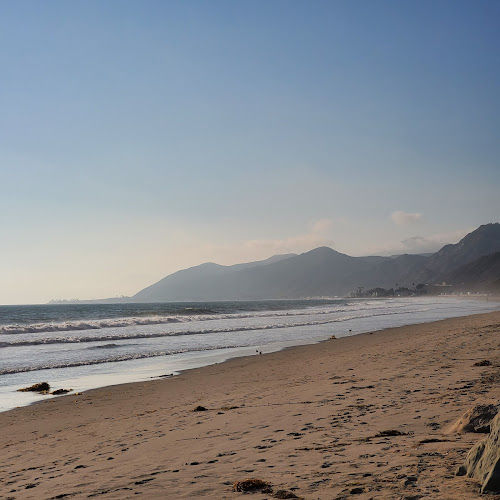
Emma Wood State Beach
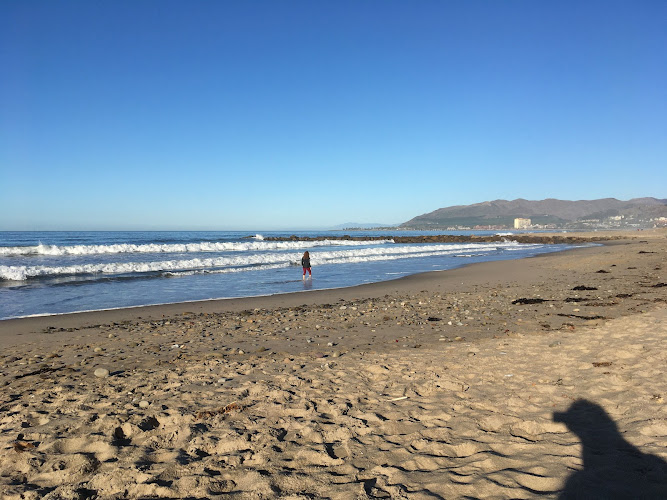
San Buenaventura State Beach
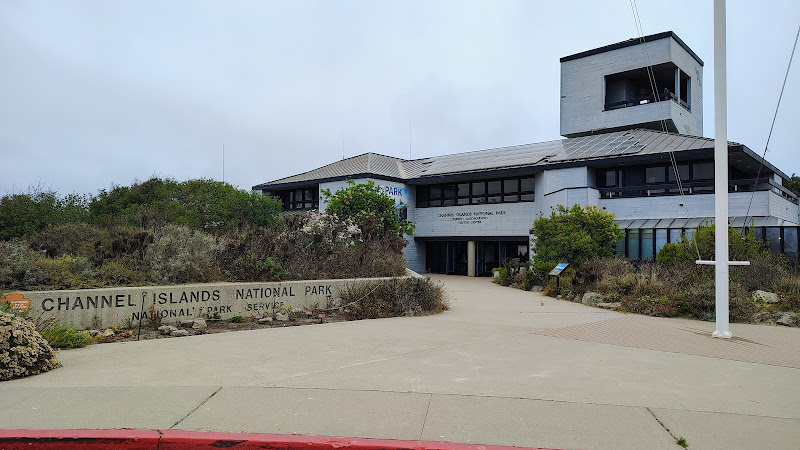
The Robert J. Lagomarsino Visitor Center at Channel Islands National Park
Find Accommodations Nearby
Recommended Tours & Activities
Visitor Reviews
There are no reviews yet. Be the first one to write one.
Share Your Experience
Have you visited Father Serra Cross? Help other travelers by leaving a review.