

Faro
About Faro
Description
Faro isn’t the kind of city that shouts for your attention, but trust me, that’s exactly its charm. It’s a bit odd to me how many travelers dart through here, en route to flashier Algarve beaches or just hopping off the plane and heading elsewhere. If you slow down for a second—and I mean really pause—you’ll sense layers of history wrapped around modern life. It’s where Moorish legend clings to stone arches, while students from the university tumble down sunlit lanes searching for the perfect pastel de nata. I once tried to count the colors of the worn tiles on a single building near Faro Cathedral and gave up around forty. You just can’t replicate this mix of grit, grandeur, and authentic Portuguese stillness.
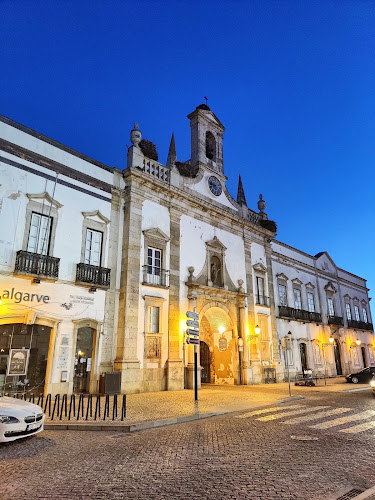
Strolling through the neoclassical Arco da Vila gate, you practically feel the hush of centuries. That arch doesn’t just photograph well (oh it does, especially in the golden light); it’s your gateway into a world where cobblestone alleys twist under orange trees, leading you to unexpected courtyards. Maybe you’ll find a group of elderly men arguing over football or a hidden bar with suspiciously good ginjinha. The old town is compact but somehow seems endless if you let yourself wander without a map.
Faro Cathedral sits quietly in a sleepy square, modest from the outside but ornately layered inside, with that singular Algarve detail—shells, carved wood, and just enough faded grandeur to make you linger. Don’t skip the climb to the bell tower. I’m probably biased, but the rooftop views of the Ria Formosa lagoon, all shimmering water and lazy boats, are as good as any I’ve found in Europe. For those of you with a hunger for culture (and, honestly, air conditioning on those hotter afternoons), there’s the Municipal Museum tucked into a peaceful convent. I was surprised by how captivating their ancient mosaic is—a scene of the sea god Oceanus, full of mystery and exquisite color.
Faro isn’t just a city of the past. Its marina fills with laughter late at night, the seafood is criminally underrated, and the far-reaching sands of Ilha Deserta are just a boat ride away. Bonus: I have genuinely never had a bad coffee in Faro. Maybe that’s the real secret.
Key Features
- Arco da Vila: Walking under this 19th-century neoclassical arch is like stepping through a portal straight into the winding magic of the old city.
- Cobbled Old Town: Enchanting maze of alleys lined with mosaic tiles, sunlit plazas, tucked-away tapas bars, and local boutiques. Watch for those striking stork nests perched overhead!
- Faro Cathedral (Sé de Faro): Stately 13th-century cathedral—intricate interiors, unusual artifacts, plus a viewpoint that’s wildly underrated but never overcrowded.
- Municipal Museum: Honestly, it’s easy to skip museums when traveling, but don’t—this one’s housed in a former convent, with standout medieval and prehistoric artifacts (the Roman mosaic is a personal favorite).
- Ria Formosa Natural Park: Lagoon-dotted biosphere, crucial for bird migration. Day cruises, kayaking, and deserted islands abound—yes, you can feel like Robinson Crusoe here.
- Open-air Markets: An explosion of color and scent, with ripe figs, salty cheese, local honey—bite into something unfamiliar; the vendors always love explaining what you’re tasting.
- Marina & Waterfront Promenade: Sit with a chilled drink in hand, watch the sunset, and people-watch as the city gently pulses on.
- Ilha Deserta Beaches: Just a short boat ride away, stretches of totally wild sand with almost no buildings—honestly, one of those rare “secret” spots that still hasn’t been spoiled.
Best Time to Visit
This is one of those “depends what you’re after” answers, but here’s the unvarnished truth from someone who’s sweated through August in the Algarve. Spring (April–June) and autumn (September–early November) are pure bliss in Faro—think sunny, warm-but-not-frying days, plus those incredible cobalt blue skies. The crowds haven’t descended, so you won’t be elbowing for space in the old town or at the gelato stand. The air even smells fresher, especially after a rare Algarve rain shower.
Summer? No denying it—mid-July to late August gets hot and busy. Still, if you love nightlife, big festivals, and the electric buzz of a coast in full party mode, you’ll thrive. Just pack your patience for queues, and maybe position yourself near a fan during siesta hours. Winter in Faro can be lovely and quiet, draped in a soft mist, with temperatures hovering between 12°C and 18°C (I’ll admit I loved reading by the docks when the air was cool but the sun was still bright). Many shops shorten hours, but you’ll have the city at your leisure—plus, it’s way more affordable then.
How to Get There
Seeing as Faro is a bit of a gateway to the Algarve, flights are dead easy—Faro Airport (Aeroporto de Faro, if you want to impress the locals) is a 10-minute drive from the city center. Loads of budget and major airlines land here from all over Europe and even North Africa. I once landed late at night and was in an old town wine bar in less than 40 minutes—true story.
If you’re coming by train, the rail station sits conveniently close to everything. Lisbon to Faro is a breezy scenic ride—about 3 hours. Bus options abound too, and they’re pretty comfy for the price. Driving down? The A22 highway spits you out nearby, and rental options at the airport mean you can road-trip the rest of the Algarve at your leisure.
Also: Don’t forget the ferries to the islands. They’re part of the fun, and watching the town slip away as you cross the turquoise water? One of those memories you’ll keep.
Tips for Visiting
- Slow Down & Get Lost: Faro rewards wanderers. Take your time. The hidden corners—think faded mansions, secret courtyards—are deliciously photogenic and refreshingly uncrowded.
- Mind the Siesta: Locals do take afternoon breaks, especially in summer. Plan your sightseeing around that sacred lunch-and-nap time, or join in and enjoy a long, lazy meal.
- Cash Helps: While most places accept cards, some old-school gems (like market stalls) still prefer cash. Carry a bit, just in case.
- Climb the Bell Tower: The view from Faro Cathedral’s bell tower is a must. Early morning, you’ll catch mist swirling over the lagoon—magical stuff.
- Sample the Seafood: Even if you’re usually wary, try the cataplana or a frango piri-piri. Algarve cuisine is addictive. Local seafood rice? Best with a dash of hot sauce.
- Watch Out for Storks: Their enormous nests are everywhere. Sometimes you spot them circling above—a bit surreal at first, but unforgettable.
- Explore Beyond the Center: Hop a boat to Ilha Deserta or cycle to Ludo Trail in Ria Formosa. These little adventures are my antidote to city stress.
- Respect the Pace: Faro folks aren’t in a rush. Don’t barrel through. Strike up a conversation, ask for recommendations. I’ve gotten restaurant tips from strangers standing in line at the bakery.
- Nightlife Surprises: Unlike Lisbon or Porto, Faro’s nightlife is chill but lively—students drive the energy. Pubs by the marina, tucked-away fado, and the occasional live jazz in the shadow of ancient walls.
My last word? Don’t treat Faro as just a pitstop. Let the city get under your skin—and trust me, it will—whether you’re here for a quick café or an entire season of slow travel. You’ll probably end up like me, plotting your next visit before you’ve even left.
Key Features
- Key Features
- Best Time to Visit
- How to Get There
- Tips for Visiting
More Details
Updated June 9, 2025
Table of Contents
Description
Faro isn’t the kind of city that shouts for your attention, but trust me, that’s exactly its charm. It’s a bit odd to me how many travelers dart through here, en route to flashier Algarve beaches or just hopping off the plane and heading elsewhere. If you slow down for a second—and I mean really pause—you’ll sense layers of history wrapped around modern life. It’s where Moorish legend clings to stone arches, while students from the university tumble down sunlit lanes searching for the perfect pastel de nata. I once tried to count the colors of the worn tiles on a single building near Faro Cathedral and gave up around forty. You just can’t replicate this mix of grit, grandeur, and authentic Portuguese stillness.
Strolling through the neoclassical Arco da Vila gate, you practically feel the hush of centuries. That arch doesn’t just photograph well (oh it does, especially in the golden light); it’s your gateway into a world where cobblestone alleys twist under orange trees, leading you to unexpected courtyards. Maybe you’ll find a group of elderly men arguing over football or a hidden bar with suspiciously good ginjinha. The old town is compact but somehow seems endless if you let yourself wander without a map.
Faro Cathedral sits quietly in a sleepy square, modest from the outside but ornately layered inside, with that singular Algarve detail—shells, carved wood, and just enough faded grandeur to make you linger. Don’t skip the climb to the bell tower. I’m probably biased, but the rooftop views of the Ria Formosa lagoon, all shimmering water and lazy boats, are as good as any I’ve found in Europe. For those of you with a hunger for culture (and, honestly, air conditioning on those hotter afternoons), there’s the Municipal Museum tucked into a peaceful convent. I was surprised by how captivating their ancient mosaic is—a scene of the sea god Oceanus, full of mystery and exquisite color.
Faro isn’t just a city of the past. Its marina fills with laughter late at night, the seafood is criminally underrated, and the far-reaching sands of Ilha Deserta are just a boat ride away. Bonus: I have genuinely never had a bad coffee in Faro. Maybe that’s the real secret.
Key Features
- Arco da Vila: Walking under this 19th-century neoclassical arch is like stepping through a portal straight into the winding magic of the old city.
- Cobbled Old Town: Enchanting maze of alleys lined with mosaic tiles, sunlit plazas, tucked-away tapas bars, and local boutiques. Watch for those striking stork nests perched overhead!
- Faro Cathedral (Sé de Faro): Stately 13th-century cathedral—intricate interiors, unusual artifacts, plus a viewpoint that’s wildly underrated but never overcrowded.
- Municipal Museum: Honestly, it’s easy to skip museums when traveling, but don’t—this one’s housed in a former convent, with standout medieval and prehistoric artifacts (the Roman mosaic is a personal favorite).
- Ria Formosa Natural Park: Lagoon-dotted biosphere, crucial for bird migration. Day cruises, kayaking, and deserted islands abound—yes, you can feel like Robinson Crusoe here.
- Open-air Markets: An explosion of color and scent, with ripe figs, salty cheese, local honey—bite into something unfamiliar; the vendors always love explaining what you’re tasting.
- Marina & Waterfront Promenade: Sit with a chilled drink in hand, watch the sunset, and people-watch as the city gently pulses on.
- Ilha Deserta Beaches: Just a short boat ride away, stretches of totally wild sand with almost no buildings—honestly, one of those rare “secret” spots that still hasn’t been spoiled.
Best Time to Visit
This is one of those “depends what you’re after” answers, but here’s the unvarnished truth from someone who’s sweated through August in the Algarve. Spring (April–June) and autumn (September–early November) are pure bliss in Faro—think sunny, warm-but-not-frying days, plus those incredible cobalt blue skies. The crowds haven’t descended, so you won’t be elbowing for space in the old town or at the gelato stand. The air even smells fresher, especially after a rare Algarve rain shower.
Summer? No denying it—mid-July to late August gets hot and busy. Still, if you love nightlife, big festivals, and the electric buzz of a coast in full party mode, you’ll thrive. Just pack your patience for queues, and maybe position yourself near a fan during siesta hours. Winter in Faro can be lovely and quiet, draped in a soft mist, with temperatures hovering between 12°C and 18°C (I’ll admit I loved reading by the docks when the air was cool but the sun was still bright). Many shops shorten hours, but you’ll have the city at your leisure—plus, it’s way more affordable then.
How to Get There
Seeing as Faro is a bit of a gateway to the Algarve, flights are dead easy—Faro Airport (Aeroporto de Faro, if you want to impress the locals) is a 10-minute drive from the city center. Loads of budget and major airlines land here from all over Europe and even North Africa. I once landed late at night and was in an old town wine bar in less than 40 minutes—true story.
If you’re coming by train, the rail station sits conveniently close to everything. Lisbon to Faro is a breezy scenic ride—about 3 hours. Bus options abound too, and they’re pretty comfy for the price. Driving down? The A22 highway spits you out nearby, and rental options at the airport mean you can road-trip the rest of the Algarve at your leisure.
Also: Don’t forget the ferries to the islands. They’re part of the fun, and watching the town slip away as you cross the turquoise water? One of those memories you’ll keep.
Tips for Visiting
- Slow Down & Get Lost: Faro rewards wanderers. Take your time. The hidden corners—think faded mansions, secret courtyards—are deliciously photogenic and refreshingly uncrowded.
- Mind the Siesta: Locals do take afternoon breaks, especially in summer. Plan your sightseeing around that sacred lunch-and-nap time, or join in and enjoy a long, lazy meal.
- Cash Helps: While most places accept cards, some old-school gems (like market stalls) still prefer cash. Carry a bit, just in case.
- Climb the Bell Tower: The view from Faro Cathedral’s bell tower is a must. Early morning, you’ll catch mist swirling over the lagoon—magical stuff.
- Sample the Seafood: Even if you’re usually wary, try the cataplana or a frango piri-piri. Algarve cuisine is addictive. Local seafood rice? Best with a dash of hot sauce.
- Watch Out for Storks: Their enormous nests are everywhere. Sometimes you spot them circling above—a bit surreal at first, but unforgettable.
- Explore Beyond the Center: Hop a boat to Ilha Deserta or cycle to Ludo Trail in Ria Formosa. These little adventures are my antidote to city stress.
- Respect the Pace: Faro folks aren’t in a rush. Don’t barrel through. Strike up a conversation, ask for recommendations. I’ve gotten restaurant tips from strangers standing in line at the bakery.
- Nightlife Surprises: Unlike Lisbon or Porto, Faro’s nightlife is chill but lively—students drive the energy. Pubs by the marina, tucked-away fado, and the occasional live jazz in the shadow of ancient walls.
My last word? Don’t treat Faro as just a pitstop. Let the city get under your skin—and trust me, it will—whether you’re here for a quick café or an entire season of slow travel. You’ll probably end up like me, plotting your next visit before you’ve even left.
Key Highlights
- Key Features
- Best Time to Visit
- How to Get There
- Tips for Visiting
Location
Places to Stay Near Faro
Find and Book a Tour
Explore More Travel Guides
No reviews found! Be the first to review!
Traveler Reviews for Faro
There are no reviews yet. Be the first one to write one.
Have you visited Faro? Help other travelers by sharing your review.
You Might Also Like

Igreja de Santa Maria

Museu Regional do Algarve
Arco da Vila
Find Accommodations Nearby
Recommended Tours & Activities
Visitor Reviews
There are no reviews yet. Be the first one to write one.
Share Your Experience
Have you visited Faro? Help other travelers by leaving a review.