
Fallujah Dam
About Fallujah Dam
Description
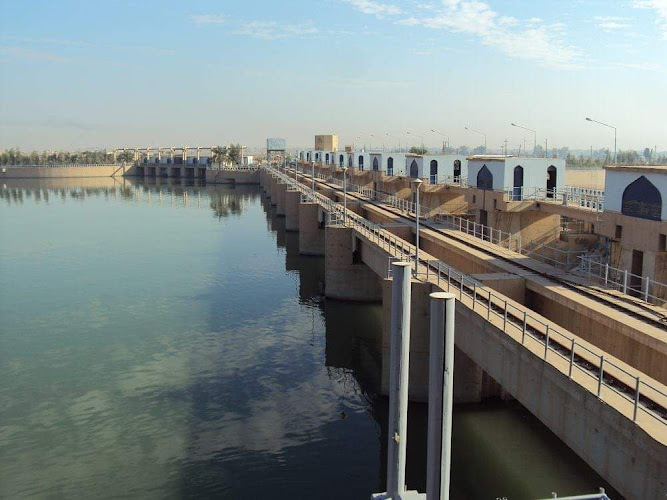
The Fallujah Dam, or Fallujah Barrage as it’s often called, sits quietly along the Euphrates River in Iraq’s Al Anbar Governorate. Built back in 1985, it’s not the sort of place that screams for attention—but once you’re there, you feel it. The calm hum of the water, the shimmer of the sunlight bouncing off the river, and that unmistakable sense of history—it’s all there. The dam isn’t just a feat of engineering; it’s a living part of the local landscape, shaping the rhythm of life in the region. Unlike some of the larger, power-generating dams on the Euphrates, Fallujah Dam’s main purpose is irrigation. It raises the river’s water level, feeding the farmlands that stretch across the plains.
And here’s the thing—when you stand on the bridge overlooking the barrage, you realize how much this structure means to the people nearby. Farmers depend on it, fishermen work its waters, and locals often come just to enjoy the view. It’s not polished or overly touristy, but that’s part of its charm. The air smells faintly of river reeds and warm stone, and if you visit around sunset, the sky turns this unbelievable shade of gold that makes everything feel timeless. I remember standing there once, camera in hand, trying to capture the way the light danced across the water, but honestly, no photo could ever do it justice.
Key Features
- Historical Construction: Completed in 1985, the dam represents a period of ambitious infrastructure development in Iraq.
- Non-Hydroelectric Function: Unlike many other dams on the Euphrates, it doesn’t generate power—its role is purely to manage irrigation and water levels.
- Two-Part Structure: The barrage consists of two main sections that control the flow of water across the Euphrates, balancing flood control and agricultural needs.
- Strategic Location: Positioned near the city of Fallujah, the dam connects rural and urban communities through its water management system.
- Scenic Views: The surrounding riverbanks offer peaceful views, especially at sunrise or sunset, making it a quiet escape for travelers seeking authenticity.
- Local Significance: The dam plays an essential role in supporting local agriculture, ensuring that fields remain fertile and productive year-round.
It’s fascinating how something so functional can also be so beautiful. The symmetry of the gates, the steady rhythm of the flowing water—it’s almost meditative. And if you’re into photography, this place is a dream. The reflections, the textures, the play of light—it’s all there waiting for you.
Best Time to Visit
The best time to visit the Fallujah Dam is between late October and early April. The weather is cooler and far more comfortable for exploring. During summer, temperatures in Al Anbar can soar, and trust me, standing near a concrete barrage under the midday sun isn’t exactly pleasant. But in the cooler months, the air feels crisp, and the Euphrates flows strong and steady.
If you can, aim for early morning or late afternoon. The light is softer, and the river takes on this glassy, reflective quality that’s magical. I once visited in November, and the mist rising off the water at dawn made it feel like something out of a dream. You might even spot a few locals casting fishing lines or small boats gliding by. It’s peaceful in a way that’s hard to find in busier cities.
How to Get There
Reaching the Fallujah Dam is relatively straightforward if you’re already in the Al Anbar region. The dam lies just outside the city of Fallujah, and local taxis or private drivers can easily take you there. The roads are generally well-maintained, though it’s always wise to check local travel advisories before heading out.
If you’re coming from Baghdad, the drive takes around an hour or so, depending on traffic and checkpoints along the highway. It’s a scenic route in its own right—wide open desert landscapes, glimpses of the Euphrates winding through the terrain, and the occasional roadside stall selling tea or dates. I recommend hiring a local driver who knows the area; not only will it make the trip smoother, but you’ll probably hear some great stories along the way.
For those with a bit of adventure in their spirit, you could even rent a car and make a road trip out of it. Just bring plenty of water, a good playlist, and a sense of curiosity. The journey itself becomes part of the experience.
Tips for Visiting
If you’re planning a visit, a few practical tips can make your experience much more enjoyable—and safer too.
- Dress Appropriately: The area can get hot during the day and cooler in the evenings. Lightweight, breathable clothing works best, but bring a light jacket if you’re staying late.
- Respect Local Customs: Fallujah is a conservative area, so modest dress and polite behavior go a long way. Always ask before taking photos of people.
- Bring Water and Snacks: There aren’t many facilities directly at the site, so it’s smart to pack refreshments.
- Stay Aware of Your Surroundings: The dam is an operational structure, so stick to designated areas and avoid restricted zones.
- Photography: The lighting here changes dramatically throughout the day. For the best photos, visit during golden hour—just before sunset.
- Local Guides: If you can find one, a local guide can share fascinating insights about the dam’s history and its role in the region’s water management.
And honestly, don’t rush it. Spend some time just standing there, watching the water flow. It’s easy to get caught up in snapping photos or checking off your travel list, but the Fallujah Dam is one of those places that rewards stillness. It’s not flashy or loud—it’s steady, purposeful, and quietly beautiful.
On my last visit, I remember a group of kids skipping stones near the edge of the river. Their laughter echoed across the water, and for a moment, everything felt perfectly balanced—the old and the new, the human and the natural. That’s what makes this place special. It’s a reminder that even in a region known for its challenges, there’s resilience, there’s beauty, and there’s life flowing forward, just like the Euphrates itself.
So if you ever find yourself in Iraq, take the time to visit the Fallujah Dam. It might not be the most famous landmark, but it’s one of those rare places that stays with you long after you’ve left. It’s a little piece of history, a touch of nature, and a quiet moment of reflection all rolled into one. And who knows? You might just find yourself falling a bit in love with it, too.
Key Features
- Key Features
- Best Time to Visit
- How to Get There
- Tips for Visiting
More Details
Updated December 1, 2025
Table of Contents
Description
The Fallujah Dam, or Fallujah Barrage as it’s often called, sits quietly along the Euphrates River in Iraq’s Al Anbar Governorate. Built back in 1985, it’s not the sort of place that screams for attention—but once you’re there, you feel it. The calm hum of the water, the shimmer of the sunlight bouncing off the river, and that unmistakable sense of history—it’s all there. The dam isn’t just a feat of engineering; it’s a living part of the local landscape, shaping the rhythm of life in the region. Unlike some of the larger, power-generating dams on the Euphrates, Fallujah Dam’s main purpose is irrigation. It raises the river’s water level, feeding the farmlands that stretch across the plains.
And here’s the thing—when you stand on the bridge overlooking the barrage, you realize how much this structure means to the people nearby. Farmers depend on it, fishermen work its waters, and locals often come just to enjoy the view. It’s not polished or overly touristy, but that’s part of its charm. The air smells faintly of river reeds and warm stone, and if you visit around sunset, the sky turns this unbelievable shade of gold that makes everything feel timeless. I remember standing there once, camera in hand, trying to capture the way the light danced across the water, but honestly, no photo could ever do it justice.
Key Features
- Historical Construction: Completed in 1985, the dam represents a period of ambitious infrastructure development in Iraq.
- Non-Hydroelectric Function: Unlike many other dams on the Euphrates, it doesn’t generate power—its role is purely to manage irrigation and water levels.
- Two-Part Structure: The barrage consists of two main sections that control the flow of water across the Euphrates, balancing flood control and agricultural needs.
- Strategic Location: Positioned near the city of Fallujah, the dam connects rural and urban communities through its water management system.
- Scenic Views: The surrounding riverbanks offer peaceful views, especially at sunrise or sunset, making it a quiet escape for travelers seeking authenticity.
- Local Significance: The dam plays an essential role in supporting local agriculture, ensuring that fields remain fertile and productive year-round.
It’s fascinating how something so functional can also be so beautiful. The symmetry of the gates, the steady rhythm of the flowing water—it’s almost meditative. And if you’re into photography, this place is a dream. The reflections, the textures, the play of light—it’s all there waiting for you.
Best Time to Visit
The best time to visit the Fallujah Dam is between late October and early April. The weather is cooler and far more comfortable for exploring. During summer, temperatures in Al Anbar can soar, and trust me, standing near a concrete barrage under the midday sun isn’t exactly pleasant. But in the cooler months, the air feels crisp, and the Euphrates flows strong and steady.
If you can, aim for early morning or late afternoon. The light is softer, and the river takes on this glassy, reflective quality that’s magical. I once visited in November, and the mist rising off the water at dawn made it feel like something out of a dream. You might even spot a few locals casting fishing lines or small boats gliding by. It’s peaceful in a way that’s hard to find in busier cities.
How to Get There
Reaching the Fallujah Dam is relatively straightforward if you’re already in the Al Anbar region. The dam lies just outside the city of Fallujah, and local taxis or private drivers can easily take you there. The roads are generally well-maintained, though it’s always wise to check local travel advisories before heading out.
If you’re coming from Baghdad, the drive takes around an hour or so, depending on traffic and checkpoints along the highway. It’s a scenic route in its own right—wide open desert landscapes, glimpses of the Euphrates winding through the terrain, and the occasional roadside stall selling tea or dates. I recommend hiring a local driver who knows the area; not only will it make the trip smoother, but you’ll probably hear some great stories along the way.
For those with a bit of adventure in their spirit, you could even rent a car and make a road trip out of it. Just bring plenty of water, a good playlist, and a sense of curiosity. The journey itself becomes part of the experience.
Tips for Visiting
If you’re planning a visit, a few practical tips can make your experience much more enjoyable—and safer too.
- Dress Appropriately: The area can get hot during the day and cooler in the evenings. Lightweight, breathable clothing works best, but bring a light jacket if you’re staying late.
- Respect Local Customs: Fallujah is a conservative area, so modest dress and polite behavior go a long way. Always ask before taking photos of people.
- Bring Water and Snacks: There aren’t many facilities directly at the site, so it’s smart to pack refreshments.
- Stay Aware of Your Surroundings: The dam is an operational structure, so stick to designated areas and avoid restricted zones.
- Photography: The lighting here changes dramatically throughout the day. For the best photos, visit during golden hour—just before sunset.
- Local Guides: If you can find one, a local guide can share fascinating insights about the dam’s history and its role in the region’s water management.
And honestly, don’t rush it. Spend some time just standing there, watching the water flow. It’s easy to get caught up in snapping photos or checking off your travel list, but the Fallujah Dam is one of those places that rewards stillness. It’s not flashy or loud—it’s steady, purposeful, and quietly beautiful.
On my last visit, I remember a group of kids skipping stones near the edge of the river. Their laughter echoed across the water, and for a moment, everything felt perfectly balanced—the old and the new, the human and the natural. That’s what makes this place special. It’s a reminder that even in a region known for its challenges, there’s resilience, there’s beauty, and there’s life flowing forward, just like the Euphrates itself.
So if you ever find yourself in Iraq, take the time to visit the Fallujah Dam. It might not be the most famous landmark, but it’s one of those rare places that stays with you long after you’ve left. It’s a little piece of history, a touch of nature, and a quiet moment of reflection all rolled into one. And who knows? You might just find yourself falling a bit in love with it, too.
Key Highlights
- Key Features
- Best Time to Visit
- How to Get There
- Tips for Visiting
Location
Places to Stay Near Fallujah Dam
Find and Book a Tour
Explore More Travel Guides
No reviews found! Be the first to review!
Traveler Reviews for Fallujah Dam
There are no reviews yet. Be the first one to write one.
Have you visited Fallujah Dam? Help other travelers by sharing your review.
You Might Also Like
Al-Fallujah
Alnzizh St

Abdul-Aziz al-Samarrai Mosque
Find Accommodations Nearby
Recommended Tours & Activities
Visitor Reviews
There are no reviews yet. Be the first one to write one.
Share Your Experience
Have you visited Fallujah Dam? Help other travelers by leaving a review.