
Al-Fallujah
About Al-Fallujah
Description
Al-Fallujah, often simply called Fallujah, is one of those places that surprises you the moment you set foot there. Located along the banks of the Euphrates River in Iraq’s Al Anbar Governorate, about an hour’s drive west of Baghdad, this city carries layers of history, resilience, and quiet beauty. It’s not the kind of destination that screams “tourist hotspot,” and maybe that’s exactly why it feels so authentic. You get to see real Iraq here—its people, traditions, and the rhythm of daily life that has persisted through centuries of change.
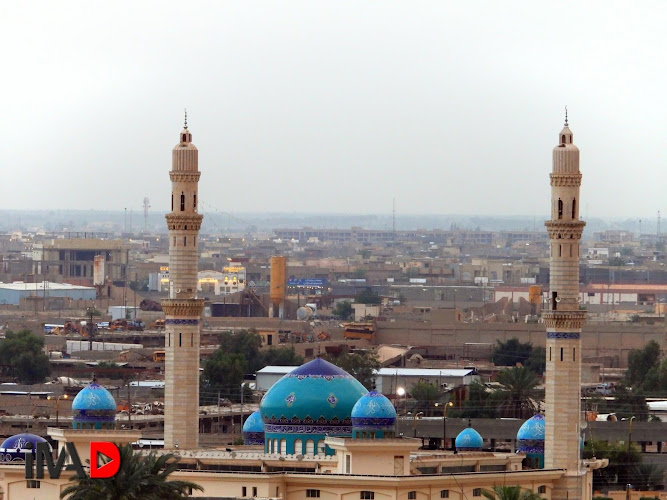
Once known for its canals and fertile lands, Fallujah was historically a trading hub and a center of learning. The city’s story is not without its scars—conflict has left its mark—but what stands out today is the remarkable way it has rebuilt itself. Walking through its streets, you’ll notice a blend of old-world charm and modern reconstruction. The people here have an unshakable sense of pride, and that pride is reflected in everything from the bustling markets to the freshly painted mosques that shimmer under the desert sun.
I remember chatting with a local shopkeeper who sold handwoven carpets. He told me, “Fallujah has seen hard days, but we never stopped living.” And that’s the essence of this city—it’s alive in the truest sense. Whether you’re sipping tea near the river or exploring the local museum that showcases artifacts from ancient Mesopotamian civilizations, you can feel the heartbeat of a place that refuses to be defined by its past alone.
Key Features
- The Euphrates River: The lifeline of Fallujah, offering scenic views, peaceful boat rides, and a glimpse into the agricultural traditions that still thrive along its banks.
- Al-Fallujah Museum: A must-visit for history lovers, housing artifacts that trace the city’s roots back to ancient Mesopotamia and showcasing the artistry of local craftsmen.
- Traditional Bazaars: Wander through the lively markets filled with spices, textiles, and handcrafted goods—you’ll likely find something unique to take home.
- Local Cuisine: Try dishes like masgouf (grilled fish) or kubba, often served with freshly baked bread; the food here is hearty and full of flavor.
- Religious and Cultural Sites: The city’s mosques and shrines stand as symbols of faith and endurance, with intricate architecture that reflects centuries of cultural heritage.
- Warm Hospitality: The people of Fallujah are known for their generosity. Don’t be surprised if someone invites you for tea or insists you try their homemade sweets.
Best Time to Visit
If you’re planning a trip, timing matters a lot. Fallujah experiences a desert climate—hot summers and mild winters. The best time to visit is between November and March, when the weather is cooler and more comfortable for exploring. During these months, daytime temperatures hover around the mid-20s Celsius, making it ideal for walking tours or riverside picnics. Summers, on the other hand, can be scorching, easily reaching above 45°C, so unless you’re used to desert heat, it’s better to avoid that period.
Spring brings a subtle charm too—the landscape around the Euphrates turns a bit greener, and you’ll see farmers tending to their date palms and crops. It’s a wonderful time to see the countryside at its best. I once visited in early March, and the air had this warm, earthy scent that made every moment feel grounded and real. You might even catch a few local festivals or markets buzzing with seasonal energy.
How to Get There
Getting to Fallujah is relatively straightforward if you’re already in Iraq. The city lies about 69 kilometers west of Baghdad, which means it’s roughly an hour’s drive via the main highway. Most travelers prefer to hire a private car or taxi from Baghdad since public transport options can be limited or unpredictable. The road itself is well-paved, and along the way, you’ll pass through stretches of desert and glimpses of small villages that give you a taste of rural Iraq.
If you’re traveling from Ramadi, it’s an even shorter trip—just about 50 kilometers east. For those flying in, Baghdad International Airport is the nearest major airport, offering connections to many global destinations. Once in Fallujah, getting around is easiest by car or local taxi. The city isn’t sprawling, so you can comfortably explore most attractions in a day or two. Just remember that traffic can get a bit chaotic, so patience is your best travel companion.
Tips for Visiting
Before you pack your bags, there are a few things worth keeping in mind. Fallujah is safe for visitors these days, but it’s still wise to stay updated on travel advisories and local news. Respect local customs—dressing modestly is appreciated, especially when visiting religious sites. And always ask before taking photos of people; it’s a simple gesture that goes a long way in showing respect.
Language-wise, Arabic is the main tongue, but you’ll find that many younger locals understand a bit of English, especially those working in shops or hospitality. Learning a few Arabic phrases like “Shukran” (thank you) or “As-salamu alaykum” (peace be upon you) can really warm hearts and open doors. Trust me, I’ve seen how a simple greeting can turn a quick interaction into a heartfelt conversation.
When it comes to food, don’t hesitate to try the street stalls—they’re often where you’ll find the most authentic flavors. Just make sure the food is freshly cooked and the stall looks clean. Carry cash, as card payments are still not common in many areas. And yes, bring sunscreen, a hat, and plenty of water, especially if you’re visiting during warmer months. The desert sun doesn’t play around.
One thing I’d personally recommend is taking some time to simply sit by the Euphrates at sunset. There’s something almost meditative about watching the golden light reflect off the water while the call to prayer echoes in the distance. It’s a reminder of how places like Fallujah, despite everything they’ve endured, continue to hold beauty, peace, and a sense of continuity that’s hard to find elsewhere.
In the end, traveling to Al-Fallujah isn’t about checking off a list of attractions—it’s about experiencing a city that has lived through history and emerged with its spirit intact. It’s about conversations with locals, the taste of freshly baked bread, the sound of the river at dusk. It’s Iraq at its most honest and human, and if you go with an open heart, you’ll leave with stories that stay with you long after the trip ends.
Key Features
- Key Features
- Best Time to Visit
- How to Get There
- Tips for Visiting
More Details
Updated December 1, 2025
Table of Contents
Description
Al-Fallujah, often simply called Fallujah, is one of those places that surprises you the moment you set foot there. Located along the banks of the Euphrates River in Iraq’s Al Anbar Governorate, about an hour’s drive west of Baghdad, this city carries layers of history, resilience, and quiet beauty. It’s not the kind of destination that screams “tourist hotspot,” and maybe that’s exactly why it feels so authentic. You get to see real Iraq here—its people, traditions, and the rhythm of daily life that has persisted through centuries of change.
Once known for its canals and fertile lands, Fallujah was historically a trading hub and a center of learning. The city’s story is not without its scars—conflict has left its mark—but what stands out today is the remarkable way it has rebuilt itself. Walking through its streets, you’ll notice a blend of old-world charm and modern reconstruction. The people here have an unshakable sense of pride, and that pride is reflected in everything from the bustling markets to the freshly painted mosques that shimmer under the desert sun.
I remember chatting with a local shopkeeper who sold handwoven carpets. He told me, “Fallujah has seen hard days, but we never stopped living.” And that’s the essence of this city—it’s alive in the truest sense. Whether you’re sipping tea near the river or exploring the local museum that showcases artifacts from ancient Mesopotamian civilizations, you can feel the heartbeat of a place that refuses to be defined by its past alone.
Key Features
- The Euphrates River: The lifeline of Fallujah, offering scenic views, peaceful boat rides, and a glimpse into the agricultural traditions that still thrive along its banks.
- Al-Fallujah Museum: A must-visit for history lovers, housing artifacts that trace the city’s roots back to ancient Mesopotamia and showcasing the artistry of local craftsmen.
- Traditional Bazaars: Wander through the lively markets filled with spices, textiles, and handcrafted goods—you’ll likely find something unique to take home.
- Local Cuisine: Try dishes like masgouf (grilled fish) or kubba, often served with freshly baked bread; the food here is hearty and full of flavor.
- Religious and Cultural Sites: The city’s mosques and shrines stand as symbols of faith and endurance, with intricate architecture that reflects centuries of cultural heritage.
- Warm Hospitality: The people of Fallujah are known for their generosity. Don’t be surprised if someone invites you for tea or insists you try their homemade sweets.
Best Time to Visit
If you’re planning a trip, timing matters a lot. Fallujah experiences a desert climate—hot summers and mild winters. The best time to visit is between November and March, when the weather is cooler and more comfortable for exploring. During these months, daytime temperatures hover around the mid-20s Celsius, making it ideal for walking tours or riverside picnics. Summers, on the other hand, can be scorching, easily reaching above 45°C, so unless you’re used to desert heat, it’s better to avoid that period.
Spring brings a subtle charm too—the landscape around the Euphrates turns a bit greener, and you’ll see farmers tending to their date palms and crops. It’s a wonderful time to see the countryside at its best. I once visited in early March, and the air had this warm, earthy scent that made every moment feel grounded and real. You might even catch a few local festivals or markets buzzing with seasonal energy.
How to Get There
Getting to Fallujah is relatively straightforward if you’re already in Iraq. The city lies about 69 kilometers west of Baghdad, which means it’s roughly an hour’s drive via the main highway. Most travelers prefer to hire a private car or taxi from Baghdad since public transport options can be limited or unpredictable. The road itself is well-paved, and along the way, you’ll pass through stretches of desert and glimpses of small villages that give you a taste of rural Iraq.
If you’re traveling from Ramadi, it’s an even shorter trip—just about 50 kilometers east. For those flying in, Baghdad International Airport is the nearest major airport, offering connections to many global destinations. Once in Fallujah, getting around is easiest by car or local taxi. The city isn’t sprawling, so you can comfortably explore most attractions in a day or two. Just remember that traffic can get a bit chaotic, so patience is your best travel companion.
Tips for Visiting
Before you pack your bags, there are a few things worth keeping in mind. Fallujah is safe for visitors these days, but it’s still wise to stay updated on travel advisories and local news. Respect local customs—dressing modestly is appreciated, especially when visiting religious sites. And always ask before taking photos of people; it’s a simple gesture that goes a long way in showing respect.
Language-wise, Arabic is the main tongue, but you’ll find that many younger locals understand a bit of English, especially those working in shops or hospitality. Learning a few Arabic phrases like “Shukran” (thank you) or “As-salamu alaykum” (peace be upon you) can really warm hearts and open doors. Trust me, I’ve seen how a simple greeting can turn a quick interaction into a heartfelt conversation.
When it comes to food, don’t hesitate to try the street stalls—they’re often where you’ll find the most authentic flavors. Just make sure the food is freshly cooked and the stall looks clean. Carry cash, as card payments are still not common in many areas. And yes, bring sunscreen, a hat, and plenty of water, especially if you’re visiting during warmer months. The desert sun doesn’t play around.
One thing I’d personally recommend is taking some time to simply sit by the Euphrates at sunset. There’s something almost meditative about watching the golden light reflect off the water while the call to prayer echoes in the distance. It’s a reminder of how places like Fallujah, despite everything they’ve endured, continue to hold beauty, peace, and a sense of continuity that’s hard to find elsewhere.
In the end, traveling to Al-Fallujah isn’t about checking off a list of attractions—it’s about experiencing a city that has lived through history and emerged with its spirit intact. It’s about conversations with locals, the taste of freshly baked bread, the sound of the river at dusk. It’s Iraq at its most honest and human, and if you go with an open heart, you’ll leave with stories that stay with you long after the trip ends.
Key Highlights
- Key Features
- Best Time to Visit
- How to Get There
- Tips for Visiting
Location
Places to Stay Near Al-Fallujah
Find and Book a Tour
Explore More Travel Guides
No reviews found! Be the first to review!
Traveler Reviews for Al-Fallujah
There are no reviews yet. Be the first one to write one.
Have you visited Al-Fallujah? Help other travelers by sharing your review.
You Might Also Like
Fallujah Dam

Abdul-Aziz al-Samarrai Mosque

الحديقة العامة في الفلوجة
Find Accommodations Nearby
Recommended Tours & Activities
Visitor Reviews
There are no reviews yet. Be the first one to write one.
Share Your Experience
Have you visited Al-Fallujah? Help other travelers by leaving a review.