
Ezelpoort
About Ezelpoort
Key Features
More Details
Updated June 11, 2025
## Ezelpoort (Donkey’s Gate), Bruges: what you’re looking at and how to visit well
If you’re exploring Bruges beyond the Markt-and-canals loop, Ezelpoort is one of those “quietly important” landmarks: a surviving medieval city gate tied directly to Bruges’ second ring of fortifications. It’s an outdoor, free-to-see heritage stop on Ezelstraat 122, 8000 Brugge, with the bonus that it still has a living cultural function today. Bruges
Quick facts (from official/heritage sources):
– Location: Ezelstraat 122, 8000 Brugge (Bruges), Belgium Bruges
– Coordinates (approx.): 51.2155331, 3.2156631 (matches listings for the site)
– Built with the city walls: Ezelpoort was built during the construction of Bruges’ ramparts in 1297 Bruges
– Rebuilt: The gate was rebuilt in 1369 Bruges
– Later changes: Multiple modifications continued into the 17th century Bruges
– Restoration milestones: Thorough restoration in 1906; later restoration 1991–1993 Bruges
– Current use (today): The building houses Anima Eterna Brugge Bruges
—
## Why Ezelpoort is worth your time (especially if you like “how cities worked”)
Most people come to Bruges for the postcard medieval core. Ezelpoort shows something different: how Bruges defended and controlled movement—not in abstract “Middle Ages” terms, but through the literal architecture of passage and gatekeeping.
Two details that matter when you’re standing there:
– It’s part of a system, not a standalone monument. Ezelpoort belongs to the fortified ring that defined Bruges’ edge. Seeing a gate like this helps you read the city as layers: “inside,” “outside,” and the controlled points between. Bruges
– It’s a palimpsest. The gate didn’t freeze in time. Sources document repeated alterations into the 17th century, including structural changes when the gate lost its defensive role. That evolution is the story. Bruges
—
## A short, accurate history you can keep in your head while you walk
Here’s the clean timeline that’s strongly supported:
### 1297: built with the ramparts
When Bruges’ city walls/defensive ring were laid out in 1297, Ezelpoort was built as part of that project. Bruges
### 1369: rebuilt
The gate was rebuilt in 1369 (official tourism info and heritage documentation both point to this late-14th-century rebuild phase). Bruges
### 17th century: the gate’s role shifts
By the early 17th century, heritage records note the gate lost its defensive character and the structure was adapted—this is the classic European-city pattern: walls become less militarily decisive, but gates remain meaningful as infrastructure and boundary markers.
### 1906 and 1991–1993: modern restorations
Official info cites a major restoration in 1906 and a later restoration in 1991–1993. The European Heritage Awards archive adds context that the 1990s work included substantial consolidation/repair and reconstruction of adjacent bridges. Bruges
### Today: still used
This isn’t a dead relic. Official Bruges tourism info states Ezelpoort houses the orchestra Anima Eterna Brugge. Bruges
—
## How to visit: practical logistics (without guessing)
### Address + getting there
– Address: Ezelstraat 122, 8000 Brugge Bruges
– Nearest bus stop: “Brugge Ezelpoort” (stop ID shown on official listing) Bruges
– Nearest train station: Station Brugge Sint-Pieters Bruges
– Nearest parking: Parking Ezelstraat Bruges
### What access is like
Official listing tags it as free and outdoor. That means it’s best approached as an exterior architectural/heritage stop rather than something you count on entering like a museum. Bruges
### Family + mobility notes
Official “facilities” info includes:
– Child-friendly
– Pets allowed
– Strollers allowed
– Picnics allowed Bruges
(Those are unusually explicit “yes/no” items—worth using if you’re planning a low-friction walk.)
—
## What to pay attention to on-site (so it doesn’t feel like “just another gate”)
### 1) Look for evidence of adaptation, not just medieval “vibes”
The heritage archive spells out that 17th-century additions and later interventions matter to the structure’s identity. When you spot elements that look less “fortress” and more “civic building,” that’s the point: the gate’s job changed.
### 2) Think in flows: goods, people, and permission
Even without over-romanticizing names, medieval gates functioned as managed thresholds—a place where movement could be monitored and (often) taxed. When you stand at the passage, imagine the difference between:
– someone entering to trade,
– someone leaving the city,
– and someone arriving after hours or during unrest.
You’re basically looking at a designed choke point—one of the most universal pieces of urban history.
### 3) Pair it with other fortification sites for contrast
If you want a more “complete sentence” than a single stop, match Ezelpoort with another Bruges gate.
A nearby option promoted by Visit Bruges is Smedenpoort (Blacksmith’s Gate), also described as free/outdoor heritage, with its own construction phases. Bruges
—
## Nearby add-ons that make this stop feel intentional
From the official tourism site’s “you may also like” suggestions, two close-by, logically paired places are:
– Smedenpoort (Blacksmith’s Gate) Bruges
– Graaf Visartpark (Count Visart Park) Bruges
That’s a strong combo if you want heritage + green space without forcing yourself back into the densest parts of the historic center.
—
## Two contextual internal links you can add (if they exist on your site)
Because I don’t have your RealJourneyTravels URL structure, I’m not going to invent links. But these are the two highest-intent internal link placements for this article:
1) “Bruges travel guide (neighborhoods + walking routes)”
– Place it after the “How to visit” section to catch readers planning their day.
2) “Bruges city walls & gates walk (self-guided route)”
– Place it in the “Pair it with other fortification sites” section to deepen dwell time.
—
## Data-quality note (what might be outdated)
The restoration dates and historic construction phases are stable historical facts, and they align across official Bruges tourism info and the European heritage archive. Bruges
What can change over time is how (or whether) the interior is accessible, since the building is used by an orchestra; treat this as primarily an outdoor visit unless an official listing explicitly advertises public entry for your travel dates. Bruges
Table of Contents
Key Highlights
Ezelpoort
Location
Places to Stay Near Ezelpoort"If you are at Bruges try walking around and even cycling."
Find and Book a Tour
Explore More Travel Guides
No reviews found! Be the first to review!
Traveler Reviews for Ezelpoort
There are no reviews yet. Be the first one to write one.
Have you visited Ezelpoort? Help other travelers by sharing your review.
You Might Also Like
Bruges City Hall
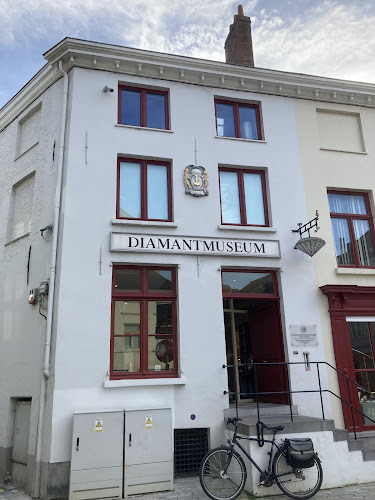
Diamond Museum
De Burg
Find Accommodations Nearby
Recommended Tours & Activities
Visitor Reviews
There are no reviews yet. Be the first one to write one.
Share Your Experience
Have you visited Ezelpoort? Help other travelers by leaving a review.