
Explore Nowshera
About Explore Nowshera
Key Features
More Details
Updated April 16, 2024
## Explore Nowshera (Taj Building): a rare 1920s landmark on the Grand Trunk Road
If your pin says “Explore Nowshera” at 2X4P+7W4 (Taj Building), Nowshera, you’re essentially being routed to one of the city’s most distinctive heritage structures: the Taj Building, a protected historic building on the Grand Trunk Road in Nowshera, Khyber Pakhtunkhwa.
Unlike many “tourist attraction” pins that point to generic viewpoints or parks, this one is tied to a specific, named building with a documented backstory—and architecture you can read like a timeline.
—
## Quick facts you can rely on
– Place: Taj Building (often surfaced online under “Explore Nowshera”)
– Location: On/along Grand Trunk Road, Nowshera, Khyber Pakhtunkhwa, Pakistan
– Coordinates: 34.0056379, 71.9873233 (from your provided data)
– Era: Built in the 1920s
– What makes it notable: A highly ornamented façade and an unusual blend of architectural elements (Roman, Gothic, Oriental/Islamic influences are commonly cited).
– Status: Designated as a protected monument by the provincial archaeology directorate (per published references).
—
## What you’re actually looking at: architecture details worth noticing
From street level, the Taj Building reads as a commercial-heritage hybrid—grand enough to feel civic, but placed right where daily city life moves. The façade is known for:
– Broad, rounded arches (easy to spot even in quick drive-bys)
– Decorated columns and stucco ornamentation with floral/vine motifs
– An entry described as an arched gateway with jharokha-style detailing (elevated window-balcany forms)
Why this matters: in Khyber Pakhtunkhwa, you’ll see plenty of functional colonial-era infrastructure. The Taj Building stands out because its decoration and mixed stylistic cues suggest status, patronage, and a deliberate “showpiece” intent, not just utility.
—
## History in plain terms: who built it and what it was used for
Published sources describe the building as commissioned by Khan Bahadur Taj Muhammad Khan, a colonial-era contractor/landowner, with later ownership passing within the family.
One of the most practical “why should I care?” details: the Taj Building formerly housed two cinemas where Pashto films premiered—so it’s not only architectural heritage, but also tied to the region’s cultural life and entertainment history.
There are also references describing parts of the interior being maintained privately and associated with displayed antiques/artifacts; treat that as possible but not guaranteed visitor access, because “private museum” setups can change without notice.
—
## How to visit without friction
### Getting there
– Use your coordinates (34.0056379, 71.9873233) or the Plus Code 2X4P+7W4.
– Because it’s on/near a major road corridor, expect traffic noise and quick stops, not a quiet “wander for hours” site.
### Time budgeting
– For most travelers, this is a 30–60 minute stop: exterior viewing + photos + a short walk to understand the façade and context.
### Access expectations (important)
Some travel listing sites show specific opening hours, but these platforms aren’t authoritative for privately managed heritage properties. If you see hours like “10:00–20:00,” use them only as a starting point and verify locally.
Outdated-data flag: hours, entry rules, and whether interior access is offered can change quickly—especially for buildings with private stewardship or ongoing preservation issues.
—
## What to photograph (and why it’s not just “a pretty building”)
If you’re creating content (or just want images you’ll keep), focus on elements that show craftsmanship and scale:
– Full façade at an angle to capture repeating arches and columns
– Close-ups of stucco floral/vine patterns (these details get lost in wide shots)
– Gateway / balcony details if visible from the street—these are the signatures that distinguish it from simpler colonial-era blocks
—
## Responsible visiting: heritage + everyday city life
Heritage buildings on active roads are often vulnerable to:
– unregulated shopfront changes,
– signage clutter,
– encroachments,
– and simple wear from weather and pollution.
Older reporting has specifically raised concerns about the building’s condition and surrounding development pressure—worth keeping in mind when you visit and when you share photos (avoid promoting unsafe climbing or trespassing for “better angles”).
### Inclusivity + respect notes
– Dress and behavior norms in Khyber Pakhtunkhwa can be conservative in many settings; aim for respectful attire if you’re lingering or photographing people nearby.
– Ask before photographing individuals, especially families and children.
– If interior access is offered, expect house rules (no flash, limited rooms, shoes policy) depending on management.
—
## LSI / semantic keywords to weave into your copy naturally
Use these as natural variants (not as a checklist):
Taj Building Nowshera, Grand Trunk Road (GT Road), historic building, heritage architecture, colonial-era landmark, stucco façade, arched colonnade, jharokha-style balcony, protected monument, Khyber Pakhtunkhwa culture, Pashto cinema history.
—
## Internal links (add if your site has these pages)
I can’t verify your RealJourneyTravels.com URL structure from the data provided, so treat these as suggested placements:
– Link 1: Pakistan travel guide hub (e.g., /pakistan/)
– Link 2: Khyber Pakhtunkhwa / Peshawar Valley guide (e.g., /khyber-pakhtunkhwa/ or /peshawar/)
—
## At-a-glance visitor takeaway
Explore Nowshera (Taj Building) is best approached as a high-impact heritage stop: a documented 1920s landmark on the GT Road, with an unusually ornate façade and real cultural history (including former cinemas and Pashto film premieres). If you’re passing through Nowshera, it’s one of the few places where a short stop still feels meaningful.
Table of Contents
Key Highlights
Explore Nowshera
Location
Places to Stay Near Explore Nowshera
Find and Book a Tour
Explore More Travel Guides
No reviews found! Be the first to review!
Traveler Reviews for Explore Nowshera
There are no reviews yet. Be the first one to write one.
Have you visited Explore Nowshera? Help other travelers by sharing your review.
You Might Also Like
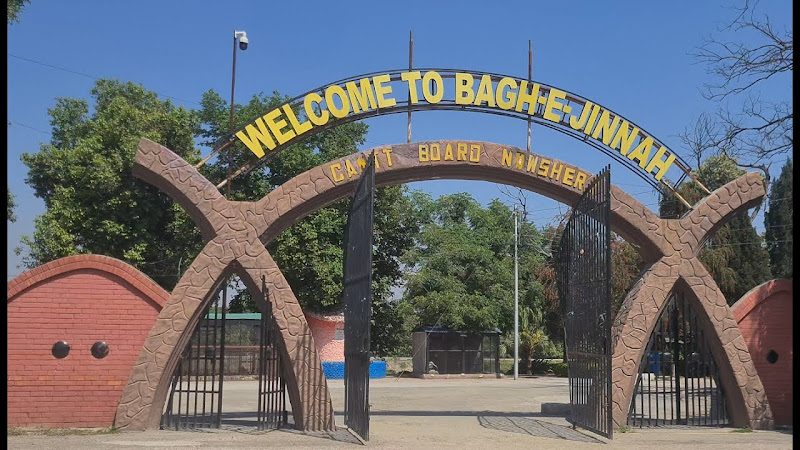
Jinnah Park nowshera cant
Iqbal park nowshera cantt
Afrido Kally District Nowshera Post Office Resalpur
Find Accommodations Nearby
Recommended Tours & Activities
Visitor Reviews
There are no reviews yet. Be the first one to write one.
Share Your Experience
Have you visited Explore Nowshera? Help other travelers by leaving a review.