
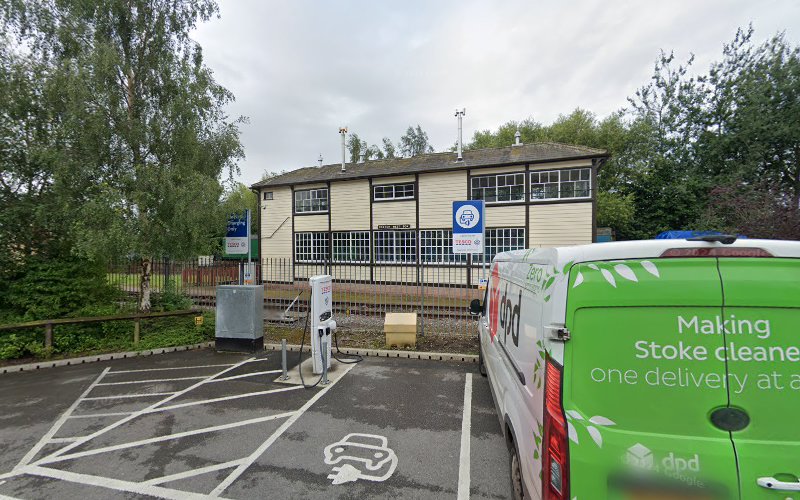
Exeter West Signal Box
About Exeter West Signal Box
Description
Ever find yourself itching to see a piece of railway history that isn't just rusted old tracks or ticket stubs under glass? Let me let you in on one of my not-so-secret favorite heritage gems: the Exeter West Signal Box. Okay, stick with me here—even if you don't consider yourself a "train buff” (full disclosure: I’ve somehow become one), this is an unexpectedly fascinating spot.
This isn’t your average brick box on the side of the tracks. The Exeter West Signal Box is what train wranglers (and people like me who hang back and admire their work) call a “mechanical signal box.” That means all those lovely levers, dials, rodding—stuff that, at one point, meant you could shift literal tons of steel and passengers safely through the tangled web of British railways—are all here, intact, and—yep—demonstrable. Not just behind glass either. You get to be close to the action.
Built in the late 19th century and rescued from demolition after the great push for modernization, Exeter West found its second life not just as a static display, but as a living, breathing chunk of industrial history. It’s maintained by friendly volunteers who actually operated these things. They’ve got tales, trust me. Stories about quiet nights with just the hum of the rails, hair-raising near-misses, and the camaraderie of people whose job it was to keep the whole business running like clockwork.
What really caught me off guard the first time I wandered in? The smell. There’s this unique scent—a mix of creosote, old timber, and faint oil with the background noise of clacking levers. Close your eyes and you could almost imagine roaring locomotives just outside, waiting for your signal. And while you’re standing there, maybe in a high-vis vest if you’re lucky, you get this rush: I am standing inside history.
Key Features
- Authentic working mechanical levers: Over 100 original levers, fully restored. For visitors (including kids if they’re tall enough)—you can try pulling one or two with some guidance.
- Hands-on demonstrations: Volunteers run daily demos. You see exactly how signals and points used to be controlled—no screens, no CGI. Just pure, clever engineering.
- Engaging storytelling: The stories you’ll get here aren’t in any guidebook. Want to know why this box ended up here in the first place? Ask. They love explaining how a signal box built for Exeter ended up north.
- Restored period fittings: From the cast iron stove in the corner to the battered telephones, you’ll see it all as it would’ve been in the 1960s. Photographers—this place is a goldmine, trust me.
- Unusual relocation: It’s something of a railway oddity—the signal box itself was moved bit by bit, preserved and reassembled. Imagine moving your whole house, brick by brick!
- Interactive exhibits and activities: On select weekends (especially bank holidays), they set out table-top signal diagrams and puzzles for curious visitors.
- Friendly, knowledgeable volunteers: And when I say knowledgeable, I don’t mean “recites the pamphlet.” These folks have lived the railway.
- Unique view of modern railways: You get to stand above the “real” trains on mainlines—watching today’s railway with yesterday’s tech at your fingertips.
- Heritage atmosphere: Between the old posters, the creaky floorboards, and the hand-written chalk schedules, it’s the sort of place you wish you could bottle up and take home.
- Photographic opportunities: Trust me, the lighting’s rarely bad here. Old wood, polished brass, that soft railway light—it all adds up. Bring your camera if you’re into that sort of thing.
Best Time to Visit
So, when’s the sweet spot to really make the most of your trip? That sort of depends on what you want. For families or folks who like things lively, aim for open heritage weekends or bank holidays. There are usually extra in-depth demonstrations, more volunteers around, and plenty of other railway nerds (some in uniform—seriously) on hand to answer every last question. The place comes alive and has a real buzz.
But maybe, just maybe, you’re after that little slice of quiet nostalgia—or you’re camera-shy and prefer fewer crowds. Then a mid-week morning or dull-weather afternoon might just be your golden ticket. You get the run of the place (give or take a couple other curious wanderers). I went once on a drizzly Friday and it felt like I had stepped back 70 years.
If you’re into photography, keep an eye on the light—late afternoons when the sun's dipping low give those hardwood floors and brass plates a glow that no Instagram filter could match. If I had to pick a month? May or September: fewer crowds, but still bright (well, as much as the British weather allows).
How to Get There
Getting here is easier than you’d think—especially if you’re already exploring the bigger towns nearby. If you’re arriving by train (which, c’mon, feels thematically on point), you’ll find it’s a short walk from the main station. Follow the signs for the heritage railway—don’t be surprised if you spot more than a few folks in old BR uniforms. Feels kind of fun, like stepping onto a film set.
By car, there’s a small parking area—but it can fill up on busy days, so don’t bank on that last-minute space. Public transport is honestly your friend here (and it spares you the faff with parking meters and one-way streets). Plus, you can eyeball the real train station while you make your way over and get properly in the mood for vintage railway charm.
For cyclists, there are racks nearby. I once locked my bike up next to this impressively rusty penny-farthing belonging to one of the volunteers—absolutely made my day. If you’re coming with mobility needs, ring ahead; staff will make sure you’re sorted, though the site is a historical building and some bits aren’t as step-free as modern places. They’re thoughtful, though, and will try to accommodate wherever possible.
Tips for Visiting
Right—this is where I get to spill the beans and maybe help you make your visit a bit less… tour bus and a bit more personal.
- Start with some curiosity: Don’t be shy. The volunteers genuinely love people who come with questions—whether you’re a seasoned hobbyist or a total newb (“What’s that red lever for, anyway?”). If you seem keen, you might even get a look behind the scenes.
- Bring a decent camera: Trust me, phone pics are fine, but if you have a proper camera, you’ll want to get detail shots of those ancient dials, weathered timbers, and hands as they pull the levers. Nostalgia gold.
- Dress for the mood and weather: It’s an old wooden building, so temperatures swing. Layers are your friend. Also, closed-toe shoes (though it isn’t a muddy trek, you never know where you’ll end up poking around).
- Mind the steps and edges: The charm of an old building? It's not always perfectly smooth. Watch your step and mind the low beams. I nearly whacked my head once on a signal wire fixture—I still laugh about it.
- Check opening times before you go: Not every day is an open day. Plan ahead if you want to see the box in action instead of just peering through the window. Special events can get crowded, but they’re worth it for the extra atmosphere.
- Allow at least an hour: Sounds like loads, but trust me, time slips away. Between watching demonstrations, talking to staff, and just daydreaming out those old windows, you’ll be surprised how fast the time flies.
- Kids will love it—but so do adults: If you’re traveling with children, let them try the lever (under supervision, of course). But honestly, I’ve seen more than a few grown-ups leave grinning from ear to ear after playing signalman for the afternoon.
- Ask about upcoming special events: From model rail shows to hands-on engineering days, you might luck into something extra on your visit. I once turned up to a vintage car day—lovely surprise!
- Support the volunteers if you can: They love donations, but also a kind word or sharing your experience online really helps spread the word and keep quirky places like this going strong.
- Stay open
Key Features
- Key Features
- Best Time to Visit
- How to Get There
- Tips for Visiting
More Details
Updated June 30, 2025
Table of Contents
Description
Ever find yourself itching to see a piece of railway history that isn’t just rusted old tracks or ticket stubs under glass? Let me let you in on one of my not-so-secret favorite heritage gems: the Exeter West Signal Box. Okay, stick with me here—even if you don’t consider yourself a “train buff” (full disclosure: I’ve somehow become one), this is an unexpectedly fascinating spot.
This isn’t your average brick box on the side of the tracks. The Exeter West Signal Box is what train wranglers (and people like me who hang back and admire their work) call a “mechanical signal box.” That means all those lovely levers, dials, rodding—stuff that, at one point, meant you could shift literal tons of steel and passengers safely through the tangled web of British railways—are all here, intact, and—yep—demonstrable. Not just behind glass either. You get to be close to the action.
Built in the late 19th century and rescued from demolition after the great push for modernization, Exeter West found its second life not just as a static display, but as a living, breathing chunk of industrial history. It’s maintained by friendly volunteers who actually operated these things. They’ve got tales, trust me. Stories about quiet nights with just the hum of the rails, hair-raising near-misses, and the camaraderie of people whose job it was to keep the whole business running like clockwork.
What really caught me off guard the first time I wandered in? The smell. There’s this unique scent—a mix of creosote, old timber, and faint oil with the background noise of clacking levers. Close your eyes and you could almost imagine roaring locomotives just outside, waiting for your signal. And while you’re standing there, maybe in a high-vis vest if you’re lucky, you get this rush: I am standing inside history.
Key Features
- Authentic working mechanical levers: Over 100 original levers, fully restored. For visitors (including kids if they’re tall enough)—you can try pulling one or two with some guidance.
- Hands-on demonstrations: Volunteers run daily demos. You see exactly how signals and points used to be controlled—no screens, no CGI. Just pure, clever engineering.
- Engaging storytelling: The stories you’ll get here aren’t in any guidebook. Want to know why this box ended up here in the first place? Ask. They love explaining how a signal box built for Exeter ended up north.
- Restored period fittings: From the cast iron stove in the corner to the battered telephones, you’ll see it all as it would’ve been in the 1960s. Photographers—this place is a goldmine, trust me.
- Unusual relocation: It’s something of a railway oddity—the signal box itself was moved bit by bit, preserved and reassembled. Imagine moving your whole house, brick by brick!
- Interactive exhibits and activities: On select weekends (especially bank holidays), they set out table-top signal diagrams and puzzles for curious visitors.
- Friendly, knowledgeable volunteers: And when I say knowledgeable, I don’t mean “recites the pamphlet.” These folks have lived the railway.
- Unique view of modern railways: You get to stand above the “real” trains on mainlines—watching today’s railway with yesterday’s tech at your fingertips.
- Heritage atmosphere: Between the old posters, the creaky floorboards, and the hand-written chalk schedules, it’s the sort of place you wish you could bottle up and take home.
- Photographic opportunities: Trust me, the lighting’s rarely bad here. Old wood, polished brass, that soft railway light—it all adds up. Bring your camera if you’re into that sort of thing.
Best Time to Visit
So, when’s the sweet spot to really make the most of your trip? That sort of depends on what you want. For families or folks who like things lively, aim for open heritage weekends or bank holidays. There are usually extra in-depth demonstrations, more volunteers around, and plenty of other railway nerds (some in uniform—seriously) on hand to answer every last question. The place comes alive and has a real buzz.
But maybe, just maybe, you’re after that little slice of quiet nostalgia—or you’re camera-shy and prefer fewer crowds. Then a mid-week morning or dull-weather afternoon might just be your golden ticket. You get the run of the place (give or take a couple other curious wanderers). I went once on a drizzly Friday and it felt like I had stepped back 70 years.
If you’re into photography, keep an eye on the light—late afternoons when the sun’s dipping low give those hardwood floors and brass plates a glow that no Instagram filter could match. If I had to pick a month? May or September: fewer crowds, but still bright (well, as much as the British weather allows).
How to Get There
Getting here is easier than you’d think—especially if you’re already exploring the bigger towns nearby. If you’re arriving by train (which, c’mon, feels thematically on point), you’ll find it’s a short walk from the main station. Follow the signs for the heritage railway—don’t be surprised if you spot more than a few folks in old BR uniforms. Feels kind of fun, like stepping onto a film set.
By car, there’s a small parking area—but it can fill up on busy days, so don’t bank on that last-minute space. Public transport is honestly your friend here (and it spares you the faff with parking meters and one-way streets). Plus, you can eyeball the real train station while you make your way over and get properly in the mood for vintage railway charm.
For cyclists, there are racks nearby. I once locked my bike up next to this impressively rusty penny-farthing belonging to one of the volunteers—absolutely made my day. If you’re coming with mobility needs, ring ahead; staff will make sure you’re sorted, though the site is a historical building and some bits aren’t as step-free as modern places. They’re thoughtful, though, and will try to accommodate wherever possible.
Tips for Visiting
Right—this is where I get to spill the beans and maybe help you make your visit a bit less… tour bus and a bit more personal.
- Start with some curiosity: Don’t be shy. The volunteers genuinely love people who come with questions—whether you’re a seasoned hobbyist or a total newb (“What’s that red lever for, anyway?”). If you seem keen, you might even get a look behind the scenes.
- Bring a decent camera: Trust me, phone pics are fine, but if you have a proper camera, you’ll want to get detail shots of those ancient dials, weathered timbers, and hands as they pull the levers. Nostalgia gold.
- Dress for the mood and weather: It’s an old wooden building, so temperatures swing. Layers are your friend. Also, closed-toe shoes (though it isn’t a muddy trek, you never know where you’ll end up poking around).
- Mind the steps and edges: The charm of an old building? It’s not always perfectly smooth. Watch your step and mind the low beams. I nearly whacked my head once on a signal wire fixture—I still laugh about it.
- Check opening times before you go: Not every day is an open day. Plan ahead if you want to see the box in action instead of just peering through the window. Special events can get crowded, but they’re worth it for the extra atmosphere.
- Allow at least an hour: Sounds like loads, but trust me, time slips away. Between watching demonstrations, talking to staff, and just daydreaming out those old windows, you’ll be surprised how fast the time flies.
- Kids will love it—but so do adults: If you’re traveling with children, let them try the lever (under supervision, of course). But honestly, I’ve seen more than a few grown-ups leave grinning from ear to ear after playing signalman for the afternoon.
- Ask about upcoming special events: From model rail shows to hands-on engineering days, you might luck into something extra on your visit. I once turned up to a vintage car day—lovely surprise!
- Support the volunteers if you can: They love donations, but also a kind word or sharing your experience online really helps spread the word and keep quirky places like this going strong.
- Stay open
Key Highlights
- Key Features
- Best Time to Visit
- How to Get There
- Tips for Visiting
Location
Places to Stay Near Exeter West Signal Box
Find and Book a Tour
Explore More Travel Guides
No reviews found! Be the first to review!
Traveler Reviews for Exeter West Signal Box
There are no reviews yet. Be the first one to write one.
Have you visited Exeter West Signal Box? Help other travelers by sharing your review.
You Might Also Like
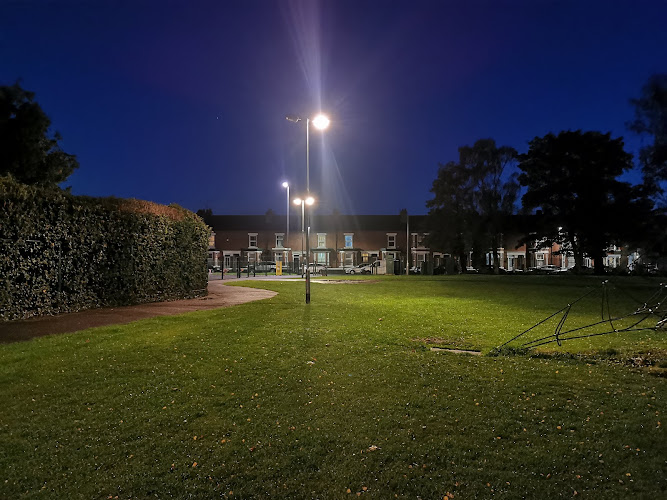
Westminster Street Park

Crewe Heritage Centre
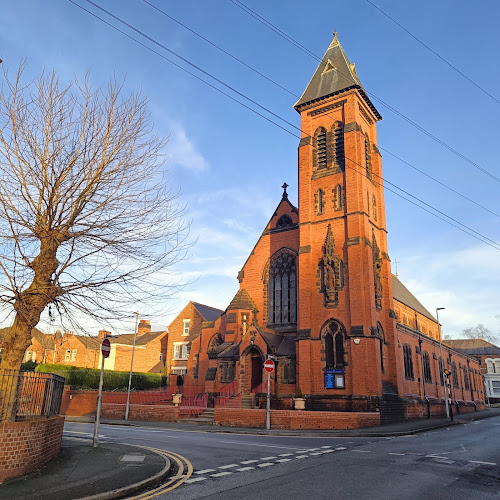
St. Mary
Find Accommodations Nearby
Recommended Tours & Activities
Visitor Reviews
There are no reviews yet. Be the first one to write one.
Share Your Experience
Have you visited Exeter West Signal Box? Help other travelers by leaving a review.