
Estr. de Nova Cruz
About Estr. de Nova Cruz
Description
The Estr. de Nova Cruz winds through some of Portugal's most authentic countryside, offering travelers a genuine glimpse into local life that's refreshingly untouched by mass tourism. This scenic route has become something of a hidden gem among those who prefer their adventures with a side of authenticity rather than Instagram-perfect facades.
What strikes most visitors first is how the road seems to breathe with the rhythm of rural Portuguese life. You'll find yourself sharing the path with locals heading to their daily routines, farmers tending to their plots, and the occasional cyclist who's discovered what many guidebooks seem to miss entirely. The beauty here isn't the postcard kind - it's the lived-in, weathered beauty that comes from generations of people calling this place home.
And honestly? That's exactly what makes it special. While other destinations might overwhelm you with their polished attractions, Estr. de Nova Cruz invites you to slow down and notice the smaller details. The way morning light catches on traditional tile roofs, how conversations carry across quiet squares, the unhurried pace that modern life has forgotten elsewhere.
The route itself serves as more than just a way to get from point A to point B. It's become a destination in its own right for travelers who've grown tired of checking off must-see lists and instead want to simply exist somewhere genuinely Portuguese for a while.
Key Features
Estr. de Nova Cruz offers several distinctive experiences that set it apart from more commercialized routes:
- Traditional Portuguese architecture - Stone houses and terra cotta roofs that tell stories of centuries past, many still housing families who've lived here for generations
- Local agricultural landscapes - Working farms and cultivated plots where you can observe traditional farming methods still in practice today
- Authentic community interactions - Opportunities to encounter locals in their daily routines, from morning market runs to evening social gatherings
- Peaceful walking and cycling paths - Less crowded routes perfect for those seeking quiet reflection or unhurried exploration
- Traditional cafés and small establishments - Family-run businesses where recipes and hospitality methods haven't changed much in decades
- Seasonal agricultural activities - Depending on when you visit, you might witness olive harvests, grape picking, or other time-honored farming traditions
- Religious and cultural landmarks - Small chapels and community gathering spaces that remain central to local life
- Natural beauty without the crowds - Scenic viewpoints and natural areas where you're more likely to hear birdsong than camera shutters
Best Time to Visit
The timing of your visit to Estr. de Nova Cruz can dramatically shape your experience, and frankly, there's no universally "perfect" time - it depends entirely on what you're hoping to discover.
Spring months, particularly April through early June, bring the countryside to life in ways that feel almost cinematic. Fields turn various shades of green, wildflowers appear along the roadsides, and the weather stays comfortable enough for extended walking without the intensity of summer heat. I've found that locals seem more inclined to linger in outdoor conversations during these months, which creates more opportunities for spontaneous cultural exchanges.
Summer can be quite warm, but it's also when you'll witness the most agricultural activity. If you're interested in understanding how traditional farming still functions in modern Portugal, visiting during harvest seasons gives you front-row seats to practices that haven't changed much over generations. Just pack plenty of water and plan your most active exploration for early morning or late afternoon hours.
Autumn, especially September and October, offers what many consider the most authentic experience. The tourist crowds have thinned elsewhere in Portugal, but local life along Estr. de Nova Cruz continues at its natural pace. Wine harvest season adds particular energy to the area, and you'll often catch the scent of fermenting grapes carried on cooler air.
Winter visits require different expectations but reward you with the most genuine glimpse into year-round local life. While some establishments might reduce their hours, the essential rhythm of community life continues. Plus, you'll have most photogenic spots entirely to yourself, which is increasingly rare anywhere in Europe these days.
How to Get There
Reaching Estr. de Nova Cruz requires a bit more planning than simply hopping on a tour bus, but that's precisely what keeps it authentic. The route isn't designed for mass tourism, which means you'll need to approach it more like a local would.
Renting a car offers the most flexibility and allows you to stop whenever something catches your interest - which, trust me, will happen more often than you expect. The roads are generally well-maintained, though they're narrower than what many international visitors might be accustomed to. Don't let that intimidate you; it just means taking your time and enjoying the journey rather than rushing to a destination.
Public transportation does serve the area, though with less frequency than urban routes. Local buses connect the main points along Estr. de Nova Cruz, and schedules tend to align with local work and school routines rather than tourist convenience. But this can actually work in your favor - traveling when locals travel gives you a more authentic perspective on daily life in the region.
Cycling has become increasingly popular among visitors who want to experience the route at a pace that allows for genuine observation. Several local establishments rent bicycles, and the terrain, while not entirely flat, remains manageable for most fitness levels. The slower pace also makes it easier to notice details you'd miss in a car and creates opportunities for interactions with locals you encounter along the way.
For those staying in nearby urban centers, organized day trips sometimes include Estr. de Nova Cruz in their itineraries. However, these tend to move quickly through the area and focus on major landmarks rather than the subtle cultural experiences that make this route special.
Tips for Visiting
Success along Estr. de Nova Cruz comes from adjusting your expectations and travel rhythm to match the local pace rather than trying to impose tourist timelines on an authentic Portuguese experience.
First, learn at least basic Portuguese greetings and polite expressions. While some locals speak English, many don't, and making the effort to communicate in Portuguese - even imperfectly - opens doors that remain closed to visitors who expect everyone to accommodate their language preferences. "Bom dia" and "obrigado/obrigada" work magic in small communities.
Pack layers regardless of season. The route includes various elevations and exposures, so weather can change throughout a single day. Comfortable walking shoes are essential - you'll want to explore on foot once you discover interesting spots, and some of the most rewarding discoveries happen off the main path.
Bring cash. Many local establishments operate on cash-only basis, and ATMs aren't as frequent as in urban areas. This isn't necessarily a drawback - it's part of how these communities maintain their traditional economic relationships.
Plan for longer meal times. Restaurants and cafés along the route operate on local schedules, which means lunch might not be available at 11:30 AM just because you're hungry. But when meals do happen, they unfold at a pace that allows you to actually taste your food and observe local social dynamics.
Don't over-schedule. The most memorable experiences along Estr. de Nova Cruz tend to be unplanned encounters and discoveries. Leave room in your itinerary for following interesting side paths, accepting invitations for impromptu conversations, or simply sitting somewhere pleasant when you discover it.
Respect photography etiquette. While the route offers countless photo opportunities, remember that you're documenting people's daily lives and homes, not tourist attractions. Ask permission when photographing people, and be discrete when capturing scenes of local life.
Finally, consider staying overnight in the area if possible. Day visits give you a snapshot, but spending at least one night allows you to experience the evening and morning rhythms that define rural Portuguese life. You'll understand why locals choose to maintain their traditional pace when you witness how peacefully each day ends and begins here.
Key Features
- Key Features
- Best Time to Visit
- How to Get There
- Tips for Visiting
More Details
Updated September 22, 2025
Table of Contents
- Description
- Key Features
- Best Time to Visit
- How to Get There
- Tips for Visiting
- Key Highlights
- Location
- Places to Stay Near Nova Cruz Igarassu"É distante do centro de Igarassu e muito mais do de Recife."
- Find and Book a Tour
- Explore More Travel Guides
- Nearby Places You Might Like
- Traveler Reviews for Estr. de Nova Cruz
- Share Your Experience
Description
The Estr. de Nova Cruz winds through some of Portugal’s most authentic countryside, offering travelers a genuine glimpse into local life that’s refreshingly untouched by mass tourism. This scenic route has become something of a hidden gem among those who prefer their adventures with a side of authenticity rather than Instagram-perfect facades.
What strikes most visitors first is how the road seems to breathe with the rhythm of rural Portuguese life. You’ll find yourself sharing the path with locals heading to their daily routines, farmers tending to their plots, and the occasional cyclist who’s discovered what many guidebooks seem to miss entirely. The beauty here isn’t the postcard kind – it’s the lived-in, weathered beauty that comes from generations of people calling this place home.
And honestly? That’s exactly what makes it special. While other destinations might overwhelm you with their polished attractions, Estr. de Nova Cruz invites you to slow down and notice the smaller details. The way morning light catches on traditional tile roofs, how conversations carry across quiet squares, the unhurried pace that modern life has forgotten elsewhere.
The route itself serves as more than just a way to get from point A to point B. It’s become a destination in its own right for travelers who’ve grown tired of checking off must-see lists and instead want to simply exist somewhere genuinely Portuguese for a while.
Key Features
Estr. de Nova Cruz offers several distinctive experiences that set it apart from more commercialized routes:
- Traditional Portuguese architecture – Stone houses and terra cotta roofs that tell stories of centuries past, many still housing families who’ve lived here for generations
- Local agricultural landscapes – Working farms and cultivated plots where you can observe traditional farming methods still in practice today
- Authentic community interactions – Opportunities to encounter locals in their daily routines, from morning market runs to evening social gatherings
- Peaceful walking and cycling paths – Less crowded routes perfect for those seeking quiet reflection or unhurried exploration
- Traditional cafés and small establishments – Family-run businesses where recipes and hospitality methods haven’t changed much in decades
- Seasonal agricultural activities – Depending on when you visit, you might witness olive harvests, grape picking, or other time-honored farming traditions
- Religious and cultural landmarks – Small chapels and community gathering spaces that remain central to local life
- Natural beauty without the crowds – Scenic viewpoints and natural areas where you’re more likely to hear birdsong than camera shutters
Best Time to Visit
The timing of your visit to Estr. de Nova Cruz can dramatically shape your experience, and frankly, there’s no universally “perfect” time – it depends entirely on what you’re hoping to discover.
Spring months, particularly April through early June, bring the countryside to life in ways that feel almost cinematic. Fields turn various shades of green, wildflowers appear along the roadsides, and the weather stays comfortable enough for extended walking without the intensity of summer heat. I’ve found that locals seem more inclined to linger in outdoor conversations during these months, which creates more opportunities for spontaneous cultural exchanges.
Summer can be quite warm, but it’s also when you’ll witness the most agricultural activity. If you’re interested in understanding how traditional farming still functions in modern Portugal, visiting during harvest seasons gives you front-row seats to practices that haven’t changed much over generations. Just pack plenty of water and plan your most active exploration for early morning or late afternoon hours.
Autumn, especially September and October, offers what many consider the most authentic experience. The tourist crowds have thinned elsewhere in Portugal, but local life along Estr. de Nova Cruz continues at its natural pace. Wine harvest season adds particular energy to the area, and you’ll often catch the scent of fermenting grapes carried on cooler air.
Winter visits require different expectations but reward you with the most genuine glimpse into year-round local life. While some establishments might reduce their hours, the essential rhythm of community life continues. Plus, you’ll have most photogenic spots entirely to yourself, which is increasingly rare anywhere in Europe these days.
How to Get There
Reaching Estr. de Nova Cruz requires a bit more planning than simply hopping on a tour bus, but that’s precisely what keeps it authentic. The route isn’t designed for mass tourism, which means you’ll need to approach it more like a local would.
Renting a car offers the most flexibility and allows you to stop whenever something catches your interest – which, trust me, will happen more often than you expect. The roads are generally well-maintained, though they’re narrower than what many international visitors might be accustomed to. Don’t let that intimidate you; it just means taking your time and enjoying the journey rather than rushing to a destination.
Public transportation does serve the area, though with less frequency than urban routes. Local buses connect the main points along Estr. de Nova Cruz, and schedules tend to align with local work and school routines rather than tourist convenience. But this can actually work in your favor – traveling when locals travel gives you a more authentic perspective on daily life in the region.
Cycling has become increasingly popular among visitors who want to experience the route at a pace that allows for genuine observation. Several local establishments rent bicycles, and the terrain, while not entirely flat, remains manageable for most fitness levels. The slower pace also makes it easier to notice details you’d miss in a car and creates opportunities for interactions with locals you encounter along the way.
For those staying in nearby urban centers, organized day trips sometimes include Estr. de Nova Cruz in their itineraries. However, these tend to move quickly through the area and focus on major landmarks rather than the subtle cultural experiences that make this route special.
Tips for Visiting
Success along Estr. de Nova Cruz comes from adjusting your expectations and travel rhythm to match the local pace rather than trying to impose tourist timelines on an authentic Portuguese experience.
First, learn at least basic Portuguese greetings and polite expressions. While some locals speak English, many don’t, and making the effort to communicate in Portuguese – even imperfectly – opens doors that remain closed to visitors who expect everyone to accommodate their language preferences. “Bom dia” and “obrigado/obrigada” work magic in small communities.
Pack layers regardless of season. The route includes various elevations and exposures, so weather can change throughout a single day. Comfortable walking shoes are essential – you’ll want to explore on foot once you discover interesting spots, and some of the most rewarding discoveries happen off the main path.
Bring cash. Many local establishments operate on cash-only basis, and ATMs aren’t as frequent as in urban areas. This isn’t necessarily a drawback – it’s part of how these communities maintain their traditional economic relationships.
Plan for longer meal times. Restaurants and cafés along the route operate on local schedules, which means lunch might not be available at 11:30 AM just because you’re hungry. But when meals do happen, they unfold at a pace that allows you to actually taste your food and observe local social dynamics.
Don’t over-schedule. The most memorable experiences along Estr. de Nova Cruz tend to be unplanned encounters and discoveries. Leave room in your itinerary for following interesting side paths, accepting invitations for impromptu conversations, or simply sitting somewhere pleasant when you discover it.
Respect photography etiquette. While the route offers countless photo opportunities, remember that you’re documenting people’s daily lives and homes, not tourist attractions. Ask permission when photographing people, and be discrete when capturing scenes of local life.
Finally, consider staying overnight in the area if possible. Day visits give you a snapshot, but spending at least one night allows you to experience the evening and morning rhythms that define rural Portuguese life. You’ll understand why locals choose to maintain their traditional pace when you witness how peacefully each day ends and begins here.
Key Highlights
- Key Features
- Best Time to Visit
- How to Get There
- Tips for Visiting
Location
Places to Stay Near Nova Cruz Igarassu"É distante do centro de Igarassu e muito mais do de Recife."
Find and Book a Tour
Explore More Travel Guides
No reviews found! Be the first to review!
Traveler Reviews for Estr. de Nova Cruz
There are no reviews yet. Be the first one to write one.
Have you visited Estr. de Nova Cruz? Help other travelers by sharing your review.
You Might Also Like

Pedro Salvador Club
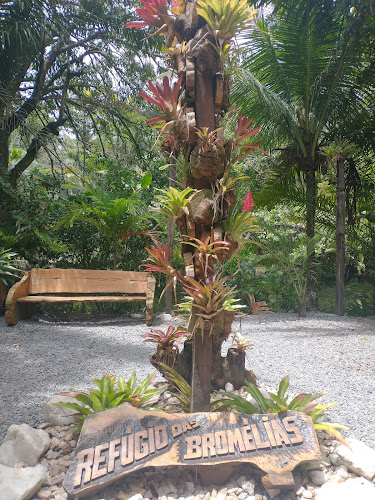
Refúgio das Bromélias
Beach Captain
Find Accommodations Nearby
Recommended Tours & Activities
Visitor Reviews
There are no reviews yet. Be the first one to write one.
Share Your Experience
Have you visited Estr. de Nova Cruz? Help other travelers by leaving a review.