
Estadio Ester Roa
About Estadio Ester Roa
Key Features
More Details
Updated April 15, 2024
## Estadio Ester Roa (Estadio Municipal Alcaldesa Ester Roa Rebolledo) — Concepción, Chile
At the eastern edge of central Concepción, Estadio Ester Roa (often referred to locally by its historic nickname “Collao”) is one of southern Chile’s landmark sports venues—best known for football, but built as a multi-purpose stadium with an athletics track and municipal ownership. It sits on Collao 481, Concepción, Región del Biobío, Chile, making it an easy anchor point if you’re mapping out matchday logistics or scouting venues tied to major tournaments.
### Quick facts (from the most consistently cited sources)
– Official / full name: Estadio Municipal Alcaldesa Ester Roa Rebolledo
– Location: Concepción, Chile (address commonly listed as Collao 481 / Avenida Collao 481)
– Opened: 16 September 1962
– Renovation period: 2013–2015; reopened 25 June 2015
– Capacity (post-renovation): 30,448
– Pitch: natural grass; 105 × 68 m
– Owner: Municipality of Concepción
> Data freshness note: Capacity figures can be reported differently depending on configuration (football-only vs. broader event setup). The most repeated post-renovation figure is 30,448, but you’ll occasionally see other numbers in third-party travel guides.
—
## Why this stadium matters (beyond “it’s a place to watch football”)
### It’s a southern Chile tournament venue—not just a local ground
Estadio Ester Roa is widely documented as a Copa América 2015 venue, which matters for travelers because it signals modernized infrastructure, upgraded sightlines, and “big event” crowd management compared with many older regional stadiums.
### The name carries civic history
The stadium’s full name explicitly honors Ester Roa Rebolledo, cited as a former mayor of Concepción, and the “Alcaldesa” (female mayor) title is baked into the official form of the name.
What to take from this as a visitor: locals may switch between “Ester Roa,” “Collao,” and the full municipal name; recognizing all three helps when asking for directions or confirming event locations.
—
## A short, factual timeline you can use while planning
### 1) Built in 1962 as a large regional stadium
The venue dates to 1962, originally known as Estadio Regional and built as a large-capacity stadium for the city.
### 2) Major renovation completed for the 2015 cycle
Sources consistently describe a renovation spanning 2013–2015, with a reopening on 25 June 2015.
—
## What it’s like inside (what the architecture tells you as a spectator)
This is not a “tiny bowl with one good stand.” Post-renovation, the stadium reads as a modern, continuous seating environment designed for higher-profile match operations—consistent with its tournament use.
Two practical, non-obvious implications:
– Running track = slightly more distance from the pitch than track-free football stadiums. If you’re sensitive to that, prioritize seats that are more central and elevated for cleaner angles.
– A fixed athletics layout usually means clearer circulation routes (entry/exit points and concourse patterns), which helps in big crowds—especially if you’re arriving close to kickoff.
(Those are observational planning takeaways; exact gate layouts and restrictions can change per event.)
—
## Getting there: what you can rely on, and what to verify
### The reliable part
You’re heading to Collao 481 (Avenida/Collao), Concepción. That’s the stable planning anchor for maps and ride-hailing drop points.
### What you should verify right before you go (because it changes)
I’m not going to invent gate numbers, parking rules, or transit detours—those are event-specific and can change quickly. If you’re attending a match or major event, confirm:
– Which entrances are open for your ticket category
– Bag policies / prohibited items
– Road closures and recommended arrival times
These details are often published by the event organizer or local authorities close to matchday, and older posts can become stale fast.
—
## Matchday strategy (practical tips that aren’t fluff)
### Arrive earlier than you think you need
Big venues don’t only create queues at turnstiles—they create bottlenecks at the “last 300 meters” (sidewalks, crossings, informal vendor clusters). Tournament-grade stadiums amplify that effect because crowd control is tighter.
### Choose seating with intention
Because the stadium includes an athletics track, your experience depends heavily on angle more than pure proximity:
– If you want a tactical view: midline seats higher up are usually the safest bet.
– If you want atmosphere: ends can be louder, but you may sacrifice detail in play movement.
### Accessibility and comfort
I can’t confirm the current accessibility services on a given date (these can change by event operator), but as a renovated municipal venue used for major tournaments, it’s reasonable to expect designated accessible areas—verify directly with the ticket issuer rather than relying on old blog comments.
—
## If you’re visiting without a match: why it can still be worth pinning on your map
Even if you don’t go inside, the stadium is a useful orientation point for that side of Concepción. For travelers doing city planning, stadiums often function as:
– a predictable taxi landmark,
– a reference for local “meet here” directions,
– and a clue that you’re near active, local-life neighborhoods rather than purely tourist-oriented zones.
(That’s travel-practical rather than romanticized—and it’s often how locals use these spaces.)
—
—
## Outdated-data flags (what to watch)
– Capacity: commonly cited as 30,448, but third-party listings may show different numbers depending on configuration. Use official event/ticketing info when it truly matters.
– Tenants / “who plays here”: club usage can shift across seasons and competitions; verify with current fixtures rather than assuming a permanent tenant list.
—
## Place details (from your dataset)
– Post title: Estadio Ester Roa
– Slug: estadio-ester-roa
– Address: Collao 481, Concepción, Biobío, Chile
– Coordinates: -36.8153583, -73.0236018
– Rating: 4.6
– Type: Arena
If you want, paste your preferred internal URL structure (e.g., /destinations/chile/concepcion/) and I’ll drop in the two internal links as real, publish-ready URLs without guessing.
Table of Contents
Key Highlights
Estadio Ester Roa
Location
Places to Stay Near Estadio Ester Roa
Find and Book a Tour
Explore More Travel Guides
No reviews found! Be the first to review!
Traveler Reviews for Estadio Ester Roa
There are no reviews yet. Be the first one to write one.
Have you visited Estadio Ester Roa? Help other travelers by sharing your review.
You Might Also Like
Concepcion Falls”…. this is a
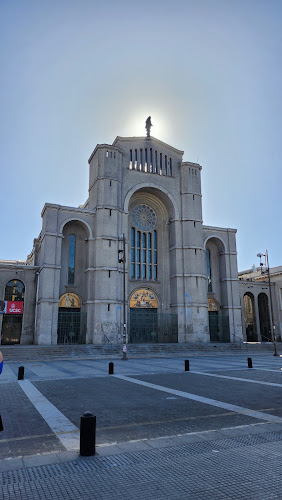
Catedral Metropolitana de la Santìsima Concepción
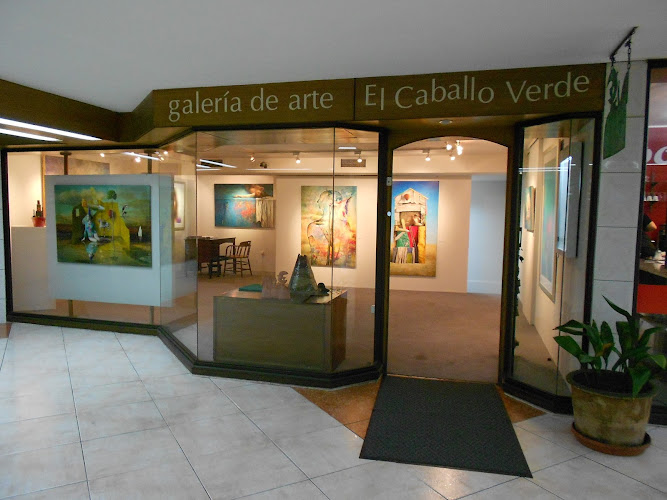
Galeria de Arte El Caballo Verde
Find Accommodations Nearby
Recommended Tours & Activities
Visitor Reviews
There are no reviews yet. Be the first one to write one.
Share Your Experience
Have you visited Estadio Ester Roa? Help other travelers by leaving a review.