
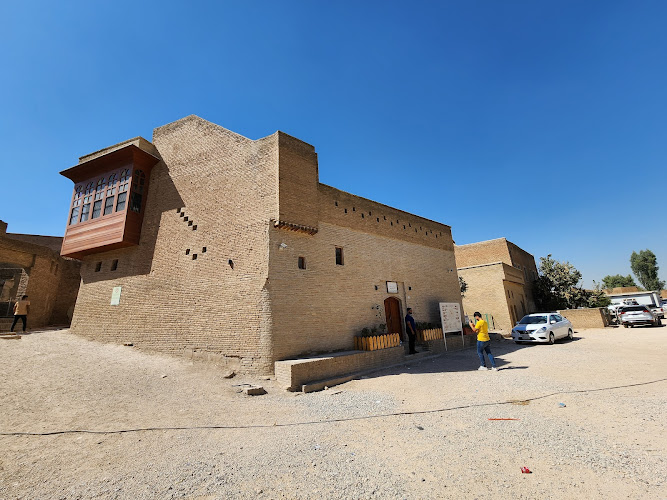
Erbil Stones and Gems Museum
About Erbil Stones and Gems Museum
Description
The Erbil Stones and Gems Museum is one of those places that quietly surprises you. At first glance, it might seem like just another small museum tucked away in the city, but once you step inside, you realize it’s a treasure chest of natural wonders. The collection is dedicated to stones, gems, and minerals from across Iraq and beyond, and it’s clear that a lot of love and passion went into curating it. It’s not a massive museum that takes all day to explore, but that’s actually part of its charm—you can take your time, move at your own pace, and really appreciate the details of each display without feeling overwhelmed.
Visitors often comment on how fascinating it is to see rare stones up close, many of which you’d normally only read about in geology books or see behind glass in larger institutions. Some people might find it a bit small compared to big international museums, but honestly, that’s also what makes it feel more personal. The displays are well thought out, and you can tell the museum aims to educate as much as it aims to impress. If you’re the kind of traveler who loves learning about the natural world and enjoys seeing the beauty of Earth’s raw materials, this spot is worth adding to your list.
Now, is it perfect? Not exactly. Some exhibits could use a bit more explanation, and if you’re not naturally curious about minerals, you might not spend too long here. But for travelers who enjoy niche museums and want a deeper look into Iraq’s geological heritage, the Erbil Stones and Gems Museum is a gem in itself (pun intended). It’s a place where you’ll walk away with a new appreciation for the hidden beauty beneath our feet.
Key Features
- A wide collection of natural stones, crystals, and gemstones sourced from Iraq and other regions.
- Displays that highlight the geological diversity of Kurdistan and the Middle East.
- Rare minerals that are not commonly seen in other museums.
- Educational exhibits that explain the formation and significance of different stones.
- An intimate setting, allowing visitors to explore without the crowds found in larger museums.
- Affordable entry fee, making it accessible for both locals and international travelers.
- Family-friendly environment, with displays that can spark curiosity in kids and adults alike.
Best Time to Visit
The museum is open year-round, so technically there isn’t a bad time to go. But if you’re already planning a trip to Erbil, it’s smart to think about timing. The city can get extremely hot in the summer months, and walking around outdoors during midday isn’t exactly fun. That’s why many travelers find spring (March to May) and autumn (September to November) the most comfortable seasons to explore the city and its attractions. During these months, the weather is pleasant enough to enjoy sightseeing before or after your museum visit.
If you’re someone who enjoys quieter atmospheres, weekdays are usually less busy than weekends. On weekends, you might find more families and groups visiting, which can be lively but might also mean a bit more noise. Personally, I like going to museums in the morning, when my mind feels fresh and I can really take in the details without rushing. So, if you can, aim for a morning visit—it just sets the tone for the rest of your day in Erbil.
How to Get There
Getting to the Erbil Stones and Gems Museum is fairly straightforward if you’re staying in the city. Most hotels and guesthouses in Erbil are familiar with the museum, so you can easily ask for directions or arrange a taxi. Taxis are the most common way to get around, and they’re reasonably priced compared to Western standards. If you’re comfortable with navigation apps, you’ll find it easy to locate the museum on local maps.
For those who enjoy walking, the museum is reachable on foot from certain parts of central Erbil, depending on where you’re staying. But keep in mind that the city can get hot, and sidewalks aren’t always the easiest to navigate, so a short taxi ride might be the more comfortable option. Public transportation exists, but it’s not always the most reliable for tourists who don’t speak the local language. So, to keep things stress-free, I’d recommend just hopping in a taxi.
Tips for Visiting
Before you head out, it’s worth keeping a few things in mind to make your visit smoother and more enjoyable. First, tickets are affordable, but it’s always a good idea to plan ahead. Some travelers recommend getting your tickets in advance, especially if you’re visiting during peak tourist seasons. This way, you won’t have to worry about waiting or missing out.
Bring a camera, but be respectful of any rules regarding photography. Some museums don’t allow flash, and honestly, you don’t need it here anyway—the lighting is usually good enough for clear shots. If you’re traveling with kids, this museum can be a fun stop, but be prepared to explain things in your own words, since not every exhibit has detailed signage. I’ve found that kids love the sparkling stones and unusual shapes, even if they don’t fully understand the geology behind them.
Another tip: give yourself at least an hour here. You might not think you’ll need that long, but once you start looking closely at the stones and reading about their origins, time flies. And don’t forget to chat with the staff if you get the chance. They’re often knowledgeable and can share stories or details that aren’t written on the signs. That’s one of my favorite parts about smaller museums—you get a more personal connection.
Lastly, pair your visit with other nearby attractions. Erbil has a rich history, and the Citadel is just one example of a site you don’t want to miss. So, if you’re planning your day, consider doing the museum in the morning and then heading out to explore other parts of the city afterward. It makes for a well-rounded day of culture, history, and natural beauty.
Key Features
- A wide collection of natural stones, crystals, and gemstones sourced from Iraq and other regions.
- Displays that highlight the geological diversity of Kurdistan and the Middle East.
- Rare minerals that are not commonly seen in other museums.
- Educational exhibits that explain the formation and significance of different stones.
- An intimate setting, allowing visitors to explore without the crowds found in larger museums.
- Affordable entry fee, making it accessible for both locals and international travelers.
- Family-friendly environment, with displays that can spark curiosity in kids and adults alike.
More Details
Updated September 24, 2025
Table of Contents
Description
The Erbil Stones and Gems Museum is one of those places that quietly surprises you. At first glance, it might seem like just another small museum tucked away in the city, but once you step inside, you realize it’s a treasure chest of natural wonders. The collection is dedicated to stones, gems, and minerals from across Iraq and beyond, and it’s clear that a lot of love and passion went into curating it. It’s not a massive museum that takes all day to explore, but that’s actually part of its charm—you can take your time, move at your own pace, and really appreciate the details of each display without feeling overwhelmed.
Visitors often comment on how fascinating it is to see rare stones up close, many of which you’d normally only read about in geology books or see behind glass in larger institutions. Some people might find it a bit small compared to big international museums, but honestly, that’s also what makes it feel more personal. The displays are well thought out, and you can tell the museum aims to educate as much as it aims to impress. If you’re the kind of traveler who loves learning about the natural world and enjoys seeing the beauty of Earth’s raw materials, this spot is worth adding to your list.
Now, is it perfect? Not exactly. Some exhibits could use a bit more explanation, and if you’re not naturally curious about minerals, you might not spend too long here. But for travelers who enjoy niche museums and want a deeper look into Iraq’s geological heritage, the Erbil Stones and Gems Museum is a gem in itself (pun intended). It’s a place where you’ll walk away with a new appreciation for the hidden beauty beneath our feet.
Key Features
- A wide collection of natural stones, crystals, and gemstones sourced from Iraq and other regions.
- Displays that highlight the geological diversity of Kurdistan and the Middle East.
- Rare minerals that are not commonly seen in other museums.
- Educational exhibits that explain the formation and significance of different stones.
- An intimate setting, allowing visitors to explore without the crowds found in larger museums.
- Affordable entry fee, making it accessible for both locals and international travelers.
- Family-friendly environment, with displays that can spark curiosity in kids and adults alike.
Best Time to Visit
The museum is open year-round, so technically there isn’t a bad time to go. But if you’re already planning a trip to Erbil, it’s smart to think about timing. The city can get extremely hot in the summer months, and walking around outdoors during midday isn’t exactly fun. That’s why many travelers find spring (March to May) and autumn (September to November) the most comfortable seasons to explore the city and its attractions. During these months, the weather is pleasant enough to enjoy sightseeing before or after your museum visit.
If you’re someone who enjoys quieter atmospheres, weekdays are usually less busy than weekends. On weekends, you might find more families and groups visiting, which can be lively but might also mean a bit more noise. Personally, I like going to museums in the morning, when my mind feels fresh and I can really take in the details without rushing. So, if you can, aim for a morning visit—it just sets the tone for the rest of your day in Erbil.
How to Get There
Getting to the Erbil Stones and Gems Museum is fairly straightforward if you’re staying in the city. Most hotels and guesthouses in Erbil are familiar with the museum, so you can easily ask for directions or arrange a taxi. Taxis are the most common way to get around, and they’re reasonably priced compared to Western standards. If you’re comfortable with navigation apps, you’ll find it easy to locate the museum on local maps.
For those who enjoy walking, the museum is reachable on foot from certain parts of central Erbil, depending on where you’re staying. But keep in mind that the city can get hot, and sidewalks aren’t always the easiest to navigate, so a short taxi ride might be the more comfortable option. Public transportation exists, but it’s not always the most reliable for tourists who don’t speak the local language. So, to keep things stress-free, I’d recommend just hopping in a taxi.
Tips for Visiting
Before you head out, it’s worth keeping a few things in mind to make your visit smoother and more enjoyable. First, tickets are affordable, but it’s always a good idea to plan ahead. Some travelers recommend getting your tickets in advance, especially if you’re visiting during peak tourist seasons. This way, you won’t have to worry about waiting or missing out.
Bring a camera, but be respectful of any rules regarding photography. Some museums don’t allow flash, and honestly, you don’t need it here anyway—the lighting is usually good enough for clear shots. If you’re traveling with kids, this museum can be a fun stop, but be prepared to explain things in your own words, since not every exhibit has detailed signage. I’ve found that kids love the sparkling stones and unusual shapes, even if they don’t fully understand the geology behind them.
Another tip: give yourself at least an hour here. You might not think you’ll need that long, but once you start looking closely at the stones and reading about their origins, time flies. And don’t forget to chat with the staff if you get the chance. They’re often knowledgeable and can share stories or details that aren’t written on the signs. That’s one of my favorite parts about smaller museums—you get a more personal connection.
Lastly, pair your visit with other nearby attractions. Erbil has a rich history, and the Citadel is just one example of a site you don’t want to miss. So, if you’re planning your day, consider doing the museum in the morning and then heading out to explore other parts of the city afterward. It makes for a well-rounded day of culture, history, and natural beauty.
Key Highlights
- A wide collection of natural stones, crystals, and gemstones sourced from Iraq and other regions.
- Displays that highlight the geological diversity of Kurdistan and the Middle East.
- Rare minerals that are not commonly seen in other museums.
- Educational exhibits that explain the formation and significance of different stones.
- An intimate setting, allowing visitors to explore without the crowds found in larger museums.
- Affordable entry fee, making it accessible for both locals and international travelers.
- Family-friendly environment, with displays that can spark curiosity in kids and adults alike.
Location
Places to Stay Near Erbil Stones and Gems Museum
Find and Book a Tour
Explore More Travel Guides
No reviews found! Be the first to review!
Traveler Reviews for Erbil Stones and Gems Museum
There are no reviews yet. Be the first one to write one.
Have you visited Erbil Stones and Gems Museum? Help other travelers by sharing your review.
You Might Also Like
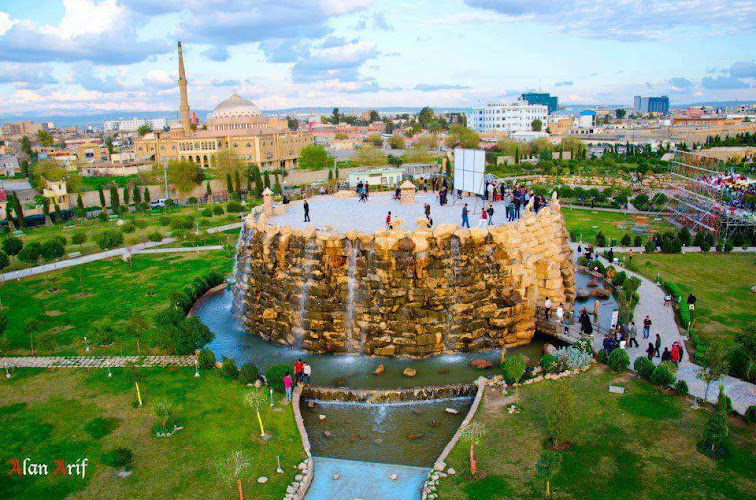
Shanadar Park
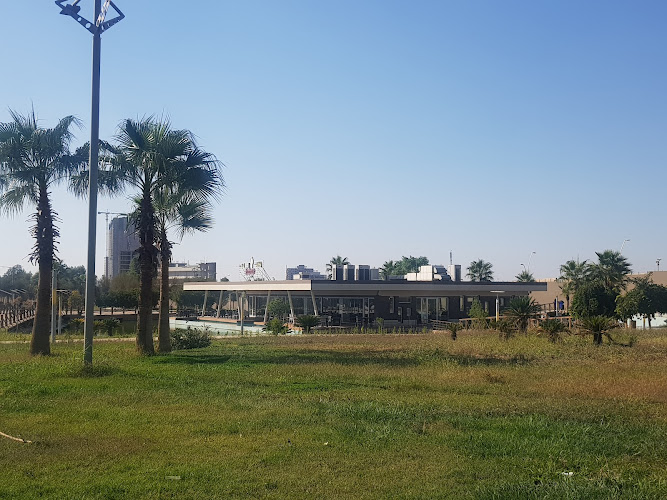
Peshmarga Park
نافورەی کویستان
Find Accommodations Nearby
Recommended Tours & Activities
Visitor Reviews
There are no reviews yet. Be the first one to write one.
Share Your Experience
Have you visited Erbil Stones and Gems Museum? Help other travelers by leaving a review.