

Electric City Mural
About Electric City Mural
Description
The Electric City Mural stands as a bold cultural landmark that quietly tells the story of a city built on innovation, grit, and a fair amount of blue-collar pride. Travelers often stumble upon it expecting a quick photo stop, and then linger longer than planned. That’s usually a good sign. The mural stretches across a large urban wall and celebrates the city’s identity as the “Electric City,” a nickname rooted in its early adoption of electric power and industrial ambition. And yes, that history actually matters when you’re standing there, even if you didn’t think it would.
What strikes visitors first isn’t just the scale, but the confidence of it. This mural doesn’t ask for attention politely. It takes it. Bright color blocks mix with detailed scenes of local life, historic references, and symbolic elements tied to industry, labor, and community. It feels intentional, not decorative. Like it was painted by people who actually care what the city becomes next. I remember seeing it on a gray afternoon, thinking it might feel dull without sunshine. But weirdly, the clouds made it better. The colors popped harder, and the whole thing felt more honest.
Travelers interested in cultural landmarks often look for places that feel authentic, not over-produced. This mural hits that mark. There’s no ticket booth, no velvet rope. It lives where people live and work. You might hear traffic, or someone laughing nearby, or a delivery truck rumbling past. That’s part of the experience. And honestly, that’s why it sticks with you longer than many museum visits. It’s public art that doesn’t try to impress. It just exists, confidently.
The Electric City Mural also works as a kind of visual timeline. You’ll spot nods to the city’s industrial roots, references to electricity and rail, and faces that look like they could belong to your neighbor or your uncle. It doesn’t explain itself with plaques or captions, which I like. You get to decide what it means. Some people see resilience. Others see a reminder of what’s been lost and rebuilt. Both takes are valid. That openness is rare.
For travelers passing through, especially those who enjoy street art, local history, or photography, this mural offers a strong sense of place in a short amount of time. You don’t need hours. Twenty minutes can be enough. But if you’re anything like me, you’ll circle it twice, noticing new details the second time around. And then maybe you’ll hang back and watch how locals interact with it. That part’s underrated.
Key Features
- Large-scale public mural celebrating the city’s Electric City identity
- Bold use of color mixed with fine illustrative details
- Historical references to industry, electricity, and working-class roots
- Freely accessible cultural landmark with no admission required
- Photogenic from multiple angles and at different times of day
- Located in an active urban area, not a sanitized art zone
- Strong emotional pull for travelers interested in authentic local stories
Best Time to Visit
The best time to visit the Electric City Mural depends on what kind of experience you want. Early morning offers softer light and fewer people. If you’re into photography, this is prime time. The colors look clean, and shadows add depth without overpowering the artwork. I once showed up just after sunrise, coffee in hand, and had the whole scene to myself for a solid ten minutes. That almost never happens in cities anymore.
Late afternoon is another strong option. The sun tends to hit the wall at an angle that makes textures stand out, and the surrounding neighborhood feels more alive. People are heading home, traffic picks up, and the mural becomes part of daily life instead of a standalone attraction. If you like observing real city rhythms, this is your window.
Evenings work too, especially in warmer months. Streetlights and ambient glow give the mural a slightly different mood. It feels more reflective then. Just be mindful of visibility for photos. And winters? Don’t rule them out. Snow on the ground can actually frame the mural nicely, though you’ll want gloves because standing still gets cold fast. Learned that the hard way.
How to Get There
Getting to the Electric City Mural is fairly straightforward for travelers. It’s located within the city, accessible by car, rideshare, or public transportation. If you’re driving, parking is usually available nearby, though you may need to walk a short distance depending on the time of day. Nothing unreasonable. Just be patient and read signs.
Public transportation users can reach the general area via local bus routes. From there, it’s a short walk. The neighborhood is navigable, with sidewalks and clear sightlines. If you’re staying downtown or near central districts, walking is a totally viable option. And honestly, walking lets you absorb more of the city’s character, which pairs well with visiting a cultural landmark like this.
Rideshare drivers generally know the mural by name, or at least recognize it once you describe it. It’s become one of those unofficial landmarks locals reference casually, which says a lot. If you’re unsure, just ask someone nearby. People are usually happy to point you in the right direction. That human interaction is part of the charm.
Tips for Visiting
First tip: give yourself permission to slow down. This isn’t a checklist attraction. Stand there longer than feels efficient. Let your eyes wander. You’ll catch details you missed at first glance. I noticed a small design element on my third visit that completely changed how I interpreted the mural. That kind of payoff only happens when you linger.
Second, bring a camera or make sure your phone is charged. The mural photographs well, but more importantly, you’ll want to capture different sections. Wide shots are great, but close-ups reveal texture and brushwork that often get overlooked. And don’t stress about perfection. Some of my favorite shots are slightly crooked or off-center. Feels more real.
Third, be respectful of the space. This is a living part of the city, not a backdrop built for tourists. Watch where you stand, don’t block sidewalks, and be mindful of people going about their day. It sounds obvious, but it matters. Respect goes a long way.
Fourth, pair your visit with nearby local spots. A coffee shop, a small eatery, a bookstore. The mural makes more sense when you experience it alongside the city it represents. I once grabbed lunch nearby after visiting, and overheard locals talking about how proud they were of the artwork. That context stuck with me more than any guidebook blurb ever could.
Finally, don’t overthink it. You don’t need deep art knowledge or historical expertise to appreciate the Electric City Mural. Just show up curious. Let it speak to you in its own way. Travelers often search for cultural landmarks that feel honest and grounded. This one delivers, quietly and confidently. And you might walk away feeling like you understand the city a little better. Or at least, you’ll have a story worth telling when you get home.
Key Features
- Large-scale public mural celebrating the city’s Electric City identity
- Bold use of color mixed with fine illustrative details
- Historical references to industry, electricity, and working-class roots
- Freely accessible cultural landmark with no admission required
- Photogenic from multiple angles and at different times of day
- Located in an active urban area, not a sanitized art zone
- Strong emotional pull for travelers interested in authentic local stories
More Details
Updated December 31, 2025
Table of Contents
Description
The Electric City Mural stands as a bold cultural landmark that quietly tells the story of a city built on innovation, grit, and a fair amount of blue-collar pride. Travelers often stumble upon it expecting a quick photo stop, and then linger longer than planned. That’s usually a good sign. The mural stretches across a large urban wall and celebrates the city’s identity as the “Electric City,” a nickname rooted in its early adoption of electric power and industrial ambition. And yes, that history actually matters when you’re standing there, even if you didn’t think it would.
What strikes visitors first isn’t just the scale, but the confidence of it. This mural doesn’t ask for attention politely. It takes it. Bright color blocks mix with detailed scenes of local life, historic references, and symbolic elements tied to industry, labor, and community. It feels intentional, not decorative. Like it was painted by people who actually care what the city becomes next. I remember seeing it on a gray afternoon, thinking it might feel dull without sunshine. But weirdly, the clouds made it better. The colors popped harder, and the whole thing felt more honest.
Travelers interested in cultural landmarks often look for places that feel authentic, not over-produced. This mural hits that mark. There’s no ticket booth, no velvet rope. It lives where people live and work. You might hear traffic, or someone laughing nearby, or a delivery truck rumbling past. That’s part of the experience. And honestly, that’s why it sticks with you longer than many museum visits. It’s public art that doesn’t try to impress. It just exists, confidently.
The Electric City Mural also works as a kind of visual timeline. You’ll spot nods to the city’s industrial roots, references to electricity and rail, and faces that look like they could belong to your neighbor or your uncle. It doesn’t explain itself with plaques or captions, which I like. You get to decide what it means. Some people see resilience. Others see a reminder of what’s been lost and rebuilt. Both takes are valid. That openness is rare.
For travelers passing through, especially those who enjoy street art, local history, or photography, this mural offers a strong sense of place in a short amount of time. You don’t need hours. Twenty minutes can be enough. But if you’re anything like me, you’ll circle it twice, noticing new details the second time around. And then maybe you’ll hang back and watch how locals interact with it. That part’s underrated.
Key Features
- Large-scale public mural celebrating the city’s Electric City identity
- Bold use of color mixed with fine illustrative details
- Historical references to industry, electricity, and working-class roots
- Freely accessible cultural landmark with no admission required
- Photogenic from multiple angles and at different times of day
- Located in an active urban area, not a sanitized art zone
- Strong emotional pull for travelers interested in authentic local stories
Best Time to Visit
The best time to visit the Electric City Mural depends on what kind of experience you want. Early morning offers softer light and fewer people. If you’re into photography, this is prime time. The colors look clean, and shadows add depth without overpowering the artwork. I once showed up just after sunrise, coffee in hand, and had the whole scene to myself for a solid ten minutes. That almost never happens in cities anymore.
Late afternoon is another strong option. The sun tends to hit the wall at an angle that makes textures stand out, and the surrounding neighborhood feels more alive. People are heading home, traffic picks up, and the mural becomes part of daily life instead of a standalone attraction. If you like observing real city rhythms, this is your window.
Evenings work too, especially in warmer months. Streetlights and ambient glow give the mural a slightly different mood. It feels more reflective then. Just be mindful of visibility for photos. And winters? Don’t rule them out. Snow on the ground can actually frame the mural nicely, though you’ll want gloves because standing still gets cold fast. Learned that the hard way.
How to Get There
Getting to the Electric City Mural is fairly straightforward for travelers. It’s located within the city, accessible by car, rideshare, or public transportation. If you’re driving, parking is usually available nearby, though you may need to walk a short distance depending on the time of day. Nothing unreasonable. Just be patient and read signs.
Public transportation users can reach the general area via local bus routes. From there, it’s a short walk. The neighborhood is navigable, with sidewalks and clear sightlines. If you’re staying downtown or near central districts, walking is a totally viable option. And honestly, walking lets you absorb more of the city’s character, which pairs well with visiting a cultural landmark like this.
Rideshare drivers generally know the mural by name, or at least recognize it once you describe it. It’s become one of those unofficial landmarks locals reference casually, which says a lot. If you’re unsure, just ask someone nearby. People are usually happy to point you in the right direction. That human interaction is part of the charm.
Tips for Visiting
First tip: give yourself permission to slow down. This isn’t a checklist attraction. Stand there longer than feels efficient. Let your eyes wander. You’ll catch details you missed at first glance. I noticed a small design element on my third visit that completely changed how I interpreted the mural. That kind of payoff only happens when you linger.
Second, bring a camera or make sure your phone is charged. The mural photographs well, but more importantly, you’ll want to capture different sections. Wide shots are great, but close-ups reveal texture and brushwork that often get overlooked. And don’t stress about perfection. Some of my favorite shots are slightly crooked or off-center. Feels more real.
Third, be respectful of the space. This is a living part of the city, not a backdrop built for tourists. Watch where you stand, don’t block sidewalks, and be mindful of people going about their day. It sounds obvious, but it matters. Respect goes a long way.
Fourth, pair your visit with nearby local spots. A coffee shop, a small eatery, a bookstore. The mural makes more sense when you experience it alongside the city it represents. I once grabbed lunch nearby after visiting, and overheard locals talking about how proud they were of the artwork. That context stuck with me more than any guidebook blurb ever could.
Finally, don’t overthink it. You don’t need deep art knowledge or historical expertise to appreciate the Electric City Mural. Just show up curious. Let it speak to you in its own way. Travelers often search for cultural landmarks that feel honest and grounded. This one delivers, quietly and confidently. And you might walk away feeling like you understand the city a little better. Or at least, you’ll have a story worth telling when you get home.
Key Highlights
- Large-scale public mural celebrating the city’s Electric City identity
- Bold use of color mixed with fine illustrative details
- Historical references to industry, electricity, and working-class roots
- Freely accessible cultural landmark with no admission required
- Photogenic from multiple angles and at different times of day
- Located in an active urban area, not a sanitized art zone
- Strong emotional pull for travelers interested in authentic local stories
Location
Places to Stay Near Electric City Mural
Find and Book a Tour
Explore More Travel Guides
No reviews found! Be the first to review!
Traveler Reviews for Electric City Mural
There are no reviews yet. Be the first one to write one.
Have you visited Electric City Mural? Help other travelers by sharing your review.
You Might Also Like
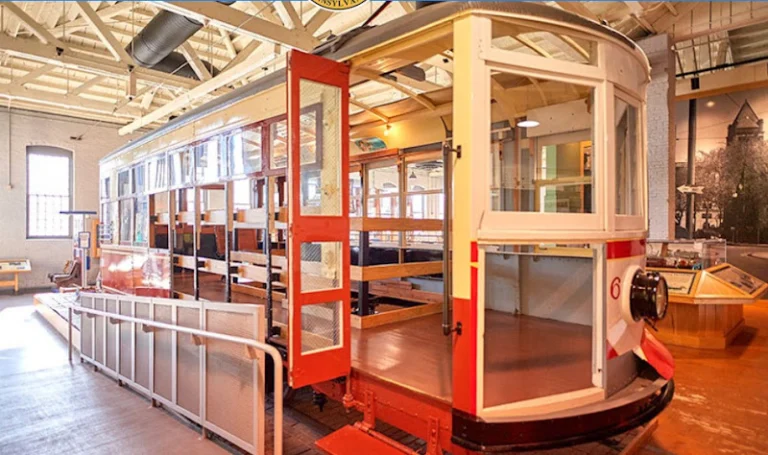
The Electric City Trolley Museum
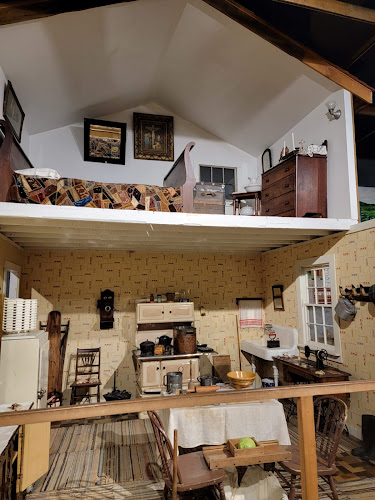
Anthracite Heritage Museum

Montage Mountain Resorts
Find Accommodations Nearby
Recommended Tours & Activities
Visitor Reviews
There are no reviews yet. Be the first one to write one.
Share Your Experience
Have you visited Electric City Mural? Help other travelers by leaving a review.