
Anthracite Heritage Museum
About Anthracite Heritage Museum
Description
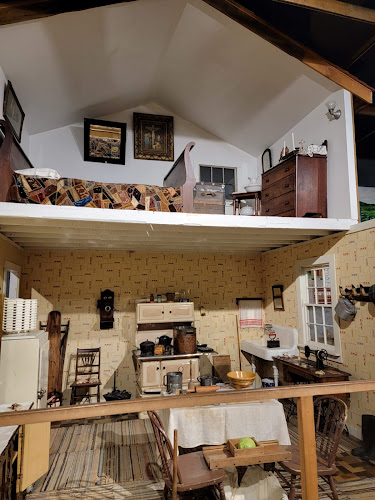
The Anthracite Heritage Museum tells a gritty, honest story about coal country life, and it does it without sugarcoating much. This is a history museum, yes, but it feels more like stepping into someone’s family album—only the photos are hard-edged and the stories carry soot under their fingernails. The focus here is anthracite coal, the hard coal that once powered factories, heated homes, and shaped entire communities across northeastern Pennsylvania. If you’re a traveler who likes understanding why a place looks and feels the way it does, this museum quietly delivers.
Walking through the exhibits, you start to realize how deeply mining, mills, and factories controlled daily life. It wasn’t just a job; it was an identity. The museum does a strong job explaining how immigrants arrived in waves, learned dangerous work fast, and built tight-knit neighborhoods around shifts, strikes, and survival. I remember visiting with a friend whose grandfather worked in the mines, and halfway through one exhibit they just stopped and said, “Yeah… that checks out.” That kind of reaction tells you the curators did their homework.
The displays balance machinery, photographs, personal artifacts, and interpretive text. You’ll see tools that look impossibly heavy, lunch pails that feel oddly intimate, and recreated scenes of workspaces that make you wonder how anyone made it through a full shift. And while the museum clearly respects the pride of the workers, it doesn’t shy away from injuries, labor disputes, or the long-term health costs. That honesty matters. It’s not glossy history; it’s real.
For travelers with kids, the museum is more engaging than it might sound on paper. Interactive elements and guided tours help bring the past into focus. And for adults, especially those who enjoy industrial history or social history, it’s the kind of place that sticks with you longer than expected. You might leave thinking about your own job differently, or at least appreciating central heating a bit more. And yeah, I did exactly that.
Key Features
- Detailed mining exhibits showing tools, safety gear, and daily routines from anthracite coal operations
- Mill and factory displays explaining how coal fueled regional industry and national growth
- Immigration and labor history sections focusing on ethnic communities, unions, and workplace struggles
- Guided tours led by knowledgeable staff who clearly care about the subject (and don’t rush you)
- Hands-on and visual elements that keep kids engaged without dumbing things down
- On-site café for a quick break, coffee, or light bite between exhibits
- Gift shop with books and locally themed items you won’t find at generic tourist stops
- Wheelchair-accessible facilities including entrance, restrooms, and parking
- On-site parking that makes visiting low-stress, especially for road-trippers
Best Time to Visit
The museum works year-round, but timing your visit can really shape the experience. Late spring through early fall tends to be the sweet spot. The weather’s cooperative, school groups aren’t quite at peak chaos yet, and guided tours often run more frequently. Summer also pairs nicely with other regional attractions, making it easy to bundle this stop into a longer trip.
That said, there’s something oddly fitting about visiting in colder months. Coal history hits different when it’s chilly outside and you’re reminded why anthracite mattered so much for heating homes. Winter visits are usually quieter, which means more space to linger at exhibits and ask questions. I once went on a gray November afternoon, and the mood actually enhanced the experience. Not cheerful, exactly, but reflective. And sometimes that’s better.
Weekdays are generally calmer than weekends. If you’re someone who likes to read every placard without feeling rushed or jostled, aim for a weekday morning. Families may prefer weekends when tours are more predictable, but expect a bit more foot traffic. Either way, give yourself at least two hours. You’ll think you only need one, but trust me, it stretches.
How to Get There
Getting to the Anthracite Heritage Museum is straightforward if you’re traveling by car, which is honestly the easiest option in this part of Pennsylvania. Major highways feed into the region, and the drive itself gives you context—former mining towns, old rail lines, and hills that once hid miles of underground tunnels. It’s one of those drives where the scenery quietly prepares you for what you’re about to learn.
On-site parking makes arrival simple, and you won’t have to circle the block or decode confusing signage. If you’re coming from a nearby city, the trip is manageable as a half-day excursion. Public transportation options are limited, so if you’re relying on buses or trains, plan ahead and be ready for a bit of walking or a rideshare at the end. Not impossible, just not seamless.
For travelers road-tripping through the region, the museum fits neatly into an itinerary focused on industrial heritage, small towns, and local food spots. And yes, I’m biased, but this is the kind of stop that adds depth to a trip instead of just checking a box.
Tips for Visiting
Take the tour if you can. Even if you usually skip guided tours, this is one place where it’s worth it. The guides add context you won’t get from text panels alone, and they’re usually happy to answer random questions. I once asked something off-script about child labor laws, and the guide went on a five-minute mini-lecture that was fascinating.
Don’t rush the labor history sections. It’s tempting to focus on the machines, but the human stories are the heart of the museum. Pay attention to the photos and personal accounts. They stick.
Bring comfortable shoes. You’ll be standing and walking more than you think. This isn’t a huge museum, but it’s dense.
Plan a café break. The on-site café is a good excuse to sit, decompress, and talk about what you’ve seen. Museums like this can be emotionally heavier than expected, especially if you have family ties to similar industries.
Good for kids, but set expectations. Children are welcome and there are engaging elements, but this is real history with real consequences. A quick conversation beforehand goes a long way.
Accessibility is solid. Travelers with mobility needs will find entrances, restrooms, and parking thoughtfully designed. That’s not always a given in heritage museums, so it’s worth noting.
Check the gift shop last. The book selection is surprisingly good, especially if you’re interested in regional history or labor studies. I’ve gone in “just to look” and walked out with something more than once.
Overall, the Anthracite Heritage Museum isn’t flashy, and it doesn’t try to be. That’s part of its strength. It respects the people whose lives it documents and trusts visitors to handle the truth. For travelers who want more than surface-level sightseeing, it’s a meaningful stop—and one that lingers in your thoughts long after you leave the parking lot.
Key Features
- Key Features
- Best Time to Visit
- How to Get There
- Tips for Visiting
More Details
Updated December 31, 2025
Table of Contents
Description
The Anthracite Heritage Museum tells a gritty, honest story about coal country life, and it does it without sugarcoating much. This is a history museum, yes, but it feels more like stepping into someone’s family album—only the photos are hard-edged and the stories carry soot under their fingernails. The focus here is anthracite coal, the hard coal that once powered factories, heated homes, and shaped entire communities across northeastern Pennsylvania. If you’re a traveler who likes understanding why a place looks and feels the way it does, this museum quietly delivers.
Walking through the exhibits, you start to realize how deeply mining, mills, and factories controlled daily life. It wasn’t just a job; it was an identity. The museum does a strong job explaining how immigrants arrived in waves, learned dangerous work fast, and built tight-knit neighborhoods around shifts, strikes, and survival. I remember visiting with a friend whose grandfather worked in the mines, and halfway through one exhibit they just stopped and said, “Yeah… that checks out.” That kind of reaction tells you the curators did their homework.
The displays balance machinery, photographs, personal artifacts, and interpretive text. You’ll see tools that look impossibly heavy, lunch pails that feel oddly intimate, and recreated scenes of workspaces that make you wonder how anyone made it through a full shift. And while the museum clearly respects the pride of the workers, it doesn’t shy away from injuries, labor disputes, or the long-term health costs. That honesty matters. It’s not glossy history; it’s real.
For travelers with kids, the museum is more engaging than it might sound on paper. Interactive elements and guided tours help bring the past into focus. And for adults, especially those who enjoy industrial history or social history, it’s the kind of place that sticks with you longer than expected. You might leave thinking about your own job differently, or at least appreciating central heating a bit more. And yeah, I did exactly that.
Key Features
- Detailed mining exhibits showing tools, safety gear, and daily routines from anthracite coal operations
- Mill and factory displays explaining how coal fueled regional industry and national growth
- Immigration and labor history sections focusing on ethnic communities, unions, and workplace struggles
- Guided tours led by knowledgeable staff who clearly care about the subject (and don’t rush you)
- Hands-on and visual elements that keep kids engaged without dumbing things down
- On-site café for a quick break, coffee, or light bite between exhibits
- Gift shop with books and locally themed items you won’t find at generic tourist stops
- Wheelchair-accessible facilities including entrance, restrooms, and parking
- On-site parking that makes visiting low-stress, especially for road-trippers
Best Time to Visit
The museum works year-round, but timing your visit can really shape the experience. Late spring through early fall tends to be the sweet spot. The weather’s cooperative, school groups aren’t quite at peak chaos yet, and guided tours often run more frequently. Summer also pairs nicely with other regional attractions, making it easy to bundle this stop into a longer trip.
That said, there’s something oddly fitting about visiting in colder months. Coal history hits different when it’s chilly outside and you’re reminded why anthracite mattered so much for heating homes. Winter visits are usually quieter, which means more space to linger at exhibits and ask questions. I once went on a gray November afternoon, and the mood actually enhanced the experience. Not cheerful, exactly, but reflective. And sometimes that’s better.
Weekdays are generally calmer than weekends. If you’re someone who likes to read every placard without feeling rushed or jostled, aim for a weekday morning. Families may prefer weekends when tours are more predictable, but expect a bit more foot traffic. Either way, give yourself at least two hours. You’ll think you only need one, but trust me, it stretches.
How to Get There
Getting to the Anthracite Heritage Museum is straightforward if you’re traveling by car, which is honestly the easiest option in this part of Pennsylvania. Major highways feed into the region, and the drive itself gives you context—former mining towns, old rail lines, and hills that once hid miles of underground tunnels. It’s one of those drives where the scenery quietly prepares you for what you’re about to learn.
On-site parking makes arrival simple, and you won’t have to circle the block or decode confusing signage. If you’re coming from a nearby city, the trip is manageable as a half-day excursion. Public transportation options are limited, so if you’re relying on buses or trains, plan ahead and be ready for a bit of walking or a rideshare at the end. Not impossible, just not seamless.
For travelers road-tripping through the region, the museum fits neatly into an itinerary focused on industrial heritage, small towns, and local food spots. And yes, I’m biased, but this is the kind of stop that adds depth to a trip instead of just checking a box.
Tips for Visiting
Take the tour if you can. Even if you usually skip guided tours, this is one place where it’s worth it. The guides add context you won’t get from text panels alone, and they’re usually happy to answer random questions. I once asked something off-script about child labor laws, and the guide went on a five-minute mini-lecture that was fascinating.
Don’t rush the labor history sections. It’s tempting to focus on the machines, but the human stories are the heart of the museum. Pay attention to the photos and personal accounts. They stick.
Bring comfortable shoes. You’ll be standing and walking more than you think. This isn’t a huge museum, but it’s dense.
Plan a café break. The on-site café is a good excuse to sit, decompress, and talk about what you’ve seen. Museums like this can be emotionally heavier than expected, especially if you have family ties to similar industries.
Good for kids, but set expectations. Children are welcome and there are engaging elements, but this is real history with real consequences. A quick conversation beforehand goes a long way.
Accessibility is solid. Travelers with mobility needs will find entrances, restrooms, and parking thoughtfully designed. That’s not always a given in heritage museums, so it’s worth noting.
Check the gift shop last. The book selection is surprisingly good, especially if you’re interested in regional history or labor studies. I’ve gone in “just to look” and walked out with something more than once.
Overall, the Anthracite Heritage Museum isn’t flashy, and it doesn’t try to be. That’s part of its strength. It respects the people whose lives it documents and trusts visitors to handle the truth. For travelers who want more than surface-level sightseeing, it’s a meaningful stop—and one that lingers in your thoughts long after you leave the parking lot.
Key Highlights
- Key Features
- Best Time to Visit
- How to Get There
- Tips for Visiting
Location
Places to Stay Near Anthracite Heritage Museum
Find and Book a Tour
Explore More Travel Guides
No reviews found! Be the first to review!
Traveler Reviews for Anthracite Heritage Museum
There are no reviews yet. Be the first one to write one.
Have you visited Anthracite Heritage Museum? Help other travelers by sharing your review.
You Might Also Like
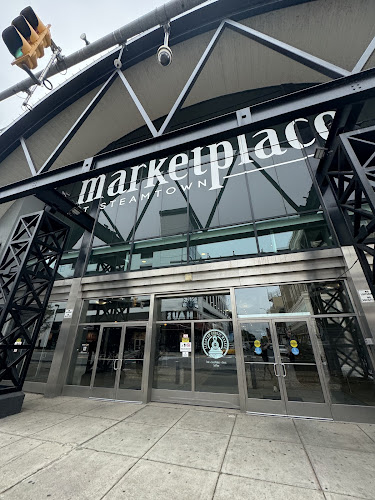
The Marketplace at Steamtown
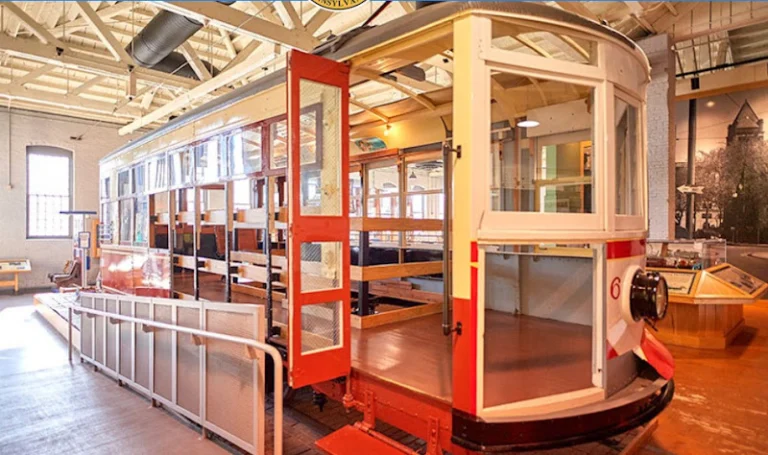
The Electric City Trolley Museum

Steamtown National Historic Site
Find Accommodations Nearby
Recommended Tours & Activities
Visitor Reviews
There are no reviews yet. Be the first one to write one.
Share Your Experience
Have you visited Anthracite Heritage Museum? Help other travelers by leaving a review.