
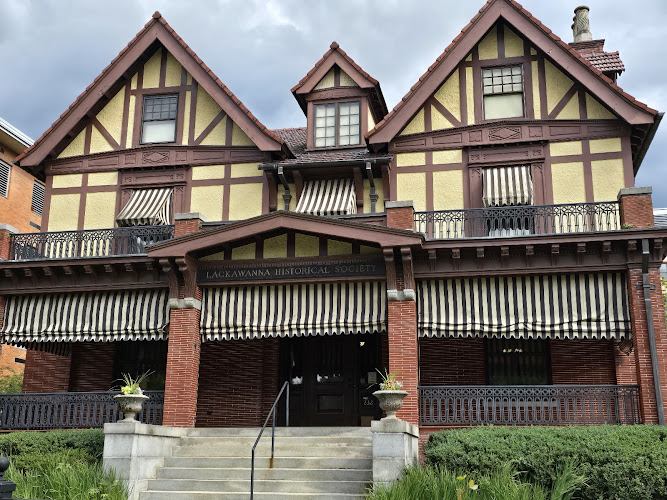
Catlin House Museum
About Catlin House Museum
Description
The Catlin House Museum serves as a quietly impressive window into local history, operating out of the former residence of George H. Catlin, a notable city financier whose life intersected with the growth and ambitions of the region. The building itself does a lot of the talking. This isn’t one of those museums where you rush room to room ticking boxes. It slows you down, almost forces you to pay attention. And that, frankly, is part of its charm.
Managed by the Lackawanna Historical Society, the Catlin House Museum focuses on preserving everyday stories, domestic life, and civic progress rather than grand, flashy exhibits. The rooms feel lived-in, layered with artifacts that quietly explain how people worked, relaxed, worried, and celebrated in a different era. You’ll notice period furniture, photographs, and documents that don’t scream for attention but reward curiosity. Lean in, read the labels, and you start connecting dots between then and now.
The museum appeals strongly to travelers who enjoy context. It’s not just about George H. Catlin as a person, but about what his home represented at the time. Financial growth, social standing, and the responsibilities that came with influence all surface here. The house becomes a character of its own, creaking a little, sure, but holding its posture. And that sense of authenticity? It sticks with you.
This writer remembers visiting similar house museums as a kid and feeling bored within five minutes. The Catlin House avoids that fate by keeping things human. Nothing feels staged for effect. You get the sense that the curators care more about telling honest stories than impressing anyone. That honesty may explain why visitors tend to leave genuinely satisfied, even surprised by how much they enjoyed themselves.
Families will find the space approachable, not intimidating. Kids can ask questions without being shushed every two seconds, and adults can wander at a thoughtful pace. There’s also a practical side travelers appreciate: wheelchair accessible parking and restrooms make the visit doable for guests with mobility needs. These details matter more than people admit.
Key Features
- Historic residence of George H. Catlin, preserved with original architectural details
- Operated by the Lackawanna Historical Society with a strong focus on local heritage
- Period furnishings and artifacts that reflect everyday life, not just high society
- Family-friendly atmosphere that welcomes curious kids and adults alike
- Wheelchair accessible parking and restroom facilities
- Quiet, uncrowded environment ideal for slow, thoughtful exploration
- Rotating exhibits and seasonal displays that encourage repeat visits
One thing worth pointing out, and it’s a small but important detail, is how approachable the exhibits feel. You don’t need a history degree to get something out of them. If anything, the museum respects your intelligence without overwhelming you. That balance is hard to pull off.
Best Time to Visit
The Catlin House Museum is best visited when you have time to linger. Late morning or early afternoon works well, especially for travelers who prefer a calm pace. Weekdays tend to be quieter, which fits the mood of the place. And yes, quiet here is a good thing. It lets the house breathe.
Seasonally, spring and fall feel especially right. There’s something about mild weather that makes a historic home feel more grounded, more real. Summer visits are still pleasant, though you might want to pair the museum with other nearby attractions since the visit itself won’t eat up your entire day. Winter, while less popular, offers a cozier experience if you don’t mind bundling up a bit.
If you’re traveling with kids, earlier in the day usually works better. Attention spans are longer, moods are brighter, and everyone seems more willing to engage. This writer has learned that lesson the hard way, trust me. Late afternoon museum visits with tired kids can go sideways fast.
How to Get There
Reaching the Catlin House Museum is straightforward, even for travelers unfamiliar with the area. It’s located within the city and easily accessible by car. Parking nearby is manageable, and the availability of wheelchair accessible parking is a real plus. Public transportation can also get you close, though travelers should plan for a short walk depending on their route.
If you’re already exploring other historical or cultural sites in the region, adding the Catlin House Museum to your itinerary feels natural. It doesn’t require a major detour, which makes it appealing for road-trippers and weekend explorers. And because it’s not overrun with tour buses, arrival feels relaxed rather than chaotic.
One personal aside here: there’s something satisfying about finding a museum like this without fighting traffic or crowds. You arrive calm, not frazzled, and that mindset carries through the visit. It’s underrated, honestly.
Tips for Visiting
Plan to spend at least an hour, even though you could technically breeze through faster. Give yourself permission to slow down. Read the placards. Ask questions if staff or volunteers are available. They often have stories that don’t make it onto the walls, and those little extras tend to stick with you.
Bring kids, but prep them lightly beforehand. Let them know this is a real house where real people lived, not just a museum full of old stuff. Framing it that way makes a difference. And the museum’s family-friendly vibe helps keep things relaxed.
Accessibility-wise, the museum does a solid job. Wheelchair accessible restrooms and parking remove common barriers, making the visit more inclusive. Travelers with mobility needs should still take their time, as historic homes sometimes come with tight corners or uneven flooring. But overall, the effort here is clear.
There’s no restaurant on-site, so plan meals accordingly. Some visitors like to pair the museum visit with lunch elsewhere, turning it into a half-day cultural outing. Water and comfortable shoes are always a smart move, even if the house itself isn’t huge.
Photography policies can vary, so it’s worth checking before snapping away. And even if photos are allowed, this writer would gently suggest putting the phone down now and then. There’s a certain pleasure in just being present, noticing how light hits old wood, or how silence fills a room.
Finally, don’t rush off immediately after. Take a moment outside, think about what you saw. The Catlin House Museum isn’t flashy, but it lingers. It’s the kind of place that sneaks up on you, then stays in your thoughts longer than expected. For travelers who value substance over spectacle, that’s a pretty good deal.
Key Features
- Historic residence of George H. Catlin, preserved with original architectural details
- Operated by the Lackawanna Historical Society with a strong focus on local heritage
- Period furnishings and artifacts that reflect everyday life, not just high society
- Family-friendly atmosphere that welcomes curious kids and adults alike
- Wheelchair accessible parking and restroom facilities
- Quiet, uncrowded environment ideal for slow, thoughtful exploration
- Rotating exhibits and seasonal displays that encourage repeat visits
More Details
Updated December 31, 2025
Table of Contents
Description
The Catlin House Museum serves as a quietly impressive window into local history, operating out of the former residence of George H. Catlin, a notable city financier whose life intersected with the growth and ambitions of the region. The building itself does a lot of the talking. This isn’t one of those museums where you rush room to room ticking boxes. It slows you down, almost forces you to pay attention. And that, frankly, is part of its charm.
Managed by the Lackawanna Historical Society, the Catlin House Museum focuses on preserving everyday stories, domestic life, and civic progress rather than grand, flashy exhibits. The rooms feel lived-in, layered with artifacts that quietly explain how people worked, relaxed, worried, and celebrated in a different era. You’ll notice period furniture, photographs, and documents that don’t scream for attention but reward curiosity. Lean in, read the labels, and you start connecting dots between then and now.
The museum appeals strongly to travelers who enjoy context. It’s not just about George H. Catlin as a person, but about what his home represented at the time. Financial growth, social standing, and the responsibilities that came with influence all surface here. The house becomes a character of its own, creaking a little, sure, but holding its posture. And that sense of authenticity? It sticks with you.
This writer remembers visiting similar house museums as a kid and feeling bored within five minutes. The Catlin House avoids that fate by keeping things human. Nothing feels staged for effect. You get the sense that the curators care more about telling honest stories than impressing anyone. That honesty may explain why visitors tend to leave genuinely satisfied, even surprised by how much they enjoyed themselves.
Families will find the space approachable, not intimidating. Kids can ask questions without being shushed every two seconds, and adults can wander at a thoughtful pace. There’s also a practical side travelers appreciate: wheelchair accessible parking and restrooms make the visit doable for guests with mobility needs. These details matter more than people admit.
Key Features
- Historic residence of George H. Catlin, preserved with original architectural details
- Operated by the Lackawanna Historical Society with a strong focus on local heritage
- Period furnishings and artifacts that reflect everyday life, not just high society
- Family-friendly atmosphere that welcomes curious kids and adults alike
- Wheelchair accessible parking and restroom facilities
- Quiet, uncrowded environment ideal for slow, thoughtful exploration
- Rotating exhibits and seasonal displays that encourage repeat visits
One thing worth pointing out, and it’s a small but important detail, is how approachable the exhibits feel. You don’t need a history degree to get something out of them. If anything, the museum respects your intelligence without overwhelming you. That balance is hard to pull off.
Best Time to Visit
The Catlin House Museum is best visited when you have time to linger. Late morning or early afternoon works well, especially for travelers who prefer a calm pace. Weekdays tend to be quieter, which fits the mood of the place. And yes, quiet here is a good thing. It lets the house breathe.
Seasonally, spring and fall feel especially right. There’s something about mild weather that makes a historic home feel more grounded, more real. Summer visits are still pleasant, though you might want to pair the museum with other nearby attractions since the visit itself won’t eat up your entire day. Winter, while less popular, offers a cozier experience if you don’t mind bundling up a bit.
If you’re traveling with kids, earlier in the day usually works better. Attention spans are longer, moods are brighter, and everyone seems more willing to engage. This writer has learned that lesson the hard way, trust me. Late afternoon museum visits with tired kids can go sideways fast.
How to Get There
Reaching the Catlin House Museum is straightforward, even for travelers unfamiliar with the area. It’s located within the city and easily accessible by car. Parking nearby is manageable, and the availability of wheelchair accessible parking is a real plus. Public transportation can also get you close, though travelers should plan for a short walk depending on their route.
If you’re already exploring other historical or cultural sites in the region, adding the Catlin House Museum to your itinerary feels natural. It doesn’t require a major detour, which makes it appealing for road-trippers and weekend explorers. And because it’s not overrun with tour buses, arrival feels relaxed rather than chaotic.
One personal aside here: there’s something satisfying about finding a museum like this without fighting traffic or crowds. You arrive calm, not frazzled, and that mindset carries through the visit. It’s underrated, honestly.
Tips for Visiting
Plan to spend at least an hour, even though you could technically breeze through faster. Give yourself permission to slow down. Read the placards. Ask questions if staff or volunteers are available. They often have stories that don’t make it onto the walls, and those little extras tend to stick with you.
Bring kids, but prep them lightly beforehand. Let them know this is a real house where real people lived, not just a museum full of old stuff. Framing it that way makes a difference. And the museum’s family-friendly vibe helps keep things relaxed.
Accessibility-wise, the museum does a solid job. Wheelchair accessible restrooms and parking remove common barriers, making the visit more inclusive. Travelers with mobility needs should still take their time, as historic homes sometimes come with tight corners or uneven flooring. But overall, the effort here is clear.
There’s no restaurant on-site, so plan meals accordingly. Some visitors like to pair the museum visit with lunch elsewhere, turning it into a half-day cultural outing. Water and comfortable shoes are always a smart move, even if the house itself isn’t huge.
Photography policies can vary, so it’s worth checking before snapping away. And even if photos are allowed, this writer would gently suggest putting the phone down now and then. There’s a certain pleasure in just being present, noticing how light hits old wood, or how silence fills a room.
Finally, don’t rush off immediately after. Take a moment outside, think about what you saw. The Catlin House Museum isn’t flashy, but it lingers. It’s the kind of place that sneaks up on you, then stays in your thoughts longer than expected. For travelers who value substance over spectacle, that’s a pretty good deal.
Key Highlights
- Historic residence of George H. Catlin, preserved with original architectural details
- Operated by the Lackawanna Historical Society with a strong focus on local heritage
- Period furnishings and artifacts that reflect everyday life, not just high society
- Family-friendly atmosphere that welcomes curious kids and adults alike
- Wheelchair accessible parking and restroom facilities
- Quiet, uncrowded environment ideal for slow, thoughtful exploration
- Rotating exhibits and seasonal displays that encourage repeat visits
Location
Places to Stay Near Catlin House Museum
Find and Book a Tour
Explore More Travel Guides
No reviews found! Be the first to review!
Traveler Reviews for Catlin House Museum
There are no reviews yet. Be the first one to write one.
Have you visited Catlin House Museum? Help other travelers by sharing your review.
You Might Also Like
Anthracite Heritage Museum

The Lookout

Lackawanna Coal Mine Tour
Find Accommodations Nearby
Recommended Tours & Activities
Visitor Reviews
There are no reviews yet. Be the first one to write one.
Share Your Experience
Have you visited Catlin House Museum? Help other travelers by leaving a review.