
Eke Awka Main Market
About Eke Awka Main Market
Description
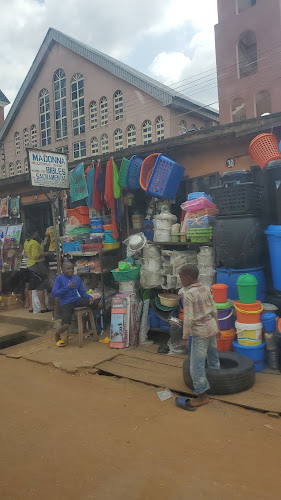
There’s something about Eke Awka Main Market that draws you in before you even step foot inside. Maybe it’s the hum of voices echoing from the stalls, the smell of roasted plantain wafting through the air, or the colorful chaos that only a true Nigerian market can deliver. Located in the heart of Awka, this market isn’t just a place to buy and sell—it’s a living, breathing story of the city’s heartbeat. People come here not only to trade but to connect, gossip, and feel the pulse of everyday life in Anambra’s capital.
Now, let’s be honest—Eke Awka isn’t for the faint of heart. It’s crowded, sometimes noisy, and the traffic around it can test your patience. But that’s part of its charm. You’ll find traders calling out their prices, customers bargaining like seasoned professionals, and children darting between stalls with baskets bigger than their heads. It’s raw, real, and deeply human. And if you’ve ever wanted to experience the true rhythm of southeastern Nigeria, this is where you start.
What I personally love about Eke Awka is how it manages to mix tradition with modern convenience. You’ll see women selling fresh vegetables straight from nearby farms right next to shops stacked with imported electronics. There are sections for textiles, household goods, auto parts, and even furniture. It’s like a city within a city. And yes, you can pay with cash, card, or even mobile transfers—something that makes life a lot easier for travelers who aren’t used to carrying wads of naira around.
The market is also surprisingly accessible. The main entrances are wheelchair-friendly, and there are restrooms available, which, trust me, is a big deal in Nigerian markets. Still, the real beauty of Eke Awka isn’t in its infrastructure—it’s in its people. The traders here are warm, witty, and full of stories. I once spent half an hour chatting with a woman who sold yams; by the time I left, she’d convinced me to try her family’s recipe for yam porridge. It’s that kind of place—where every transaction feels like a conversation, and every conversation leaves you a little richer in spirit.
Key Features
- Massive selection of goods—from fresh produce and spices to electronics, textiles, and building materials.
- Authentic local market experience showcasing the daily life of Awka residents.
- Wheelchair-accessible entrances and restrooms for inclusive access.
- Multiple payment options, including credit cards, debit cards, and NFC mobile payments.
- Central location, easily reachable from different parts of the city.
- Friendly traders known for their humor, charm, and negotiation skills.
- Blend of traditional open-air stalls and modern retail shops.
- Rich cultural atmosphere reflecting the Igbo heritage and community spirit.
What makes these features stand out isn’t just their practicality—it’s how they come together to create a truly organic experience. You can spend hours wandering through the stalls and still feel like you’ve only scratched the surface. And if you’re a photographer or a storyteller, this market will hand you a hundred stories before lunchtime.
Best Time to Visit
If you want the full-on market buzz, visit on an “Eke” day—the traditional Igbo market day that the place is named after. The energy on those days is something else entirely. But if you prefer a calmer experience (and to actually hear yourself think), midweek mornings are your best bet. The weather in Awka tends to be humid, so going early helps you beat both the heat and the crowds.
Rainy season (around April to October) can make parts of the market a bit muddy, though locals navigate it like pros. Dry season, especially from November to February, is much more comfortable for exploring. That’s when you’ll see more tourists and even locals stocking up for the festive season. Personally, I love visiting just before Christmas—the colors, the music, the sheer joy in the air—it’s electric.
How to Get There
Getting to Eke Awka Main Market is fairly straightforward. If you’re staying anywhere within Awka, you can hop on a keke (tricycle) or a taxi—just tell the driver “Eke Awka” and they’ll know exactly where to take you. The market sits right at a major intersection, so it’s almost impossible to miss. For those coming from outside the city, you can take a bus into Awka’s main park and then grab a short ride from there. It’s also close to several key roads that connect to Onitsha, Enugu, and other nearby towns.
One thing to note: parking can be tricky. If you’re driving, it’s best to go early and find a secure spot nearby. The market area gets packed fast, especially on weekends. And if you’re the kind of traveler who likes to walk and explore, wear comfortable shoes—you’ll be covering a lot of ground.
Tips for Visiting
First off, bring your bargaining spirit. Prices in Eke Awka aren’t fixed, and haggling is part of the fun. Don’t be shy about negotiating—it’s expected! Just do it with a smile and maybe a joke or two. The traders appreciate good humor, and you’ll often walk away with a better deal.
Keep your belongings close, as you would in any busy market anywhere in the world. Not because it’s unsafe, but because it’s easy to get distracted by all the action. Also, carry some small change; not every vendor can break large bills. And if you’re using your phone for mobile payments, make sure you have a good data connection—network hiccups are common.
If you’re a foodie, don’t leave without trying some of the local snacks sold around the market. There’s roasted corn, suya (spiced meat skewers), and freshly fried akara (bean cakes) that taste better than anything you’ll find in a restaurant. I once grabbed a handful of puff-puff from a roadside stand there, and honestly, it ruined me for all other puff-puff. It was that good.
Photography lovers should ask before snapping pictures of people or their stalls. Most traders don’t mind, but it’s polite to ask first. And if you’re looking to buy souvenirs, go for locally made crafts and fabrics—they tell a story and support small-scale artisans who pour their hearts into their work.
Finally, pace yourself. The market can be overwhelming at first—the sounds, the smells, the sheer number of people—but give it time. Take breaks, grab a cold drink, and just soak it all in. Eke Awka isn’t just a place to shop; it’s a place to feel alive. Whether you’re a first-time visitor or a returning traveler, it leaves an impression that sticks with you long after you’ve left. It’s messy, it’s loud, it’s beautiful—and somehow, it just works.
So, if you ever find yourself in Awka and want to experience the city beyond the usual tourist spots, spend a morning (or an entire day) at Eke Awka Main Market. You’ll come away with more than just souvenirs—you’ll take home a piece of the city’s soul.
Key Features
- Massive selection of goods—from fresh produce and spices to electronics, textiles, and building materials.
- Authentic local market experience showcasing the daily life of Awka residents.
- Wheelchair-accessible entrances and restrooms for inclusive access.
- Multiple payment options, including credit cards, debit cards, and NFC mobile payments.
- Central location, easily reachable from different parts of the city.
- Friendly traders known for their humor, charm, and negotiation skills.
- Blend of traditional open-air stalls and modern retail shops.
- Rich cultural atmosphere reflecting the Igbo heritage and community spirit.
More Details
Updated November 9, 2025
Table of Contents
Description
There’s something about Eke Awka Main Market that draws you in before you even step foot inside. Maybe it’s the hum of voices echoing from the stalls, the smell of roasted plantain wafting through the air, or the colorful chaos that only a true Nigerian market can deliver. Located in the heart of Awka, this market isn’t just a place to buy and sell—it’s a living, breathing story of the city’s heartbeat. People come here not only to trade but to connect, gossip, and feel the pulse of everyday life in Anambra’s capital.
Now, let’s be honest—Eke Awka isn’t for the faint of heart. It’s crowded, sometimes noisy, and the traffic around it can test your patience. But that’s part of its charm. You’ll find traders calling out their prices, customers bargaining like seasoned professionals, and children darting between stalls with baskets bigger than their heads. It’s raw, real, and deeply human. And if you’ve ever wanted to experience the true rhythm of southeastern Nigeria, this is where you start.
What I personally love about Eke Awka is how it manages to mix tradition with modern convenience. You’ll see women selling fresh vegetables straight from nearby farms right next to shops stacked with imported electronics. There are sections for textiles, household goods, auto parts, and even furniture. It’s like a city within a city. And yes, you can pay with cash, card, or even mobile transfers—something that makes life a lot easier for travelers who aren’t used to carrying wads of naira around.
The market is also surprisingly accessible. The main entrances are wheelchair-friendly, and there are restrooms available, which, trust me, is a big deal in Nigerian markets. Still, the real beauty of Eke Awka isn’t in its infrastructure—it’s in its people. The traders here are warm, witty, and full of stories. I once spent half an hour chatting with a woman who sold yams; by the time I left, she’d convinced me to try her family’s recipe for yam porridge. It’s that kind of place—where every transaction feels like a conversation, and every conversation leaves you a little richer in spirit.
Key Features
- Massive selection of goods—from fresh produce and spices to electronics, textiles, and building materials.
- Authentic local market experience showcasing the daily life of Awka residents.
- Wheelchair-accessible entrances and restrooms for inclusive access.
- Multiple payment options, including credit cards, debit cards, and NFC mobile payments.
- Central location, easily reachable from different parts of the city.
- Friendly traders known for their humor, charm, and negotiation skills.
- Blend of traditional open-air stalls and modern retail shops.
- Rich cultural atmosphere reflecting the Igbo heritage and community spirit.
What makes these features stand out isn’t just their practicality—it’s how they come together to create a truly organic experience. You can spend hours wandering through the stalls and still feel like you’ve only scratched the surface. And if you’re a photographer or a storyteller, this market will hand you a hundred stories before lunchtime.
Best Time to Visit
If you want the full-on market buzz, visit on an “Eke” day—the traditional Igbo market day that the place is named after. The energy on those days is something else entirely. But if you prefer a calmer experience (and to actually hear yourself think), midweek mornings are your best bet. The weather in Awka tends to be humid, so going early helps you beat both the heat and the crowds.
Rainy season (around April to October) can make parts of the market a bit muddy, though locals navigate it like pros. Dry season, especially from November to February, is much more comfortable for exploring. That’s when you’ll see more tourists and even locals stocking up for the festive season. Personally, I love visiting just before Christmas—the colors, the music, the sheer joy in the air—it’s electric.
How to Get There
Getting to Eke Awka Main Market is fairly straightforward. If you’re staying anywhere within Awka, you can hop on a keke (tricycle) or a taxi—just tell the driver “Eke Awka” and they’ll know exactly where to take you. The market sits right at a major intersection, so it’s almost impossible to miss. For those coming from outside the city, you can take a bus into Awka’s main park and then grab a short ride from there. It’s also close to several key roads that connect to Onitsha, Enugu, and other nearby towns.
One thing to note: parking can be tricky. If you’re driving, it’s best to go early and find a secure spot nearby. The market area gets packed fast, especially on weekends. And if you’re the kind of traveler who likes to walk and explore, wear comfortable shoes—you’ll be covering a lot of ground.
Tips for Visiting
First off, bring your bargaining spirit. Prices in Eke Awka aren’t fixed, and haggling is part of the fun. Don’t be shy about negotiating—it’s expected! Just do it with a smile and maybe a joke or two. The traders appreciate good humor, and you’ll often walk away with a better deal.
Keep your belongings close, as you would in any busy market anywhere in the world. Not because it’s unsafe, but because it’s easy to get distracted by all the action. Also, carry some small change; not every vendor can break large bills. And if you’re using your phone for mobile payments, make sure you have a good data connection—network hiccups are common.
If you’re a foodie, don’t leave without trying some of the local snacks sold around the market. There’s roasted corn, suya (spiced meat skewers), and freshly fried akara (bean cakes) that taste better than anything you’ll find in a restaurant. I once grabbed a handful of puff-puff from a roadside stand there, and honestly, it ruined me for all other puff-puff. It was that good.
Photography lovers should ask before snapping pictures of people or their stalls. Most traders don’t mind, but it’s polite to ask first. And if you’re looking to buy souvenirs, go for locally made crafts and fabrics—they tell a story and support small-scale artisans who pour their hearts into their work.
Finally, pace yourself. The market can be overwhelming at first—the sounds, the smells, the sheer number of people—but give it time. Take breaks, grab a cold drink, and just soak it all in. Eke Awka isn’t just a place to shop; it’s a place to feel alive. Whether you’re a first-time visitor or a returning traveler, it leaves an impression that sticks with you long after you’ve left. It’s messy, it’s loud, it’s beautiful—and somehow, it just works.
So, if you ever find yourself in Awka and want to experience the city beyond the usual tourist spots, spend a morning (or an entire day) at Eke Awka Main Market. You’ll come away with more than just souvenirs—you’ll take home a piece of the city’s soul.
Key Highlights
- Massive selection of goods—from fresh produce and spices to electronics, textiles, and building materials.
- Authentic local market experience showcasing the daily life of Awka residents.
- Wheelchair-accessible entrances and restrooms for inclusive access.
- Multiple payment options, including credit cards, debit cards, and NFC mobile payments.
- Central location, easily reachable from different parts of the city.
- Friendly traders known for their humor, charm, and negotiation skills.
- Blend of traditional open-air stalls and modern retail shops.
- Rich cultural atmosphere reflecting the Igbo heritage and community spirit.
Location
Places to Stay Near Eke Awka Main Market
Find and Book a Tour
Explore More Travel Guides
No reviews found! Be the first to review!
Traveler Reviews for Eke Awka Main Market
There are no reviews yet. Be the first one to write one.
Have you visited Eke Awka Main Market? Help other travelers by sharing your review.
You Might Also Like
CPHA NIGERIA

Ultimate Plaza
Umuenechi Village Square
Find Accommodations Nearby
Recommended Tours & Activities
Visitor Reviews
There are no reviews yet. Be the first one to write one.
Share Your Experience
Have you visited Eke Awka Main Market? Help other travelers by leaving a review.