
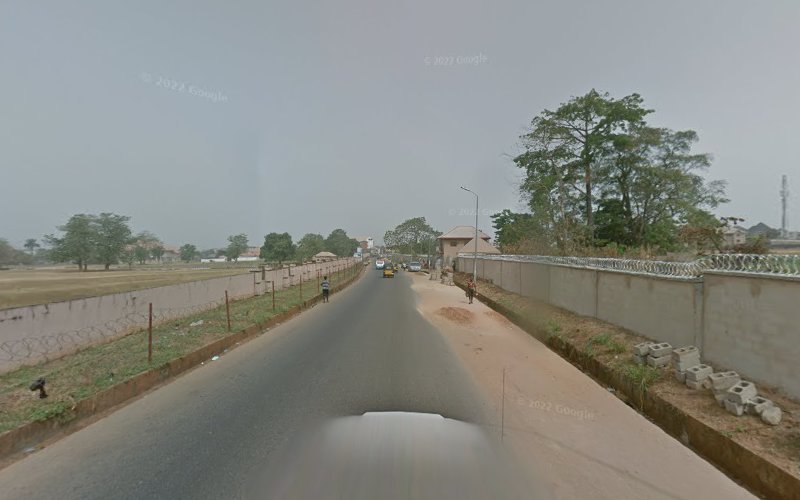
old timber Awka
About old timber Awka
Description
The Old Timber Market in Awka is one of those places that quietly holds the pulse of everyday life in Anambra’s capital. It’s not flashy or overly polished, but that’s exactly what makes it so fascinating. The market has this raw, earthy charm that’s hard to find elsewhere. You can almost feel the layers of history in the air — from the scent of freshly cut wood to the chatter of traders who’ve worked here for decades. It’s a place where tradition meets practicality, where commerce hums along with a rhythm that feels both old and enduring.
Walking through the market, one can’t help but notice the maze-like arrangement of timber stalls, sawdust-covered paths, and the occasional spark from a saw cutting through thick planks of wood. It’s a sensory experience — the smell of resin, the sound of hammering, the sight of artisans shaping wood into furniture that might one day sit proudly in someone’s living room. If you’re the kind of traveler who loves authenticity, this place will speak to you. It’s not a tourist trap. It’s real, gritty, and full of life.
What’s especially interesting about the Old Timber Market is how it’s evolved. Once a small gathering of local wood merchants, it’s grown into a major hub for timber trade in Awka. Yet, despite this growth, it still feels personal. Traders know their customers by name, and there’s a sense of community that’s rare in modern markets. You might even find yourself drawn into a casual chat about wood types or bargaining techniques — and honestly, that’s part of the fun. The people here are proud of what they do, and their craftsmanship shows it.
Though it’s primarily a timber market, you’ll also find a few stalls selling tools, nails, and other building materials. There’s even a small area where local carpenters take custom orders. It’s not glamorous, but it’s incredibly functional — and for travelers who appreciate the beauty of everyday work, it’s a goldmine of stories. There’s something grounding about seeing how much effort goes into something as simple as a wooden bench or a doorframe. It reminds you that behind every finished product lies a chain of hands and hearts that made it possible.
Facilities are modest but adequate. There’s a restroom available, which is a relief for anyone spending a few hours exploring. Many traders also accept debit cards, which is surprisingly convenient given the market’s traditional vibe. And while it might not be spotless or perfectly organized, there’s a sense of order beneath the apparent chaos — the kind only locals truly understand. That’s part of its charm, really. You come expecting disorder, and you leave realizing it all works perfectly in its own way.
Key Features
- Authentic timber market atmosphere with deep cultural roots
- Wide range of local wood types and handcrafted furniture
- Friendly and knowledgeable traders who love to share their craft
- Functional amenities including restrooms for visitors
- Debit card payments accepted at many stalls
- Opportunities to observe carpenters and woodworkers at work
- Affordable prices and room for friendly bargaining
- Strong sense of local community and heritage
One thing worth noting — the market isn’t just about buying and selling. It’s a cultural experience. Watching the interactions, hearing the local dialects, and observing how people negotiate with humor and respect gives you a real glimpse into the social fabric of Awka. I remember chatting with a carpenter once who told me how he learned the trade from his father, who learned it from his grandfather. That kind of generational continuity is what gives this place its soul. It’s not just a market; it’s a living story.
Best Time to Visit
If you’re planning a visit, mornings are definitely the best time to experience the Old Timber Market. The air is cooler, and the traders are just setting up — there’s a sense of anticipation that fills the place. You’ll also get to see more activity, from trucks unloading logs to saws buzzing as the day begins. By afternoon, the market slows down a bit, and the heat can be intense, especially during the dry season.
Speaking of seasons, the dry months from November to March are ideal for visiting. During the rainy season, the ground can get muddy and slippery, which makes walking around less pleasant. But even then, there’s something oddly charming about watching rain fall on stacks of timber, the scent of wet wood filling the air. If you don’t mind a bit of dirt on your shoes, it’s still worth it.
Weekdays are generally better than weekends if you want to avoid crowds. Most of the serious trading happens then, and you’ll get a more authentic feel of the market’s rhythm. Plus, you’ll have more time to talk to the artisans without feeling rushed. Just remember to wear comfortable shoes — you’ll be on your feet a lot.
How to Get There
Getting to the Old Timber Market in Awka is fairly straightforward. The market sits close to one of the city’s main roads, making it accessible by car, motorcycle, or public transport. If you’re staying in central Awka, a short taxi ride will get you there in under fifteen minutes, depending on traffic. Motorcycles, or “okadas” as they’re called locally, are also a quick and affordable option, though they can be a bit bumpy.
For those coming from outside Awka, you can take a bus to the main park and then hop on a local tricycle or taxi to the market. It’s one of those places that everyone in town knows, so even if you’re not sure of the directions, just ask around. People are usually eager to help — and they’ll probably throw in a few tips about what to see once you get there.
Parking can be tight during peak hours, so if you’re driving, it’s best to arrive early. There are usually attendants who help direct traffic and find spots, though it can get a little chaotic. Still, that’s part of the experience — a bit of organized chaos that somehow works itself out.
Tips for Visiting
Visiting the Old Timber Market isn’t like strolling through a fancy shopping mall. It’s a working market, and that’s exactly why it’s so interesting. But a few tips can make your visit smoother and more enjoyable:
- Dress comfortably: You’ll be walking through sawdust and uneven ground, so wear closed shoes and light clothing.
- Bring some cash: Even though many traders accept debit cards, cash still comes in handy — especially for smaller purchases.
- Be ready to bargain: Negotiation is part of the culture here. Do it with a smile, and you’ll often get a better deal.
- Ask questions: The traders love sharing their knowledge about wood types and craftsmanship. It’s a great way to learn something new.
- Stay hydrated: The market can get hot, so bring a bottle of water or buy one from nearby vendors.
- Respect the workers: Remember, this is their workspace. Ask before taking photos, especially of people at work.
- Watch your step: There are tools, planks, and machinery around, so stay alert as you move through the stalls.
One personal tip — take a moment to just stand still and watch the market in motion. There’s something mesmerizing about the way everyone moves with purpose. The traders shouting prices, the carpenters measuring boards, the smell of sawdust hanging in the air — it’s like a living symphony of labor and livelihood. If you’re lucky, someone might even invite you to see how a piece of furniture is made from raw timber. That’s a memory you’ll carry long after you’ve left Awka.
And don’t rush your visit. The Old Timber Market rewards those who linger. It’s not about ticking boxes or snapping quick photos — it’s about soaking in the atmosphere, the people, and the stories. You’ll leave with a deeper appreciation for the craft and the community that keeps this market alive. It’s one of those experiences that quietly stays with you, reminding you that beauty often hides in the most unexpected places.
Key Features
- Authentic timber market atmosphere with deep cultural roots
- Wide range of local wood types and handcrafted furniture
- Friendly and knowledgeable traders who love to share their craft
- Functional amenities including restrooms for visitors
- Debit card payments accepted at many stalls
- Opportunities to observe carpenters and woodworkers at work
- Affordable prices and room for friendly bargaining
- Strong sense of local community and heritage
More Details
Updated November 10, 2025
Table of Contents
Description
The Old Timber Market in Awka is one of those places that quietly holds the pulse of everyday life in Anambra’s capital. It’s not flashy or overly polished, but that’s exactly what makes it so fascinating. The market has this raw, earthy charm that’s hard to find elsewhere. You can almost feel the layers of history in the air — from the scent of freshly cut wood to the chatter of traders who’ve worked here for decades. It’s a place where tradition meets practicality, where commerce hums along with a rhythm that feels both old and enduring.
Walking through the market, one can’t help but notice the maze-like arrangement of timber stalls, sawdust-covered paths, and the occasional spark from a saw cutting through thick planks of wood. It’s a sensory experience — the smell of resin, the sound of hammering, the sight of artisans shaping wood into furniture that might one day sit proudly in someone’s living room. If you’re the kind of traveler who loves authenticity, this place will speak to you. It’s not a tourist trap. It’s real, gritty, and full of life.
What’s especially interesting about the Old Timber Market is how it’s evolved. Once a small gathering of local wood merchants, it’s grown into a major hub for timber trade in Awka. Yet, despite this growth, it still feels personal. Traders know their customers by name, and there’s a sense of community that’s rare in modern markets. You might even find yourself drawn into a casual chat about wood types or bargaining techniques — and honestly, that’s part of the fun. The people here are proud of what they do, and their craftsmanship shows it.
Though it’s primarily a timber market, you’ll also find a few stalls selling tools, nails, and other building materials. There’s even a small area where local carpenters take custom orders. It’s not glamorous, but it’s incredibly functional — and for travelers who appreciate the beauty of everyday work, it’s a goldmine of stories. There’s something grounding about seeing how much effort goes into something as simple as a wooden bench or a doorframe. It reminds you that behind every finished product lies a chain of hands and hearts that made it possible.
Facilities are modest but adequate. There’s a restroom available, which is a relief for anyone spending a few hours exploring. Many traders also accept debit cards, which is surprisingly convenient given the market’s traditional vibe. And while it might not be spotless or perfectly organized, there’s a sense of order beneath the apparent chaos — the kind only locals truly understand. That’s part of its charm, really. You come expecting disorder, and you leave realizing it all works perfectly in its own way.
Key Features
- Authentic timber market atmosphere with deep cultural roots
- Wide range of local wood types and handcrafted furniture
- Friendly and knowledgeable traders who love to share their craft
- Functional amenities including restrooms for visitors
- Debit card payments accepted at many stalls
- Opportunities to observe carpenters and woodworkers at work
- Affordable prices and room for friendly bargaining
- Strong sense of local community and heritage
One thing worth noting — the market isn’t just about buying and selling. It’s a cultural experience. Watching the interactions, hearing the local dialects, and observing how people negotiate with humor and respect gives you a real glimpse into the social fabric of Awka. I remember chatting with a carpenter once who told me how he learned the trade from his father, who learned it from his grandfather. That kind of generational continuity is what gives this place its soul. It’s not just a market; it’s a living story.
Best Time to Visit
If you’re planning a visit, mornings are definitely the best time to experience the Old Timber Market. The air is cooler, and the traders are just setting up — there’s a sense of anticipation that fills the place. You’ll also get to see more activity, from trucks unloading logs to saws buzzing as the day begins. By afternoon, the market slows down a bit, and the heat can be intense, especially during the dry season.
Speaking of seasons, the dry months from November to March are ideal for visiting. During the rainy season, the ground can get muddy and slippery, which makes walking around less pleasant. But even then, there’s something oddly charming about watching rain fall on stacks of timber, the scent of wet wood filling the air. If you don’t mind a bit of dirt on your shoes, it’s still worth it.
Weekdays are generally better than weekends if you want to avoid crowds. Most of the serious trading happens then, and you’ll get a more authentic feel of the market’s rhythm. Plus, you’ll have more time to talk to the artisans without feeling rushed. Just remember to wear comfortable shoes — you’ll be on your feet a lot.
How to Get There
Getting to the Old Timber Market in Awka is fairly straightforward. The market sits close to one of the city’s main roads, making it accessible by car, motorcycle, or public transport. If you’re staying in central Awka, a short taxi ride will get you there in under fifteen minutes, depending on traffic. Motorcycles, or “okadas” as they’re called locally, are also a quick and affordable option, though they can be a bit bumpy.
For those coming from outside Awka, you can take a bus to the main park and then hop on a local tricycle or taxi to the market. It’s one of those places that everyone in town knows, so even if you’re not sure of the directions, just ask around. People are usually eager to help — and they’ll probably throw in a few tips about what to see once you get there.
Parking can be tight during peak hours, so if you’re driving, it’s best to arrive early. There are usually attendants who help direct traffic and find spots, though it can get a little chaotic. Still, that’s part of the experience — a bit of organized chaos that somehow works itself out.
Tips for Visiting
Visiting the Old Timber Market isn’t like strolling through a fancy shopping mall. It’s a working market, and that’s exactly why it’s so interesting. But a few tips can make your visit smoother and more enjoyable:
- Dress comfortably: You’ll be walking through sawdust and uneven ground, so wear closed shoes and light clothing.
- Bring some cash: Even though many traders accept debit cards, cash still comes in handy — especially for smaller purchases.
- Be ready to bargain: Negotiation is part of the culture here. Do it with a smile, and you’ll often get a better deal.
- Ask questions: The traders love sharing their knowledge about wood types and craftsmanship. It’s a great way to learn something new.
- Stay hydrated: The market can get hot, so bring a bottle of water or buy one from nearby vendors.
- Respect the workers: Remember, this is their workspace. Ask before taking photos, especially of people at work.
- Watch your step: There are tools, planks, and machinery around, so stay alert as you move through the stalls.
One personal tip — take a moment to just stand still and watch the market in motion. There’s something mesmerizing about the way everyone moves with purpose. The traders shouting prices, the carpenters measuring boards, the smell of sawdust hanging in the air — it’s like a living symphony of labor and livelihood. If you’re lucky, someone might even invite you to see how a piece of furniture is made from raw timber. That’s a memory you’ll carry long after you’ve left Awka.
And don’t rush your visit. The Old Timber Market rewards those who linger. It’s not about ticking boxes or snapping quick photos — it’s about soaking in the atmosphere, the people, and the stories. You’ll leave with a deeper appreciation for the craft and the community that keeps this market alive. It’s one of those experiences that quietly stays with you, reminding you that beauty often hides in the most unexpected places.
Key Highlights
- Authentic timber market atmosphere with deep cultural roots
- Wide range of local wood types and handcrafted furniture
- Friendly and knowledgeable traders who love to share their craft
- Functional amenities including restrooms for visitors
- Debit card payments accepted at many stalls
- Opportunities to observe carpenters and woodworkers at work
- Affordable prices and room for friendly bargaining
- Strong sense of local community and heritage
Location
Places to Stay Near old timber Awka
Find and Book a Tour
Explore More Travel Guides
No reviews found! Be the first to review!
Traveler Reviews for old timber Awka
There are no reviews yet. Be the first one to write one.
Have you visited old timber Awka? Help other travelers by sharing your review.
You Might Also Like
Umuenechi Village Square

NNAEMEKA GRAPHICS WORLD
CPHA NIGERIA
Find Accommodations Nearby
Recommended Tours & Activities
Visitor Reviews
There are no reviews yet. Be the first one to write one.
Share Your Experience
Have you visited old timber Awka? Help other travelers by leaving a review.