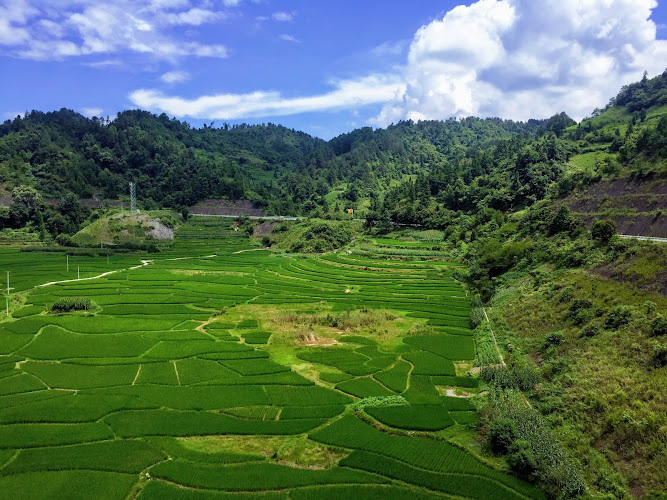
And honestly, that’s part of what makes this city so compelling – it hasn’t been polished up for mass tourism yet, which means you’re getting something closer to authentic daily life in southwestern China.
The city carries stories that textbooks barely touch. Back in the 1730s, specifically during the Miao rebellion of 1735-36, Duyun wasn’t just a bystander watching history unfold from the sidelines. Nope, the city jumped into the uprising from pretty much day one, with locals participating in what became a significant challenge to Qing dynasty authority. The rebellion was eventually crushed the following year, but that legacy of independence and cultural pride still runs through the veins of this place today.
Walking through Duyun, you’ll notice it’s a city that bridges worlds. The Buyei and Miao ethnic groups maintain their cultural identities here in ways that feel lived-in rather than performed. I remember talking to a local shopkeeper who mentioned how her grandmother still wears traditional Miao dress every single day, not for tourists, but because that’s just who she is. That kind of cultural continuity is increasingly rare in rapidly developing China.
The surrounding landscape is quintessentially Guizhou – karst formations creating dramatic backdrops, tea plantations stretching across hillsides, and a climate that keeps everything perpetually green. Duyun serves as an excellent base for exploring the broader prefecture while offering enough urban amenities that you won’t feel completely cut off from modern conveniences. The city manages to be both a cultural gateway and a practical stopover, which isn’t always an easy balance to strike.
Key Features
The distinctive characteristics that define Duyun’s appeal include several elements worth noting for anyone planning their visit:
- Relatively mild climate year-round due to elevation and southern location, avoiding extreme temperature swings
- Festivals and celebrations that follow traditional ethnic calendars rather than purely commercial tourism schedules
Best Time to Visit
Timing your visit to Duyun really depends on what you’re hoping to experience, though I’d argue that spring and autumn generally deliver the most comfortable conditions for exploring. But let me break this down properly because Guizhou’s weather is a bit of a character itself.
Spring, particularly from March through May, brings the tea harvesting season into full swing. If you’re interested in the agricultural rhythms of the region, this is your window. The hillsides are impossibly green, and the temperature hovers in that sweet spot where you’re comfortable in a light jacket during morning explorations but can shed layers by afternoon. Occasional rain showers do happen – this is Guizhou after all, where moisture is kind of the default setting – but they usually pass quickly enough.
Summer from June through August gets warm and definitely humid. The rainy season peaks during these months, which can put a damper on outdoor plans if you’re unlucky. However, this is also when many ethnic minority festivals take place, timed to agricultural calendars that have governed life here for centuries. The Miao Sisters’ Meal Festival and various Buyei celebrations often fall during these warmer months. You’ll need to pack rain gear and accept that your shoes might spend more time wet than dry, but the cultural experiences available during this period are unmatched.
Autumn, September through November, rivals spring as the ideal visiting window. The temperatures cool down to genuinely pleasant levels, rainfall decreases significantly, and harvest activities create buzz throughout the region. The countryside takes on golden tones that photograph beautifully against those dramatic karst formations. I’ve heard from travelers who visited during mid-October that the combination of comfortable weather and autumn scenery made their trip memorable in ways they hadn’t anticipated.
Winter sees fewer tourists, which can be appealing if you prefer quieter travel experiences. Temperatures rarely drop to truly cold levels thanks to the southern location, though you’ll want warm layers for morning and evening. Some mountain areas might be inaccessible due to weather, but the city itself remains fully functional. Local life continues at its normal pace, which means you’re seeing Duyun as residents experience it rather than as a tourism showcase.
How to Get There
Getting to Duyun requires a bit more planning than reaching China’s tier-one cities, but it’s far from impossible and the journey itself offers glimpses of regions most international travelers never see.
By air, you’re looking at flying into Guiyang Longdongbao International Airport, which is the provincial capital and serves as the main aviation hub for Guizhou. Guiyang receives flights from major Chinese cities like Beijing, Shanghai, Guangzhou, and Chengdu with reasonable frequency. Once you land in Guiyang, Duyun sits roughly 100 kilometers to the south, which translates to about 90 minutes to two hours depending on your ground transportation choice.
High-speed rail has transformed access to this region in recent years. The Guiyang-Guangzhou high-speed line includes a stop at Duyun East Railway Station, connecting the city to both Guiyang to the north and Guangxi province to the south. If you’re already traveling through China by rail, this is honestly the most convenient option. The trains are punctual, comfortable, and allow you to watch the landscape transform as you move through southwestern China’s distinctive terrain. From Guiyang, the high-speed train takes roughly 30-40 minutes to reach Duyun, making day trips theoretically possible though you’d be shortchanging yourself on what the area offers.
Long-distance buses connect Duyun to Guiyang and various other cities throughout Guizhou and neighboring provinces. The bus stations can feel chaotic if you’re not accustomed to Chinese bus travel culture, and schedules aren’t always transparently posted in English. But the routes are extensive and fares are budget-friendly. Just be prepared for a more adventurous travel experience where things don’t always run exactly on time.
Driving yourself is possible if you’ve arranged a rental car in Guiyang, though navigating requires either strong Chinese reading skills or a very good GPS system since English signage is minimal once you’re outside major urban centers. The roads themselves are generally well-maintained, but mountainous terrain means lots of curves and tunnels.
Tips for Visiting
Preparing for Duyun requires some practical considerations that’ll make your experience considerably smoother, trust me on this.
Language will be your biggest challenge unless you’ve got Mandarin skills. English proficiency outside major hotels is pretty much non-existent, and many locals speak ethnic minority languages as their first tongue with Mandarin as a second language. Download a reliable translation app before arrival and make sure it works offline because data connectivity can be spotty in surrounding areas. Learning a few basic Mandarin phrases goes a long way in showing respect and will earn you warmer interactions.
Cash remains king in Duyun despite China’s rapid adoption of mobile payment systems. While WeChat Pay and Alipay dominate in larger establishments, smaller vendors, market stalls, and rural areas still operate primarily on cash basis. ATMs are available in the city center, but don’t count on finding them in every village you might explore. Bring more cash than you think you’ll need.
Accommodation options range from basic guesthouses to mid-range hotels, but don’t expect international chain properties. The standards differ from Western expectations sometimes – rooms might be perfectly clean but decorated in ways that feel dated, or plumbing might be functional but temperamental. Reading recent reviews helps set realistic expectations. Booking ahead during festival periods is essential since room availability gets tight when celebrations draw visitors from surrounding areas.
Food adventures await, and I’d encourage you to embrace some culinary risk-taking. Sour soup fish is a regional specialty that tastes nothing like you’re probably imagining. Rice wine features prominently in local drinking culture. Street food offers some of the most memorable meals you’ll have, though the usual cautions about choosing busy stalls with high turnover apply. Vegetarians should note that truly vegetarian options can be limited – broths often contain meat even when dishes appear plant-based.
Weather preparedness means packing layers regardless of season. Morning temperatures can differ significantly from afternoon highs. Rain gear isn’t optional – it’s mandatory. A compact umbrella and waterproof jacket should be in your bag always. Comfortable walking shoes with good traction matter since many areas involve uneven surfaces, stairs, and potentially muddy conditions.
Cultural sensitivity around ethnic minority communities shows respect and opens doors. Ask permission before photographing people, especially in traditional dress. Some festivals and ceremonies have protocols about visitor participation or observation. Being genuinely interested rather than treating communities as exotic curiosities makes all the difference in the interactions you’ll have.
Connectivity issues mean you should download maps, translation apps, and any essential information before leaving areas with reliable internet. Hotels typically offer WiFi but it’s often slow and sometimes blocked for international services. A VPN is useful but not always reliable even with one.
Allow more time than you think you’ll need for everything. Transportation takes longer, finding places requires more navigation effort, and cultural experiences unfold at their own pace rather than on tight schedules. The travelers who seem happiest in Duyun are those who’ve built flexibility into their plans and can roll with unexpected developments.
 Real Journey Travels