
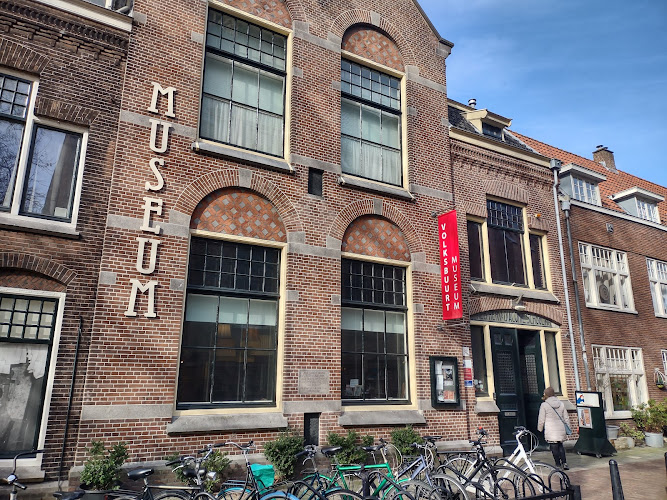
Dutch Museum of working-class districts
About Dutch Museum of working-class districts
Description
The Dutch Museum of Working-Class Districts in Utrecht, also known locally as the Volksbuurtmuseum, is one of those places that quietly surprise you. It’s not a grand museum filled with gold frames or marble floors, but something far more intimate and human. Housed in a former school building, the museum captures the grit, humor, and resilience of everyday people who built the city’s soul during the 19th and 20th centuries.
Walking through its modest halls feels like stepping into a time capsule. There’s the smell of old wood, the creak of the floorboards, and the faint hum of stories waiting to be told. You’ll find rooms recreated from working-class homes—tiny kitchens with enamel pots, cramped bedrooms where entire families once slept, and handwritten letters that speak volumes about love, hardship, and community spirit. It’s the kind of place that doesn’t just show history; it lets you feel it.
What makes this museum special is how personal it feels. It’s less about statistics and more about people—their laughter, their struggles, and their small victories. You can almost imagine the clatter of clogs on cobblestones outside or hear the chatter of neighbors sharing gossip over a fence. The exhibits don’t shy away from the tough stuff either—poverty, overcrowding, and social inequality—but they balance it with warmth and humor.
I remember the first time I visited; I ended up chatting with one of the guides for nearly half an hour about how families managed during wartime shortages. She told me stories passed down from her grandmother, and honestly, I left feeling like I’d just met a dozen new friends from another era. That’s the magic of this place—it’s not just a museum; it’s a conversation with history.
For travelers who like to go beyond the postcard version of the Netherlands, this museum is a gem. It’s humble, authentic, and deeply human. And if you’re the kind of person who values real stories over polished displays, you’ll probably love it here.
Key Features
- Authentic reconstructions of 19th and 20th-century working-class homes and streetscapes.
- Interactive exhibits that let you experience daily life in Utrecht’s old neighborhoods.
- Guided tours led by passionate storytellers who bring the past vividly to life.
- Wheelchair-accessible restrooms and a cozy on-site café for a relaxing break.
- Family-friendly environment with engaging displays for children.
- Inclusive and LGBTQ+ friendly space that welcomes all visitors.
- Temporary exhibitions exploring themes like labor, housing, and social change.
One of the best things about the museum is how it manages to keep everything approachable. The exhibits are detailed but never overwhelming, and the staff have a knack for making history feel personal. You can tell that they care deeply about preserving these stories—and it shows in every corner.
Best Time to Visit
If you want to enjoy the museum without the crowds, weekdays in the late morning tend to be the quietest. The atmosphere feels almost meditative then, perfect for wandering at your own pace. Weekends, on the other hand, bring a livelier energy—especially when families and local groups drop by.
Spring and autumn are particularly lovely times to visit Utrecht in general. The weather is mild, and the nearby canals are lined with trees that change color beautifully. After exploring the museum, you can stroll through the surrounding streets, which still carry traces of the old working-class neighborhoods the exhibits talk about.
That said, there’s really no “bad” time to visit. Even on a rainy day, the museum offers a cozy refuge. In fact, there’s something quite fitting about hearing raindrops against the old windows while reading about families who once lived through much tougher conditions.
How to Get There
Reaching the museum is straightforward. Utrecht’s city center is compact, and most attractions—including this one—are within walking distance of the main train station. If you prefer public transport, several local buses stop nearby, and cycling is always an easy option (this is the Netherlands, after all).
For those driving, parking can be tricky in the old parts of the city, so it’s best to use one of the park-and-ride facilities on the outskirts and hop on a bus or tram. Personally, I’d recommend walking—it’s the best way to soak up the city’s atmosphere and discover small cafés and shops along the way.
The museum’s location in one of Utrecht’s older districts adds to its charm. You’ll pass by narrow streets, historic façades, and maybe even hear church bells in the distance. It’s all part of the experience.
Tips for Visiting
A few small suggestions can make your visit even more enjoyable:
- Take your time. This isn’t a museum to rush through. Pause, read the stories, and let the atmosphere sink in.
- Join a guided tour. The guides are locals who know the history inside out and love sharing personal anecdotes. It adds so much depth.
- Grab a coffee at the café. It’s small but charming, and a great spot to reflect on what you’ve seen.
- Bring kids. The museum does a great job keeping younger visitors engaged with interactive displays and storytelling corners.
- Visit nearby attractions. After your visit, explore the surrounding area—it’s full of local character and small eateries worth checking out.
- Accessibility note: The museum has wheelchair-accessible restrooms, though parking nearby can be limited, so plan ahead if needed.
Here’s a little personal tip: bring a notebook or use your phone to jot down some of the quotes or stories you come across. Some of them are truly moving—tiny snapshots of humanity that stay with you long after you’ve left.
And if you’re into photography, this place is a quiet dream. The lighting, the textures, the old furniture—it all begs to be captured. Just be respectful of other visitors and check if photography is allowed in certain rooms.
Above all, go with an open mind. The Dutch Museum of Working-Class Districts isn’t flashy or grand, but it’s real. It’s a reminder that history isn’t only about kings and battles—it’s about people like you and me, trying to make a life, raise families, and find joy in small things. That’s what makes it worth your time.
So, if you’re planning a trip to Utrecht and want to experience something genuine, this museum should be high on your list. It’s a beautiful tribute to ordinary lives that shaped an extraordinary city.
Key Features
- Authentic reconstructions of 19th and 20th-century working-class homes and streetscapes.
- Interactive exhibits that let you experience daily life in Utrecht’s old neighborhoods.
- Guided tours led by passionate storytellers who bring the past vividly to life.
- Wheelchair-accessible restrooms and a cozy on-site café for a relaxing break.
- Family-friendly environment with engaging displays for children.
- Inclusive and LGBTQ+ friendly space that welcomes all visitors.
- Temporary exhibitions exploring themes like labor, housing, and social change.
More Details
Updated December 1, 2025
Table of Contents
- Description
- Key Features
- Best Time to Visit
- How to Get There
- Tips for Visiting
- Key Highlights
- Location
- Places to Stay Near Dutch Museum of working-class districts
- Find and Book a Tour
- Explore More Travel Guides
- Nearby Places You Might Like
- Traveler Reviews for Dutch Museum of working-class districts
- Share Your Experience
Description
The Dutch Museum of Working-Class Districts in Utrecht, also known locally as the Volksbuurtmuseum, is one of those places that quietly surprise you. It’s not a grand museum filled with gold frames or marble floors, but something far more intimate and human. Housed in a former school building, the museum captures the grit, humor, and resilience of everyday people who built the city’s soul during the 19th and 20th centuries.
Walking through its modest halls feels like stepping into a time capsule. There’s the smell of old wood, the creak of the floorboards, and the faint hum of stories waiting to be told. You’ll find rooms recreated from working-class homes—tiny kitchens with enamel pots, cramped bedrooms where entire families once slept, and handwritten letters that speak volumes about love, hardship, and community spirit. It’s the kind of place that doesn’t just show history; it lets you feel it.
What makes this museum special is how personal it feels. It’s less about statistics and more about people—their laughter, their struggles, and their small victories. You can almost imagine the clatter of clogs on cobblestones outside or hear the chatter of neighbors sharing gossip over a fence. The exhibits don’t shy away from the tough stuff either—poverty, overcrowding, and social inequality—but they balance it with warmth and humor.
I remember the first time I visited; I ended up chatting with one of the guides for nearly half an hour about how families managed during wartime shortages. She told me stories passed down from her grandmother, and honestly, I left feeling like I’d just met a dozen new friends from another era. That’s the magic of this place—it’s not just a museum; it’s a conversation with history.
For travelers who like to go beyond the postcard version of the Netherlands, this museum is a gem. It’s humble, authentic, and deeply human. And if you’re the kind of person who values real stories over polished displays, you’ll probably love it here.
Key Features
- Authentic reconstructions of 19th and 20th-century working-class homes and streetscapes.
- Interactive exhibits that let you experience daily life in Utrecht’s old neighborhoods.
- Guided tours led by passionate storytellers who bring the past vividly to life.
- Wheelchair-accessible restrooms and a cozy on-site café for a relaxing break.
- Family-friendly environment with engaging displays for children.
- Inclusive and LGBTQ+ friendly space that welcomes all visitors.
- Temporary exhibitions exploring themes like labor, housing, and social change.
One of the best things about the museum is how it manages to keep everything approachable. The exhibits are detailed but never overwhelming, and the staff have a knack for making history feel personal. You can tell that they care deeply about preserving these stories—and it shows in every corner.
Best Time to Visit
If you want to enjoy the museum without the crowds, weekdays in the late morning tend to be the quietest. The atmosphere feels almost meditative then, perfect for wandering at your own pace. Weekends, on the other hand, bring a livelier energy—especially when families and local groups drop by.
Spring and autumn are particularly lovely times to visit Utrecht in general. The weather is mild, and the nearby canals are lined with trees that change color beautifully. After exploring the museum, you can stroll through the surrounding streets, which still carry traces of the old working-class neighborhoods the exhibits talk about.
That said, there’s really no “bad” time to visit. Even on a rainy day, the museum offers a cozy refuge. In fact, there’s something quite fitting about hearing raindrops against the old windows while reading about families who once lived through much tougher conditions.
How to Get There
Reaching the museum is straightforward. Utrecht’s city center is compact, and most attractions—including this one—are within walking distance of the main train station. If you prefer public transport, several local buses stop nearby, and cycling is always an easy option (this is the Netherlands, after all).
For those driving, parking can be tricky in the old parts of the city, so it’s best to use one of the park-and-ride facilities on the outskirts and hop on a bus or tram. Personally, I’d recommend walking—it’s the best way to soak up the city’s atmosphere and discover small cafés and shops along the way.
The museum’s location in one of Utrecht’s older districts adds to its charm. You’ll pass by narrow streets, historic façades, and maybe even hear church bells in the distance. It’s all part of the experience.
Tips for Visiting
A few small suggestions can make your visit even more enjoyable:
- Take your time. This isn’t a museum to rush through. Pause, read the stories, and let the atmosphere sink in.
- Join a guided tour. The guides are locals who know the history inside out and love sharing personal anecdotes. It adds so much depth.
- Grab a coffee at the café. It’s small but charming, and a great spot to reflect on what you’ve seen.
- Bring kids. The museum does a great job keeping younger visitors engaged with interactive displays and storytelling corners.
- Visit nearby attractions. After your visit, explore the surrounding area—it’s full of local character and small eateries worth checking out.
- Accessibility note: The museum has wheelchair-accessible restrooms, though parking nearby can be limited, so plan ahead if needed.
Here’s a little personal tip: bring a notebook or use your phone to jot down some of the quotes or stories you come across. Some of them are truly moving—tiny snapshots of humanity that stay with you long after you’ve left.
And if you’re into photography, this place is a quiet dream. The lighting, the textures, the old furniture—it all begs to be captured. Just be respectful of other visitors and check if photography is allowed in certain rooms.
Above all, go with an open mind. The Dutch Museum of Working-Class Districts isn’t flashy or grand, but it’s real. It’s a reminder that history isn’t only about kings and battles—it’s about people like you and me, trying to make a life, raise families, and find joy in small things. That’s what makes it worth your time.
So, if you’re planning a trip to Utrecht and want to experience something genuine, this museum should be high on your list. It’s a beautiful tribute to ordinary lives that shaped an extraordinary city.
Key Highlights
- Authentic reconstructions of 19th and 20th-century working-class homes and streetscapes.
- Interactive exhibits that let you experience daily life in Utrecht’s old neighborhoods.
- Guided tours led by passionate storytellers who bring the past vividly to life.
- Wheelchair-accessible restrooms and a cozy on-site café for a relaxing break.
- Family-friendly environment with engaging displays for children.
- Inclusive and LGBTQ+ friendly space that welcomes all visitors.
- Temporary exhibitions exploring themes like labor, housing, and social change.
Location
Places to Stay Near Dutch Museum of working-class districts
Find and Book a Tour
Explore More Travel Guides
No reviews found! Be the first to review!
Traveler Reviews for Dutch Museum of working-class districts
There are no reviews yet. Be the first one to write one.
Have you visited Dutch Museum of working-class districts? Help other travelers by sharing your review.
Find Accommodations Nearby
Recommended Tours & Activities
Visitor Reviews
There are no reviews yet. Be the first one to write one.
Share Your Experience
Have you visited Dutch Museum of working-class districts? Help other travelers by leaving a review.