Tourist attraction 4.5 West Bandung Regency, IndonesiaCommunity Guide

Dusun Bambu

Jl. Kolonel Masturi No.KM. 11, Kertawangi, Kec. Cisarua, Kabupaten Bandung Barat, Jawa Barat 40551, Indonesia

Dusun Bambu
104,999 Photos

About & Overview

Description

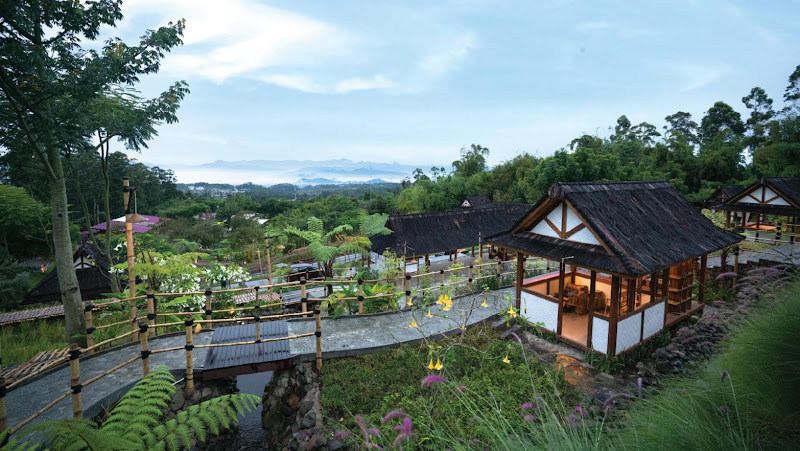
Perched on the cool slopes of Mount Burangrang in West Bandung Regency, Dusun Bambu is a thoughtfully crafted leisure park that blends Sundanese culture, eco-friendly design, and family-focused recreation. Opened by local entrepreneurs who transformed former farmland into a sustainable tourism village, the site showcases bamboo architecture, terraced gardens, and peaceful lakeside settings that feel both curated and authentic. Visitors can wander winding paths past traditional saung (pavilions), dine in lakeside restaurants serving Sundanese cuisine, meet small farm animals, or relax in glamping tents and villas that take advantage of the crisp highland air. What makes Dusun Bambu special is its mix of natural scenery, cultural details and accessible facilities—ideal for families, photographers, and couples seeking an easy escape from Bandung city. It’s also a small-scale model of community-based tourism: local crafts, food stalls and guided activities highlight regional traditions while emphasizing sustainable practices. A visit offers a pleasant combination of outdoor activity, cultural immersion and slow-paced relaxation in West Java’s refreshing uplands.

Highlights & Key Features

  • Bamboo and Sundanese-inspired architecture
  • Terraced gardens and lakes with lakeside dining
  • Family-friendly attractions: playgrounds, rabbit enclosure, mini shuttle
  • Glamping, villas and on-site accommodation options
  • Eco-tourism focus with local food stalls and craft vendors

Visitor Guide & Information

Description

Dusun Bambu stands as one of West Java’s most talked-about outdoor recreation destinations, combining natural beauty with thoughtfully designed Sundanese cultural elements. Located in the cooler highlands, this sprawling complex has transformed what was once simple farmland into a multi-faceted attraction that draws families, couples, and solo travelers looking for an escape from the concrete jungle of nearby cities.

The property itself is quite something to behold – terraced rice paddies cascade down hillsides, man-made lakes reflect the surrounding greenery, and traditional bamboo structures dot the landscape. But what really sets this place apart is how it manages to be several things at once without feeling scattered or unfocused. You’ve got camping areas for the adventurous, restaurant pavilions for the foodies, bike paths for the active types, and quiet corners for those who just want to sit and breathe fresh mountain air.

I’ll be honest though – this isn’t some untouched wilderness experience. Dusun Bambu is designed, curated, and quite commercialized. And that’s not necessarily a bad thing. The infrastructure here is solid, the facilities are well-maintained (mostly), and there’s actual thought put into how spaces flow from one to another. The Sundanese architectural touches aren’t just slapped on for show either. The bamboo constructions, the traditional joglo-style buildings, and the way pathways wind through the property all feel relatively authentic to the region’s heritage.

What strikes most visitors first is the sheer photogenic quality of everything. Those Instagram photos you’ve probably seen? They’re real, though getting that perfect shot might require some patience and strategic timing to avoid the crowds. The lakes are particularly popular spots, with their bamboo rafts and mountain backdrops creating postcard-worthy scenes.

Key Features

The range of activities and facilities at Dusun Bambu can actually be a bit overwhelming if you’re trying to plan your visit, so here’s what you’re working with:

  • Multiple themed restaurants serving traditional Sundanese cuisine alongside international options, each with its own architectural style and ambiance
  • Terraced rice paddies that remain working agricultural spaces while also serving as scenic backdrops throughout the property
  • Several lakes offering paddle boat rentals and waterfront dining experiences
  • Designated camping zones with varying levels of amenities, from basic tent sites to more comfortable glamping-style accommodations
  • Bike rental facilities with paths winding through different sections of the park
  • Playground areas specifically designed for children, making this genuinely family-friendly
  • Resort hotel accommodations for those wanting to extend their stay beyond a day trip
  • Traditional bamboo pavilions available for events, gatherings, or simply relaxing
  • Photography zones deliberately created for that perfect shot – they know what people come here for
  • Accessibility features including wheelchair-accessible entrances, parking, restrooms, and seating areas
  • Free Wi-Fi throughout most of the property, though connection quality varies
  • On-site services including activities coordination and event planning

The variety here means you could honestly spend a full day exploring without hitting everything. Some folks make it a weekend thing, especially if they’re camping or staying at the hotel.

Best Time to Visit

Timing your visit to Dusun Bambu can make the difference between a pleasant outing and a frustrating experience fighting crowds for every photo opportunity and restaurant table.

Weekdays are undoubtedly your best bet if you have that flexibility. The difference between a Tuesday afternoon and a Saturday is honestly night and day. During the week, you’ll actually be able to enjoy the peaceful atmosphere that the place is designed to provide. The rice terraces aren’t swarming with tour groups, the restaurants have available tables, and you can take your time wandering the bike paths without constantly dodging other visitors.

But let’s be realistic – most people visit on weekends. If that’s your only option, get there early. I mean really early, like right when they open. Late afternoons can also work since many day-trippers start heading out, though you’ll lose some of that perfect lighting for photos.

Weather-wise, the dry season from May through September generally offers the most reliable conditions. The highland location means temperatures stay relatively cool year-round, which is part of the appeal. However, this also means mornings and evenings can get quite chilly, especially during June and July. Bring a light jacket even if it seems warm when you leave home.

The rainy season from October through April brings its own charm – everything turns extra green, and those misty mountain mornings create an almost ethereal atmosphere. Just prepare for potential afternoon downpours and muddy paths. The rain also means fewer crowds, which might be worth the trade-off for some travelers.

Holiday periods and long weekends are absolutely packed. Indonesian school holidays, Lebaran, Christmas, and New Year see visitor numbers spike dramatically. Unless you thrive in crowded environments, mark these periods to avoid on your calendar.

Rice planting and harvesting seasons offer unique visual experiences if you’re interested in agricultural tourism aspects. The terraces look different throughout the year, and there’s something special about seeing the actual farming work happening rather than just enjoying the scenery.

How to Get There

Getting to Dusun Bambu requires some planning since it’s not exactly on a main transportation route, but it’s definitely doable through several methods.

Most international travelers will be coming from Bandung, which is the nearest major city. From Bandung city center, you’re looking at roughly 45 minutes to an hour drive depending on traffic conditions. The route takes you north toward Lembang, a popular highland resort area. If you’re driving yourself or using a rental car, navigation apps work well in this area and will get you there without too much confusion.

Private car hire is probably the most convenient option, especially if you’re traveling as a group. You can arrange this through your hotel or various transportation apps available in Indonesia. The cost gets pretty reasonable when split among several people, and you have the flexibility to stay as long as you want without worrying about return schedules.

Ride-hailing services like Gojek and Grab operate in this area, though availability can be spotty once you’re actually at Dusun Bambu trying to get back. Make sure you have backup plans or negotiate with your driver to return at a specific time.

Public transportation exists but requires patience and probably some willingness to get a bit lost along the way. Angkot (public minivans) run from Bandung toward Lembang, but you’ll likely need to combine multiple routes and possibly finish with an ojek (motorcycle taxi) for the final stretch. This adventure works for budget travelers who speak some Indonesian and enjoy the journey as much as the destination.

Organized tours from Bandung frequently include Dusun Bambu as part of Lembang area itineraries. These package deals handle all logistics but obviously come with time constraints and usually involve other stops you may or may not care about.

Parking at the facility itself is available with paid lots that can accommodate both cars and buses. On busy weekends, arrive early or face potentially long walks from distant parking areas.

Tips for Visiting

After hearing from numerous travelers who’ve visited, here are some practical insights that’ll help you make the most of your time at Dusun Bambu.

Budget more than you initially think you’ll need. While the entrance fee is reasonable, costs add up quickly once you factor in restaurant meals, activity rentals, and parking. The food is generally decent quality but priced at tourist-attraction levels rather than local warung prices. Bringing some of your own snacks isn’t a bad idea, though you’ll want to eat at least one meal there to experience the unique dining settings.

Wear comfortable walking shoes – and I mean actually comfortable, not just cute shoes you convince yourself are walkable. The property is extensive, paths can be uneven, and you’ll be on your feet more than you probably anticipate. Those rice terrace photo ops often involve navigating slightly muddy or slippery paths.

Book hotel accommodations well in advance if you’re planning to stay overnight. The resort fills up quickly, especially during peak seasons. Check-in time is 2:00 PM and check-out is noon, pretty standard but worth noting for planning purposes.

Download entertainment or work offline before arriving if you’re counting on that free Wi-Fi. Yes, it exists, but connection quality varies significantly depending on where you are on the property and how many people are trying to use it simultaneously.

For families with young children, this place actually delivers on being kid-friendly. The playgrounds are well-designed, the camping experience is manageable even with little ones, and restaurants can handle birthday party bookings. Just keep close watch near the lake areas since safety barriers aren’t always where you might expect them.

Photographers should bring whatever gear you’ve got. The morning golden hour is particularly magical with mist rolling across the rice terraces. But honestly, even smartphone cameras capture decent shots here – the scenery does most of the work for you.

The camping experience ranges from bring-your-own-tent basic to pre-set-up glamping options. If you’re not an experienced camper, the glamping route removes much of the hassle while still giving you that outdoor overnight experience. Nights get genuinely cold though, so pack accordingly regardless of which camping option you choose.

Payment options are modern and convenient with credit cards, debit cards, and mobile payments accepted throughout the property. Still, carrying some cash never hurts in Indonesia.

Restaurant reservations aren’t formally required but calling ahead for weekend visits, especially if you have a larger group, saves frustration. Each dining venue has a different vibe – some overlook the lakes, others nestle among bamboo groves, so research which setting appeals most to you.

Don’t try to do everything in a single day trip unless you’re the super-efficient planner type. It’s better to select a few activities or areas and actually enjoy them rather than rushing around trying to tick every box. This isn’t a checklist destination; it’s meant to be a place where you slow down a bit.

The accessibility features are genuinely functional, not just token gestures. Wheelchair users can navigate most main areas, though some of the more remote rice terrace viewpoints remain challenging.

And finally – manage your expectations. Dusun Bambu is beautiful, well-designed, and offers a pleasant escape from urban environments. But it’s also popular, commercial, and can feel a bit manufactured compared to truly wild natural spaces. If you approach it as a well-executed theme park experience celebrating Sundanese culture and highland scenery rather than an authentic wilderness adventure, you’ll probably leave happy.

Community & Insider Notes

Last modified March 30, 2026

Description

Dusun Bambu stands as one of West Java’s most talked-about outdoor recreation destinations, combining natural beauty with thoughtfully designed Sundanese cultural elements. Located in the cooler highlands, this sprawling complex has transformed what was once simple farmland into a multi-faceted attraction that draws families, couples, and solo travelers looking for an escape from the concrete jungle of nearby cities.

The property itself is quite something to behold – terraced rice paddies cascade down hillsides, man-made lakes reflect the surrounding greenery, and traditional bamboo structures dot the landscape. But what really sets this place apart is how it manages to be several things at once without feeling scattered or unfocused. You’ve got camping areas for the adventurous, restaurant pavilions for the foodies, bike paths for the active types, and quiet corners for those who just want to sit and breathe fresh mountain air.

I’ll be honest though – this isn’t some untouched wilderness experience. Dusun Bambu is designed, curated, and quite commercialized. And that’s not necessarily a bad thing. The infrastructure here is solid, the facilities are well-maintained (mostly), and there’s actual thought put into how spaces flow from one to another. The Sundanese architectural touches aren’t just slapped on for show either. The bamboo constructions, the traditional joglo-style buildings, and the way pathways wind through the property all feel relatively authentic to the region’s heritage.

What strikes most visitors first is the sheer photogenic quality of everything. Those Instagram photos you’ve probably seen? They’re real, though getting that perfect shot might require some patience and strategic timing to avoid the crowds. The lakes are particularly popular spots, with their bamboo rafts and mountain backdrops creating postcard-worthy scenes.

Key Features

The range of activities and facilities at Dusun Bambu can actually be a bit overwhelming if you’re trying to plan your visit, so here’s what you’re working with:

  • Multiple themed restaurants serving traditional Sundanese cuisine alongside international options, each with its own architectural style and ambiance
  • Terraced rice paddies that remain working agricultural spaces while also serving as scenic backdrops throughout the property
  • Several lakes offering paddle boat rentals and waterfront dining experiences
  • Designated camping zones with varying levels of amenities, from basic tent sites to more comfortable glamping-style accommodations
  • Bike rental facilities with paths winding through different sections of the park
  • Playground areas specifically designed for children, making this genuinely family-friendly
  • Resort hotel accommodations for those wanting to extend their stay beyond a day trip
  • Traditional bamboo pavilions available for events, gatherings, or simply relaxing
  • Photography zones deliberately created for that perfect shot – they know what people come here for
  • Accessibility features including wheelchair-accessible entrances, parking, restrooms, and seating areas
  • Free Wi-Fi throughout most of the property, though connection quality varies
  • On-site services including activities coordination and event planning

The variety here means you could honestly spend a full day exploring without hitting everything. Some folks make it a weekend thing, especially if they’re camping or staying at the hotel.

Best Time to Visit

Timing your visit to Dusun Bambu can make the difference between a pleasant outing and a frustrating experience fighting crowds for every photo opportunity and restaurant table.

Weekdays are undoubtedly your best bet if you have that flexibility. The difference between a Tuesday afternoon and a Saturday is honestly night and day. During the week, you’ll actually be able to enjoy the peaceful atmosphere that the place is designed to provide. The rice terraces aren’t swarming with tour groups, the restaurants have available tables, and you can take your time wandering the bike paths without constantly dodging other visitors.

But let’s be realistic – most people visit on weekends. If that’s your only option, get there early. I mean really early, like right when they open. Late afternoons can also work since many day-trippers start heading out, though you’ll lose some of that perfect lighting for photos.

Weather-wise, the dry season from May through September generally offers the most reliable conditions. The highland location means temperatures stay relatively cool year-round, which is part of the appeal. However, this also means mornings and evenings can get quite chilly, especially during June and July. Bring a light jacket even if it seems warm when you leave home.

The rainy season from October through April brings its own charm – everything turns extra green, and those misty mountain mornings create an almost ethereal atmosphere. Just prepare for potential afternoon downpours and muddy paths. The rain also means fewer crowds, which might be worth the trade-off for some travelers.

Holiday periods and long weekends are absolutely packed. Indonesian school holidays, Lebaran, Christmas, and New Year see visitor numbers spike dramatically. Unless you thrive in crowded environments, mark these periods to avoid on your calendar.

Rice planting and harvesting seasons offer unique visual experiences if you’re interested in agricultural tourism aspects. The terraces look different throughout the year, and there’s something special about seeing the actual farming work happening rather than just enjoying the scenery.

How to Get There

Getting to Dusun Bambu requires some planning since it’s not exactly on a main transportation route, but it’s definitely doable through several methods.

Most international travelers will be coming from Bandung, which is the nearest major city. From Bandung city center, you’re looking at roughly 45 minutes to an hour drive depending on traffic conditions. The route takes you north toward Lembang, a popular highland resort area. If you’re driving yourself or using a rental car, navigation apps work well in this area and will get you there without too much confusion.

Private car hire is probably the most convenient option, especially if you’re traveling as a group. You can arrange this through your hotel or various transportation apps available in Indonesia. The cost gets pretty reasonable when split among several people, and you have the flexibility to stay as long as you want without worrying about return schedules.

Ride-hailing services like Gojek and Grab operate in this area, though availability can be spotty once you’re actually at Dusun Bambu trying to get back. Make sure you have backup plans or negotiate with your driver to return at a specific time.

Public transportation exists but requires patience and probably some willingness to get a bit lost along the way. Angkot (public minivans) run from Bandung toward Lembang, but you’ll likely need to combine multiple routes and possibly finish with an ojek (motorcycle taxi) for the final stretch. This adventure works for budget travelers who speak some Indonesian and enjoy the journey as much as the destination.

Organized tours from Bandung frequently include Dusun Bambu as part of Lembang area itineraries. These package deals handle all logistics but obviously come with time constraints and usually involve other stops you may or may not care about.

Parking at the facility itself is available with paid lots that can accommodate both cars and buses. On busy weekends, arrive early or face potentially long walks from distant parking areas.

Tips for Visiting

After hearing from numerous travelers who’ve visited, here are some practical insights that’ll help you make the most of your time at Dusun Bambu.

Budget more than you initially think you’ll need. While the entrance fee is reasonable, costs add up quickly once you factor in restaurant meals, activity rentals, and parking. The food is generally decent quality but priced at tourist-attraction levels rather than local warung prices. Bringing some of your own snacks isn’t a bad idea, though you’ll want to eat at least one meal there to experience the unique dining settings.

Wear comfortable walking shoes – and I mean actually comfortable, not just cute shoes you convince yourself are walkable. The property is extensive, paths can be uneven, and you’ll be on your feet more than you probably anticipate. Those rice terrace photo ops often involve navigating slightly muddy or slippery paths.

Book hotel accommodations well in advance if you’re planning to stay overnight. The resort fills up quickly, especially during peak seasons. Check-in time is 2:00 PM and check-out is noon, pretty standard but worth noting for planning purposes.

Download entertainment or work offline before arriving if you’re counting on that free Wi-Fi. Yes, it exists, but connection quality varies significantly depending on where you are on the property and how many people are trying to use it simultaneously.

For families with young children, this place actually delivers on being kid-friendly. The playgrounds are well-designed, the camping experience is manageable even with little ones, and restaurants can handle birthday party bookings. Just keep close watch near the lake areas since safety barriers aren’t always where you might expect them.

Photographers should bring whatever gear you’ve got. The morning golden hour is particularly magical with mist rolling across the rice terraces. But honestly, even smartphone cameras capture decent shots here – the scenery does most of the work for you.

The camping experience ranges from bring-your-own-tent basic to pre-set-up glamping options. If you’re not an experienced camper, the glamping route removes much of the hassle while still giving you that outdoor overnight experience. Nights get genuinely cold though, so pack accordingly regardless of which camping option you choose.

Payment options are modern and convenient with credit cards, debit cards, and mobile payments accepted throughout the property. Still, carrying some cash never hurts in Indonesia.

Restaurant reservations aren’t formally required but calling ahead for weekend visits, especially if you have a larger group, saves frustration. Each dining venue has a different vibe – some overlook the lakes, others nestle among bamboo groves, so research which setting appeals most to you.

Don’t try to do everything in a single day trip unless you’re the super-efficient planner type. It’s better to select a few activities or areas and actually enjoy them rather than rushing around trying to tick every box. This isn’t a checklist destination; it’s meant to be a place where you slow down a bit.

The accessibility features are genuinely functional, not just token gestures. Wheelchair users can navigate most main areas, though some of the more remote rice terrace viewpoints remain challenging.

And finally – manage your expectations. Dusun Bambu is beautiful, well-designed, and offers a pleasant escape from urban environments. But it’s also popular, commercial, and can feel a bit manufactured compared to truly wild natural spaces. If you approach it as a well-executed theme park experience celebrating Sundanese culture and highland scenery rather than an authentic wilderness adventure, you’ll probably leave happy.

Key Highlights

  • Bamboo and Sundanese-inspired architecture
  • Terraced gardens and lakes with lakeside dining
  • Family-friendly attractions: playgrounds, rabbit enclosure, mini shuttle
  • Glamping, villas and on-site accommodation options
  • Eco-tourism focus with local food stalls and craft vendors

Location

Places to Stay Near Dusun Bambu

Find and Book a Tour

Explore More Travel Guides

No reviews found! Be the first to review!

Select a Rating5 Stars4 Stars3 Stars2 Stars1 Star

Dusun Bambu is a prominent attractions located in West Bandung Regency.

Visit us at: Jl. Kolonel Masturi No.KM. 11, Kertawangi, Kec. Cisarua, Kabupaten Bandung Barat, Jawa Barat 40551, Indonesia.

Nearby Attractions (Within 5 km)

Explore verified points of interest within walking or short transit distance.

No neighboring places mapped within 5 km yet.

Find Places to Stay Nearby

Stay22 provides this accommodation search. We may earn a commission if you book through it; verify current prices and terms with the provider.

Recommended Experiences & Activities

GetYourGuide provides this tour inventory. We may earn a commission if you book through it; verify current availability, prices, and terms with the provider.

Top Viator Experiences & Guided Tours in West Bandung Regency

We may earn a commission if you book through links on this page at no extra cost to you. All tours feature verified customer reviews and flexible cancellation options.

Traveler Reviews & Community Q&A

No traveler reviews yet. Share your experience below!

No traveler questions yet. Be the first to ask a local!

Real Journey Travels Community