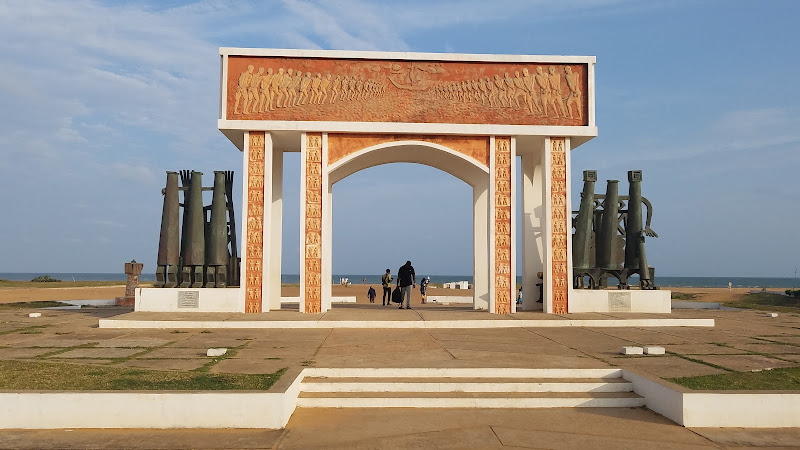
Door of Non Return of Benin
About Door of Non Return of Benin
Description
You can sense the weight of history the moment you approach the Door of Non Return in Ouidah, Benin, which frankly isn’t your typical beachside attraction. It stands within sight of the rolling Atlantic—a monumental archway casting long shadows onto the sand, a solemn symbol commemorating the millions of Africans forced into slavery centuries ago. In all honesty, it's hard to describe the feeling when you stand under that arch, looking out to sea, knowing so many never came back. But I’ll tell you: sometimes it’s good to let these emotions settle, rather than rush on to the next Instagram spot.
What sets this site apart isn’t just the heavy past, but also how the energy of remembrance and resilience infuses every part of the memorial. Built as a collaboration between Beninese and international artists, the Door itself is adorned with symbolic reliefs and carvings—if you’re into art or just like to ponder symbolic imagery, you’ll really want to spend some time soaking that in. The walkway that leads you up to the memorial, known as the Route des Esclaves (Slave Route), runs a couple kilometers from Ouidah town center to the shore, dotted with evocative sculptures and historical markers along the way.
It’s not all somber, though. There’s always a ripple of humanity here—tour guides weaving local stories, flocks of school kids, the occasional art student sketching the arch. The atmosphere somehow manages to be profoundly respectful and oddly peaceful at the same time. Oh, and don’t be surprised if you spot visitors pausing for a quiet moment or even leaving small tokens in remembrance. I found it grounding—far from the noise of city life. Plus, the memorial is women-owned and actively upholds inclusivity and accessibility, which honestly you don’t see everywhere in West Africa.
Key Features
- Monumental Archway: The Door itself is a nearly 20-foot-high concrete and bronze structure facing the Atlantic, an unmissable photo op with a heavy backstory.
- Iconic Artistic Reliefs: The arch is etched with dramatic relief panels depicting the sorrow and courage of the enslaved—a real feast for art lovers, or anyone who likes to look deeper.
- Walking Route: Because the memorial marks the endpoint of the Route des Esclaves, you can actually retrace the historic path from Ouidah’s former slave market right to the ocean.
- Guided Tours: Local guides (many multilingual) are available, and I can vouch for their passion. You’ll get the grim details, but also personal and community stories you won’t find in guidebooks.
- Interpretive Panels: Informational plaques and signs (some in French and English) help contextualize what you’re seeing so you’re not lost if your French isn’t quite up to scratch—don’t worry, you’re not alone there!
- Accessibility: Wheelchair-friendly entrance, restrooms, seating, and parking mean you won’t have to worry about accessibility details—a real stress saver for many travelers.
- Free and Paid Parking: Whether you’re traveling on a shoestring or prefer paying for convenience, there are multiple parking options nearby. Who doesn’t appreciate choice?
- Gender-Neutral Restrooms: Inclusive amenities are standard here, which just makes for a kinder and more relaxed visit—no fuss, no judgment.
- Safe, Respectful Space: Recognized as a transgender safe space, the memorial makes a conscious effort to promote a respectful and embracing environment.
Best Time to Visit
Let’s be real: Benin may not be on everyone’s travel radar, but timing your visit can really make all the difference—especially if you want to avoid melting under the West African sun. The most comfortable window is from November to February, when harmattan winds from the north bring cooler, drier air. You’ll find the light softer and the temperatures surprisingly pleasant for walking the beach and Route des Esclaves on foot.
I once accidentally turned up during the rainy season (April to July and a shorter burst in September)—and trust me, slogging through deep sand in soggy sneakers was not the ideal pilgrimage experience. The walk gets muddy and the clouds block the best photo angles. Not the worst thing in the world, but honestly, the dry months make everything easier and more photogenic.
If you’re a festival junkie, time your trip around January—Ouidah’s annual Voodoo Festival happens then. The crowds swell, the town pulses with color and drums. It’s intense, in a good way, but plan ahead if you value a more contemplative visit (or if you hate crowds, like my friend Peter who basically turns into a hermit at festivals). Weekdays and early mornings are your best bet for quiet reflection and sunset snaps without the photobombers.
How to Get There
The Door of Non Return sits a few kilometers west of Ouidah’s compact town center, and yes—you’ll probably still want Google Maps on hand or, better yet, a chatty moto-taxi driver. From Cotonou, Benin’s largest city and primary international gateway, it’s about a 40 km drive—give or take an hour, depending on traffic, potholes, and your appetite for roadside snacks. Taxis (private or shared) run regularly, or you can join an organized day tour for peace of mind. And for the bold: shared minibuses (bush taxis) are cheap but often lively—for better or worse!
Plenty of visitors opt to walk the last stretch of the Route des Esclaves, soaking up the history at their own pace. There’s something strangely meditative about treading those footsteps, the sense of moving from the bustle of the markets through quiet groves to open, salty air. If you’re feeling energetic, I absolutely recommend the walk—just bring water, sunscreen, and an open mind.
For those with mobility needs, accessible parking is offered nearby, and paved paths lead to the memorial itself. If you’re self-driving, aim for the free or paid lots; you’ll be grateful not to have to circle for street parking under the midday sun. Don’t underestimate Benin’s heat or humidity, even in the dry season—a hat and water bottle are your best friends here, and I’m speaking from hard-earned (and sweaty) experience.
Tips for Visiting
My top advice: take your time. The Door of Non Return isn’t just a checkmark on a travel itinerary—it invites reflection. Sit quietly on the low walls and stare out to the place where land surrenders to sea. You might find the stories, the whispers of the past, hit you in unexpected ways.
- Dress respectfully: Lightweight, breathable clothes are smart, but so are covered shoulders and knees—local customs lean toward modesty, especially during festival times.
- Bring cash: Some guides, vendors, and toilets may accept only CFA francs. A small tip can go a long way to make someone’s day.
- Photography: Photos are totally fine outside, but for portraits, always ask before snapping a shot of someone—locals appreciate the respect.
- Hiring a guide: Even if you don’t usually, I genuinely recommend it here. You’ll get so much more than dates and numbers—a sense of living history, plus a few jokes and legends thrown in.
- Sun protection: Hats, sunscreen, sunglasses—the works. The Beninese sun can be fierce and, take it from me, a sunburned scalp is not a fun souvenir.
- Water and Snacks: In peak hours, there aren’t many vendors right by the memorial, so bring your own. Hydration is key, and hangriness will not improve your experience—trust me.
- Accessibility: If you or someone in your group uses a wheelchair or stroller, rest easy knowing the entrance, restrooms, parking, and some pathways are accessible.
- Timing: Early mornings and late afternoons are cooler and less crowded—a blessing if you prefer your history lesson in relative peace.
- Local Respect: The site is sacred to many Beninese. Speaking softly and treating the memorial with care goes a long way.
One small thing: Don’t expect glitzy shops or heaps of souvenirs here—you’re more likely to find local crafts and a handful of hawkers, not sprawling stalls. Honestly, that’s part of the charm. If you’re looking to support a women-owned, inclusive, and accessible site with real historical depth, the Door of Non Return is a powerful, moving stop along Benin’s beautiful coastline. You probably won’t leave with just another photo. More likely, you’ll carry away a story or two—and, if you’re like me, a whole new way of thinking about the world.

Key Features
- Key Features
- Best Time to Visit
- How to Get There
- Tips for Visiting
More Details
Updated July 7, 2025
Table of Contents
Description
You can sense the weight of history the moment you approach the Door of Non Return in Ouidah, Benin, which frankly isn’t your typical beachside attraction. It stands within sight of the rolling Atlantic—a monumental archway casting long shadows onto the sand, a solemn symbol commemorating the millions of Africans forced into slavery centuries ago. In all honesty, it’s hard to describe the feeling when you stand under that arch, looking out to sea, knowing so many never came back. But I’ll tell you: sometimes it’s good to let these emotions settle, rather than rush on to the next Instagram spot.
What sets this site apart isn’t just the heavy past, but also how the energy of remembrance and resilience infuses every part of the memorial. Built as a collaboration between Beninese and international artists, the Door itself is adorned with symbolic reliefs and carvings—if you’re into art or just like to ponder symbolic imagery, you’ll really want to spend some time soaking that in. The walkway that leads you up to the memorial, known as the Route des Esclaves (Slave Route), runs a couple kilometers from Ouidah town center to the shore, dotted with evocative sculptures and historical markers along the way.
It’s not all somber, though. There’s always a ripple of humanity here—tour guides weaving local stories, flocks of school kids, the occasional art student sketching the arch. The atmosphere somehow manages to be profoundly respectful and oddly peaceful at the same time. Oh, and don’t be surprised if you spot visitors pausing for a quiet moment or even leaving small tokens in remembrance. I found it grounding—far from the noise of city life. Plus, the memorial is women-owned and actively upholds inclusivity and accessibility, which honestly you don’t see everywhere in West Africa.
Key Features
- Monumental Archway: The Door itself is a nearly 20-foot-high concrete and bronze structure facing the Atlantic, an unmissable photo op with a heavy backstory.
- Iconic Artistic Reliefs: The arch is etched with dramatic relief panels depicting the sorrow and courage of the enslaved—a real feast for art lovers, or anyone who likes to look deeper.
- Walking Route: Because the memorial marks the endpoint of the Route des Esclaves, you can actually retrace the historic path from Ouidah’s former slave market right to the ocean.
- Guided Tours: Local guides (many multilingual) are available, and I can vouch for their passion. You’ll get the grim details, but also personal and community stories you won’t find in guidebooks.
- Interpretive Panels: Informational plaques and signs (some in French and English) help contextualize what you’re seeing so you’re not lost if your French isn’t quite up to scratch—don’t worry, you’re not alone there!
- Accessibility: Wheelchair-friendly entrance, restrooms, seating, and parking mean you won’t have to worry about accessibility details—a real stress saver for many travelers.
- Free and Paid Parking: Whether you’re traveling on a shoestring or prefer paying for convenience, there are multiple parking options nearby. Who doesn’t appreciate choice?
- Gender-Neutral Restrooms: Inclusive amenities are standard here, which just makes for a kinder and more relaxed visit—no fuss, no judgment.
- Safe, Respectful Space: Recognized as a transgender safe space, the memorial makes a conscious effort to promote a respectful and embracing environment.
Best Time to Visit
Let’s be real: Benin may not be on everyone’s travel radar, but timing your visit can really make all the difference—especially if you want to avoid melting under the West African sun. The most comfortable window is from November to February, when harmattan winds from the north bring cooler, drier air. You’ll find the light softer and the temperatures surprisingly pleasant for walking the beach and Route des Esclaves on foot.
I once accidentally turned up during the rainy season (April to July and a shorter burst in September)—and trust me, slogging through deep sand in soggy sneakers was not the ideal pilgrimage experience. The walk gets muddy and the clouds block the best photo angles. Not the worst thing in the world, but honestly, the dry months make everything easier and more photogenic.
If you’re a festival junkie, time your trip around January—Ouidah’s annual Voodoo Festival happens then. The crowds swell, the town pulses with color and drums. It’s intense, in a good way, but plan ahead if you value a more contemplative visit (or if you hate crowds, like my friend Peter who basically turns into a hermit at festivals). Weekdays and early mornings are your best bet for quiet reflection and sunset snaps without the photobombers.
How to Get There
The Door of Non Return sits a few kilometers west of Ouidah’s compact town center, and yes—you’ll probably still want Google Maps on hand or, better yet, a chatty moto-taxi driver. From Cotonou, Benin’s largest city and primary international gateway, it’s about a 40 km drive—give or take an hour, depending on traffic, potholes, and your appetite for roadside snacks. Taxis (private or shared) run regularly, or you can join an organized day tour for peace of mind. And for the bold: shared minibuses (bush taxis) are cheap but often lively—for better or worse!
Plenty of visitors opt to walk the last stretch of the Route des Esclaves, soaking up the history at their own pace. There’s something strangely meditative about treading those footsteps, the sense of moving from the bustle of the markets through quiet groves to open, salty air. If you’re feeling energetic, I absolutely recommend the walk—just bring water, sunscreen, and an open mind.
For those with mobility needs, accessible parking is offered nearby, and paved paths lead to the memorial itself. If you’re self-driving, aim for the free or paid lots; you’ll be grateful not to have to circle for street parking under the midday sun. Don’t underestimate Benin’s heat or humidity, even in the dry season—a hat and water bottle are your best friends here, and I’m speaking from hard-earned (and sweaty) experience.
Tips for Visiting
My top advice: take your time. The Door of Non Return isn’t just a checkmark on a travel itinerary—it invites reflection. Sit quietly on the low walls and stare out to the place where land surrenders to sea. You might find the stories, the whispers of the past, hit you in unexpected ways.
- Dress respectfully: Lightweight, breathable clothes are smart, but so are covered shoulders and knees—local customs lean toward modesty, especially during festival times.
- Bring cash: Some guides, vendors, and toilets may accept only CFA francs. A small tip can go a long way to make someone’s day.
- Photography: Photos are totally fine outside, but for portraits, always ask before snapping a shot of someone—locals appreciate the respect.
- Hiring a guide: Even if you don’t usually, I genuinely recommend it here. You’ll get so much more than dates and numbers—a sense of living history, plus a few jokes and legends thrown in.
- Sun protection: Hats, sunscreen, sunglasses—the works. The Beninese sun can be fierce and, take it from me, a sunburned scalp is not a fun souvenir.
- Water and Snacks: In peak hours, there aren’t many vendors right by the memorial, so bring your own. Hydration is key, and hangriness will not improve your experience—trust me.
- Accessibility: If you or someone in your group uses a wheelchair or stroller, rest easy knowing the entrance, restrooms, parking, and some pathways are accessible.
- Timing: Early mornings and late afternoons are cooler and less crowded—a blessing if you prefer your history lesson in relative peace.
- Local Respect: The site is sacred to many Beninese. Speaking softly and treating the memorial with care goes a long way.
One small thing: Don’t expect glitzy shops or heaps of souvenirs here—you’re more likely to find local crafts and a handful of hawkers, not sprawling stalls. Honestly, that’s part of the charm. If you’re looking to support a women-owned, inclusive, and accessible site with real historical depth, the Door of Non Return is a powerful, moving stop along Benin’s beautiful coastline. You probably won’t leave with just another photo. More likely, you’ll carry away a story or two—and, if you’re like me, a whole new way of thinking about the world.
Key Highlights
- Key Features
- Best Time to Visit
- How to Get There
- Tips for Visiting
Location
Places to Stay Near Door of Non Return of Benin
Find and Book a Tour
Explore More Travel Guides
No reviews found! Be the first to review!
Traveler Reviews for Door of Non Return of Benin
There are no reviews yet. Be the first one to write one.
Have you visited Door of Non Return of Benin? Help other travelers by sharing your review.
Find Accommodations Nearby
Recommended Tours & Activities
Visitor Reviews
There are no reviews yet. Be the first one to write one.
Share Your Experience
Have you visited Door of Non Return of Benin? Help other travelers by leaving a review.