
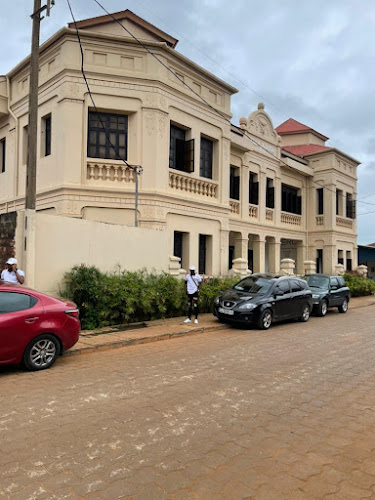
Fondation Zinsou Musee de Ouidah
About Fondation Zinsou Musee de Ouidah
Description
The Fondation Zinsou Musée de Ouidah is one of those places that quietly changes the way you see art, history, and even Africa itself. Tucked away in the coastal town of Ouidah, this museum is housed in the beautifully restored Villa Ajavon, a 1920s Afro-Brazilian mansion that feels like it’s humming with stories. It’s not just another museum—it’s an experience that bridges the past and the present, the local and the global. The Fondation Zinsou, established in 2005, has made it its mission to make art accessible to everyone, and you can feel that energy the moment you step inside.
Walking through the museum, you get this sense that every corner has something to say. The exhibitions rotate regularly, showcasing contemporary African artists whose work often explores themes of identity, memory, and transformation. Some pieces are bold and raw, others subtle and poetic, but all of them speak to the complexity and creativity of the continent. I remember standing in front of a sculpture made from recycled materials—it wasn’t just art, it was a statement about resilience and reinvention. That’s the kind of impact this place has.
What makes the Fondation Zinsou Musée de Ouidah stand out is its accessibility. Entry is free, which is honestly refreshing, especially when you think about how many museums around the world can feel exclusive or intimidating. Here, school kids wander through the halls, local families stop by on weekends, and travelers from all over the world mingle with Beninese visitors. It’s a living, breathing space where art feels like it belongs to everyone.
The Villa Ajavon itself is a masterpiece. The architecture blends Afro-Brazilian and colonial influences, with intricate ironwork, high ceilings, and sunlit courtyards that make you want to linger. The museum doesn’t overwhelm you with too much information—it invites you to slow down, look closer, and feel. And if you’re someone who loves photography, trust me, you’ll have a hard time putting your camera away. Every angle seems to tell a story.
There’s also something profoundly moving about its location. Ouidah has a deep and complex history, once a major port in the transatlantic slave trade. Visiting the museum after exploring sites like the Route des Esclaves gives you this layered perspective—how the past has shaped the art and identity of the present. The Fondation Zinsou doesn’t shy away from that history; instead, it uses art to spark conversations that matter.
It’s not a huge museum, but that’s part of its charm. You can take your time, absorb the atmosphere, and maybe even chat with the staff, who are always eager to share insights about the artists and exhibitions. There’s also a small shop where you can pick up books, art prints, or handmade crafts that support local creators. It’s one of those places where you leave not just with photos, but with a feeling—like you’ve connected to something bigger than yourself.
Key Features
- Housed in the historic Villa Ajavon, a restored Afro-Brazilian mansion from 1922
- Dedicated to promoting contemporary African art and making it accessible to all
- Free entry for visitors, encouraging cultural engagement across all ages
- Rotating exhibitions featuring both established and emerging African artists
- Educational programs and workshops for children and local communities
- Beautiful blend of art, architecture, and history in one location
- Small but well-curated museum shop supporting local artisans and creatives
- Peaceful courtyard spaces perfect for reflection or casual conversation
Best Time to Visit
Honestly, Ouidah is one of those towns that feels timeless, but if you want to make the most of your visit, plan to come between November and March. That’s the dry season in southern Benin, and the weather is warm but not overwhelming. You’ll be able to stroll through the museum’s courtyards without worrying about sudden downpours or humidity fogging up your camera lens. Plus, the light during these months is just perfect for photography—soft, golden, and flattering to the old villa’s faded pastel walls.
If you’re lucky enough to visit in January, you might catch the annual Vodun Festival, which transforms Ouidah into a vibrant celebration of ancestral traditions, music, and dance. Pairing that cultural immersion with a stop at the Fondation Zinsou makes for an unforgettable trip. I went once during that time, and the energy in the air was electric—art inside the museum, ritual and rhythm outside. It’s a reminder that creativity in Benin isn’t confined to galleries; it’s part of everyday life.
Weekdays tend to be quieter, so if you’re the type who prefers to wander in peace, that’s your best bet. But weekends can be more lively, with families and groups adding a bit of buzz. Either way, the museum’s calm atmosphere never really fades—it’s like stepping into a pocket of serenity in the middle of Ouidah’s history-rich streets.
How to Get There
Ouidah is about an hour’s drive from Cotonou, depending on traffic. The road is mostly smooth, though you might hit a few bumps along the way—nothing unusual for West Africa. Taxis and private drivers are easy to find in Cotonou, and most hotels can help arrange transportation. If you’re feeling adventurous, you can even take a shared taxi, which is a great way to meet locals and hear stories along the way (though it’s not the most comfortable option if you’re carrying luggage).
Once you arrive in Ouidah, the museum is easy to locate—it’s near the Basilica and not far from other key landmarks like the Python Temple and the Route des Esclaves. The town itself is compact enough to explore on foot, and walking gives you a real sense of its rhythm. If you’re driving, there’s usually parking available nearby. And honestly, half the fun of getting there is the journey itself—passing through small villages, roadside markets, and glimpses of Benin’s coastal life.
If you’re coming from farther afield, Cotonou’s Cardinal Bernardin Gantin International Airport is your main gateway. From there, Ouidah makes a perfect day trip or weekend getaway. Some travelers even combine it with a visit to the Fondation Zinsou’s other space in Cotonou, called Le Lab, to get a fuller picture of the foundation’s work in promoting African art.
Tips for Visiting
First off, take your time. This isn’t a museum you rush through—it’s one you feel. Give yourself at least an hour or two to wander, reflect, and maybe even sit for a while in the courtyard. The museum is small, but every piece deserves your attention. And don’t be shy about asking questions; the staff are friendly and knowledgeable, and their passion for the place is contagious.
Bring a bottle of water, especially if you’re visiting during the warmer months. Ouidah can get hot, and while the museum’s interior stays relatively cool, you’ll probably be doing some walking before or after. Comfortable shoes are a must, especially if you plan to explore nearby attractions.
Photography is usually allowed, but always double-check before snapping pictures of the artwork. Some exhibitions have restrictions to protect the pieces. And if you’re planning to post on social media (which, let’s be honest, you probably will), tag the Fondation Zinsou—it helps support their mission of spreading African art to the world.
If you’re a traveler who loves cultural souvenirs, don’t skip the small museum shop. You’ll find books on African art, postcards, and handcrafted items that make meaningful keepsakes. I picked up a hand-painted notebook there once, and it still reminds me of that sunny afternoon in Ouidah whenever I jot down notes.
Lastly, don’t just stop at the museum. Ouidah is full of history and character, from the sacred Python Temple to the haunting Door of No Return. Visiting the Fondation Zinsou Musée de Ouidah is like opening a door to understanding the soul of the city—one that blends art, memory, and hope in a way that’s deeply human. It’s the kind of place that stays with you long after you’ve left, and honestly, that’s the best kind of travel experience there is.
Key Features
- Housed in the historic Villa Ajavon, a restored Afro-Brazilian mansion from 1922
- Dedicated to promoting contemporary African art and making it accessible to all
- Free entry for visitors, encouraging cultural engagement across all ages
- Rotating exhibitions featuring both established and emerging African artists
- Educational programs and workshops for children and local communities
- Beautiful blend of art, architecture, and history in one location
- Small but well-curated museum shop supporting local artisans and creatives
- Peaceful courtyard spaces perfect for reflection or casual conversation
More Details
Updated October 9, 2025
Table of Contents
Description
The Fondation Zinsou Musée de Ouidah is one of those places that quietly changes the way you see art, history, and even Africa itself. Tucked away in the coastal town of Ouidah, this museum is housed in the beautifully restored Villa Ajavon, a 1920s Afro-Brazilian mansion that feels like it’s humming with stories. It’s not just another museum—it’s an experience that bridges the past and the present, the local and the global. The Fondation Zinsou, established in 2005, has made it its mission to make art accessible to everyone, and you can feel that energy the moment you step inside.
Walking through the museum, you get this sense that every corner has something to say. The exhibitions rotate regularly, showcasing contemporary African artists whose work often explores themes of identity, memory, and transformation. Some pieces are bold and raw, others subtle and poetic, but all of them speak to the complexity and creativity of the continent. I remember standing in front of a sculpture made from recycled materials—it wasn’t just art, it was a statement about resilience and reinvention. That’s the kind of impact this place has.
What makes the Fondation Zinsou Musée de Ouidah stand out is its accessibility. Entry is free, which is honestly refreshing, especially when you think about how many museums around the world can feel exclusive or intimidating. Here, school kids wander through the halls, local families stop by on weekends, and travelers from all over the world mingle with Beninese visitors. It’s a living, breathing space where art feels like it belongs to everyone.
The Villa Ajavon itself is a masterpiece. The architecture blends Afro-Brazilian and colonial influences, with intricate ironwork, high ceilings, and sunlit courtyards that make you want to linger. The museum doesn’t overwhelm you with too much information—it invites you to slow down, look closer, and feel. And if you’re someone who loves photography, trust me, you’ll have a hard time putting your camera away. Every angle seems to tell a story.
There’s also something profoundly moving about its location. Ouidah has a deep and complex history, once a major port in the transatlantic slave trade. Visiting the museum after exploring sites like the Route des Esclaves gives you this layered perspective—how the past has shaped the art and identity of the present. The Fondation Zinsou doesn’t shy away from that history; instead, it uses art to spark conversations that matter.
It’s not a huge museum, but that’s part of its charm. You can take your time, absorb the atmosphere, and maybe even chat with the staff, who are always eager to share insights about the artists and exhibitions. There’s also a small shop where you can pick up books, art prints, or handmade crafts that support local creators. It’s one of those places where you leave not just with photos, but with a feeling—like you’ve connected to something bigger than yourself.
Key Features
- Housed in the historic Villa Ajavon, a restored Afro-Brazilian mansion from 1922
- Dedicated to promoting contemporary African art and making it accessible to all
- Free entry for visitors, encouraging cultural engagement across all ages
- Rotating exhibitions featuring both established and emerging African artists
- Educational programs and workshops for children and local communities
- Beautiful blend of art, architecture, and history in one location
- Small but well-curated museum shop supporting local artisans and creatives
- Peaceful courtyard spaces perfect for reflection or casual conversation
Best Time to Visit
Honestly, Ouidah is one of those towns that feels timeless, but if you want to make the most of your visit, plan to come between November and March. That’s the dry season in southern Benin, and the weather is warm but not overwhelming. You’ll be able to stroll through the museum’s courtyards without worrying about sudden downpours or humidity fogging up your camera lens. Plus, the light during these months is just perfect for photography—soft, golden, and flattering to the old villa’s faded pastel walls.
If you’re lucky enough to visit in January, you might catch the annual Vodun Festival, which transforms Ouidah into a vibrant celebration of ancestral traditions, music, and dance. Pairing that cultural immersion with a stop at the Fondation Zinsou makes for an unforgettable trip. I went once during that time, and the energy in the air was electric—art inside the museum, ritual and rhythm outside. It’s a reminder that creativity in Benin isn’t confined to galleries; it’s part of everyday life.
Weekdays tend to be quieter, so if you’re the type who prefers to wander in peace, that’s your best bet. But weekends can be more lively, with families and groups adding a bit of buzz. Either way, the museum’s calm atmosphere never really fades—it’s like stepping into a pocket of serenity in the middle of Ouidah’s history-rich streets.
How to Get There
Ouidah is about an hour’s drive from Cotonou, depending on traffic. The road is mostly smooth, though you might hit a few bumps along the way—nothing unusual for West Africa. Taxis and private drivers are easy to find in Cotonou, and most hotels can help arrange transportation. If you’re feeling adventurous, you can even take a shared taxi, which is a great way to meet locals and hear stories along the way (though it’s not the most comfortable option if you’re carrying luggage).
Once you arrive in Ouidah, the museum is easy to locate—it’s near the Basilica and not far from other key landmarks like the Python Temple and the Route des Esclaves. The town itself is compact enough to explore on foot, and walking gives you a real sense of its rhythm. If you’re driving, there’s usually parking available nearby. And honestly, half the fun of getting there is the journey itself—passing through small villages, roadside markets, and glimpses of Benin’s coastal life.
If you’re coming from farther afield, Cotonou’s Cardinal Bernardin Gantin International Airport is your main gateway. From there, Ouidah makes a perfect day trip or weekend getaway. Some travelers even combine it with a visit to the Fondation Zinsou’s other space in Cotonou, called Le Lab, to get a fuller picture of the foundation’s work in promoting African art.
Tips for Visiting
First off, take your time. This isn’t a museum you rush through—it’s one you feel. Give yourself at least an hour or two to wander, reflect, and maybe even sit for a while in the courtyard. The museum is small, but every piece deserves your attention. And don’t be shy about asking questions; the staff are friendly and knowledgeable, and their passion for the place is contagious.
Bring a bottle of water, especially if you’re visiting during the warmer months. Ouidah can get hot, and while the museum’s interior stays relatively cool, you’ll probably be doing some walking before or after. Comfortable shoes are a must, especially if you plan to explore nearby attractions.
Photography is usually allowed, but always double-check before snapping pictures of the artwork. Some exhibitions have restrictions to protect the pieces. And if you’re planning to post on social media (which, let’s be honest, you probably will), tag the Fondation Zinsou—it helps support their mission of spreading African art to the world.
If you’re a traveler who loves cultural souvenirs, don’t skip the small museum shop. You’ll find books on African art, postcards, and handcrafted items that make meaningful keepsakes. I picked up a hand-painted notebook there once, and it still reminds me of that sunny afternoon in Ouidah whenever I jot down notes.
Lastly, don’t just stop at the museum. Ouidah is full of history and character, from the sacred Python Temple to the haunting Door of No Return. Visiting the Fondation Zinsou Musée de Ouidah is like opening a door to understanding the soul of the city—one that blends art, memory, and hope in a way that’s deeply human. It’s the kind of place that stays with you long after you’ve left, and honestly, that’s the best kind of travel experience there is.
Key Highlights
- Housed in the historic Villa Ajavon, a restored Afro-Brazilian mansion from 1922
- Dedicated to promoting contemporary African art and making it accessible to all
- Free entry for visitors, encouraging cultural engagement across all ages
- Rotating exhibitions featuring both established and emerging African artists
- Educational programs and workshops for children and local communities
- Beautiful blend of art, architecture, and history in one location
- Small but well-curated museum shop supporting local artisans and creatives
- Peaceful courtyard spaces perfect for reflection or casual conversation
Location
Places to Stay Near Fondation Zinsou Musee de Ouidah
Find and Book a Tour
Explore More Travel Guides
No reviews found! Be the first to review!
Traveler Reviews for Fondation Zinsou Musee de Ouidah
There are no reviews yet. Be the first one to write one.
Have you visited Fondation Zinsou Musee de Ouidah? Help other travelers by sharing your review.
You Might Also Like
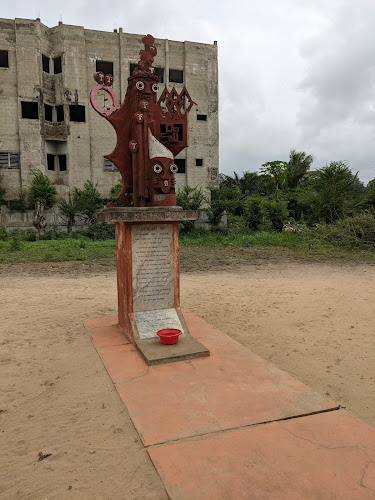
The tree of oblivion
Point of No Return
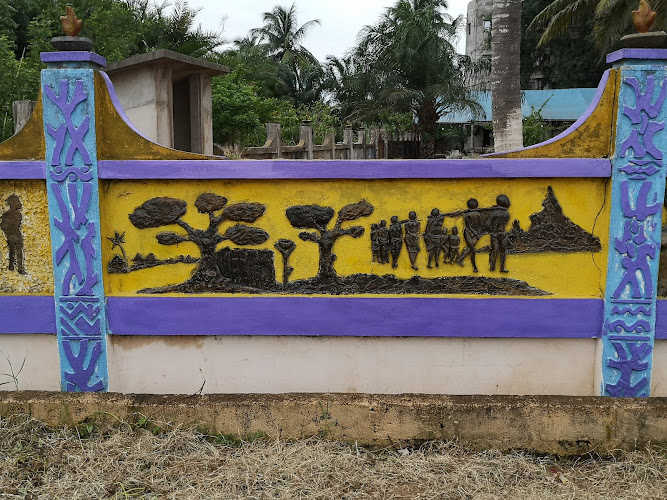
Mémorial ZOMACHI
Find Accommodations Nearby
Recommended Tours & Activities
Visitor Reviews
There are no reviews yet. Be the first one to write one.
Share Your Experience
Have you visited Fondation Zinsou Musee de Ouidah? Help other travelers by leaving a review.