
Dominican Republic National Aquarium
About Dominican Republic National Aquarium
Description
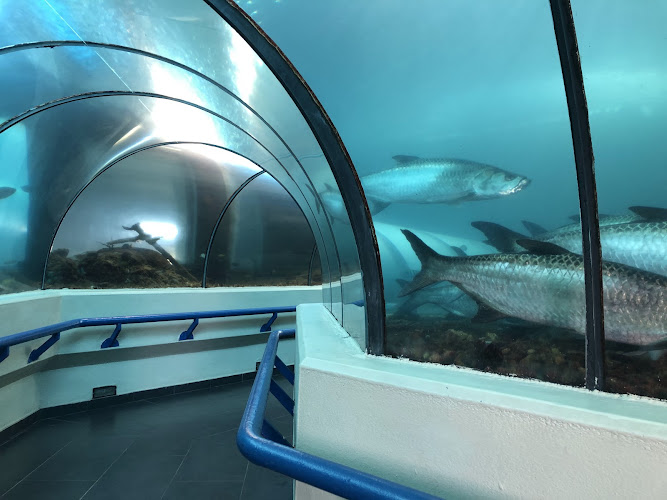
The National Aquarium in the Dominican Republic is one of those places that quietly surprises you. At first glance, it might seem like just another aquarium, but once inside, you realize it’s more than tanks of fish—it’s a living story about the Caribbean Sea and the creatures that call it home. This government-run attraction doubles as a conservation hub, museum, and even a bit of a park. You’ll see school groups wandering wide-eyed through the shark tunnel, families enjoying the sea breeze outside, and travelers like me who just wanted to learn something new but ended up staying longer than expected.
What stands out is its balance. The aquarium manages to be educational without being overwhelming, fun without being gimmicky. Sure, some areas show their age, but there’s also a charm to that—it feels authentic, like the staff care more about the animals and conservation than flashy displays. You’ll find more than 250 species on display, from colorful tropical fish to gentle manatees. And yes, there’s a tunnel where sharks glide over your head, which is always a crowd pleaser. If you’re the type of traveler who likes mixing a little learning with your leisure, this place will hit the spot.
Key Features
- Shark tunnel that lets you walk beneath swimming predators
- Manatee area where kids (and adults) can get up close with these gentle giants
- Educational exhibits highlighting Caribbean coral reefs and conservation
- Outdoor park-like spaces with benches overlooking the sea
- Playground for children to burn off energy after exploring
- Wheelchair accessible entrances and parking
- On-site guides who share stories and insights about marine life
- Payment options including credit, debit, and mobile NFC
One of my favorite parts wasn’t even inside—it was sitting outside by the sea after the tour. The aquarium is right by the water, and you can just sit, snack, and watch the waves. It’s a small thing, but it makes the whole visit feel less like a rushed attraction and more like a day out.
Best Time to Visit
If you’re planning your trip, mornings are usually the sweet spot. The crowds are lighter, the exhibits feel calmer, and the animals seem more active. Weekdays are quieter than weekends since local families often come on Saturdays and Sundays. If you don’t mind a bit of buzz, weekends can actually be fun—it feels lively, with kids asking questions and families picnicking outside. But if you want to take your time reading the exhibit boards and snapping photos without waiting, go on a weekday morning.
Weather-wise, the aquarium is indoors for the most part, so rain won’t ruin your day. But since the outdoor park area is part of the experience, a sunny day makes it extra enjoyable. Personally, I’d avoid late afternoons because the Caribbean sun can be draining, and you’ll probably want to save your energy for a nice dinner afterward.
How to Get There
Getting to the National Aquarium is pretty straightforward if you’re staying in Santo Domingo. It’s located along the coastal road, not far from the port, so you can easily reach it by car, taxi, or even rideshare apps. Public transportation is an option too, though it’s less comfortable if you’re traveling with kids or carrying bags. I once tried the local bus just for the experience—it was cheap and cheerful, but I’ll admit it wasn’t the smoothest ride. If you’re short on time, just grab a taxi or rideshare; it’s affordable and saves you the hassle.
Parking is available on-site, and it’s accessible for wheelchairs, which is a thoughtful touch. For cruise passengers docking nearby, it’s one of the easiest attractions to get to without spending half your day in transit. Honestly, location is one of its biggest perks—you don’t need to carve out a whole day to enjoy it.
Tips for Visiting
A few things I wish someone had told me before my first visit. First, bring a bit of cash even though they accept cards. Sometimes the small snack vendors outside only take cash, and you’ll want a cold drink after walking around. Second, wear comfortable shoes. The aquarium itself isn’t huge, but between the indoor exhibits and the outdoor park, you’ll be on your feet for a while.
If you’re traveling with kids, plan for at least two hours. They’ll love the playground and the manatee area, and rushing them through would be a mistake. For adults traveling solo or as a couple, you might spend less time, but it’s still worth slowing down to read the conservation info—it gives context to what you’re seeing. And bring a camera. The shark tunnel makes for some pretty epic photos, especially if you catch a shark gliding right above your head.
Here’s a personal tip: after you’re done, don’t rush off. Take a seat outside by the sea. There’s something grounding about watching the waves after learning about the creatures that live beneath them. It ties the whole experience together in a way that feels almost poetic. And if you’re like me, you’ll leave not just with photos, but with a little more respect for the ocean and its fragile balance.
Key Features
- Shark tunnel that lets you walk beneath swimming predators
- Manatee area where kids (and adults) can get up close with these gentle giants
- Educational exhibits highlighting Caribbean coral reefs and conservation
- Outdoor park-like spaces with benches overlooking the sea
- Playground for children to burn off energy after exploring
- Wheelchair accessible entrances and parking
- On-site guides who share stories and insights about marine life
- Payment options including credit, debit, and mobile NFC
More Details
Updated October 1, 2025
Table of Contents
- Description
- Key Features
- Best Time to Visit
- How to Get There
- Tips for Visiting
- Key Highlights
- Location
- Places to Stay Near Dominican Republic National Aquarium
- Find and Book a Tour
- Explore More Travel Guides
- Nearby Places You Might Like
- Traveler Reviews for Dominican Republic National Aquarium
- Share Your Experience
Description
The National Aquarium in the Dominican Republic is one of those places that quietly surprises you. At first glance, it might seem like just another aquarium, but once inside, you realize it’s more than tanks of fish—it’s a living story about the Caribbean Sea and the creatures that call it home. This government-run attraction doubles as a conservation hub, museum, and even a bit of a park. You’ll see school groups wandering wide-eyed through the shark tunnel, families enjoying the sea breeze outside, and travelers like me who just wanted to learn something new but ended up staying longer than expected.
What stands out is its balance. The aquarium manages to be educational without being overwhelming, fun without being gimmicky. Sure, some areas show their age, but there’s also a charm to that—it feels authentic, like the staff care more about the animals and conservation than flashy displays. You’ll find more than 250 species on display, from colorful tropical fish to gentle manatees. And yes, there’s a tunnel where sharks glide over your head, which is always a crowd pleaser. If you’re the type of traveler who likes mixing a little learning with your leisure, this place will hit the spot.
Key Features
- Shark tunnel that lets you walk beneath swimming predators
- Manatee area where kids (and adults) can get up close with these gentle giants
- Educational exhibits highlighting Caribbean coral reefs and conservation
- Outdoor park-like spaces with benches overlooking the sea
- Playground for children to burn off energy after exploring
- Wheelchair accessible entrances and parking
- On-site guides who share stories and insights about marine life
- Payment options including credit, debit, and mobile NFC
One of my favorite parts wasn’t even inside—it was sitting outside by the sea after the tour. The aquarium is right by the water, and you can just sit, snack, and watch the waves. It’s a small thing, but it makes the whole visit feel less like a rushed attraction and more like a day out.
Best Time to Visit
If you’re planning your trip, mornings are usually the sweet spot. The crowds are lighter, the exhibits feel calmer, and the animals seem more active. Weekdays are quieter than weekends since local families often come on Saturdays and Sundays. If you don’t mind a bit of buzz, weekends can actually be fun—it feels lively, with kids asking questions and families picnicking outside. But if you want to take your time reading the exhibit boards and snapping photos without waiting, go on a weekday morning.
Weather-wise, the aquarium is indoors for the most part, so rain won’t ruin your day. But since the outdoor park area is part of the experience, a sunny day makes it extra enjoyable. Personally, I’d avoid late afternoons because the Caribbean sun can be draining, and you’ll probably want to save your energy for a nice dinner afterward.
How to Get There
Getting to the National Aquarium is pretty straightforward if you’re staying in Santo Domingo. It’s located along the coastal road, not far from the port, so you can easily reach it by car, taxi, or even rideshare apps. Public transportation is an option too, though it’s less comfortable if you’re traveling with kids or carrying bags. I once tried the local bus just for the experience—it was cheap and cheerful, but I’ll admit it wasn’t the smoothest ride. If you’re short on time, just grab a taxi or rideshare; it’s affordable and saves you the hassle.
Parking is available on-site, and it’s accessible for wheelchairs, which is a thoughtful touch. For cruise passengers docking nearby, it’s one of the easiest attractions to get to without spending half your day in transit. Honestly, location is one of its biggest perks—you don’t need to carve out a whole day to enjoy it.
Tips for Visiting
A few things I wish someone had told me before my first visit. First, bring a bit of cash even though they accept cards. Sometimes the small snack vendors outside only take cash, and you’ll want a cold drink after walking around. Second, wear comfortable shoes. The aquarium itself isn’t huge, but between the indoor exhibits and the outdoor park, you’ll be on your feet for a while.
If you’re traveling with kids, plan for at least two hours. They’ll love the playground and the manatee area, and rushing them through would be a mistake. For adults traveling solo or as a couple, you might spend less time, but it’s still worth slowing down to read the conservation info—it gives context to what you’re seeing. And bring a camera. The shark tunnel makes for some pretty epic photos, especially if you catch a shark gliding right above your head.
Here’s a personal tip: after you’re done, don’t rush off. Take a seat outside by the sea. There’s something grounding about watching the waves after learning about the creatures that live beneath them. It ties the whole experience together in a way that feels almost poetic. And if you’re like me, you’ll leave not just with photos, but with a little more respect for the ocean and its fragile balance.
Key Highlights
- Shark tunnel that lets you walk beneath swimming predators
- Manatee area where kids (and adults) can get up close with these gentle giants
- Educational exhibits highlighting Caribbean coral reefs and conservation
- Outdoor park-like spaces with benches overlooking the sea
- Playground for children to burn off energy after exploring
- Wheelchair accessible entrances and parking
- On-site guides who share stories and insights about marine life
- Payment options including credit, debit, and mobile NFC
Location
Places to Stay Near Dominican Republic National Aquarium
Find and Book a Tour
Explore More Travel Guides
No reviews found! Be the first to review!
Traveler Reviews for Dominican Republic National Aquarium
There are no reviews yet. Be the first one to write one.
Have you visited Dominican Republic National Aquarium? Help other travelers by sharing your review.
You Might Also Like
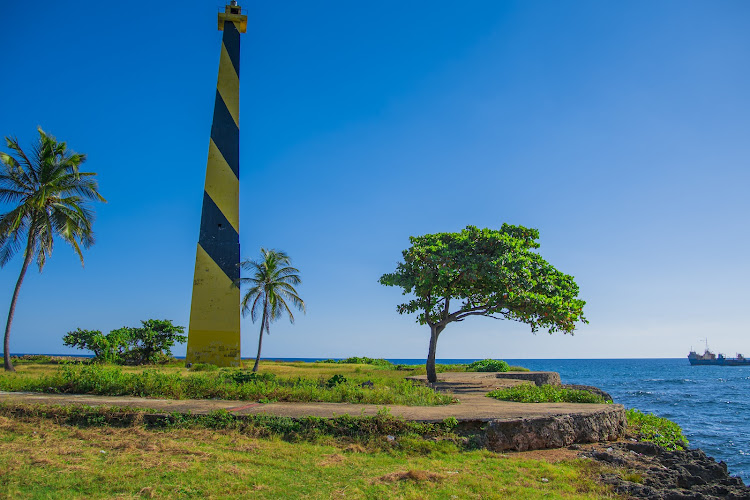
Punta Torrecilla
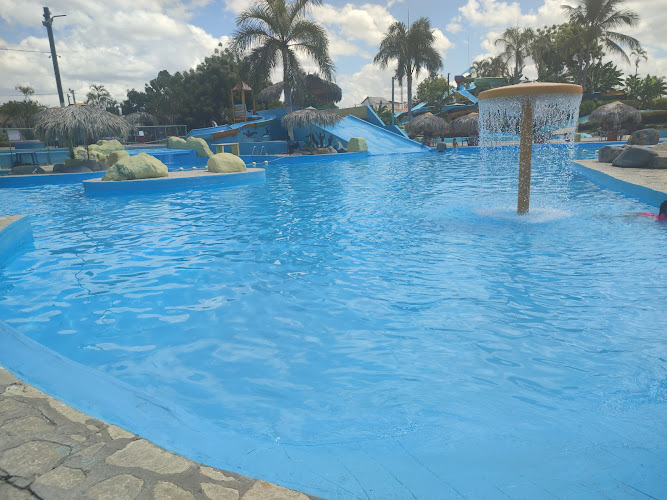
Caribbean Splash Water (Water Park)
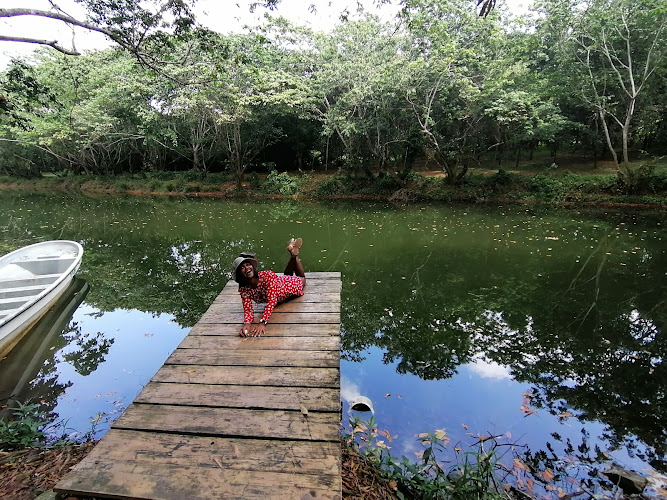
Humedales del Ozama National Park
Find Accommodations Nearby
Recommended Tours & Activities
Visitor Reviews
There are no reviews yet. Be the first one to write one.
Share Your Experience
Have you visited Dominican Republic National Aquarium? Help other travelers by leaving a review.