
Dom zu Halle
About Dom zu Halle
Description
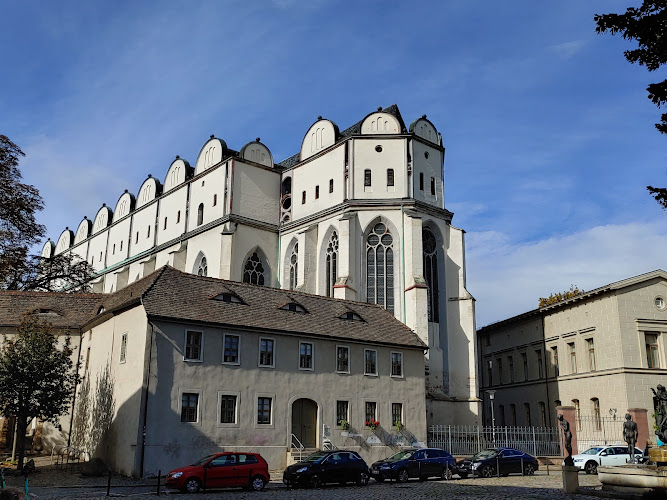
The Dom zu Halle in Halle (Saale), Germany, is a remarkable example of late Romanesque-Gothic transition architecture, with layers of history embedded deep in its stone walls. Originally built in the 13th century by Dominican monks, the church has served many purposes throughout its existence, from monastic life to a Reformed congregation. Today, it still manages to strike a careful balance between being a place of quiet reflection and an active cultural landmark in Saxony-Anhalt. While some visitors comment on its more modest exterior compared to grand European cathedrals, the interior surprises many with its tranquil atmosphere, soaring vaulted ceilings, and understated elegance that radiates authenticity rather than ostentation.
Known simply as the Dom by locals, the church is not technically a cathedral but has held an important place in the city’s religious and cultural landscape for centuries. Its Gothic ribbed vaults, Baroque additions, and Reformation-era influence tell the story of a building that evolved alongside the shifting politics and beliefs of central Germany. For lovers of music, there’s an added thrill in connecting this site to George Frideric Handel, who was born in Halle. Within these same old town streets, the future Baroque composer was once inspired by the sounds of organs and choirs that still echo here during concerts. If you linger inside, you may get that uncanny sense of continuity—that you’re standing where history has quietly unfolded for more than 700 years.
Some travelers compare it with Halle’s more famous Market Church, yet the Dom holds its own personality. It offers fewer crowds and a calmer pace, which makes it a more intimate experience. The building’s stone walls are worn but solid, and stepping inside feels almost like crossing a threshold in time. The fact that it is opening hours will be shortened starting June 2025—only accessible on Fridays and Saturdays—gives the church a sense of exclusivity. It feels like a special opportunity to plan carefully around, rather than a site you just stumble upon. And perhaps that’s what makes it a little treasure: it asks you to slow down and take it in, rather than rush through.
While it may not dazzle with gilded altars or towering spires like the cathedrals of Magdeburg or Cologne, the Dom zu Halle appeals to those who appreciate depth over spectacle. Its history as part of the Archbishopric of Magdeburg, its role through the Reformation, and its continuing function as a Reformed church together make it one of the quiet but important testaments to Halle’s identity. And visitors often mention that when the afternoon light filters through the tall Gothic windows, highlighting the textures of stone and wood, the effect is simply unforgettable.
Key Features
More Details
Updated October 2, 2025
Table of Contents
The Dom zu Halle in Halle (Saale), Germany, is a remarkable example of late Romanesque-Gothic transition architecture, with layers of history embedded deep in its stone walls. Originally built in the 13th century by Dominican monks, the church has served many purposes throughout its existence, from monastic life to a Reformed congregation. Today, it still manages to strike a careful balance between being a place of quiet reflection and an active cultural landmark in Saxony-Anhalt. While some visitors comment on its more modest exterior compared to grand European cathedrals, the interior surprises many with its tranquil atmosphere, soaring vaulted ceilings, and understated elegance that radiates authenticity rather than ostentation.
Known simply as the Dom by locals, the church is not technically a cathedral but has held an important place in the city’s religious and cultural landscape for centuries. Its Gothic ribbed vaults, Baroque additions, and Reformation-era influence tell the story of a building that evolved alongside the shifting politics and beliefs of central Germany. For lovers of music, there’s an added thrill in connecting this site to George Frideric Handel, who was born in Halle. Within these same old town streets, the future Baroque composer was once inspired by the sounds of organs and choirs that still echo here during concerts. If you linger inside, you may get that uncanny sense of continuity—that you’re standing where history has quietly unfolded for more than 700 years.
Some travelers compare it with Halle’s more famous Market Church, yet the Dom holds its own personality. It offers fewer crowds and a calmer pace, which makes it a more intimate experience. The building’s stone walls are worn but solid, and stepping inside feels almost like crossing a threshold in time. The fact that it is opening hours will be shortened starting June 2025—only accessible on Fridays and Saturdays—gives the church a sense of exclusivity. It feels like a special opportunity to plan carefully around, rather than a site you just stumble upon. And perhaps that’s what makes it a little treasure: it asks you to slow down and take it in, rather than rush through.
While it may not dazzle with gilded altars or towering spires like the cathedrals of Magdeburg or Cologne, the Dom zu Halle appeals to those who appreciate depth over spectacle. Its history as part of the Archbishopric of Magdeburg, its role through the Reformation, and its continuing function as a Reformed church together make it one of the quiet but important testaments to Halle’s identity. And visitors often mention that when the afternoon light filters through the tall Gothic windows, highlighting the textures of stone and wood, the effect is simply unforgettable.
Description
Key Highlights
Dom zu Halle
Location
Places to Stay Near Dom zu Halle
Find and Book a Tour
Explore More Travel Guides
No reviews found! Be the first to review!
Traveler Reviews for Dom zu Halle
There are no reviews yet. Be the first one to write one.
Have you visited Dom zu Halle? Help other travelers by sharing your review.
You Might Also Like
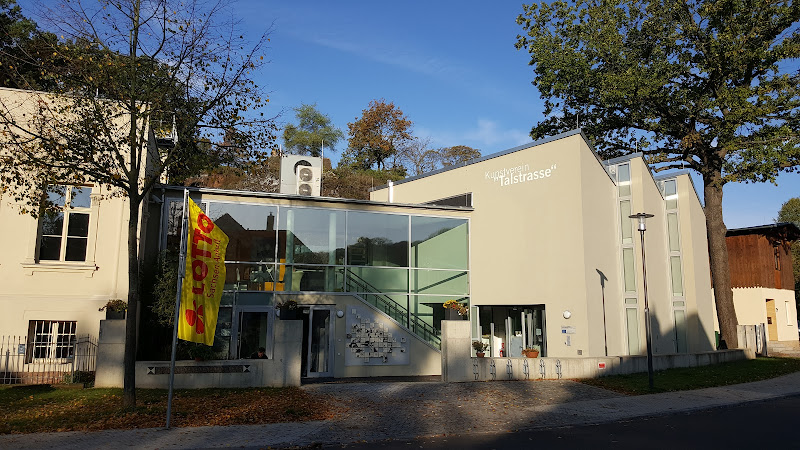
Kunstverein Talstrasse e.V.

Stadtmuseum Christian-Wolff-Haus
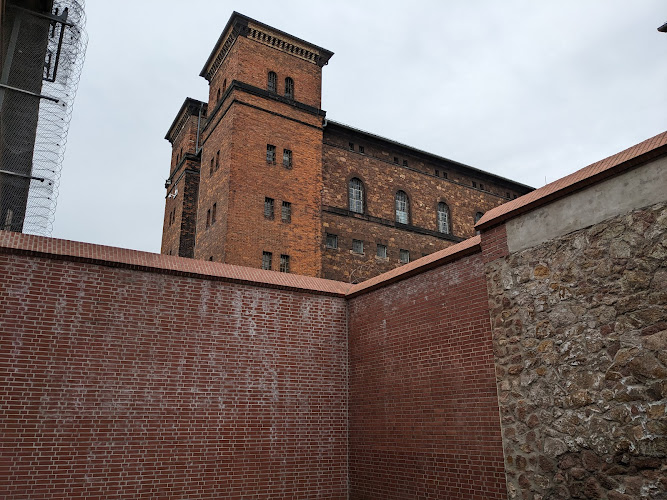
Gedenkstätte ROTER OCHSE Halle (Saale)
Find Accommodations Nearby
Recommended Tours & Activities
Visitor Reviews
There are no reviews yet. Be the first one to write one.
Share Your Experience
Have you visited Dom zu Halle? Help other travelers by leaving a review.