
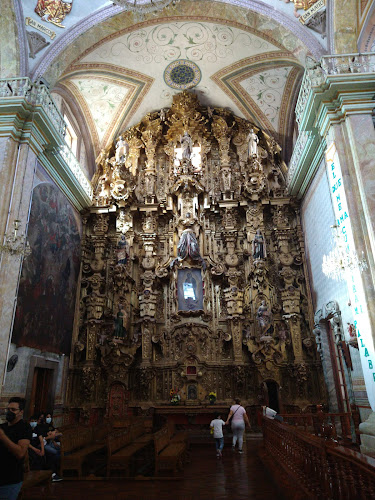
Dolores Hidalgo
About Dolores Hidalgo
Description
For travelers on the lookout for a Mexico destination dripping with tradition, living history, and a touch of unexpected color, Dolores Hidalgo in Guanajuato is this rare find. It’s not your run-of-the-mill stop—you’re looking at the birthplace of Mexican independence, yes, but also a hotbed of authentic traditions that stretch centuries deep. The city is perhaps most famously known for its unforgettable Tradicionales Altares de Viernes de Dolores, a ritual that takes root every year in homes, plazas, churches—practically anywhere you look as Semana Santa approaches.
Here’s something I personally didn’t expect: the way the whole city transforms for Viernes de Dolores (Friday of Sorrows). In Dolores Hidalgo, people don’t just remember history; they live it. Starting early in the day, you’ll stumble upon meticulous and colorful altars dedicated to the Virgen María, each one a blend of devoción, art, and symbolism. Locals pour their hearts (and oh, their creativity!) into these mesmerizing displays, which are meant to honor the seven sorrows of María during the pasión of her son, Jesús.
There’s almost a hush in the air during these days, as if the city knows it’s part of something larger—an unbroken chain of memory and faith, sure, but also community. You’ll see families, shop owners, and neighborhoods collaborate on altars with elements like papel picado, vivid flowers, oranges, agua de colores, candles, staged images of the Virgin, and sometimes surprisingly modern touches—always respectful, always moving. Even if you aren’t religious or from a Catholic background, the beauty and sheer passion in the air is the sort of thing you carry home in your memory.
Dolores Hidalgo isn’t just about religious tradition. Its streets, painted cantina-bright, pulse with mariachi music, the irresistible scent of artisanal nieves (ice cream in flavors you never imagined), hand-painted Talavera pottery, and the flat-out friendliest locals around. Stray from the main plaza and you’ll find yourself in museums, workshops, tiny cafes, and quiet corners where the history of Mexico feels, oddly, just within reach. Some people say you can feel the heartbeat of the nation in Dolores Hidalgo, and honestly, after a few days here I can see why.
Key Features
- Tradicionales Altares de Viernes de Dolores: Dozens, often hundreds, of artfully constructed altars appear throughout Dolores Hidalgo on the Friday before Holy Week. Each altar is unique, packed with symbolism—a visual retelling of the Virgin María’s seven sorrows ("los siete dolores"). You'll see combinations of agua in glass containers (sometimes dyed brilliant colors), candles, flowers, oranges or limes, sprigs of wheat or barley (semillas), and religious imagery.
- Warmth and Community: The entire city participates in the celebration. Locals will often invite travelers—yes, even apparent strangers—to view altars inside their casa. Sharing sweet aguas frescas and candy is a common gesture to honor the Virgin and welcome visitors.
- Cultural Heritage: Dolores Hidalgo is the cradle of Mexican independence. In the heart of town, you’ll find museums and historical spots where Father Miguel Hidalgo launched the movement for independence in 1810. The atmosphere is rich with history all year, especially in March and April.
- Handicrafts and Talavera Pottery: The city’s reputation for stunning, hand-painted ceramics is unmatched in Guanajuato. Wander local artisan workshops or markets to see vibrant works—often starring images of the Virgin or motifs related to Semana Santa.
- Local Flavors: Don’t skip the nieves, which come in wild flavors you won’t taste elsewhere—avocado, mole, or tequila, and even cheese. The local cuisine for Viernes de Dolores might include capirotada, aguas de diferentes sabores (colorful fruit drinks), and treats made for sharing.
- Architectural Jewels: The Parroquia de Nuestra Señora de los Dolores dominates the center. Its bell, according to legend, started the independence movement! Smaller chapels and colonial homes add to the mix.
- Uncrowded, Authentic Vibe: Unlike more tourist-mobbed towns (yes, I’m looking at you, San Miguel de Allende), Dolores Hidalgo lets you step into tradition without feeling herded about. Locals outnumber tourists, and you’ll feel it in every conversation.
Best Time to Visit
If you’re after soul-stirring tradition (and trust me, you should be), aim for Semana Santa, specifically the Friday of Sorrows—exact date floats between late March and early April, depending on Easter. This is when Dolores Hidalgo shines. The weather? Usually mild, with crystalline blue Guanajuato skies and a touch of coolness lingering in the evenings, especially if you wander out past sunset to catch altars glow by candlelight. Daytime temperatures hover comfortably, making walking tours and plaza hangouts not just doable, but delightful.
Not a fan of crowds, but still want the essence of Dolores Hidalgo? Swing by in the quiet weeks before Holy Week (late February to early March), when artisans prep their creations and the first hints of altar-building trickle out onto the streets. The rest of the year is great for history buffs—festivals throughout the year (especially on Mexican Independence Day, September 16th) offer their own flavor, but Viernes de Dolores is the main event if you want to see why this city is a living tradition.
How to Get There
Dolores Hidalgo is smack in the cultural heart of Guanajuato state, Mexico—close enough for easy travel, but far enough to feel refreshingly untouched. Coming from León (Guanajuato’s main air hub), it’s a roughly 1.5 to 2-hour drive—get a car, hire a driver, or jump on direct regional buses. I’ve done both bus and rental car, and neither breaks the bank or patience (the scenery—rolling hills, blooming maguey, scattered farmhouses—is a treat).
If you’re coming from tourist-favorite San Miguel de Allende, you’re only 40-50 minutes away by car or bus, making Dolores Hidalgo an easy day trip—but honestly, give yourself more than just a few hours. Frequent buses service the route, and roads are safe and well-maintained.
Coming from Mexico City or Querétaro? Buses and shuttle services exist, though connections through Guanajuato city are sometimes needed. Drive times from CDMX are about 4-5 hours, and you’ll find secure parking in or around the city center. Most of the action is perfectly walkable once you arrive, so stow the car and stroll.
Tips for Visiting
- Plan for Altars: On Viernes de Dolores, start your walk in the late afternoon. Not only will the altars be finished, but the sunset gives everything a magical glow—and by night, candlelit altars are simply unforgettable.
- Dress for Comfort: The center is best explored on foot and some streets are cobbled or a bit uneven—save yourself some grief, wear comfy shoes. (My foolproof rule for Mexican towns: if you’re wearing flip-flops, you’re doing it wrong.)
- Engage with Locals: Don’t be shy! Most Doloresenses are delighted to explain the meaning behind their altar. You’ll learn way more about the siete dolores, the symbolism of agua and flowers, or why particular seeds or banderitas are used.
- Sample the Food: Accept offers of agua de sabor—these drinks are part hospitality, part tradition, and just delicious. Take the chance to try artisanal nieves or capirotada, especially in homes or stands near the main plaza.
- Respect Traditions: Friday of Sorrows is, first and foremost, a religious celebration. Taking photos is usually fine, but always ask before snapping someone’s altar or entering a private home. Some families see the altar as a sacred space.
- No Need to Rush: It’s tempting to cram Dolores Hidalgo, San Miguel de Allende, and Guanajuato into a single trip, but if you hang around for a full day (or even better, stay overnight), you’ll understand why this city isn’t just a spectacular backdrop—it’s an experience.
- Pack for All Weather: Even if it’s warm in the afternoon, evenings can get surprisingly cool—especially in March and April. I can’t count how many goosebumps I got wandering the altars once the sun dropped.
- Support Local Artists: Buy a piece of Talavera or even a small handmade figurine. It helps keep the tradition thriving (and makes for a much better souvenir than refrigerator magnets).
- Be Curious, Be Present: This is a city built on layers—of faith, history, and hope. Let yourself get a little lost in the streets, the stories, and the flavor. Dolores Hidalgo won’t disappoint.
Key Features
- Casa de Hidalgo (former residence of Miguel Hidalgo) with period furnishings and documents
- Bicentennial Museum exhibits on the Mexican War of Independence
- Intimate, well-preserved historical rooms and local archival material
- Proximity to Dolores Hidalgo’s pottery shops, colorful streets, and central plaza
- Opportunities to combine history with local gastronomy and artisan shopping
More Details
Updated July 12, 2025
Table of Contents
For travelers on the lookout for a Mexico destination dripping with tradition, living history, and a touch of unexpected color, Dolores Hidalgo in Guanajuato is this rare find. It’s not your run-of-the-mill stop—you’re looking at the birthplace of Mexican independence, yes, but also a hotbed of authentic traditions that stretch centuries deep. The city is perhaps most famously known for its unforgettable Tradicionales Altares de Viernes de Dolores, a ritual that takes root every year in homes, plazas, churches—practically anywhere you look as Semana Santa approaches.
Here’s something I personally didn’t expect: the way the whole city transforms for Viernes de Dolores (Friday of Sorrows). In Dolores Hidalgo, people don’t just remember history; they live it. Starting early in the day, you’ll stumble upon meticulous and colorful altars dedicated to the Virgen María, each one a blend of devoción, art, and symbolism. Locals pour their hearts (and oh, their creativity!) into these mesmerizing displays, which are meant to honor the seven sorrows of María during the pasión of her son, Jesús.
There’s almost a hush in the air during these days, as if the city knows it’s part of something larger—an unbroken chain of memory and faith, sure, but also community. You’ll see families, shop owners, and neighborhoods collaborate on altars with elements like papel picado, vivid flowers, oranges, agua de colores, candles, staged images of the Virgin, and sometimes surprisingly modern touches—always respectful, always moving. Even if you aren’t religious or from a Catholic background, the beauty and sheer passion in the air is the sort of thing you carry home in your memory.
Dolores Hidalgo isn’t just about religious tradition. Its streets, painted cantina-bright, pulse with mariachi music, the irresistible scent of artisanal nieves (ice cream in flavors you never imagined), hand-painted Talavera pottery, and the flat-out friendliest locals around. Stray from the main plaza and you’ll find yourself in museums, workshops, tiny cafes, and quiet corners where the history of Mexico feels, oddly, just within reach. Some people say you can feel the heartbeat of the nation in Dolores Hidalgo, and honestly, after a few days here I can see why.
If you’re after soul-stirring tradition (and trust me, you should be), aim for Semana Santa, specifically the Friday of Sorrows—exact date floats between late March and early April, depending on Easter. This is when Dolores Hidalgo shines. The weather? Usually mild, with crystalline blue Guanajuato skies and a touch of coolness lingering in the evenings, especially if you wander out past sunset to catch altars glow by candlelight. Daytime temperatures hover comfortably, making walking tours and plaza hangouts not just doable, but delightful.
Not a fan of crowds, but still want the essence of Dolores Hidalgo? Swing by in the quiet weeks before Holy Week (late February to early March), when artisans prep their creations and the first hints of altar-building trickle out onto the streets. The rest of the year is great for history buffs—festivals throughout the year (especially on Mexican Independence Day, September 16th) offer their own flavor, but Viernes de Dolores is the main event if you want to see why this city is a living tradition.
Dolores Hidalgo is smack in the cultural heart of Guanajuato state, Mexico—close enough for easy travel, but far enough to feel refreshingly untouched. Coming from León (Guanajuato’s main air hub), it’s a roughly 1.5 to 2-hour drive—get a car, hire a driver, or jump on direct regional buses. I’ve done both bus and rental car, and neither breaks the bank or patience (the scenery—rolling hills, blooming maguey, scattered farmhouses—is a treat).
If you’re coming from tourist-favorite San Miguel de Allende, you’re only 40-50 minutes away by car or bus, making Dolores Hidalgo an easy day trip—but honestly, give yourself more than just a few hours. Frequent buses service the route, and roads are safe and well-maintained.
Coming from Mexico City or Querétaro? Buses and shuttle services exist, though connections through Guanajuato city are sometimes needed. Drive times from CDMX are about 4-5 hours, and you’ll find secure parking in or around the city center. Most of the action is perfectly walkable once you arrive, so stow the car and stroll.
Description
Key Features
Best Time to Visit
How to Get There
Tips for Visiting
Key Highlights
- Casa de Hidalgo (former residence of Miguel Hidalgo) with period furnishings and documents
- Bicentennial Museum exhibits on the Mexican War of Independence
- Intimate, well-preserved historical rooms and local archival material
- Proximity to Dolores Hidalgo’s pottery shops, colorful streets, and central plaza
- Opportunities to combine history with local gastronomy and artisan shopping
Location
Places to Stay Near Dolores Hidalgo
Find and Book a Tour
Explore More Travel Guides
No reviews found! Be the first to review!
Traveler Reviews for Dolores Hidalgo
There are no reviews yet. Be the first one to write one.
Have you visited Dolores Hidalgo? Help other travelers by sharing your review.
Nearby Attractions
You Might Also Like
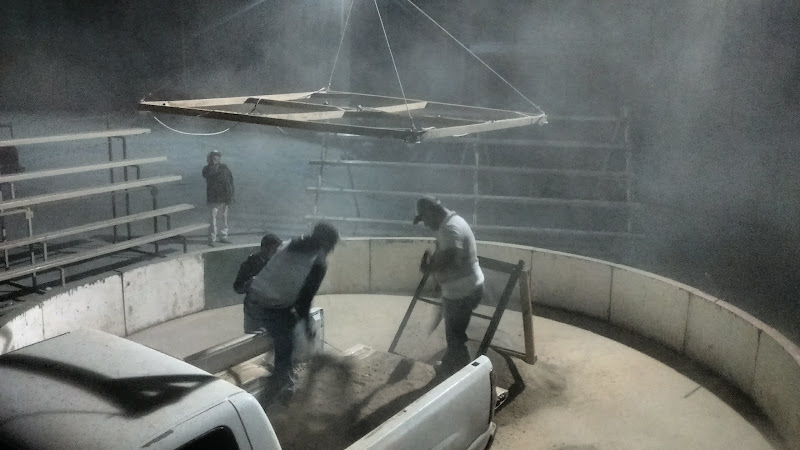
Exhibition Center Dolores Hidalgo Guanajuato
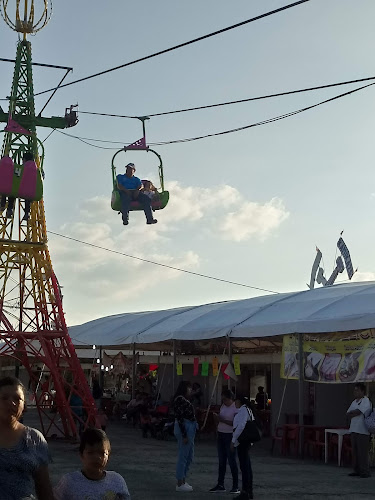
Explanada De La Feria
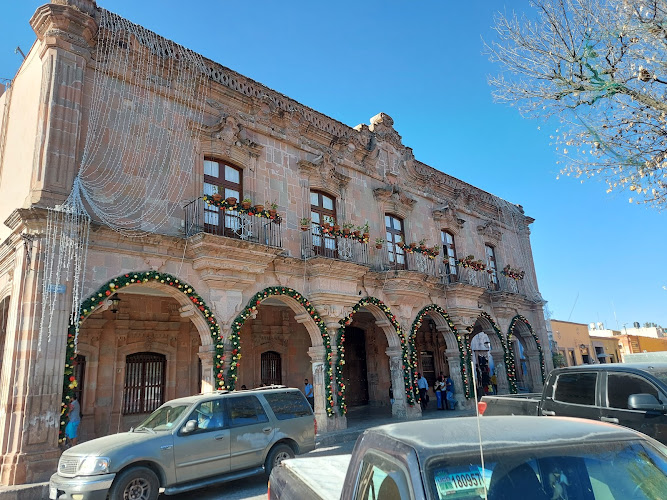
Casa de Visitas
Find Accommodations Nearby
Recommended Tours & Activities
Visitor Reviews
There are no reviews yet. Be the first one to write one.
Share Your Experience
Have you visited Dolores Hidalgo? Help other travelers by leaving a review.