Onsen 4.1 Matsuyama, JapanCommunity Guide

Dogo Onsen Main Building

5-6 Dogoyunomachi, Matsuyama, Ehime 790-0842, Japan

Dogo Onsen Main Building
58,763 Photos

About & Overview

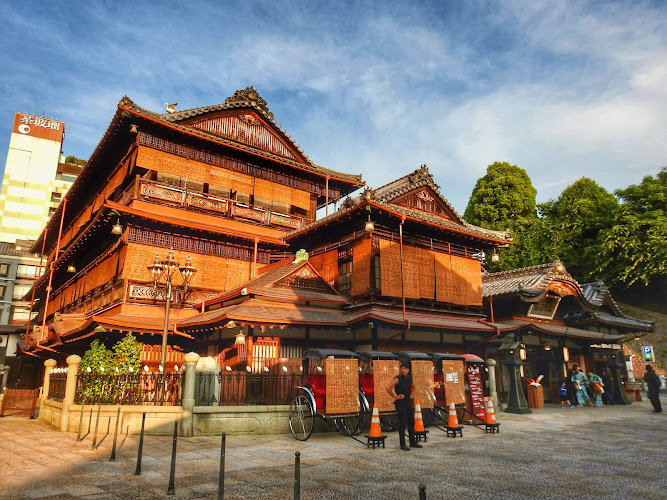
Stepping into the Dōgo Onsen Main Building is like entering a living postcard of Meiji-era Japan — a three-story wooden bathhouse (rebuilt in 1894) whose layered eaves, tatami-lined waiting rooms and steaming tubs evoke a long lineage of communal bathing. Said to be one of Japan’s oldest hot springs, Dōgo has drawn locals, travellers and even the Imperial Family for centuries; the current honkan is a designated Important Cultural Property and is often cited as inspiration for modern storytellers. What makes it special is the seamless blend of ritual and architecture: visitors can choose from public baths, private rooms and an upstairs salon, all while soaking in mineral-rich water reputed to soothe aches and invigorate the skin. Beyond the bathing experience, the building’s wooden corridors, carved details and the nearby tea rooms provide a tactile sense of place that modern spas can’t replicate. Visit to experience traditional Japanese bathing culture, admire historic craftsmanship, and feel the calm of a town that built itself around its spring.

Highlights & Key Features

  • Three-story Meiji-era wooden honkan (rebuilt 1894) and Important Cultural Property
  • Multiple bathing options: public baths, private rooms, and upstairs salons
  • Mineral-rich hot spring waters with long cultural and historic significance
  • Traditional architecture and interior details: tatami waiting rooms, wooden corridors
  • Central location in Matsuyama with nearby tea houses, souvenir shops and tram access

Visitor Guide & Information

Standing for over a century in Matsuyama, the Dogo Onsen Main Building represents something truly special in Japan’s bathing culture. I’ve always found it fascinating how certain places manage to preserve their historical charm while still functioning as they did generations ago, and this bathhouse does exactly that. The building itself dates back to 1894, though the hot springs have been drawing visitors for well over a thousand years – we’re talking ancient history here, the kind that makes you feel connected to countless generations who soaked in these same therapeutic waters.

The architectural style is unmistakably Meiji-era, with its three-story wooden structure crowned by a distinctive tower that you’ll recognize instantly if you’ve seen Studio Ghibli’s masterpiece Spirited Away. And yes, this is indeed the bathhouse that inspired Hayao Miyazaki’s iconic animated film, which honestly adds another layer of magic to the whole experience. Walking up to the entrance feels like stepping through a portal to another time, where the pace slows down and the simple act of bathing becomes a cultural ceremony.

What makes Dogo Onsen Main Building particularly remarkable is how it functions as a living museum. This isn’t some preserved relic you just look at through glass – you actually use it for its original purpose. The waters here are alkaline simple springs, known for their smooth, silky feel on the skin and therapeutic properties that locals swear by for everything from muscle aches to skin conditions. The temperature hovers around a comfortable 42-43 degrees Celsius, which is perfect for a proper Japanese soak without feeling like you’re being boiled alive.

The building went through a massive preservation project recently, which was honestly needed to keep this treasure standing for future generations. But even during renovations, portions remained open because the people of Matsuyama understand that Dogo Onsen isn’t just a tourist attraction – it’s a living, breathing part of their community that’s been serving locals and travelers alike for more than a millennium.

Key Features

The Dogo Onsen Main Building offers several distinct bathing experiences and amenities that set it apart from your typical hot spring facility:

  • Multiple bathing options including the Kami-no-Yu (Waters of the Gods) and Tama-no-Yu (Waters of the Spirits), each with their own character and atmosphere
  • Historic architecture that directly inspired the bathhouse in Spirited Away, making it a pilgrimage site for anime fans worldwide
  • Private rooms available for day-use visitors who want a more exclusive experience with tatami mat rest areas
  • Complimentary hand towels and loungewear provided for day-use guests, which is honestly a lifesaver if you’re traveling light
  • Traditional tea service with local sweets available in designated rest areas, served on lovely lacquerware that adds to the whole experience
  • The Imperial Bath, a special bathing room reserved exclusively for the Imperial Family that you can actually tour (though not bathe in, obviously)
  • Natural free-flowing onsen water that’s been bubbling up from the earth for over 3,000 years according to local legend
  • A distinctive three-story wooden structure with a drumming tower where staff traditionally beat a taiko drum three times daily to mark bathing times
  • Rest areas with stunning period architecture where you can relax post-bath and really soak in the atmosphere
  • Multiple onsen water types throughout the facility, each with slightly different mineral compositions and temperatures

Best Time to Visit

Timing your visit to Dogo Onsen Main Building can really make or break your experience, and I’ve learned this the hard way. Early morning visits, right when they open at 6:00 AM, offer the most serene experience. You’ll share the baths with mostly locals doing their daily routine, which feels wonderfully authentic. The dawn light filtering through the old windows creates this ethereal atmosphere that’s worth setting your alarm for, even on vacation.

Weekday visits generally mean smaller crowds compared to weekends when tour buses roll in with groups. But here’s the thing – even crowded, the place maintains a certain dignity. Japanese bathing etiquette keeps things respectful and relatively quiet regardless of how many people are there.

Season-wise, autumn and spring are particularly magical. The cooler air makes the hot water feel even more satisfying, and you’re not dealing with the sweltering humidity of summer or the occasionally harsh winter cold. Though honestly, there’s something deeply satisfying about soaking in hot spring water while snow falls outside during January or February.

If you’re coming specifically for the Spirited Away connection, early evening around 5-7 PM captures that same twilight atmosphere from the film. The building’s exterior lights up as dusk falls, and steam rises from various vents creating an almost mystical scene that’s absolutely perfect for photographs.

Avoid Golden Week (late April to early May), New Year’s holidays, and major Japanese holiday periods unless you enjoy waiting in long queues. Summer vacation months of July and August also get packed with domestic tourists. I once made the mistake of visiting during a three-day weekend in August and spent more time waiting than actually bathing.

The building operates on a rotation schedule due to ongoing preservation work, so always check ahead which baths are currently accessible. Some sections remain closed periodically for maintenance, which is just the reality of maintaining a structure this old and precious.

How to Get There

Getting to Dogo Onsen Main Building is remarkably straightforward, which is refreshing considering how some historical sites require serious navigation skills. The facility sits in the Dogo district of Matsuyama, and the entire area is genuinely built around this landmark.

From Matsuyama Airport, your easiest option is taking a limousine bus directly to Dogo Onsen, which takes about 40 minutes and costs around 900 yen. The buses run regularly and drop you practically at the doorstep. Alternatively, take the bus to Matsuyama Station first, then transfer to the iconic Botchan tram.

Speaking of which, the Botchan tram is honestly half the experience. These vintage streetcars rattle through Matsuyama with character and charm that modern transportation just can’t match. From JR Matsuyama Station, take the tram bound for Dogo Onsen – it’s the final stop, so you literally can’t miss it. The journey takes roughly 20-25 minutes and costs 200 yen. The tram itself is a restored steam locomotive replica that makes you feel like you’ve already started time traveling before even reaching the bathhouse.

If you’re staying elsewhere in Matsuyama, trams run from various points throughout the city to Dogo Onsen. The tram stop sits right in front of a covered shopping arcade, and the main building is just a short walk from there – you’ll see the distinctive tower rising above the surrounding buildings.

For those driving, parking is available in the area, though spaces fill up quickly during peak times. But honestly, why would you drive when the tram experience is so charming?

Tips for Visiting

Bring your own bath towel if you want to save a few hundred yen, though the provided hand towels work fine in a pinch. Japanese onsen culture means you use a small towel for washing and drying, not the massive beach towels we’re used to in Western countries.

Choose your bathing course wisely based on your budget and time. The basic Kami-no-Yu bath experience costs around 420 yen and gives you access to the main communal bath. Upgrade courses include private room access, tea service, and more elaborate rest areas, ranging up to about 1,550 yen. I’d recommend splurging for the middle-tier option at least once – the traditional sweets and tea served in your private tatami room make you feel like actual royalty.

Understand the bathing procedure before entering. Remove all clothing in the changing area, wash thoroughly at the stations provided before entering the bath, and keep your small towel out of the water. If you’re new to onsen culture, watch what others do. Japanese bathers are generally understanding of foreigners still learning the ropes, but basic observation and respect go a long way.

Tattoos can be an issue at traditional onsens, and Dogo Onsen Main Building maintains relatively strict policies about visible tattoos. Small ones might slide, but extensive ink will likely get you politely turned away. Some people use waterproof bandages to cover smaller tattoos, though technically this isn’t allowed either.

Don’t expect English everywhere. While major signage has English translations, staff may have limited English proficiency. Learning a few basic Japanese phrases helps tremendously, though pointing and smiling also works surprisingly well.

Photography inside the bathing areas is absolutely prohibited – this should go without saying, but apparently it needs saying. The exterior and common areas are fair game for photos, but respect everyone’s privacy inside.

Time your visit for the taiko drum performances if possible. Staff beat the drum three times daily at 6 AM, noon, and 6 PM – it’s a tradition dating back over a century and adds wonderful atmosphere to your visit.

The surrounding Dogo area deserves exploration before or after bathing. The covered shopping arcade sells local crafts, snacks, and souvenirs worth browsing. The neighborhood maintains that same nostalgic atmosphere as the bathhouse itself.

Consider purchasing the combination ticket if you’re interested in touring the Imperial Bath and upper floors. The architectural details and historical exhibits provide fascinating context for the building’s cultural significance.

Stay hydrated but avoid eating a huge meal right before bathing. The heat can make you feel lightheaded on a full stomach, and nobody wants that experience. Grab something light afterward instead when you’re relaxed and ready to enjoy local cuisine properly.

HTML formatted content complete.

Community & Insider Notes

Last modified August 17, 2026

Description

Standing for over a century in Matsuyama, the Dogo Onsen Main Building represents something truly special in Japan’s bathing culture. I’ve always found it fascinating how certain places manage to preserve their historical charm while still functioning as they did generations ago, and this bathhouse does exactly that. The building itself dates back to 1894, though the hot springs have been drawing visitors for well over a thousand years – we’re talking ancient history here, the kind that makes you feel connected to countless generations who soaked in these same therapeutic waters.

The architectural style is unmistakably Meiji-era, with its three-story wooden structure crowned by a distinctive tower that you’ll recognize instantly if you’ve seen Studio Ghibli’s masterpiece Spirited Away. And yes, this is indeed the bathhouse that inspired Hayao Miyazaki’s iconic animated film, which honestly adds another layer of magic to the whole experience. Walking up to the entrance feels like stepping through a portal to another time, where the pace slows down and the simple act of bathing becomes a cultural ceremony.

What makes Dogo Onsen Main Building particularly remarkable is how it functions as a living museum. This isn’t some preserved relic you just look at through glass – you actually use it for its original purpose. The waters here are alkaline simple springs, known for their smooth, silky feel on the skin and therapeutic properties that locals swear by for everything from muscle aches to skin conditions. The temperature hovers around a comfortable 42-43 degrees Celsius, which is perfect for a proper Japanese soak without feeling like you’re being boiled alive.

The building went through a massive preservation project recently, which was honestly needed to keep this treasure standing for future generations. But even during renovations, portions remained open because the people of Matsuyama understand that Dogo Onsen isn’t just a tourist attraction – it’s a living, breathing part of their community that’s been serving locals and travelers alike for more than a millennium.

Key Features

The Dogo Onsen Main Building offers several distinct bathing experiences and amenities that set it apart from your typical hot spring facility:

  • Multiple bathing options including the Kami-no-Yu (Waters of the Gods) and Tama-no-Yu (Waters of the Spirits), each with their own character and atmosphere
  • Historic architecture that directly inspired the bathhouse in Spirited Away, making it a pilgrimage site for anime fans worldwide
  • Private rooms available for day-use visitors who want a more exclusive experience with tatami mat rest areas
  • Complimentary hand towels and loungewear provided for day-use guests, which is honestly a lifesaver if you’re traveling light
  • Traditional tea service with local sweets available in designated rest areas, served on lovely lacquerware that adds to the whole experience
  • The Imperial Bath, a special bathing room reserved exclusively for the Imperial Family that you can actually tour (though not bathe in, obviously)
  • Natural free-flowing onsen water that’s been bubbling up from the earth for over 3,000 years according to local legend
  • A distinctive three-story wooden structure with a drumming tower where staff traditionally beat a taiko drum three times daily to mark bathing times
  • Rest areas with stunning period architecture where you can relax post-bath and really soak in the atmosphere
  • Multiple onsen water types throughout the facility, each with slightly different mineral compositions and temperatures

Best Time to Visit

Timing your visit to Dogo Onsen Main Building can really make or break your experience, and I’ve learned this the hard way. Early morning visits, right when they open at 6:00 AM, offer the most serene experience. You’ll share the baths with mostly locals doing their daily routine, which feels wonderfully authentic. The dawn light filtering through the old windows creates this ethereal atmosphere that’s worth setting your alarm for, even on vacation.

Weekday visits generally mean smaller crowds compared to weekends when tour buses roll in with groups. But here’s the thing – even crowded, the place maintains a certain dignity. Japanese bathing etiquette keeps things respectful and relatively quiet regardless of how many people are there.

Season-wise, autumn and spring are particularly magical. The cooler air makes the hot water feel even more satisfying, and you’re not dealing with the sweltering humidity of summer or the occasionally harsh winter cold. Though honestly, there’s something deeply satisfying about soaking in hot spring water while snow falls outside during January or February.

If you’re coming specifically for the Spirited Away connection, early evening around 5-7 PM captures that same twilight atmosphere from the film. The building’s exterior lights up as dusk falls, and steam rises from various vents creating an almost mystical scene that’s absolutely perfect for photographs.

Avoid Golden Week (late April to early May), New Year’s holidays, and major Japanese holiday periods unless you enjoy waiting in long queues. Summer vacation months of July and August also get packed with domestic tourists. I once made the mistake of visiting during a three-day weekend in August and spent more time waiting than actually bathing.

The building operates on a rotation schedule due to ongoing preservation work, so always check ahead which baths are currently accessible. Some sections remain closed periodically for maintenance, which is just the reality of maintaining a structure this old and precious.

How to Get There

Getting to Dogo Onsen Main Building is remarkably straightforward, which is refreshing considering how some historical sites require serious navigation skills. The facility sits in the Dogo district of Matsuyama, and the entire area is genuinely built around this landmark.

From Matsuyama Airport, your easiest option is taking a limousine bus directly to Dogo Onsen, which takes about 40 minutes and costs around 900 yen. The buses run regularly and drop you practically at the doorstep. Alternatively, take the bus to Matsuyama Station first, then transfer to the iconic Botchan tram.

Speaking of which, the Botchan tram is honestly half the experience. These vintage streetcars rattle through Matsuyama with character and charm that modern transportation just can’t match. From JR Matsuyama Station, take the tram bound for Dogo Onsen – it’s the final stop, so you literally can’t miss it. The journey takes roughly 20-25 minutes and costs 200 yen. The tram itself is a restored steam locomotive replica that makes you feel like you’ve already started time traveling before even reaching the bathhouse.

If you’re staying elsewhere in Matsuyama, trams run from various points throughout the city to Dogo Onsen. The tram stop sits right in front of a covered shopping arcade, and the main building is just a short walk from there – you’ll see the distinctive tower rising above the surrounding buildings.

For those driving, parking is available in the area, though spaces fill up quickly during peak times. But honestly, why would you drive when the tram experience is so charming?

Tips for Visiting

Bring your own bath towel if you want to save a few hundred yen, though the provided hand towels work fine in a pinch. Japanese onsen culture means you use a small towel for washing and drying, not the massive beach towels we’re used to in Western countries.

Choose your bathing course wisely based on your budget and time. The basic Kami-no-Yu bath experience costs around 420 yen and gives you access to the main communal bath. Upgrade courses include private room access, tea service, and more elaborate rest areas, ranging up to about 1,550 yen. I’d recommend splurging for the middle-tier option at least once – the traditional sweets and tea served in your private tatami room make you feel like actual royalty.

Understand the bathing procedure before entering. Remove all clothing in the changing area, wash thoroughly at the stations provided before entering the bath, and keep your small towel out of the water. If you’re new to onsen culture, watch what others do. Japanese bathers are generally understanding of foreigners still learning the ropes, but basic observation and respect go a long way.

Tattoos can be an issue at traditional onsens, and Dogo Onsen Main Building maintains relatively strict policies about visible tattoos. Small ones might slide, but extensive ink will likely get you politely turned away. Some people use waterproof bandages to cover smaller tattoos, though technically this isn’t allowed either.

Don’t expect English everywhere. While major signage has English translations, staff may have limited English proficiency. Learning a few basic Japanese phrases helps tremendously, though pointing and smiling also works surprisingly well.

Photography inside the bathing areas is absolutely prohibited – this should go without saying, but apparently it needs saying. The exterior and common areas are fair game for photos, but respect everyone’s privacy inside.

Time your visit for the taiko drum performances if possible. Staff beat the drum three times daily at 6 AM, noon, and 6 PM – it’s a tradition dating back over a century and adds wonderful atmosphere to your visit.

The surrounding Dogo area deserves exploration before or after bathing. The covered shopping arcade sells local crafts, snacks, and souvenirs worth browsing. The neighborhood maintains that same nostalgic atmosphere as the bathhouse itself.

Consider purchasing the combination ticket if you’re interested in touring the Imperial Bath and upper floors. The architectural details and historical exhibits provide fascinating context for the building’s cultural significance.

Stay hydrated but avoid eating a huge meal right before bathing. The heat can make you feel lightheaded on a full stomach, and nobody wants that experience. Grab something light afterward instead when you’re relaxed and ready to enjoy local cuisine properly.

HTML formatted content complete.

Key Highlights

  • Three-story Meiji-era wooden honkan (rebuilt 1894) and Important Cultural Property
  • Multiple bathing options: public baths, private rooms, and upstairs salons
  • Mineral-rich hot spring waters with long cultural and historic significance
  • Traditional architecture and interior details: tatami waiting rooms, wooden corridors
  • Central location in Matsuyama with nearby tea houses, souvenir shops and tram access

Location

Places to Stay Near Dogo Onsen Main Building

Find and Book a Tour

Explore More Travel Guides

No reviews found! Be the first to review!

Select a Rating5 Stars4 Stars3 Stars2 Stars1 Star

Dogo Onsen Main Building is a prominent attractions located in Matsuyama.

Visit us at: 5-6 Dogoyunomachi, Matsuyama, Ehime 790-0842, Japan.

Find Places to Stay Nearby

Stay22 provides this accommodation search. We may earn a commission if you book through it; verify current prices and terms with the provider.

Recommended Experiences & Activities

GetYourGuide provides this tour inventory. We may earn a commission if you book through it; verify current availability, prices, and terms with the provider.

Top Viator Experiences & Guided Tours in Matsuyama

We may earn a commission if you book through links on this page at no extra cost to you. All tours feature verified customer reviews and flexible cancellation options.

Traveler Reviews & Community Q&A

No traveler reviews yet. Share your experience below!

No traveler questions yet. Be the first to ask a local!

Real Journey Travels Community